
- The specifics of growing tomatoes in the Leningrad region
- Tomato varieties for greenhouses
- Leningrad early ripening
- Ural polycarp
- Leningrad autumn
- The best varieties of low-growing tomatoes
- Nevsky
- Dwarf 1185
- Baltic
- Apple tree
- Gribovsky 1180
- Flash
- Snow Fairy Tale
- Early tomatoes for growing in the Leningrad region
- Gribovsky 1180
- White filling 241
- Severenok
- Popular tomatoes from St. Petersburg gardens
- Baltic
- Northern beauty
- Fox
- The most productive tomato varieties
- What tomatoes are best to plant in the Leningrad region?
- Growing and caring for tomatoes
- Caring for tomatoes after transplanting to a permanent location
- Reviews from experienced gardeners
Successful vegetable growing depends on choosing the right variety. Adapted varieties grow faster and produce a bountiful harvest. To select tomato varieties for the Leningrad Region, it's important to read the plant descriptions. Based on this information, the variety is selected.
The specifics of growing tomatoes in the Leningrad region
The region is characterized by short summers. Those who can afford it grow tomatoes in greenhouses. However, those who can't afford a greenhouse grow tomatoes under plastic covers. In both cases, tomatoes are grown from seedlings, just as in other regions. However, there is one important requirement: the seedlings must be hardened off.
Particular attention is paid to variety selection. It's best to sow early-ripening tomatoes, as they have time to ripen in the garden. Furthermore, it's not advisable to sow large-fruited tomatoes, as they don't ripen well.
The Leningrad Region is a high-risk agricultural zone. Growing tomatoes of any kind is difficult in winter due to limited daylight hours. Grow lights are essential.
Tomato properties that are considered when selecting varieties for the Leningrad Region:
- Early ripening period.
- High immunity.
- Tolerance to adverse environmental conditions.
- Tolerance to low light conditions.
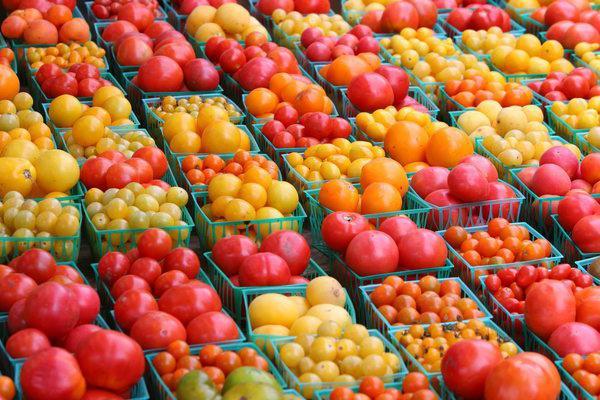
Correctly selected varieties will delight the gardener with high yields.
Tomato varieties for greenhouses
For vegetable growers with greenhouses made of polycarbonate and other materials, the following tomato varieties are available. After reviewing the characteristics, choose the variety that best suits your family's needs.
Leningrad early ripening
An early-ripening tomato. This hybrid boasts the following characteristics: resistance to diseases and adverse growing conditions.
Description:
- Height 80 cm.
- Ripens in 95 days.
- The tomatoes are red, round, and small.
- Average weight 60-80 g.
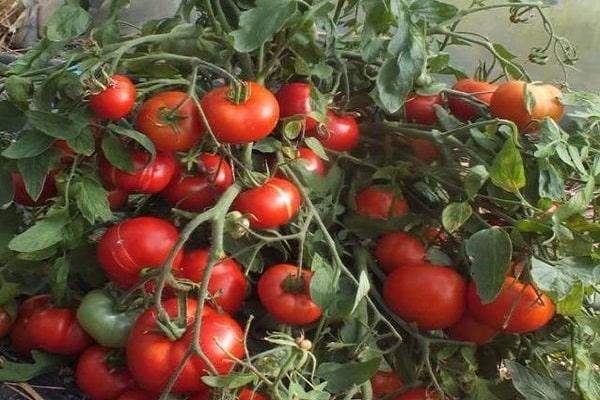
Its undemanding nature makes this variety popular among gardeners.
Ural polycarp
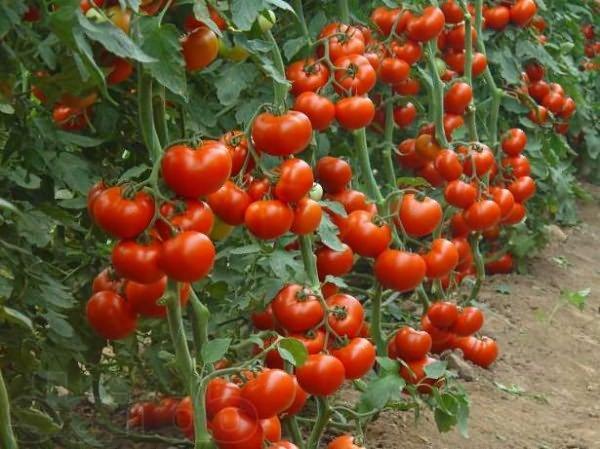
Adapted to harsh growing conditions, it is suitable for planting in heated greenhouses during winter. It tolerates low sunlight and can bear fruit without supplemental lighting. This Ural multi-fruited variety is disease-resistant.
The plants are short, producing scarlet, round fruits weighing 60 grams each. The flavor is standard, and the variety is versatile.
Leningrad autumn
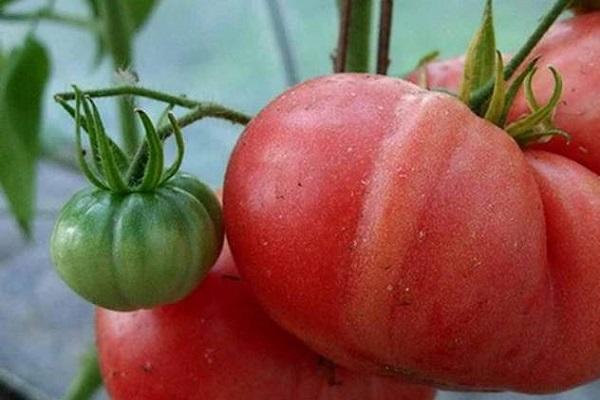
This variety is attractive because it tolerates cold and can produce fruit in low light. It is indeterminate and requires training and staking. It can be grown year-round.
The fruits are red-orange in color and flattened in shape. The tomatoes are small and sweet in flavor. Housewives use them in salads, dressings, main courses, and any method of pickling or preserving.
The best varieties of low-growing tomatoes
Low-growing tomatoes are in high demand; they're easy to cover and care for. In the region, they're only planted under plastic shelters.
Nevsky
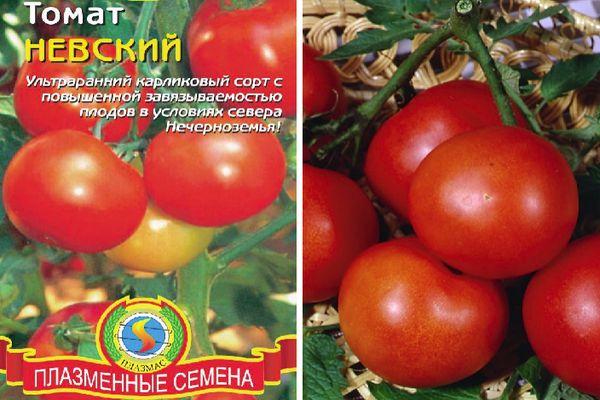
The low bushes grow to 35-50 cm. They are determinate and require no staking or shaping. This variety was developed in 1978. Nevskie tomatoes They can be grown in any conditions, as the bushes are versatile. This variety is popular among city dwellers. The plants are easy to care for and are resistant to disease.

The fruits are ready for consumption at 95-100 days. The fruits are pink, round, and weigh up to 60 g. They are widely used, often in preserves.
Dwarf 1185
The plants ripen within 3.5-4 months after planting. The plants are short and do not require shaping or support. The tomatoes are red, round or oval. The average weight of one tomato is 40-55 g. The yield is 3.5 kg per square meter.
The variety is susceptible to late blight, this should be taken into account when treating for diseases.
Baltic
A distinctive feature of this tomato variety is its ability to bear fruit even in short summers. This is why it is recommended for growing in the Leningrad Region. The fruits are red and weigh up to 150 g. It is recommended to train them into two stems. Each stem should have 6-7 clusters; no more is needed.
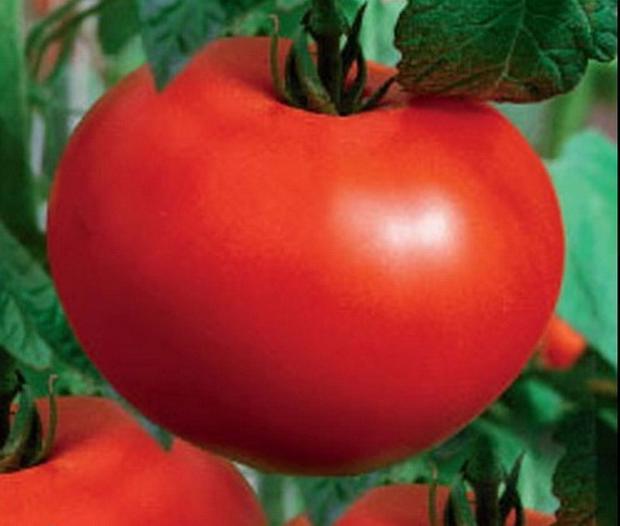
Resistant to diseases typical for the crop - late blight, scab, rot.
Apple tree
Low-growing bushes, similar in appearance to potatoes. The fruits ripen 120 days after germination. Plants reach a height of no more than 1 m. They require little care and require no shaping. They thrive in the field. Gardeners plant them in both open and protected soil. The skin of the tomatoes is thick and firm. Ripe fruits are red. They weigh 90-100 g. With proper care, a single plant can yield up to 5 kg of fruit.
Gribovsky 1180
A mature plant does not exceed 60 cm in height. Tomatoes ripen early. The determinate bush does not require shaping or staking. The fruits are a typical red color, weighing 120-150 g. Due to their thin skin, tomatoes are difficult to transport and are rarely canned. Their primary use is fresh eating.
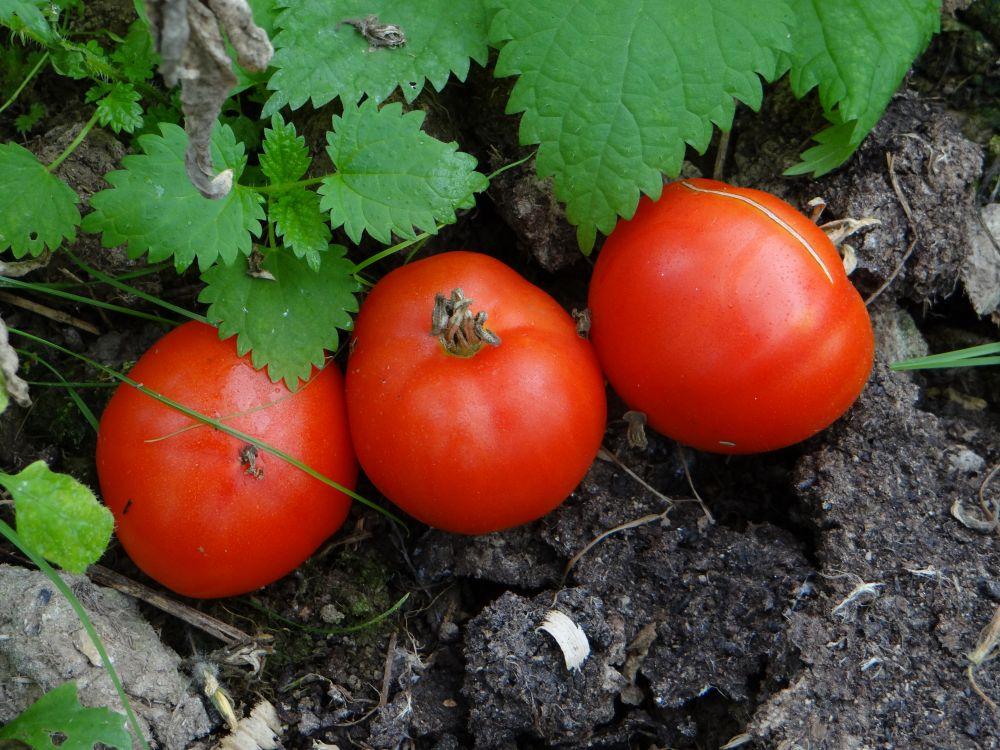
Low-maintenance plants are popular among gardeners. Tomatoes are used to make juices and dressings.
Flash
Tomatoes ripen early, with the first fruit harvested on the 95th day. They reach a height of 50 cm. The average weight of tomatoes is 80 g, they are round, and have firm, red skin. They are densely packed. The bushes are low, and it is recommended to remove the growing tip after the fifth cluster appears. Otherwise, care is the same as for other tomato varieties.
Snow Fairy Tale
Gardeners compare the bushes bearing ripening fruit to a decorated Christmas tree. The plants have a decorative appearance, with small bushes covered in fruit. The tomatoes are small, red, and possess the characteristic flavor and aroma of the cultivar. They are used in fresh salads and canned for winter storage.
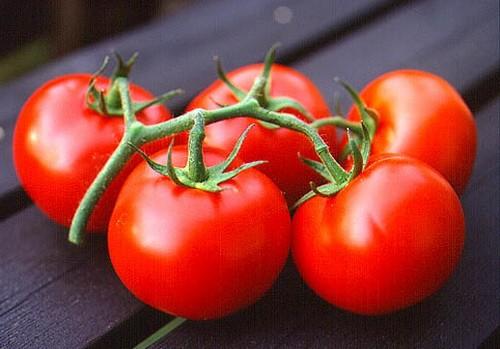
The bushes are determinate, do not require side shoots, and do not require staking. To produce larger fruits, some flowers in the clusters are removed.
Early tomatoes for growing in the Leningrad region
Gardeners recommend growing more early varieties to achieve a higher yield. Regional varieties are especially popular.
Acclimatized varieties are adapted for cultivation in the climatic features of the region.
Gribovsky 1180
Valued by gardeners for its positive characteristics, particularly its ability to bear fruit in low-light conditions. It can also be grown in greenhouses without supplemental lighting. The plants are easy to care for and require no shaping.
White filling 241
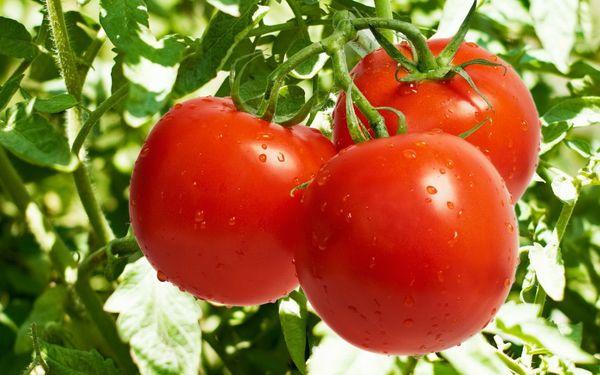
Introduced in 1966, the plant is determinate, but shaping and pinching are essential. It grows 0.5 m tall, with six clusters of ovaries per plant. The tomatoes are a standard red color and round in shape. Each tomato weighs 100 g. They are trained into 2-3 stems; otherwise, care is the same as for other plants.
Take a look Also
Severenok
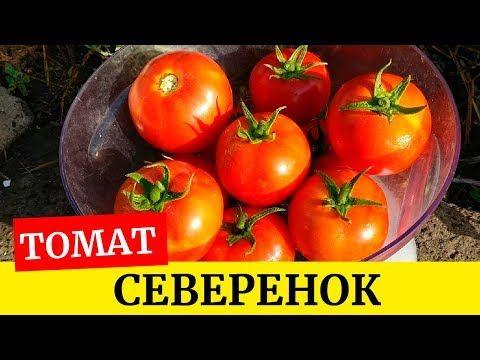
Thanks to their early ripening, they are resistant to late blight. The small tomatoes have a firm texture. Their strong skins help them maintain their appearance and flavor during transportation.
The first fruits begin to bear after 90-110 days from emergence. Mature plants grow up to 0.65 m. They are immune to common crop diseases. The fruits are flat-round, red, and suitable for any consumption.
Popular tomatoes from St. Petersburg gardens
Based on feedback from gardeners growing tomatoes in the Leningrad Region, beginning vegetable growers are choosing varieties that are in demand. These varieties meet all the requirements for the crop.
Baltic
An acclimatized variety renowned for its high yield, regardless of climate conditions. Disease treatment is not necessary, as the plants are highly resistant. No special care is required. Standard agricultural practices are followed.
Northern beauty
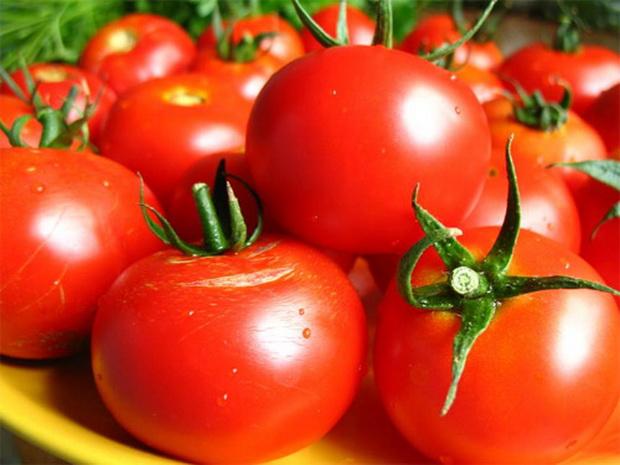
Tomatoes grow up to 1.5 m tall. Training them with 2-3 stems is recommended, with growth restricted after the seventh cluster has formed. The fruits ripen 4 months after the first shoots appear. The tomatoes are pink in color and oblong in shape. They are especially popular with homemakers who preserve and store vegetables for the winter. The cooked tomatoes have an excellent flavor.
In addition to these characteristics, the Northern Beauty has a strong immune system. It independently resists dangerous diseases that can destroy the crop and the plant itself. Plants require no treatment.
Fox
The bushes reach a height of 0.9 m. The skin and flesh of the tomatoes vary, with pink, orange, and red fruits available. The average weight of a single tomato is 90-100 g, with some weighing up to 150 g. Everything depends on care and timely implementation of agricultural practices.
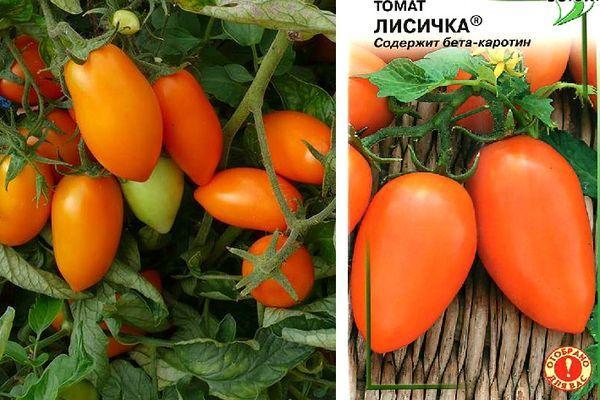
This variety is adapted for cultivation in any manner, both indoors and outdoors. No special care requirements are required.
The most productive tomato varieties
For the Leningrad region, it's not just acclimatized varieties that are being selected. Gardeners are also interested in other characteristics:
- harvest volume;
- immunity;
- bush formation and other.
Proper care allows you to get the most out of any plant. If you put in the effort, you'll reap the rewards. Tomatoes respond well to proper care.
High-yielding varieties recommended for cultivation in the region:
- Olya;
- Verlioka;
- Ural;
- De-Barao.
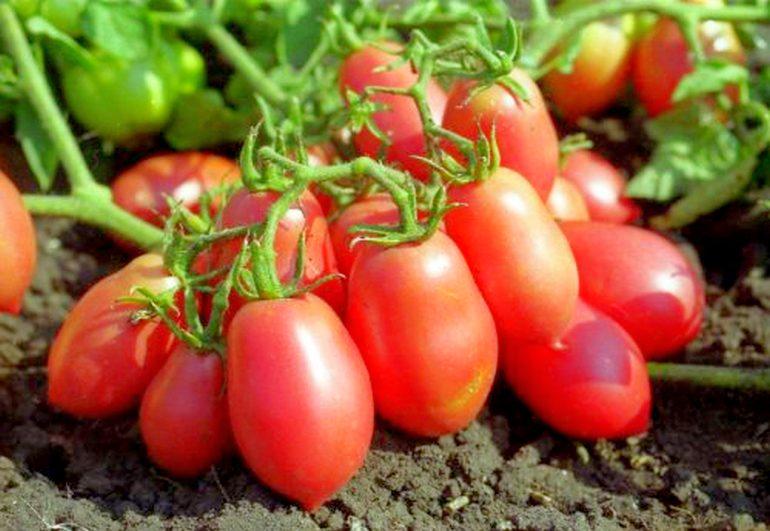
The fruits are small in size, but the plants can withstand low night temperatures, light frosts and short daylight hours.
What tomatoes are best to plant in the Leningrad region?
When choosing seeds for planting, gardeners rely on the manufacturer's description. However, for more detailed information, they often look for a full description of the species. Based on this information, they can determine whether the variety is suitable for planting in the region. The Leningrad Region is considered a high-risk agricultural region.
Gardeners should remember this peculiarity of the region and choose the right varieties.
Particular attention is paid to such traits as fruiting under conditions of limited daylight hours and the ability to form ovaries and fruits in unstable climatic conditions.
Growing and caring for tomatoes
Once the gardener has chosen the variety, the main work begins: planting the seeds for seedlings. The gardener chooses the timing; it's best to plant them in their permanent location in early June. Until then, the seedlings are grown indoors.
Prepare the soil, treat it with fertilizer, and make furrows. The seeding depth should be no more than 5 cm. Then, the containers are placed in a warm, dark place until the seedlings emerge. They are first covered with plastic or glass.
Careful seedling care is essential. Strong seedlings are the key to a future harvest. If light levels are insufficient, supplemental lighting is provided. This will help strengthen tomato stems, and the plants will flower and set fruit on time.
Plants are fed before and after transplanting. Organic or complex mineral fertilizers are used.
Caring for tomatoes after transplanting to a permanent location
After planting in open ground, the plants are regularly watered, loosened, weeded, and fertilized. Fertilizers are alternated to prevent a negative reaction.You can't overfeed tomatoes, they will start to develop incorrectly and stop forming ovaries.
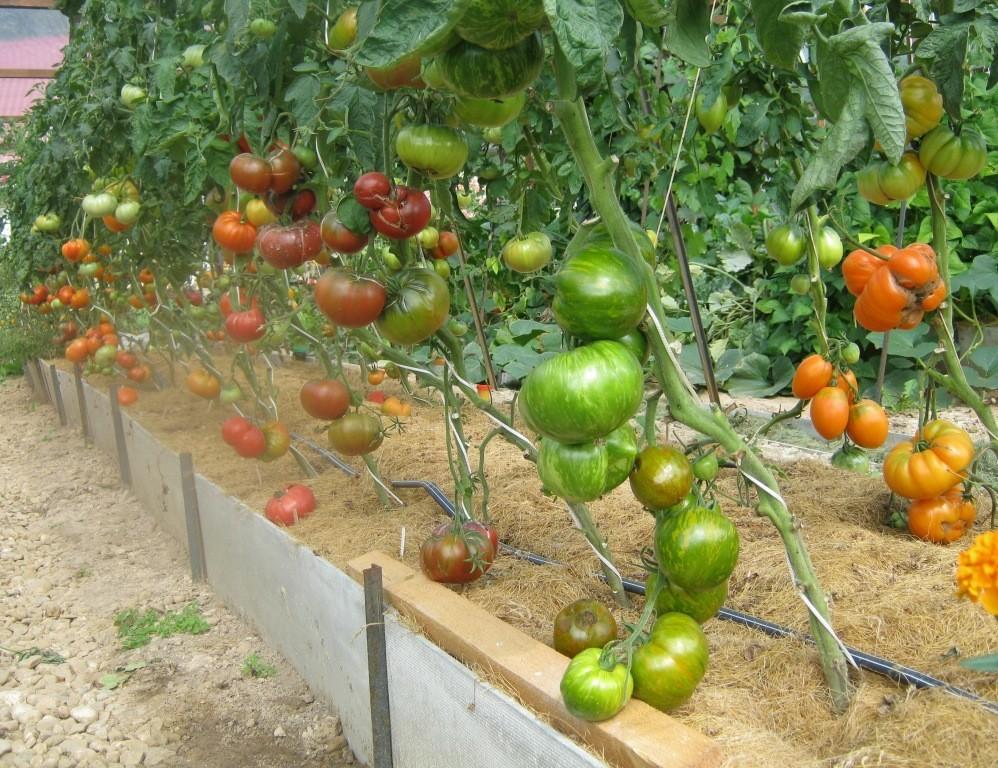
Depending on the variety, tomatoes are supported, the bushes are trained, and the growing points are removed. Some gardeners mulch, which helps retain moisture and prevents weeds. Pest and disease control is essential, as an infected plant can destroy nearby plants. Vegetable growers risk losing a large portion of their harvest.
Reviews from experienced gardeners
Before planting a tomato variety, a novice gardener consults the advice and recommendations of experienced gardeners. Reading reviews of the varieties helps them make the final decision about whether a particular variety is needed in their garden.
- Andrey: "I recommend planting the following varieties: Black Moor, Persimmon, Amber Pear, Japanese Truffle, Mikado, Mazarini, Black Prince, and Duckling. I've personally tested all of them; they can be grown both in a greenhouse and outdoors. It's important to follow the rules and technology for growing seedlings. Prick them out correctly and promptly. Transplant them to their permanent location in a timely manner. Follow proper agricultural practices during subsequent care. Ensure the plants receive nutrients through fertilizer and treat them for diseases."
- Olga: "Kukla, Tuz, and Vernye Druzya—I grow these varieties myself. When buying seeds, I advise you to pay attention to the description. Choose ones that suit your family's needs. For myself, I buy large, tasty plants that don't require any maintenance, like shaping them into bushes."
- Anastasia: "I've been growing tomatoes for years. I don't have a greenhouse, so I buy varieties that are suitable for growing under plastic cover. In the spring, we form arches over the beds, stretch the material over them, and leave them there until almost autumn. The fruits ripen, and I preserve a lot of them and eat them fresh."
Tomato planting has been common in the Leningrad Region for years. Breeders delight us with new varieties every year. Tomato varieties adapted to various adverse conditions appear regularly. All a gardener needs to do is make the right choice. The rest is in their hands: the harvest depends on proper care.
Related posts:
 Description of the best varieties of black tomatoes for open ground and greenhouses
 What varieties of tomatoes are best to plant in a polycarbonate greenhouse?
 80 Best Eggplant Varieties for Different Regions with Descriptions and Characteristics
 Description of the best tomato varieties for open ground and greenhouses in the Krasnodar region
 The best grape varieties for growing in the Urals, planting and care rules in summer
 Description of the best tomato varieties for open ground in the central zone
 Description and characteristics of the sweetest tomato varieties for greenhouses and open ground
 The best eggplant varieties for growing in a polycarbonate greenhouse: planting and care