
- Characteristics of sweet tomatoes
- Diversity of varieties among sweet species
- The Tsar Bell
- Golden Königsberg
- Monkey's butt
- Italian sweet
- Sweet Kasadi
- Malachite box
- nobleman
- Sweet fountain
- Sweet Heart F1
- Raspberry Giant
- Honey drop
- Sweet pearls
- Appetizing
- Sweet tree
- Wild Thyme
- The mystery of nature
- My sweet F1
- Amana Orange
- Tomato Children's sweet plum
- American Ribbed
- Sweet sea buckthorn F1 premium
- Sweet Barrel
- White Muscat
- Cuban sweet
- Sweet meeting
- Exhibition
- Pride of Pierce
- Sweet kiss
- Green goddess Xanadu
- Sweet baby
- Green Giant
- Sweet Pia
- Ildi
- Chisinau
- Pink honey
- Roma
- Camellia
- Sweet Solano
- Sweet fingers
- How to choose the sweetest tomatoes based on gardener reviews?
- For open ground
- For greenhouses
- Early ripening
- Mid-season
- Late-ripening
- Short stature
- Fleshy
- How to Grow Sweet Tomatoes
- For garden beds
- Indoors
- Further care
All tomato varieties have distinct flavor characteristics. Most varieties have a typical sweet and sour flavor, but some tomatoes are exceptionally sweet. When choosing the sweetest tomato varieties for growing, it's important to familiarize yourself with the different options and choose the right one.
Characteristics of sweet tomatoes
The ability of vegetables to accumulate sugars is determined at the genetic level, so some varieties are more prone to this. When choosing tomatoes based on their description, pay attention to their potential sugar content. Sweet varieties are suitable for salads, tomato juice, canning, and processing. High-sugar varieties add flavor and richness to dishes.
Diversity of varieties among sweet species
Breeders are constantly developing new tomato varieties, including sweet ones. There is a wide variety of tomato species, differing in cultivation methods, fruit shape and size, flavor, and other characteristics.
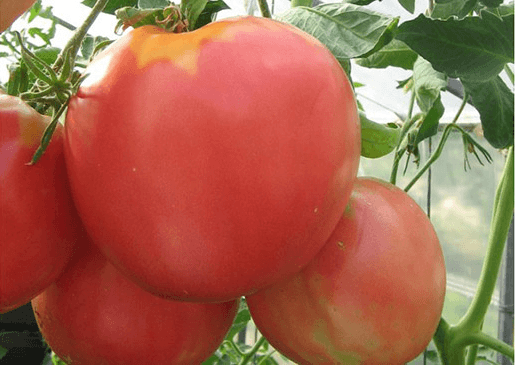
The Tsar Bell
The early-ripening, high-yielding Tsar Bell variety produces large fruits weighing up to 800 g. The bushes are compact, 80-100 cm tall, and semi-determinate. During growth, partial removal of side shoots and support are required. The shape of the fruits is round and oblong, with subtle ribbing along the stalk.
Golden Königsberg
The yellow-orange fruits of the Königsberg Zolotoy variety are elongated and resemble eggplants. Each tomato weighs 270-320 g. The main advantages of this variety are: good marketability, resistance to common diseases, transportability, and the ability to produce fruit in variable weather conditions.
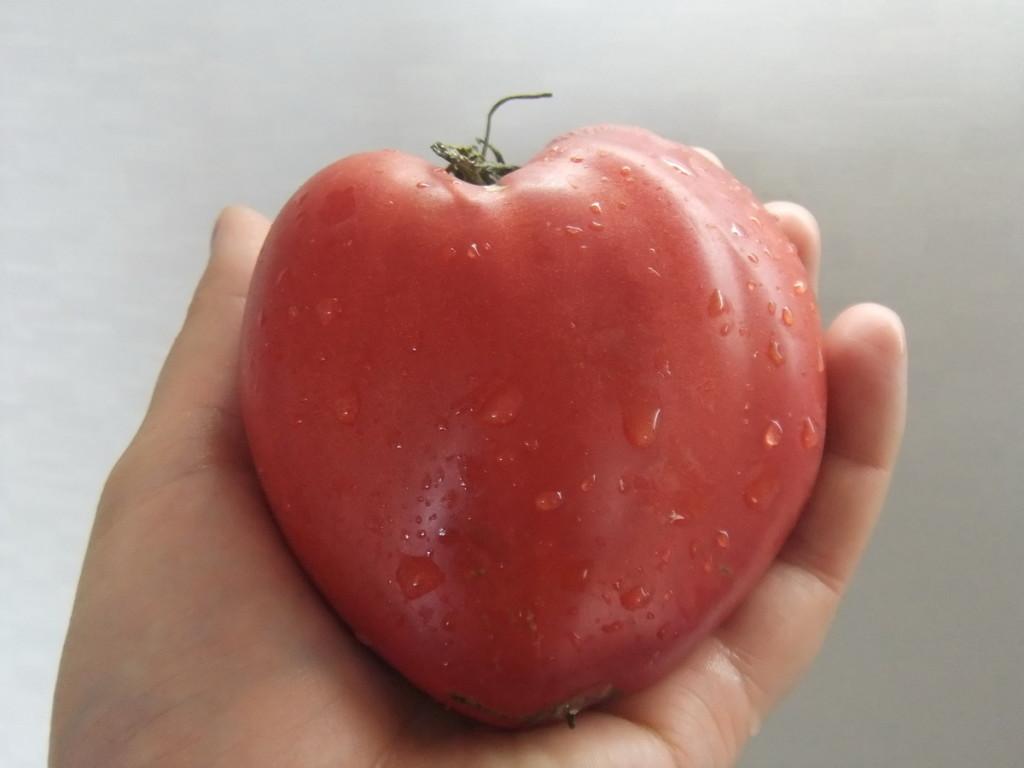
Monkey's butt
The "Monkey's Butt" variety gets its name from its round, heart-shaped form. These tomatoes are distinguished by their rich pinkish color, juicy, tender flesh, and high yield. A single square meter can yield 4-5 kg of fruit with proper care and fertilizer.
Italian sweet
The Italian Sweet variety produces raspberry-colored fruits, weighing up to 500 g, with fleshy pulp. Each bush yields approximately 5 kg. This variety is recommended for greenhouse cultivation. The bushes grow up to 2 m and require staking and removal of side shoots.
Sweet Kasadi
The Sweet Casadi variety is an early-ripening tomato. Bushes grow 1.8 meters tall and produce smooth, elongated fruits. The flesh is firm and meaty. This variety is prized for its excellent flavor, resistance to infections and pests, and versatility.
Malachite box
Malachite Box tomatoes They have a round, flat shape. When ripe, the vegetables are green with a yellowish tint. The plants begin to yield fruit within 110-115 days from sowing the seeds for seedlings. This variety is suitable for growing in open ground or greenhouse conditions. The yield per square meter reaches 4 kg.
nobleman
The Velmozha variety is not considered a standard; it produces low-growing plants, with bushes around 55-60 cm tall. The growing season lasts 105-120 days. Velmozha tomatoes They are valued for their resistance to low temperatures and common diseases, ease of care, and high yield.
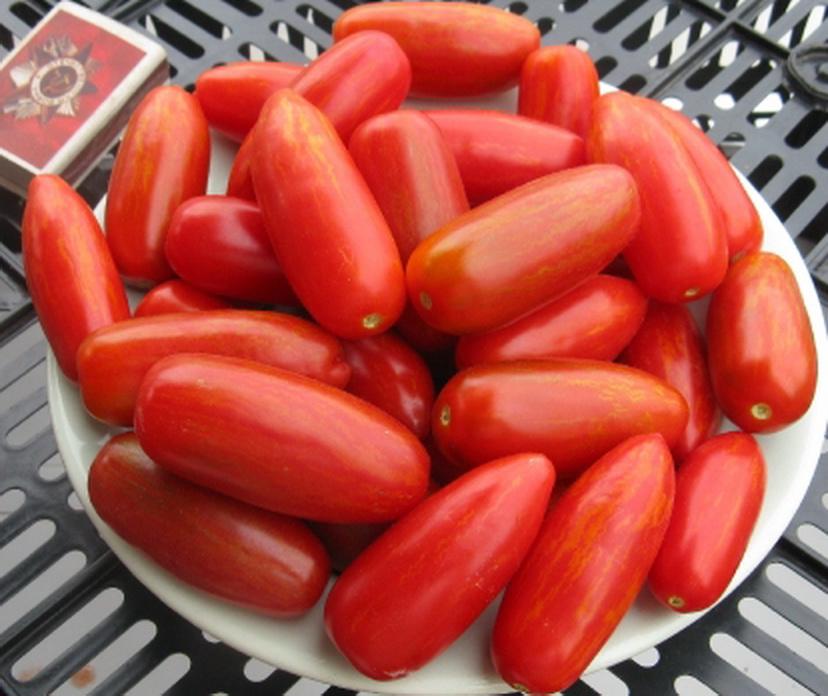
Sweet fountain
Sweet Fountain tomatoes are a rich red color and have an oval or cylindrical shape, a smooth surface, and weigh up to 20 g. The fruits are resistant to skin cracking and premature shedding. Their dense flesh makes them easy to transport.
Sweet Heart F1
The hybrid variety Sweet Heart F1 yields fruit 90-95 days after the first shoots emerge. The bushes reach a height of 80-90 cm and are suitable for growing outdoors. The fruits, weighing up to 150 g, are round in shape and have juicy, sweet flesh.
Raspberry Giant
The Raspberry Giant variety is a determinate variety and requires no growth control. It boasts a compact form, requires no pinching, and has a strong stem. Fruit ripening takes up to 90 days after planting.

Honey drop
The main advantages of the Honey Drop variety are its versatility, low maintenance, and disease resistance. Yields are 2-3 kg per plant. Ripening time does not exceed 115 days, provided the climate is favorable and fertilizers are used.
Sweet pearls
Early-ripening Sweet Pearl tomatoes begin harvesting 95 days after planting. The bushes reach 2 meters in height and require support. They adapt to any growing method and produce fruit reliably. The small fruits weigh approximately 15 grams and are spherical in shape.
Appetizing
The "Appetizing" variety lives up to its name and is renowned for its excellent taste. The ripening period is 115 days from the first shoots. Due to the heavy fruit, the branches need to be tied to supports. For a larger harvest, it is recommended to remove any growing side shoots.
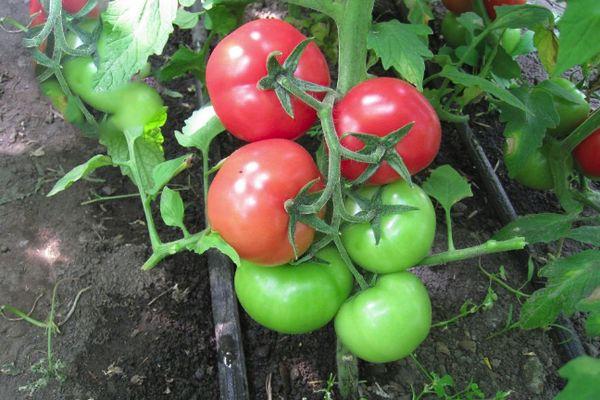
Sweet tree
The Sweet Tree variety is suitable for growing in open ground and greenhouses. Early-ripening tomatoes grow on bushes up to 2 m tall. Each fruit weighs 10-15 g, is round, and is a deep red. Each cluster produces up to 30 tomatoes.
Wild Thyme
The exotic Wild Thyme variety is distinguished by its olive-green color with pink flecks. The harvest takes 110-120 days to ripen on bushes up to 1.2 m tall. The fruits are round and flat, with smooth skin and juicy, rich flesh. Each fruit weighs between 150 and 300 g.
The mystery of nature
The "Zagadka Pridryda" variety is considered mid-early in terms of ripening time. The growing season lasts 110 days. Its distinctive characteristic is its high yield. One square meter of land can yield up to 17 kg of vegetables.
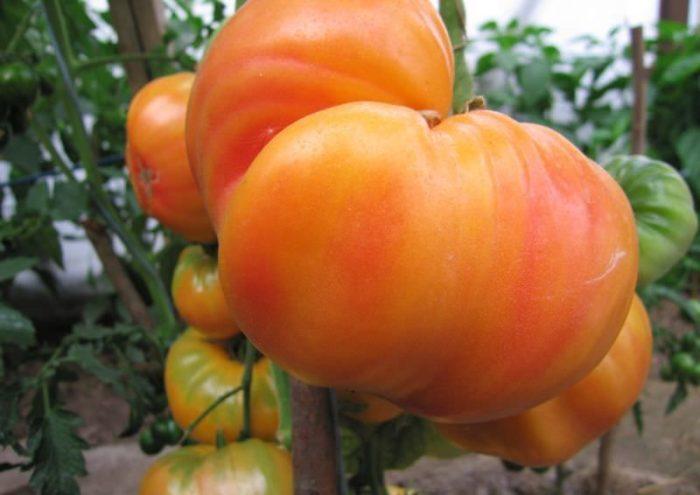
My sweet F1
The large-fruited hybrid Sladkiy Moy F1 is characterized by early ripening and bears fruit three months after planting. Key advantages of this hybrid variety include resistance to common diseases and temperature fluctuations, rich flavor, and compact bushes that require no staking.
Amana Orange
The tall Amana Orange variety is suitable for greenhouse cultivation. The bushes reach 1.8-2 m in height and require staking. Lateral shoots should be removed during growth to increase yield. Fruits can reach 1 kg in favorable climates.
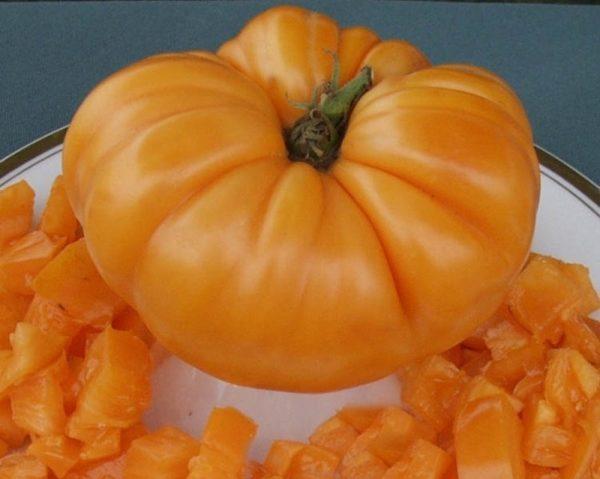
Tomato Children's sweet plum
This variety is intended for growing in open ground. Low-growing bushes up to 50 cm tall are easy to care for and are resistant to temperature fluctuations. The plants are limited in growth, so they do not require pinching or staking.
American Ribbed
American Ribbed Tomato This variety belongs to the category of standard, determinate varieties. Ripening period is 115-125 days. The plants have a comprehensive resistance to common diseases and variable climates. The fruit is strongly flattened, with a sweet and rich flavor.
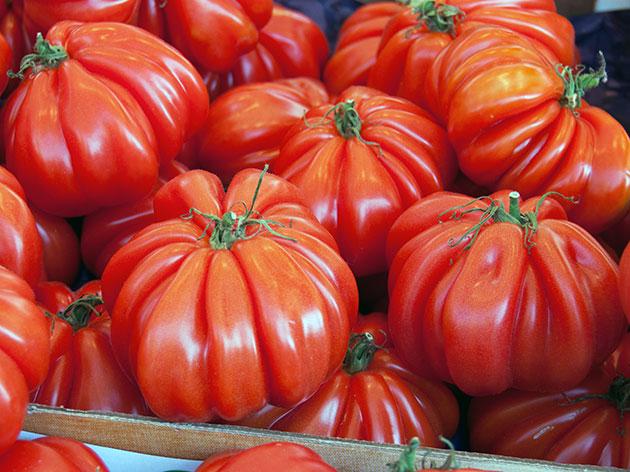
Sweet sea buckthorn F1 premium
The early-ripening hybrid Sweet Sea Buckthorn F1 Premium yields fruit 80-85 days after planting. The plants are suitable for both open-air and greenhouse cultivation. The fruits are round, weigh 30-35 g, and have a rich orange skin.
Sweet Barrel
The Sweet Barrel salad tomato variety produces pink fruits 110-115 days after the first shoots emerge. The bushes reach 2 meters in height and require periodic pinching to increase yield. One square meter yields 10-12 kg.
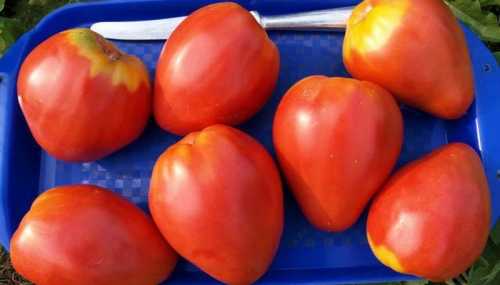
White Muscat
The decorative, exotic White Muscat variety features whitish fruits with a rich, sweet flavor. The bushes grow up to 2 meters and require regular removal of shoots. The fruits are pear-shaped, compact, and have smooth skin.
Cuban sweet
The Cuban Sweet variety is a tall variety and requires support. It can also be grown on trellises. The bright orange fruits have firm skin, fleshy, sweet flesh, and weigh between 300 and 400 g.
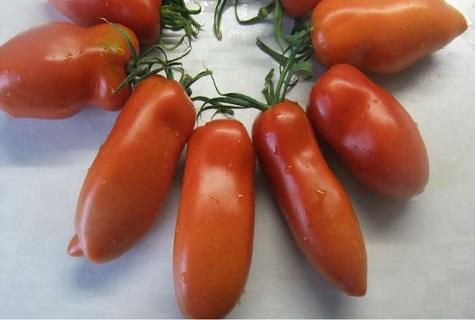
Sweet meeting
The early-ripening, determinate variety "Sladkaya Vstrecha" is suitable for growing in greenhouses and open ground. The bushes require side shoots to be removed, trained into one or more stems, and tied to supports. Ripening time is 95-100 days.
Exhibition
Exhibition tomatoes have unlimited growth and are intended for greenhouse cultivation. The bushes reach 2 m in height, so the branches should be tied to supports. Ripe tomatoes weigh up to 600 g in a favorable climate and with proper fertilizer. The flesh is firm, without hard membranes.
Pride of Pierce
The fruits of the Pride of Pierce variety ripen 120 days after planting. The plants produce flat-round tomatoes weighing up to 400 g. A distinctive characteristic is their increased juice content, which makes the flesh richer. These tomatoes are suitable for fresh consumption or processing.
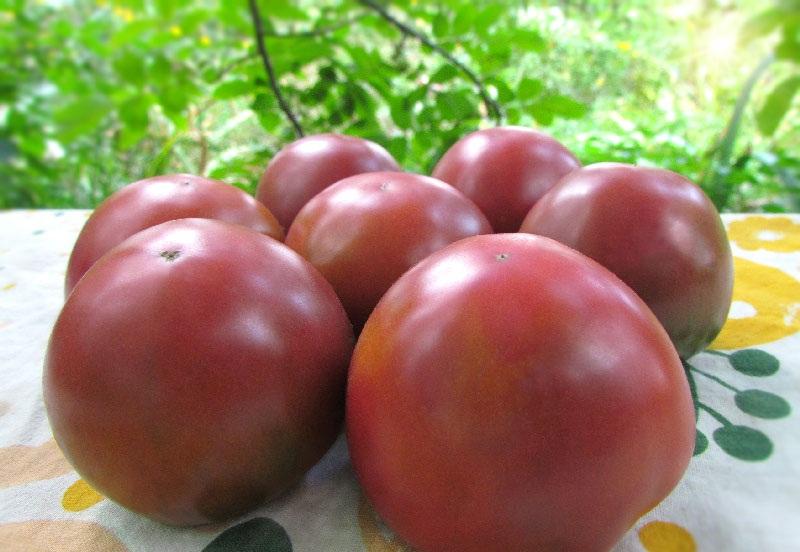
Sweet kiss
Sweet Kiss Tomatoes They are small-fruited. The harvest ripens three months after sowing for seedlings. The plants adapt to temperature fluctuations and bear fruit even when exposed to cold. The bushes grow up to 1.5 m and require training.
Green goddess Xanadu
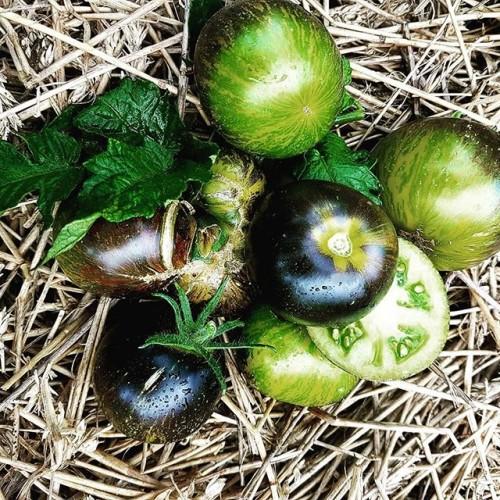
The unusual-looking Green Goddess Xanadu variety produces dark green fruits weighing 100-250 g. The fruits are round and flat, with juicy and sweet flesh. Each bush yields up to 4 kg. These versatile fruits are suitable for fresh consumption and long-term storage.
Sweet baby
A popular variety among gardeners, Sweet Baby is an early-ripening variety, ripening 100 days after sowing. The vegetables have a round shape, firm skin, and juicy flesh. Yields reach up to 3 kg per square meter of land. Each small fruit weighs approximately 10 g.
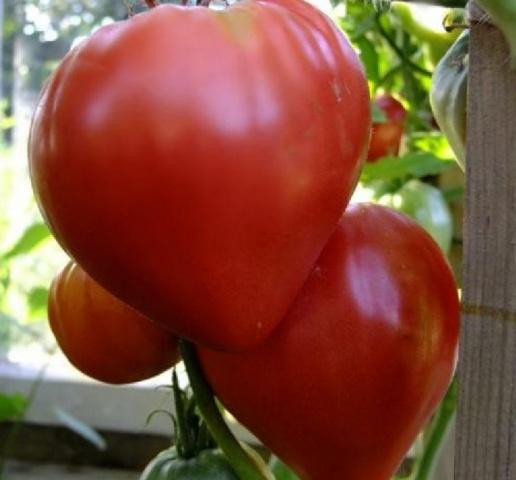
Green Giant
One of the oldest varieties is the Green Giant. Developed in Germany, this tall, mid-season, and productive variety is a popular choice. The robust bushes reach a height of 1.8 m, requiring support. Fruit weight ranges from 600 to 800 g.

Sweet Pia
The rare wild tomato variety Sweet Pia produces small fruits with sweet flesh. Each bush can yield up to 3 kg.
This variety is valued by gardeners for its resistance to frost and disease, its decorative qualities, and its ease of care.
Ildi
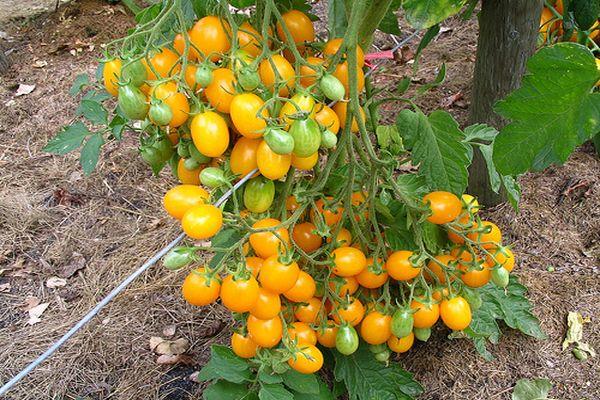
The Ildi tomato variety is distinguished by its numerous small fruits, each weighing no more than 15 g. Each cluster produces up to 60 fruits. The tomatoes are oval and plum-shaped. The flesh is rich and sweet. Ripe fruits can be eaten fresh or preserved.
Chisinau
Chisinau tomatoes are mid-season and designed for greenhouse cultivation. The harvest period from sowing to harvest is 105-110 days. The raspberry-colored fruits weigh up to 500 g. These versatile tomatoes are used for juice, salads, and fresh consumption.
Pink honey
The mid-early, determinate Pink Honey variety is grown both in greenhouses and in the open field. Plants reach 1.5 m and produce fruits weighing 300-600 g. The flesh is juicy, meaty, and sweet. With consistent care and favorable weather conditions, yields reach 3.8-4 kg per square meter.

Roma
Roma tomatoes They grow on robust, determinate bushes. Plants reach a height of 65-75 cm. The variety produces its highest yields when trained as a single stem attached to vertical supports. This variety is resistant to a number of diseases, including fusarium and verticillium wilt.
Camellia
The high-yielding Camellia variety is suitable for growing indoors. Indeterminate bushes reach a height of 2-2.5 m. Due to the heavy fruits and the height of the plants, they require support and regular removal of side shoots.
Sweet Solano
The popularity of the Sweet Solano variety is due to its unique flavor profile. The juicy flesh has a fruity flavor and is suitable for fresh eating and canning.
Sweet fingers
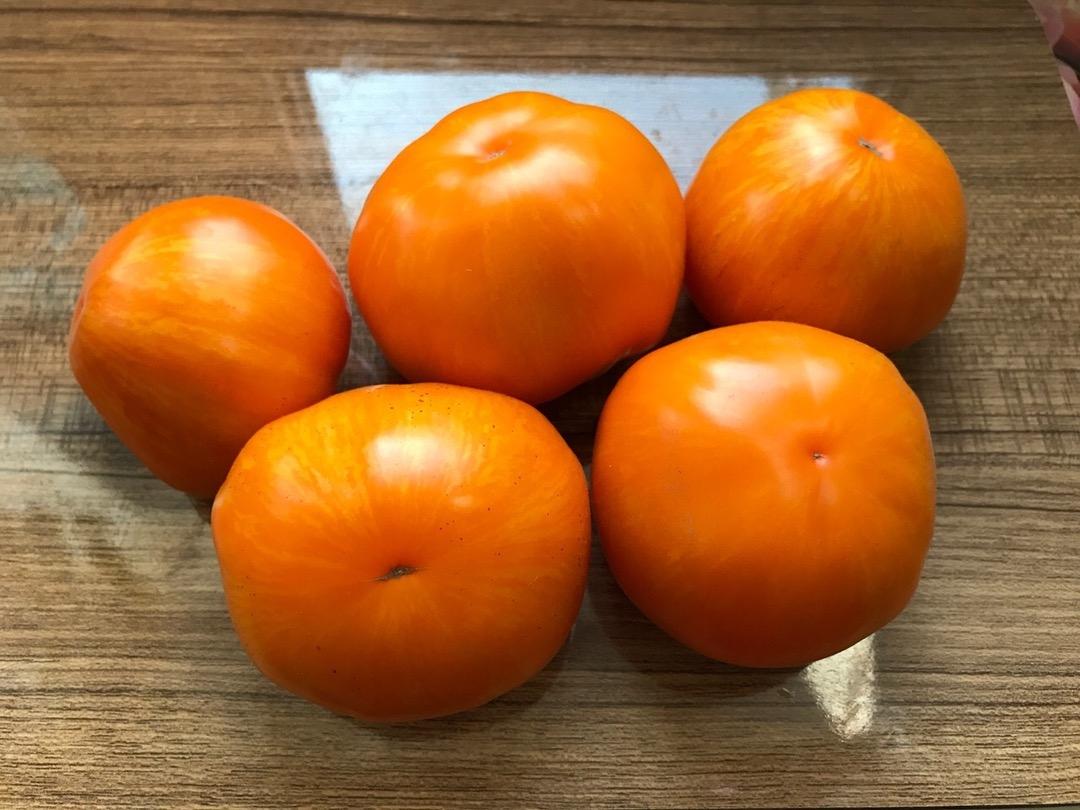
A distinctive feature of Sweet Fingers tomatoes is their stem-like structure. The plants are trained into two stems, each bearing compact clusters. The elongated fruits weigh 50-70 g.
How to choose the sweetest tomatoes based on gardener reviews?
When choosing the right vegetable variety, it's recommended to read reviews from gardeners beforehand. Most gardeners agree that the deciding factors in choosing include:
- growing method;
- specifics of care;
- fruit sizes.
For open ground
It is recommended to grow in open ground those varieties that are resistant to temperature changes and precipitation. The most common varieties for open ground are Zagadka and Anastasia.
For greenhouses
When choosing greenhouse planting material, consider the plant type. High yields can be achieved by growing determinate plants, which form clusters every two leaves. It's important to create a suitable microclimate inside the greenhouse, fertilize regularly, and adhere to other care guidelines. Popular greenhouse tomatoes include Midas, Pink King, Scarlet Mustang, and Silhouette F1.

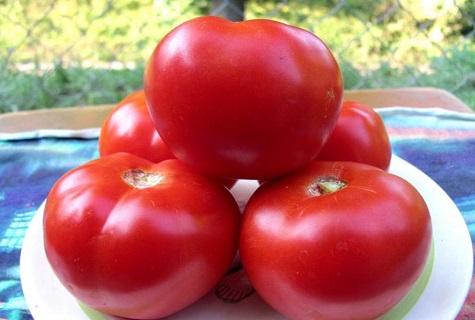
Early ripening
The need to grow early varieties arises in regions with a short warm period. Early-ripening tomatoes ripen within 2.5-3 months, allowing the entire harvest to be harvested before the first cold snap. Early-ripening tomatoes include Amursky Shtamb, the Aphrodite F1 and Benito F1 hybrids, Gina, Krayniy Sever, and others.
Mid-season
Most mid-season varieties ripen a decade after early tomatoes. It's recommended to allocate the majority of your land to mid-season tomatoes, as they're suitable for fresh eating and preserves. Full maturity depends on the variety and typically takes approximately 100-110 days. Experienced gardeners favor mid-season tomatoes such as Gigant-5, Pink Elephant, and Matroskin.
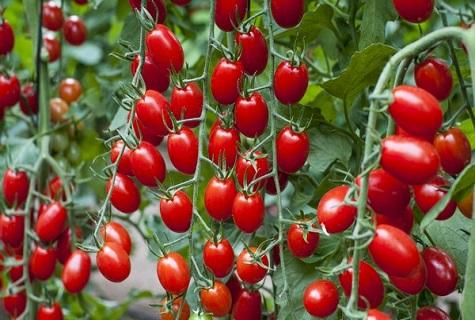
Late-ripening
Late-ripening vegetables take 120 to 130 days to mature, so seedlings should be sown no later than mid-spring. Planting later may reduce the yield due to early frosts. Late-ripening vegetables are not recommended for growing in open ground in temperate climates.
The optimal option is greenhouse conditions, in which the crop can ripen regardless of climate and temperature fluctuations.
Short stature
For open ground cultivation, choose low-growing tomatoes. This category offers several comparative advantages, including the following:
- a large number of bushes can fit in the beds, since they take up minimal space;
- compact dimensions provide good protection from changing temperatures, strong gusts of wind and other adverse effects;
- Most low-growing tomatoes do not require removal of side shoots, tying branches to supports, or pinching during care;
- Low-growing vegetable varieties are less susceptible to common diseases and attacks by harmful insects.
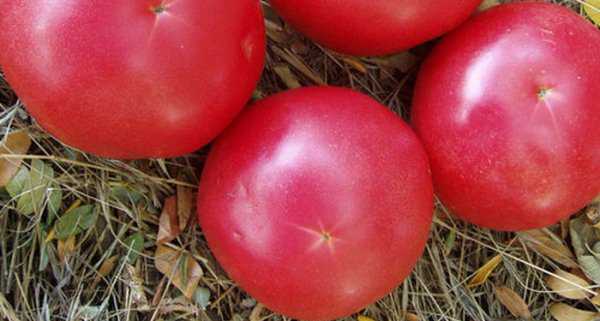
Fleshy
Fleshy tomatoes are often eaten fresh. In addition to their excellent flavor, gardeners value these vegetables for their minimal seed content, juiciness, and versatility. Popular fleshy tomatoes include the following varieties: Bull's Heart, Pink Honey, Mikado, Tsar Bell, King of Siberia, and Orange Orange.
How to Grow Sweet Tomatoes
To get a bountiful harvest of sweet tomatoes, you need to follow several growing guidelines and ensure regular care for the seedlings. Growing requirements depend on whether the plants will be grown outdoors or in a greenhouse.
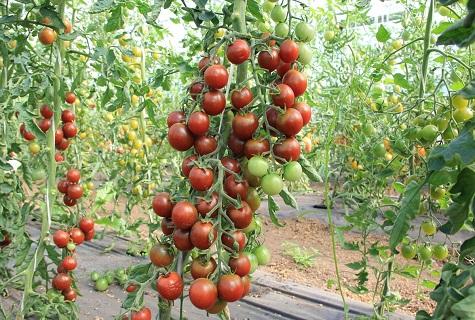
For garden beds
When planning tomato plantings, it's important to clear the soil of plant debris, fertilize the surface, and protect the plants from external influences. Planting vegetables in garden beds increases the risk of pest infestation, so regularly spraying the plants is essential as a preventative measure.
Indoors
When growing vegetables indoors, it's essential to provide good lighting. Choose a consistently sunny location for the seedlings, and provide additional light sources if necessary. Tomato soil should be fertile and rich in nutrients.
Further care
Caring for plants requires a comprehensive approach. The key steps include regular watering, loosening the soil, and treating for diseases and pests. Water the soil under the bushes as it dries, avoiding overwatering and drought. After each watering, loosen the soil to ensure air flow to the roots. Spray the bushes 2-3 times during the season to protect them.
Related posts:
 The best grape varieties for growing in the Urals, planting and care rules in summer
 Description of the best varieties of black tomatoes for open ground and greenhouses
 80 Best Eggplant Varieties for Different Regions with Descriptions and Characteristics
 What varieties of tomatoes are best to plant in a polycarbonate greenhouse?
 Descriptions of the 20 best cherry varieties for the Moscow region, their planting and care
 Description of the best tomato varieties for Udmurtia for open ground and greenhouses
 Which tomato varieties are best for open ground?
 Description of the best pepper varieties for greenhouses and open ground in 2025