
- Description and characteristics of the variety
- Fruit
- Bushes
- Origin, region of cultivation
- Productivity
- Resistance to diseases and pests
- Pros and cons of the Velmozha tomato
- Landing features
- How to grow seedlings?
- Soil
- Open ground planting scheme
- Features of growing in a greenhouse
- Further care of the plant
- Pest and disease control
- Harvesting and use of the crop
- Feedback from those who planted
The popularity of the Velmozha tomato variety is due to its unusual characteristics and description. The distinctive fruit shape, excellent taste, and consistent fruiting distinguish this tomato variety.
Description and characteristics of the variety
The Velmozha variety is known among experienced gardeners by its second name, Budenovka. These tomatoes are rightfully considered one of the finest achievements of Siberian breeding. These vegetables have a number of distinctive characteristics, so when planning your planting, it's recommended to read the detailed description.
Fruit
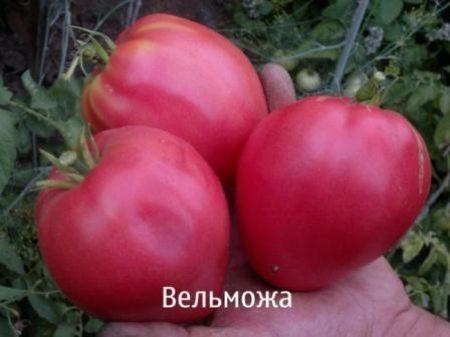
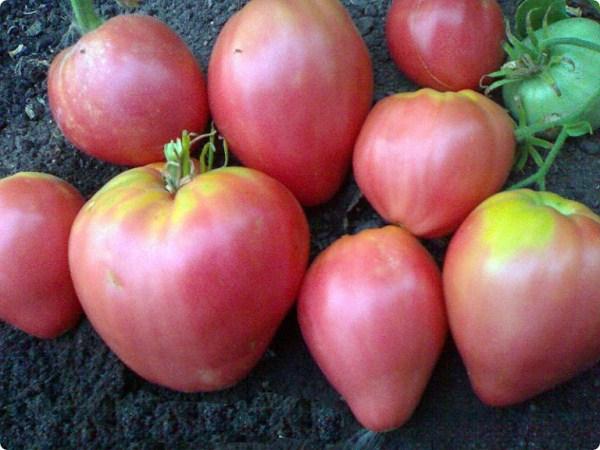
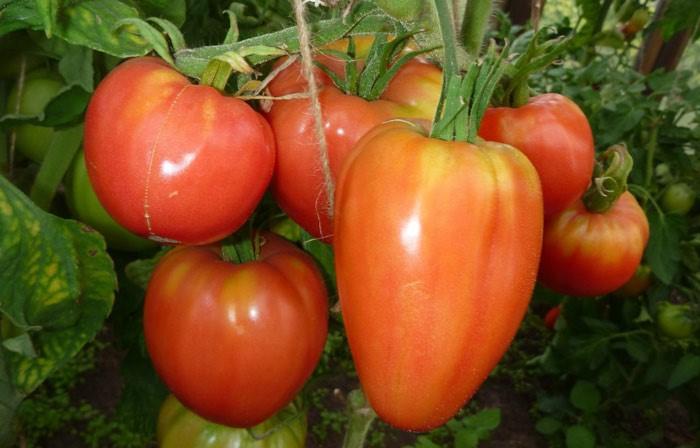
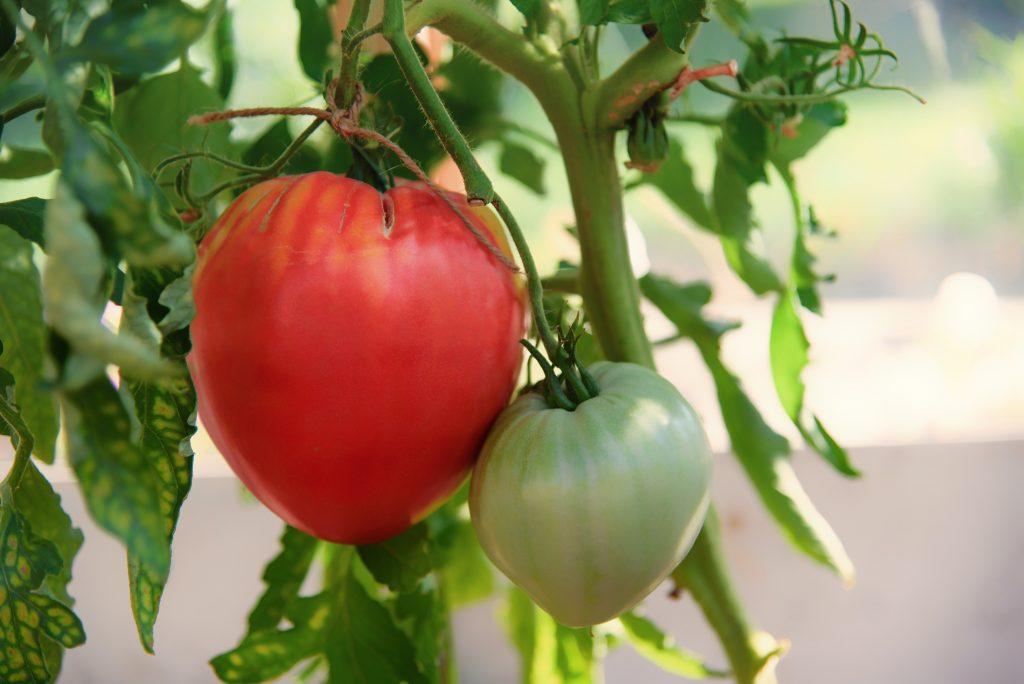
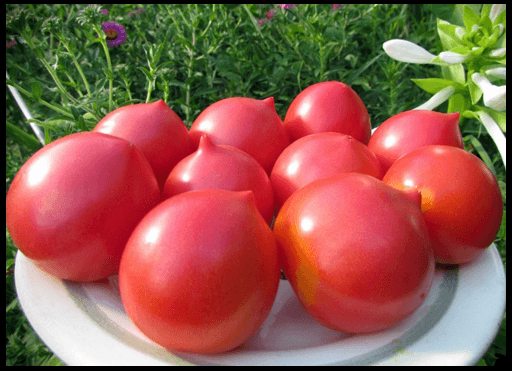
Ripe tomatoes become large in size and weigh up to 400 g. The skin color ranges from crimson red to deep pink. The shape of the fruit is oblong and heart-shaped. The flesh is juicy and meaty with a sweet flavor. The fruit contains 6-9 chambers with a dry matter content of no more than 5%.
Bushes
The Velmozha tomato variety is characterized by compact bushes about 60 cm tall. It is a determinate variety, stopping growth after a certain number of clusters have formed. The bushes have strong stems, moderate branching, and foliage.
Origin, region of cultivation
The Velmozha variety was developed through hybridization at the Siberian Research Institute of Plant Growing. The variety was officially registered in the State Register in 2004. The properties of the Velmozha tomato allow it to be grown in greenhouses or in open fields. Favorable growing regions include the central part of Russia, Western and Eastern Siberia, the Urals, and the Far East.
When planted in the south, tomatoes demonstrate good yields with the use of fertilizers and careful care.
Productivity
The Velmozha variety is a mid-early variety, producing fruit 105-115 days after sowing. It is prized for its high yield, and with proper care and a favorable climate, it can yield approximately 500 centners per hectare. To maximize yield, it is recommended to plant 3-4 plants per square meter.
Resistance to diseases and pests
Plants have increased immunity to diseases common to the Solanaceae family, but in rare cases can be affected by brown spot. This disease occurs on plants grown in greenhouses, where the soil is oversaturated with moisture and there is insufficient light. When grown outdoors, there is a risk of spider mite infestation. This harmful insect chews through the stems and leaves, leading to plant death and reduced yields.
Pros and cons of the Velmozha tomato
Velmozha tomatoes boast a wide range of advantages. The most significant of these are:
- unusual taste due to the sweet aftertaste;
- high yield rate;
- resistance to frost and temperature changes;
- minimal susceptibility to disease.
The downsides of this hybrid include the need for mandatory fertilizer to support bush development. Also, during cultivation, side shoots must be removed and the plants secured to supports.
Landing features
The key to a bountiful harvest is following proper planting practices. Velmozha tomatoes thrive in both open ground and greenhouses, but the planting method chosen determines the planting nuances. Soil preparation, seed pre-treatment, and planting pattern also play an important role.
How to grow seedlings?
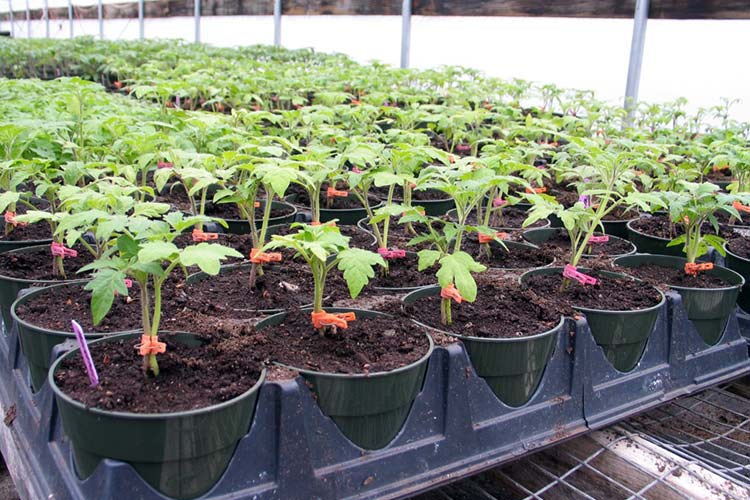
Two months before planting tomatoes outdoors, sow the seeds for seedlings. The seeds are soaked in a potassium permanganate solution for disinfection and then placed in individual pots or boxes at a depth of 1-2 cm. For vigorous seedling growth, it is recommended to use a soil mixture with peat. The seedling containers are covered with plastic film to create a greenhouse effect and left in a warm place, watering occasionally.
Soil
The soil in the permanent tomato growing area should be fertile and fertilized. Specialized fertilizers, humus, and compost can be used as nutrient supplements. The soil should also be thoroughly tilled and any plant debris removed.
Open ground planting scheme
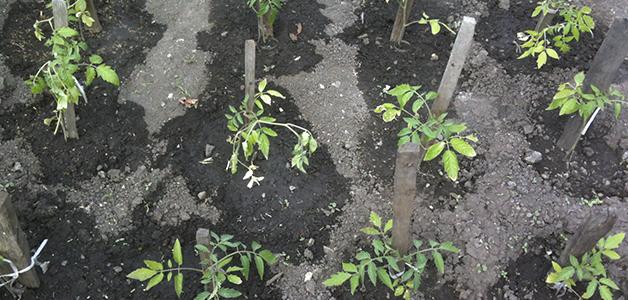
The optimal planting pattern for Velmozha tomatoes is 50 x 40 cm. Planting too densely may restrict the plant's roots from developing freely, resulting in reduced yields. Open-ground beds are prepared 7-10 days before planting. The soil is loosened, weeds are removed, and fertilizer is applied.
Features of growing in a greenhouse
Before transferring seedlings to the greenhouse, it's necessary to prepare it for the upcoming season. To protect against recurrent frosts, the greenhouse is covered with a thick layer of plastic film. To ensure adequate ventilation, holes should be made on several sides.
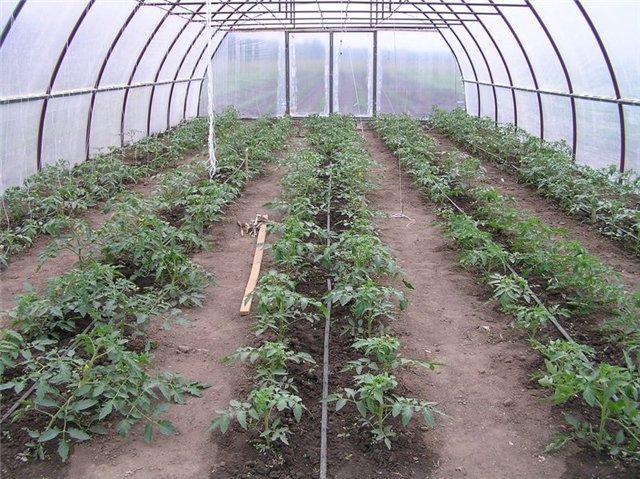
10-15 cm of soil is removed from the greenhouse surface, and the remaining soil is treated with copper sulfate. Tomatoes should not be planted in the same greenhouse for several years in a row, as the soil retains pathogens that can infect new plants.
Further care of the plant
Once transplanted to their permanent location, the plants require regular care. Water once a week or more frequently as the soil dries out. Use 3-5 liters of water per plant. Avoid overwatering, as this can cause root rot. Loosen the soil each time you water the tomatoes. This ensures adequate airflow to the roots.
Fertilizing promotes accelerated tomato growth. Phosphorus-potassium fertilizers are suitable for the Velmozha variety. Sufficient nutrition ensures juicy and sweet fruits.
Pest and disease control
To combat the common disease brown spot, remove excess moisture and spray with garlic infusion. If signs of other infections are detected, standard fungicidal products with disinfectant properties are sufficient.
To repel spider mites from bushes, you can periodically wipe the surface of the leaves with a soapy solution. Conventional insecticides do not work on ticks, so for their complete destruction it is better to use acaricides.
Harvesting and use of the crop
Harvesting occurs at different stages of ripeness, depending on the fruit's intended use. Fully ripened fruits, rich red or pink in color, are used for fresh consumption, cooking, canning, and processing.
Fruits picked at an early stage of ripening are suitable for artificial ripening. Large tomatoes with no bruises or visible damage to the skin are selected for this purpose.
Whether the fruits are picked with or without stems, they are placed with the stems facing down. Care must be taken to avoid damaging adjacent fruits. If the fruits are placed in plastic boxes or wicker baskets to ripen, they should be covered tightly with burlap or other similar material.
Take a look Also

Velmozha tomatoes are also suitable for long-term storage. The fruits can be refrigerated in plastic bags, or packed into wooden crates and stored in a cool, dark place with moderate humidity. To prevent the skin from cracking and the tomatoes from losing their flavor, it's important to protect them from direct sunlight.
Feedback from those who planted
Tatyana Vasilyevna: "I've been growing the Velmozha variety for many years and always get a good harvest. I've had to deal with spider mite infestations several times, but treating them with a soap solution helped solve the problem. This variety is favored for its sweet flavor, juicy flesh, and large fruit size."
Lidiya Vlasenko: "Following a recommendation, I planted Velmozha tomatoes in a greenhouse for the first time. I'd like to point out how easy they are to care for—I missed watering the seedlings a few times, but still got a good harvest. In total, I harvested over 40 kg of vegetables."
Related posts:
 Description and characteristics of the sweetest tomato varieties for greenhouses and open ground
 The best grape varieties for growing in the Urals, planting and care rules in summer
 Description of the best varieties of black tomatoes for open ground and greenhouses
 The best eggplant varieties for growing in a polycarbonate greenhouse: planting and care
 What varieties of tomatoes are best to plant in a polycarbonate greenhouse?
 Description and characteristics of non-stepsoning tomato varieties for open ground and greenhouses
 Descriptions of the 20 best cherry varieties for the Moscow region, their planting and care
 Description of blight-resistant tomato varieties for open ground and greenhouses