
- Characteristics and description of varieties of tomatoes that do not require side shoots
- Bush
- Fruit
- Properties
- Advantages and disadvantages
- Varieties of non-stepsoning tomatoes
- Scarlet
- Vasya-Vasilek
- Cherry-shaped
- Pickling
- Golden autumn
- Canned goods
- Red
- Lord
- Crimson
- Orange with a spout
- Pink
- Plum-shaped (NEPAS 13)
- Supermodel
- Cylindrical
- Miracle of Siberia
- Amber
- Sugar
- Features of cultivation
- Bedding
- Watering
- Fertilizers
- Diseases and pests
- Harvesting, storage
- Experienced gardeners' reviews of tomatoes for the lazy
Tomatoes that don't require side shoots require significantly less time to care for. This appeals to busy gardeners. Many prefer to grow these tomatoes outdoors. They buy low-growing, standard varieties. These tomatoes don't require shaping, but the fruits ripen early.
Characteristics and description of varieties of tomatoes that do not require side shoots
The SeDek company produces a whole series of tomatoes that don't require side shoots. They're called NEPAS. More than 10 varieties, differing in fruit color and shape, are included in the state register. What they have in common is that side shoots don't need to be removed. This prevents bushes from becoming overgrown, yields from dropping, and tomatoes from becoming smaller. The varieties have their own serial numbers: NEPAS 10, NEPAS 1, NEPAS 5. There are 14 of them in total.
Bush
The plants are short, with shoots 20-70 cm long. Low-growing determinate and superdeterminate bushes are conveniently grown under arches or in warm beds. They are planted in a greenhouse using a densely packed pattern.
Fruit
In the variety series NEPAS can find tomato seeds, which are suitable for any gardener, the fruits are different:
- form;
- color;
- direction of use.
The round, red fruits of the giant tomato NEPAS 7 are suitable for salads. They weigh 150-200 g. Other NEPAS (3, 12, 14) are not inferior to it in taste.
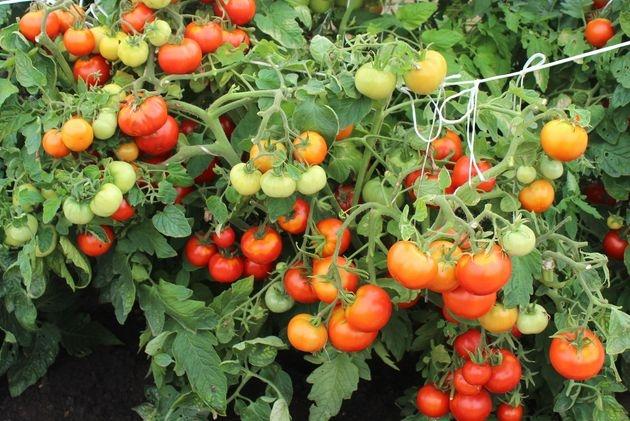
For preserves, there are also good varieties of tomatoes that don't require side-shoots (Nos. 4, 6, 5, 8, 9, 10, 13). The fruit pulp contains a high percentage of dry matter. They have a very decorative shape.
There are heart-shaped varieties, elongated varieties with a spout, and classic cream (NEPAS 13).
There are many color solutions:
- red;
- orange;
- red with yellow stripe.
For The series includes cherry tomatoes for growing on a windowsill (No. 11)Small bushes (20-35 cm) grow well in pots.
Properties
Almost all non-stepson tomatoes are early ripening. The harvest ripens in 85-95 days. This explains why the bushes and fruits of these varieties are rarely affected by late blight. The harvest is completed before the fungus begins to wreak havoc.
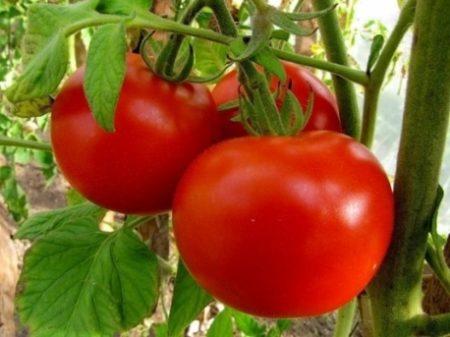
Yield rates vary. The fruits are produced in clusters, each containing 5-7 tomatoes. The larger the clusters, the higher the yield.
Advantages and disadvantages
The main advantage of tomatoes that don't require side shoots is the time savings on maintenance. There's no need to remove side shoots, so there's no need to inspect each plant every 3-5 days. These varieties also offer other advantages:
- they give up their harvest early;
- do not get sick;
- quickly adapt to weather changes.
The disadvantages of tomatoes that don't require side-children are average taste and size.
Varieties of non-stepsoning tomatoes
When buying seeds, read the description. If the instructions state that a variety doesn't require pinching, then it's a non-pinching tomato variety. Choosing tomatoes for a greenhouse is easy; we have a large selection of tomatoes for open ground (Miracle of Siberia, Supermodel, Golden Autumn). Descriptions of the most productive and sweet tomato varieties, low-growing varieties that don't require pinching, will help you make the right choice.
Scarlet
A small-fruited (50-80 g) ultra-early tomato. It ripens until late autumn. Scarlet (NEPAS) is grown in open ground and greenhouses. Minimal care is required. The variety has good resistance to fungal diseases.
Vasya-Vasilek
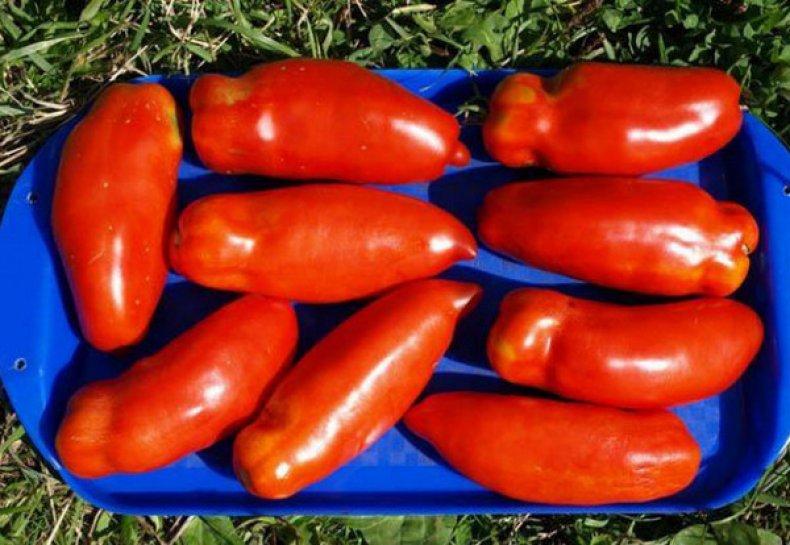
Large-fruited, versatile tomatoes. Round, scarlet, weighing 500 to 600 g. Bushes are low (60 cm) and compact. Side shoots do not need to be removed. However, according to gardeners, partial side shoot removal allows for larger specimens. The variety is suitable for indoor growing. Vasya-Vasilek tomato ripens mid-early (110-115 days). Available for sale since 2012, judging by reviews, it has found its fans.
Cherry-shaped
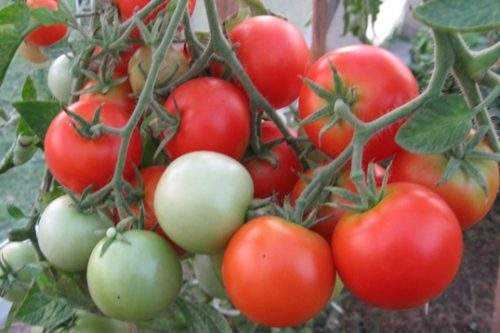
Small fruits (15-30 g) have an excellent flavor, reminiscent of cherry tomatoes. They ripen quickly, store well, and transport well. This variety can be grown indoors. Cherry tomatoes are versatile.
Pickling
The tomatoes take 115 days to ripen, making them considered a mid-early variety. They produce fruit reliably. The yield is relatively unaffected by weather conditions. The tomatoes are medium-sized (50-70 g). One bush produces up to 2 kg of fruit.
- universal in application;
- transportable;
- delicious.
Golden autumn
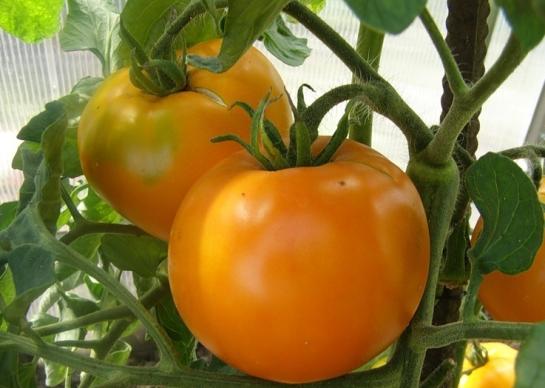
A productive tomato that doesn't require side-children. The amber-colored fruits, at peak fruiting, weigh the bush down so much that they can break branches. The pulp is tasty and contains beta-carotene. This variety is easy to care for. The harvest has a long shelf life. Regions recommended for growing Golden Autumn tomatoes:
- Ukraine;
- South of Russia.
Tomatoes don't like drought. They thrive on regular watering and warmth. They have moderate resistance to fungi.
Canned goods
The fruits are small (40-70 g) and firm. Their tough skin makes them ideal for preserves. The tomatoes are elliptical in shape and red in color. They withstand long transportation and have a long shelf life.
Red
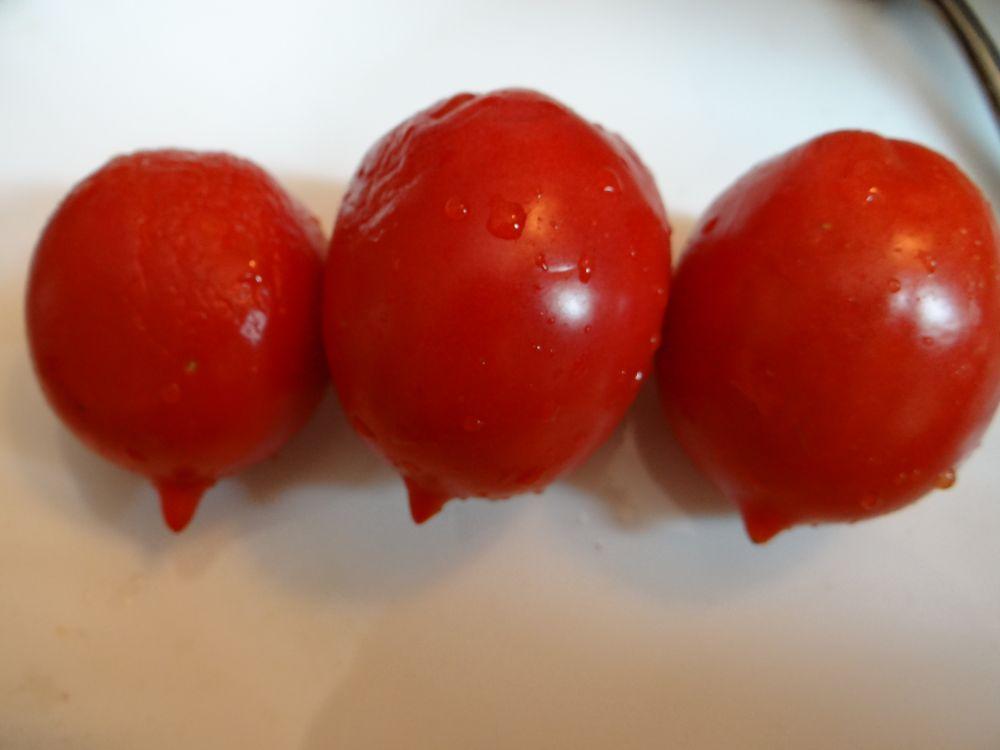
This variety is a super-early, easy-to-grow, and super-tasty tomato. The red fruits adorn low (up to 50 cm) neat bushes. The tomatoes are round in shape, with a red base color. Fruit weight ranges from 60 to 70 g. The pulp has a pleasant flavor, a firm texture, and is versatile. NEPAS Red is grown both outdoors and indoors, in any region. NEPAS 10 (striped) deserves gardeners' attention. Its fruits are also red and round, but they are decorated with yellow stripes.
Lord
The bushes are low (40-50 cm), requiring no side shoots. The fruits are quite large for a low-growing plant. Small specimens weigh around 50 g, while large ones can reach up to 250 g. The fruit is pink, turning bright red when fully ripe. Lord tomatoes don't keep for long; they are used for canning and cooking.
Crimson
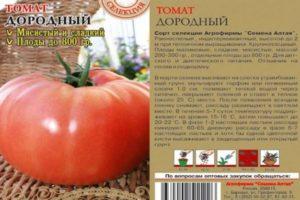
The bush height is 0.65 m. The variety is characterized by a stable yield of 5 kg/m². The plant ripens early (110 days). The fruits are raspberry-colored, delicious, and versatile, with an average weight of 70 to 100 g.
Orange with a spout
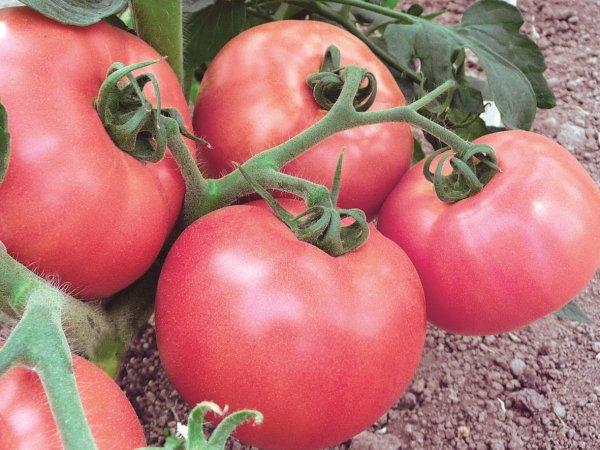
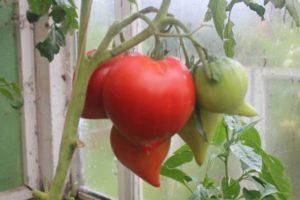
A versatile, early-ripening (100 days) tomato. Low-growing (60 cm) bushes are covered with distinctive orange, pointed fruits. The average fruit weighs 70 g. Despite its early ripening, the flavor is good. This variety is used for preserves. The NEPAS series also includes another orange-fruited variety, Serdtsevidny. It is also early (100-105 days), medium-fruited (60 g), and versatile.
Pink
A large-fruited, early variety for greenhouses and open ground. Low-growing (60 cm) determinate bushes produce large (150 g) pink tomatoes with fleshy flesh. The fruit's characteristics (firm skin, dense flesh) make them suitable for preserves.
Plum-shaped (NEPAS 13)
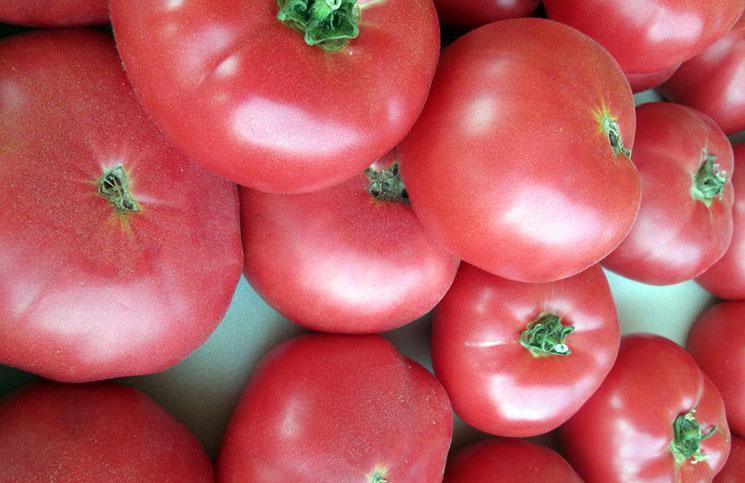
The bush is standard, determinate, and requires no pinching or staking. The variety is suitable for propagation without seedlings. Seeds can be sown directly into the garden bed. This plum-shaped tomato is weather-resistant. It produces plum-shaped, light-red fruits weighing up to 90 g. They are eaten fresh and used in all types of preserves.
Supermodel
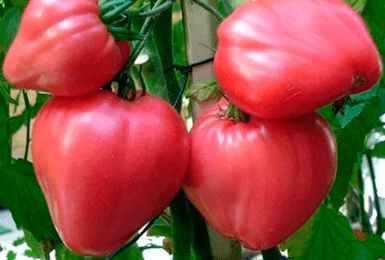
A variety for open ground in temperate climates. Bushes grow up to 80 cm tall. Determinate type. Side shoots do not need to be removed. Harvest occurs in 90-100 days. It has good immunity and is resistant to fungal infections. The fruits are unique, pink, heart-shaped, and slightly elongated. Fruit length ranges from 9 to 10 cm, weighing 150 g.
Cylindrical
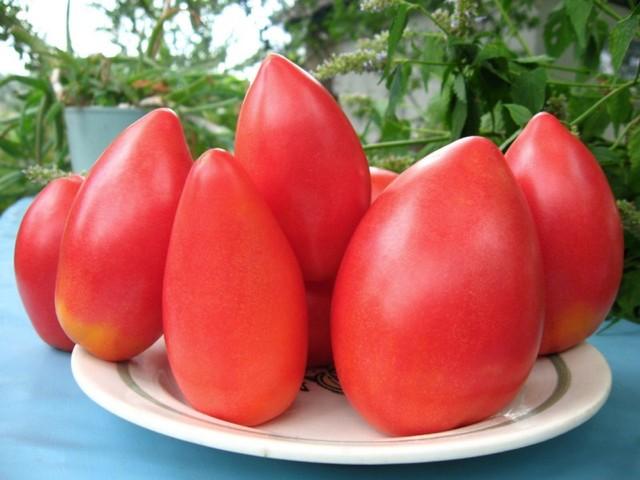
A variety from the "Non-Side-Child Tomatoes" series. It produces consistently high yields. The fruits are cream-shaped and red. Their tough skin makes them excellent for pickling. They do not crack during cooking. The tomatoes are medium-sized (100 g). Fertilization is necessary for a full harvest.
Miracle of Siberia
A commercial variety grown outdoors. It's ideal for gardeners in temperate climates. The bush grows to 70 cm tall. The fruits are flat-round, red, and sweet. The flesh is plump and juicy. Miracle of Russia tomatoes are excellent for pickling, marinating, and fresh. They produce high-quality juice. Disease resistance is average; preventative treatments are necessary.
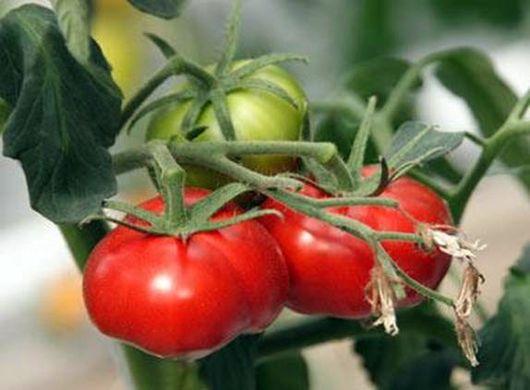
Amber
The fruits are amber-yellow in color and have a distinctive flavor. This variety is characterized by prolonged fruiting, lasting until late summer. The fruits are small (80-100 g), making them easy to store in jars for canning.
Sugar
A standard plant up to 80 cm tall. The bushes produce a moderate number of side shoots. These can be partially pinched to increase fruit size. This is a mid-early (95-105 days) and high-yielding variety. The fruits are red, tasty, with firm flesh, and ripen evenly. An average tomato weighs 80-100 g. Weather conditions have little effect on yield. This tomato is suitable for all purposes.
Features of cultivation
Most varieties are grown from seedlings. Some can be sown directly into a hole. Seedlings are planted in late March to early April.
Bedding
Planting in open ground varies by region. Under plastic covers, in early to mid-May; in greenhouses, from mid-April. When planting, follow a 30 x 50 cm spacing. By the time of transplanting, the seedlings should have developed 5 to 6 leaves.

Watering
Water the roots in the evening or early morning. In hot weather, protected-ground tomatoes are watered every three days. Outdoor tomatoes are watered based on the weather and soil moisture.
Fertilizers
Root and foliar feeding have a positive effect on the yield of tomatoes that don't require side shoots and prolong fruiting. The following fertilizers are used for feeding:
- organic (infusions of mullein, herbs, ash);
- mineral (superphosphate, urea, potassium nitrate);
- complex.

Diseases and pests
NEPAS series varieties are resistant to traditional diseases of nightshade cropsThey have strong immunity to late blight pathogens and bacterial infections. This immunity is not affected by weather conditions.
Harvesting, storage
The fruits are harvested when ripe, brown, and in the milky stage. They are stored depending on their volume:
- in the refrigerator (bag, jar, container);
- in plastic containers in a barn, cellar.
Experienced gardeners' reviews of tomatoes for the lazy
Tatyana, 43, Nizhny Tagil: "I discovered the NEPAS series from SeDek two years ago. I planted the Orange Heart-Shaped variety. I'm happy with it. The tomatoes are delicious and ripen early. Maintenance was limited to watering."
Olga, 34, Uglich: "I grew orange-nosed tomatoes in a greenhouse, but they turned out round. I wasn't disappointed. The harvest was good, and the tomatoes were delicious. I'll plant them in the garden next year."
Svetlana, 60, Kostroma: "I'm planting pink NEPAS. The seedlings are strong and take root quickly. The tomatoes are large and have a good flavor."
Related posts:
 Description of the most productive and sweet varieties of non-stepsoning tomatoes Nepas
 Description of the best varieties of black tomatoes for open ground and greenhouses
 Description of the best Dutch tomato varieties for greenhouses and open ground
 Description and characteristics of the sweetest tomato varieties for greenhouses and open ground
 The best grape varieties for growing in the Urals, planting and care rules in summer
 Description of blight-resistant tomato varieties for open ground and greenhouses
 Description of the best tomato varieties for Udmurtia for open ground and greenhouses
 Description of the best tomato varieties for open ground and greenhouses in the Krasnodar region