
- Growing cherry tomatoes on a windowsill
- Optimal humidity
- How to choose lighting for a rich harvest
- Features of reproduction
- Which varieties should I choose for home growing?
- Ornamental varieties
- High-yielding varieties for fresh consumption and canning
- Lycopa F1
- Maxik F1
- Kira F1
- How to grow tomatoes on a windowsill
- Soil preparation
- Choosing a pot
- Growing seedlings
- Picking seedlings
- How to care for cherry tomatoes at home
- Fertilizers for indoor tomatoes
- Pinching out stepsons
- Pollination
- Loosening
- Shaping and pruning
- Prevention of diseases and pests
- Harvesting
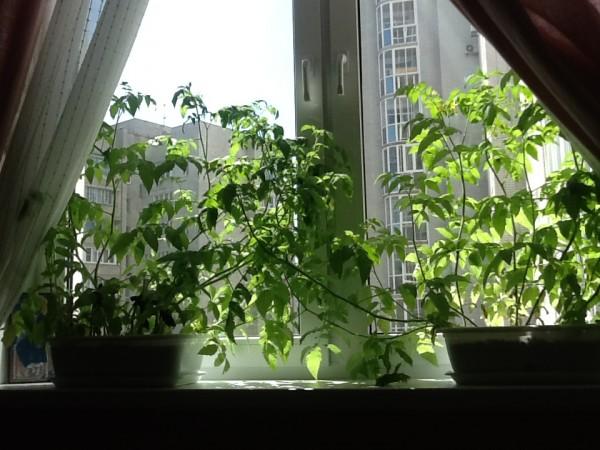
In winter, the human body needs vitamins even more than in summer. Vegetable gardeners easily bring their vegetable gardens indoors and grow vegetables indoors. Cherry tomatoes thrive on the windowsill. It's important to choose the right variety and create optimal conditions for the plants' growth and development.
Growing cherry tomatoes on a windowsill
Before planting tomatoes at home, you should familiarize yourself with some features:
- Choosing the right location. Plants need sunlight, preferably as much as possible. Therefore, the windowsill should be on the sunny side.
- Choosing a growing container. Use cylindrical pots. The root system thrives better in them than in square or rectangular containers.
- Supplementary lighting is essential. Plants require up to 14 hours of sunlight for normal development and fruiting. If this is insufficient, special lamps are installed.
- Tomatoes are cared for on the windowsill in the same way as in the garden. They are watered, side-sonned, loosened, and fertilized.
- It is preferable to grow any variety of tomatoes using seedlings.
If you have experience growing tomatoes, planting cherry tomatoes on a windowsill will not cause any difficulties.
Optimal humidity
Plants thrive when provided with the right conditions. The ideal temperature for tomatoes is 18–28°C.On sunny days, spray the bushes with room-temperature water. This helps maintain the necessary humidity.
If the room is hot, vegetable growers recommend ventilating the room. Cherry tomatoes love fresh air.
Water tomatoes on the windowsill infrequently, but thoroughly. Don't overwater, as this will cause the root system to rot and the plants to die.
How to choose lighting for a rich harvest
If plants begin to stretch and the stems turn pale, this is a sign of insufficient light. To establish a garden at home, you need to choose the right location. A sunny balcony or windowsill that receives most of the day's sunlight is ideal.
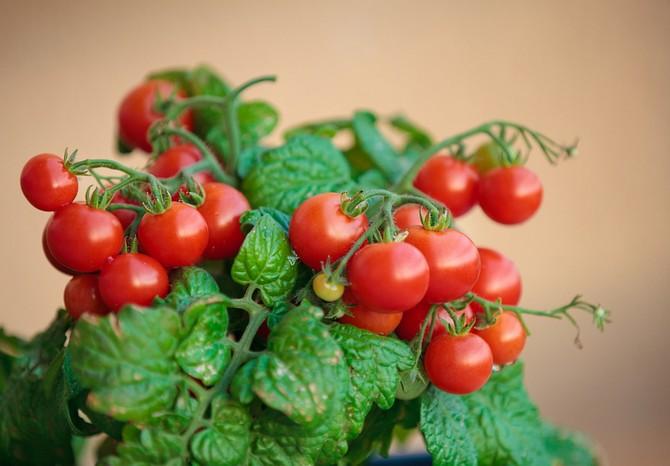
If necessary, special lamps are hung over the tomato pots to provide light when sunlight is insufficient. These lamps are available at specialty stores.
Features of reproduction
Cherry tomatoes propagate by seeds and side shoots. Vegetable growers strive to acquire high-quality planting material. If possible, they collect their own seeds.Hybrid varieties do not produce seeds that fully replicate the quality characteristics of their parents. Therefore, planting material is collected only from varietal tomatoes.
The trimmed side shoots are rooted in water with a rooting stimulant. Roots will appear in approximately 7-10 days. After this, each side shoot is planted in a separate container and placed on a bright windowsill.
Which varieties should I choose for home growing?
In any endeavor, choosing the right variety is crucial. The wide variety of cherry tomatoes allows you to choose one that meets your needs.
Ornamental varieties
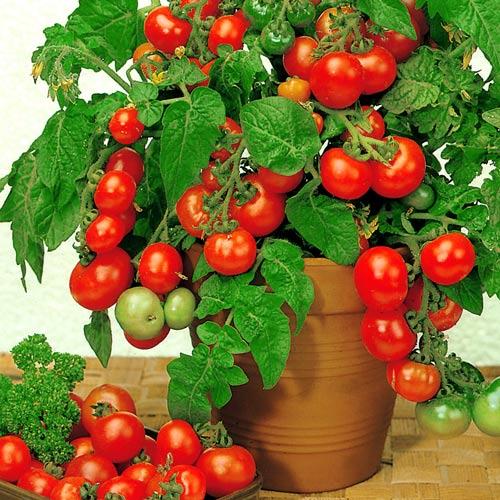
These varieties make a beautiful addition to a windowsill. Tomato lovers get a double benefit: tasty and healthy fruits and a beautiful addition to a balcony or windowsill.
- The tall "Vine" tomato is suitable for growing in a heated balcony. The red tomatoes are borne in clusters.
- Cherry tomato, tall. A single cluster contains up to 40 red tomatoes.
- Pearl, an ornamental variety for growing on a windowsill. The fruits are pink.
- Golden Bunch produces well indoors. The fruits are orange.
- Rowan beads make a great window sill decoration. The tomatoes weigh 25g and are red.
The selection of varieties is so diverse that any vegetable grower can choose the perfect shade of fruit and the taste of ripe vegetables.
High-yielding varieties for fresh consumption and canning
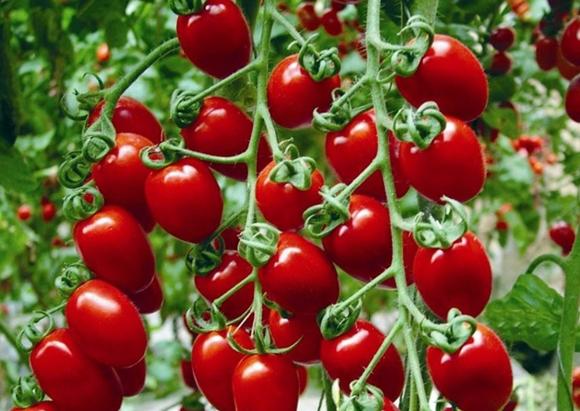
For homemakers without a garden, breeders have developed varieties that take up little space and produce abundant harvests. Ripe fruits are used for fresh eating or canning.
Lycopa F1
An early tomato variety, reaching 2 meters in height. These tomatoes are resistant to some diseases common to this crop. A single plant produces up to 5 kg of fruit. The tomatoes are cherry-shaped, red, and grow in clusters or trusses. Lycopa is a hybrid that is easy to care for, responds well to fertilizing, and produces fruit for a long time with proper care.
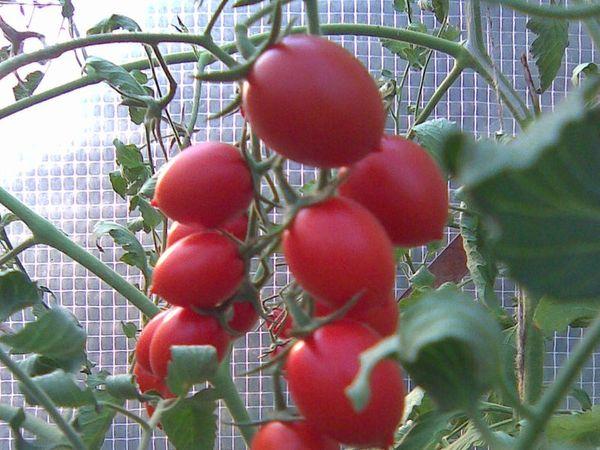
Maxik F1
The bushes grow very compact. The plants require virtually no shaping and require minimal care. The fruits are red and round. The flavor is sweet with a slight tartness. Due to their high density and durable skin, they are used for canning.
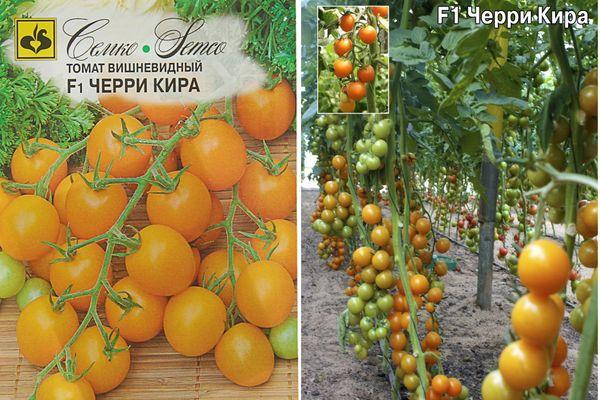
Kira F1
The fruits are small, orange, and round, borne in clusters. They have a sweet, fruity flavor. The yield is high, and the fruits are suitable for a variety of uses. They are easy to care for and require shaping.
How to grow tomatoes on a windowsill
Every homemaker craves delicious, fresh tomatoes grown without chemicals or large amounts of fertilizers in the middle of winter. By carefully following the recommendations of experienced vegetable growers, you can grow a miniature garden in your apartment or home.
Soil preparation
The future harvest depends on the soil composition; the following mixture is poured into the planting container:
- 1 part turf soil;
- 1 part humus;
- 1 part peat;
- some sand and wood ash.
Mix everything thoroughly and place it in planting containers, watering it with a weak solution of potassium permanganate. Place a drainage layer on the bottom.
Choosing a pot
The container in which the tomato is grown is also important. The pot should be round and deep. Regular flower pots are suitable. If the variety is a trailing one, deep containers with a capacity of at least 5 liters are needed. Hanging containers with no sharp edges are preferable.
Growing seedlings
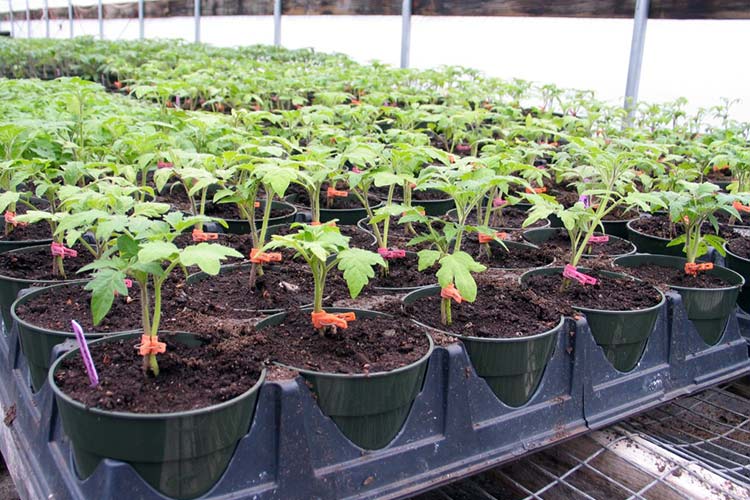
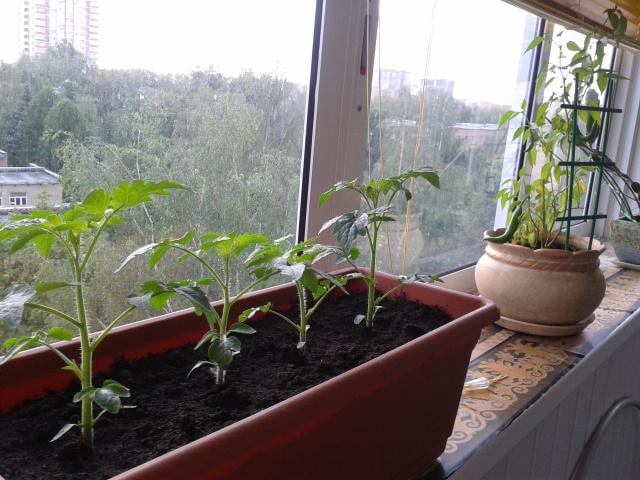
Sow tomato seeds in a large container and cover with plastic. Store in a warm, dark place. Once sprouts appear, place them on a windowsill. Initially, the newly emerged plants are misted with a spray bottle. Then, water them. After 14 days, feed them with a complete fertilizer. After watering, gently loosen the soil.
Picking seedlings
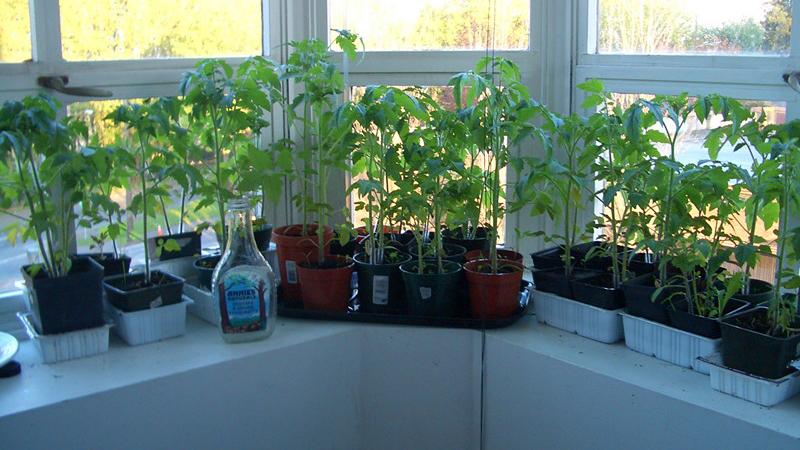
After two true leaves appear, it's recommended to plant the seedlings in separate containers. This will allow the tomatoes to develop a strong root system and a strong, healthy plant. Fill each pot with nutrient-rich soil and water. Plant one tomato plant per pot. Care for the seedlings as you would for seedlings: water, loosen the soil, and fertilize. Stake them if necessary.
How to care for cherry tomatoes at home
Growing tomatoes at home It's practically no different from the greenhouse or garden method. There are some nuances, however, since the plants are planted in winter, it's necessary to compensate for the lack of sunlight. Frequent watering is undesirable, as stagnant water will cause the tomatoes to die. If the tomatoes begin to crack, they need to be watered more frequently. If the fruits taste watery, watering should be reduced.
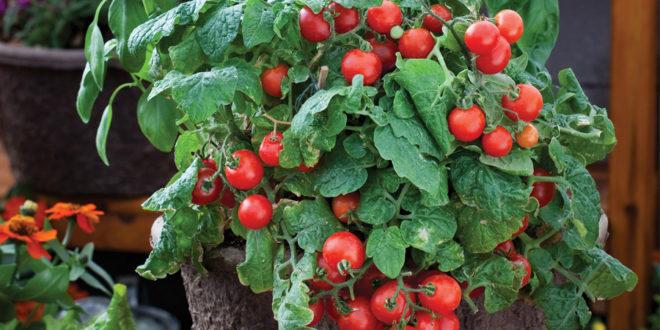
Periodically, spray the bushes with water from a spray bottle; this will help create the necessary humidity in the room and wash away unwanted neighbors, aphids, and other insects.
Fertilizers for indoor tomatoes
Don't overdo it with fertilizers. Organic fertilizers, such as chicken or cow manure, are best, diluted at a ratio of 1:15 (chicken) or 1:10 (cow). For best results, alternate organic fertilizers with mineral fertilizers. Superphosphate or nitrogen are recommended.
Don't overuse nitrogen. Plants with too much of this mineral will produce foliage, but fruit production will decrease, and the fruits will become smaller.Use complex fertilizers, which are available in specialized stores. Fertilizing should be done no more than twice a month. This will ensure the fruits are safe for humans.
Pinching out stepsons
This is a mandatory process for some cherry tomato varieties. When purchasing a variety, pay attention to the manufacturer's description. They always specify whether or not to remove side shoots. Tall varieties should be trimmed by removing the growing tip. Some varieties are recommended to be grown in single, double, or triple stems, depending on the specific plant structure. Some varieties require no pruning at all, and don't even need support.

Pollination
Since there's no one to handle pollination in the apartment, you have to do the process yourself. Vegetable growers have several methods of manual pollination at their disposal:
- From time to time after the flowers emerge, the plants are gently shaken. This allows pollen from one flower to fall onto the next, resulting in pollination.
- Take a brush and, being careful not to damage the flowers, carefully collect the pollen from them and transfer it to another flower. This process is longer, but highly effective.
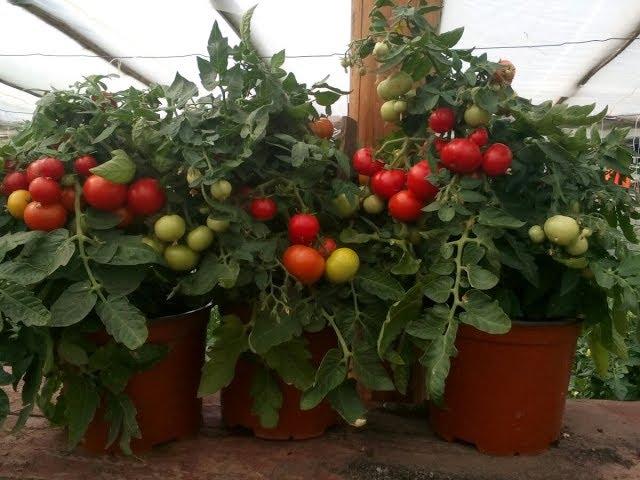
Nowadays, breeders are developing varieties that do not require pollination.
Loosening
To ensure oxygen reaches the roots, it's advisable to loosen the soil after each watering. This will help retain moisture longer and prevent the plant from drying out.
Shaping and pruning
Without pruning, cherry tomato plants yield a small harvest, and the fruits become smaller. Pruning side shoots is essential. They are also used for propagation. The pruned parts of the plant are placed in water with rooting stimulants, and after rooting, they are planted in separate containers.
Prevention of diseases and pests
Cherry tomatoes are recommended to be treated against diseases and pests. Preventative measures against insects include ventilating the room and spraying the plants with solutions. Folk remedies or chemicals can be used. Chemicals should be applied before flowering to prevent particles of toxic substances from contaminating the ovaries and remaining in the fruit.
Cherry tomato varieties that are disease-resistant are selected. Then, if proper agricultural practices are followed, treatments may be unnecessary.
Harvesting
Indoor tomatoes should be harvested when fully ripe. Unripe fruits are tasteless and have virtually no odor.
Picking ripe tomatoes is essential, as this stimulates the ripening of new fruits and the formation of ovaries. Cherry tomatoes are eaten fresh, and some homemakers preserve them. Growing a special variety suitable for indoor planting is not difficult. The plants will reward the gardener with an excellent harvest.
Related posts:
 Growing cherry tomatoes in a greenhouse and open ground, when to plant seedlings
 Description of the best, sweetest, and most productive varieties of cherry tomatoes
 Delicious recipes for pickled cherry tomatoes for the winter, finger-licking good, with and without sterilization
 Description of the best varieties of black tomatoes for open ground and greenhouses
 8 recipes for quick-pickled cherry tomatoes with garlic and hot pepper, and storage instructions
 What varieties of tomatoes are best to plant in a polycarbonate greenhouse?
 How to grow cherry tomatoes on a balcony: suitable varieties and planting and care guidelines
 How to cook sun-dried sweet cherry tomatoes in the oven, microwave, and slow cooker