
- Cherry tomato varieties suitable for growing on a windowsill
- Low-growing balcony tomatoes
- Tall balcony tomatoes
- Necessary conditions for growing
- Air humidity and temperature
- How to choose lighting for a rich harvest
- What kind of soil should I plant cherry tomatoes in?
- How to plant cherry tomatoes indoors step by step
- When to sow seeds?
- Selecting a container
- Preparing soil and seeds
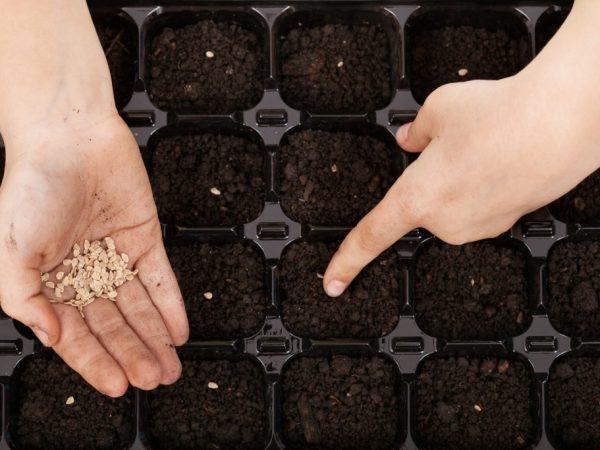
- Sowing tomatoes in pots
- Plant care rules
- Watering and fertilizing
- Pinching out the side shoots of tomatoes
- Diseases and pests
- When to harvest?
Tall tomatoes were created by breeders for growing in greenhousesThese varieties have strong roots that require a lot of soil, and long shoots that need to be tied to a trellis. Short tomatoes, which can be planted in boxes and pots, are best suited for balconies. Tomatoes are easy to grow, take up minimal space, and produce an early harvest. During the cold season, Cherry tomatoes are moved from the balcony to the windowsill into a heated room, where they continue to grow, and in winter, sweet and juicy fruits ripen, not much inferior in taste to greenhouse tomatoes.
Cherry tomato varieties suitable for growing on a windowsill
Although ornamental trees and tall shrubs are often planted to decorate the interiors of houses and apartments, breeders have succeeded in developing low-growing tomatoes that are perfect for balconies. Not every family can boast spacious rooms and loggias, but there's always room for miniature plants.
Low-growing balcony tomatoes
Early-ripening tomatoes of foreign selection are characterized by their compact size and very short fruiting period. The dwarf tomato Minibell barely reaches 40 cm in height, making it ideal for balcony planting. Three months after sprouting, the first miniature tomatoes, weighing approximately 10 g, ripen. They look stunning against a green background.
The Florida Petin tomato plant, bred in the USA, is also compact in size but has a strong, thick trunk, and its robust branches easily support the fruit. A single cluster produces up to 10 tomatoes. When ripe, each tomato weighs approximately 30 g and is characterized by:
- bright red hue;
- glossy skin;
- juicy pulp with a barely noticeable sourness.
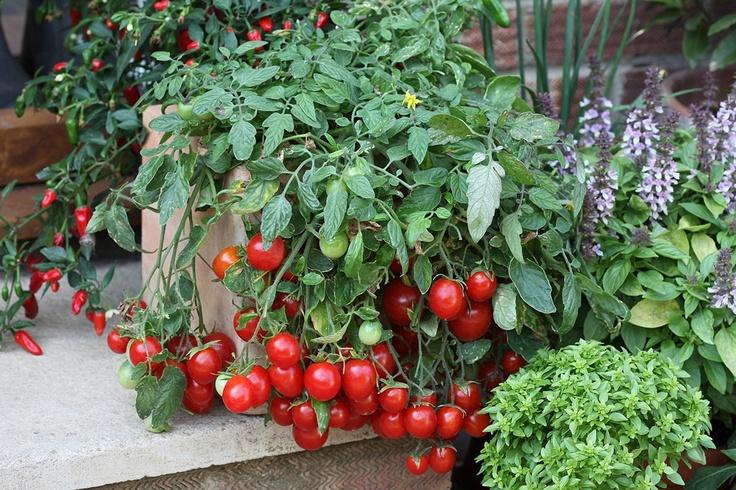
The Dutch variety Tiny Tin thrives in a flowerpot. This low-growing, standard bush is covered with dense, round tomatoes no more than 30 mm in diameter when ripe. A single plant yields up to 1 kg of rosy-brown fruits.
The Zhemchuzhinka tomato produces a rewarding harvest even without fertilizing and can withstand adverse conditions.
The inflorescence produces 5 to 7 oblong tomatoes, which change from white to pink when ripe.
Tall balcony tomatoes
Cocktail tomato varieties Butterfly and Ballerina grow well on a windowsill, but take up significantly more space than dwarf tomatoes and ripen in the middle of the season.

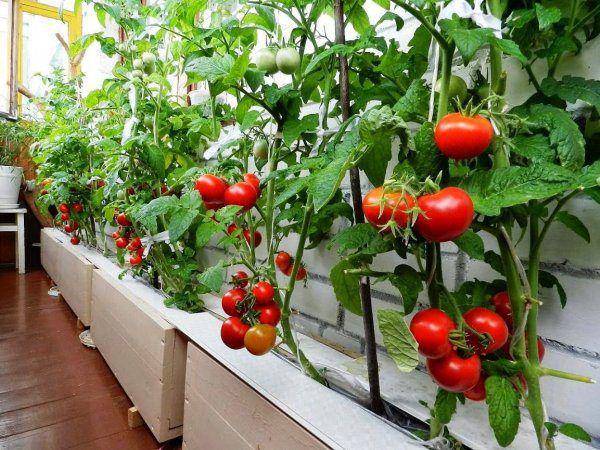
Height Tomato Butterfly About one and a half meters. The branches are extensively branched, and the fruit clusters do not droop, but rather protrude upward. Ripe, raspberry-colored tomatoes weigh about 30 grams and are rich in lycopene.
The Ballerinka variety bushes grow up to 1.8 m in height, have simple inflorescences, up to 8 tomatoes are formed on the brushes, when ripe they acquire:
- pear shape;
- weight about 50 g;
- rich pink hue.
The Romantic F1 hybrid is distinguished by good yields, and in the early stages it pleases with fruits weighing up to 55 grams and yellow-green in color.
Necessary conditions for growing
Before sowing seeds for planting on a windowsill, it is worth studying the characteristics of balcony tomatoes and choosing the optimal location for placement.
Air humidity and temperature
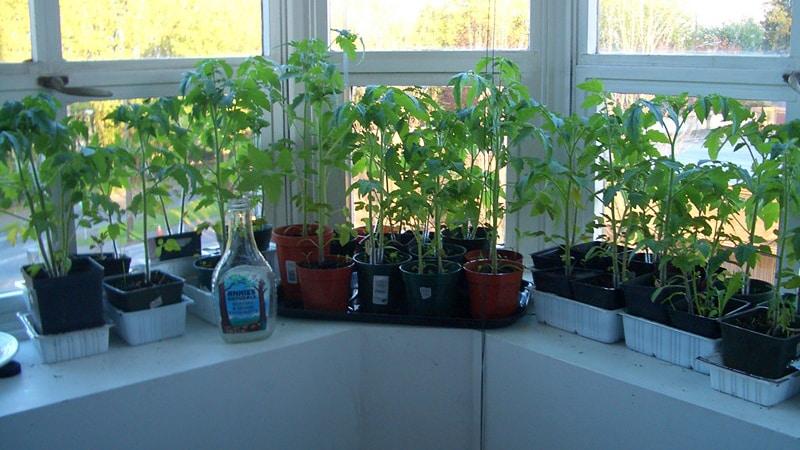
The nightshade plant, native to distant America, thrives on warmth. For balcony tomatoes to produce fruit, daytime temperatures should be between 25 and 27°C (77 and 80°F) and nighttime temperatures between 18 and 20°C (64 and 68°F). A 2 or 3 degree difference is acceptable only before flowering begins.
If cherry tomatoes are grown indoors, good ventilation and frequent airing are required.
Tomatoes do not tolerate dampness well; it is necessary to ensure that the humidity level does not exceed 65%, and that the soil where they are planted warms up to 20 °C.
How to choose lighting for a rich harvest
Balcony tomatoes respond well to direct sunlight; even with slight shading, the bushes stretch upwards and do not form ovaries.
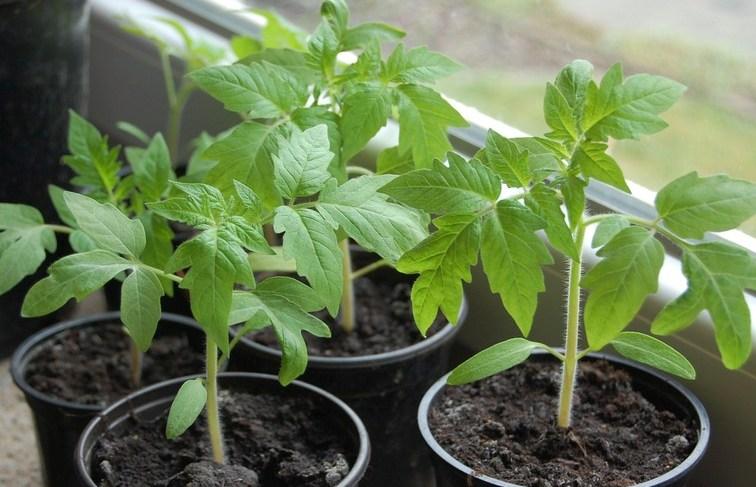 Cherry tomato containers should be placed on windows, loggias, and balconies facing south and east; don't expect fruit on the north side.
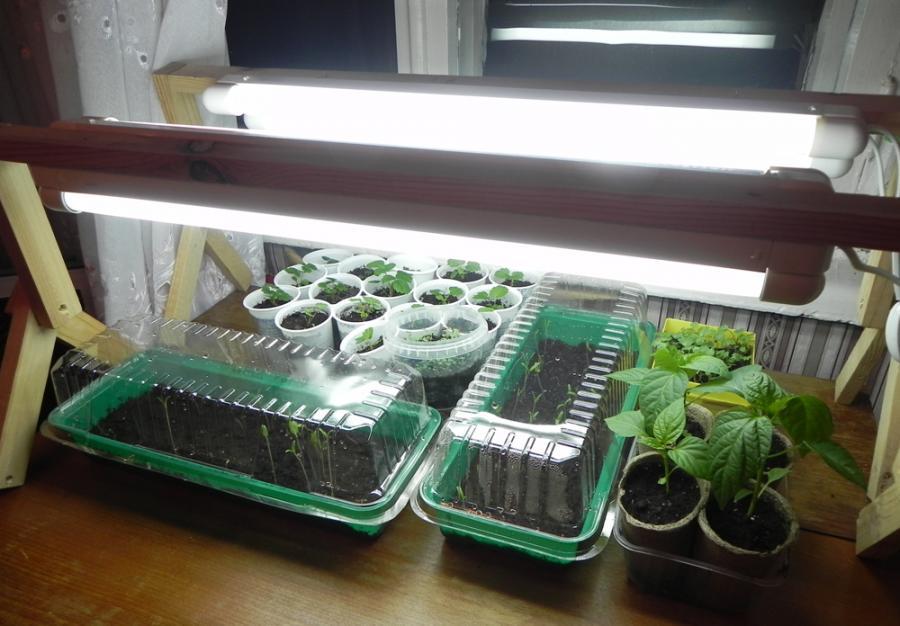
Tomatoes need bright light for more than half a day, at least 13 hours; in winter, this problem can be solved with a phytolamp.
What kind of soil should I plant cherry tomatoes in?
To grow tomatoes on a balcony, you can easily purchase potting soil at flower shops or gardening kiosks at the market. Preparing the soil is easy: mix equal amounts of:
- soil from the garden;
- peat;
- wood ash.
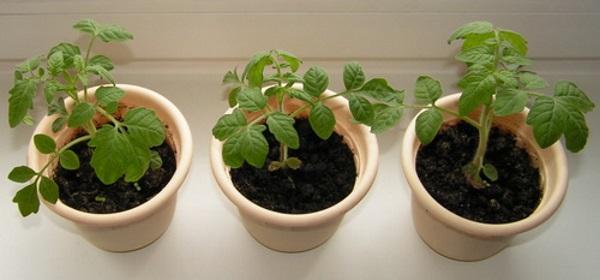
For one low-growing bush, 3 kg of soil is enough, for a tomato up to 1.8 m tall, at least 6 kg. Soil prepared at home must be steamed or disinfected with a solution of potassium permanganate.
How to plant cherry tomatoes indoors step by step
To speed up the ripening of balcony tomatoes, as well as varieties grown for greenhouses and open beds, you first need to grow seedlings.
When to sow seeds?
Tomatoes in greenhouses, fields, and garden beds are harvested only in summer and fall. Balcony tomatoes ripen in three months or even sooner, while indoor tomatoes grow even during the colder months. Cherry tomato seeds can be planted in both winter and spring, and to ensure tomatoes are ripe by the New Year holidays, sowing begins in early fall.
Take a look Also
Selecting a container
The pot for planting tomatoes should be spacious. Expanded clay and sand should be placed on the bottom. Without a drainage layer, the plant's roots will rot, as they cannot tolerate stagnant water.
Preparing soil and seeds
Fill the container with nutritious soil. You can disinfect it using any method, but boiling water is best. Add 15 grams of urea, potassium salt, and 30% superphosphate per 10 kg of substrate. Tomatoes grow well in loose soil. Dip the seeds in a potassium permanganate solution to improve their germination.
Sowing tomatoes in pots
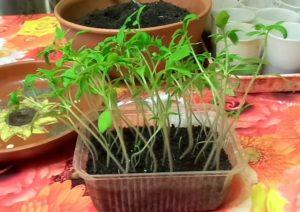
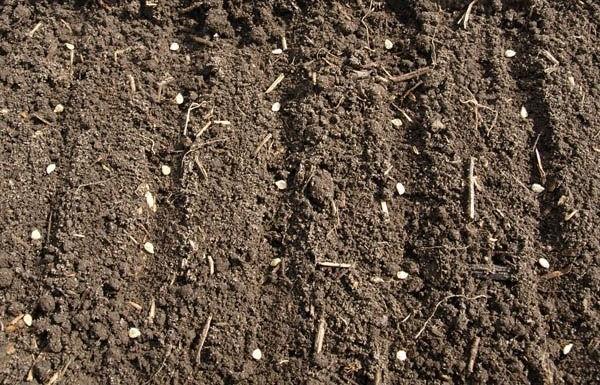
The treated seedlings are placed in wet cheesecloth or cloth. When the sprouts emerge, the seeds are placed in small boxes or cups. The containers are covered with plastic wrap, periodically removing it to allow for watering and ventilation. Planting is done at a depth of about 1 cm.
When sprouts appear, the temperature is reduced by a few degrees, and the box or cups with the seedlings are placed on a windowsill next to the glass. Every 10-14 days, the tomato seedlings are fed with ash or a urea solution, prepared at a rate of 1 g per liter of water, and the soil is always moistened.
Bushes growing in boxes are pricked out when at least two leaves have formed. Before planting them in their permanent location, they are hardened off by taking them outside.
Plant care rules
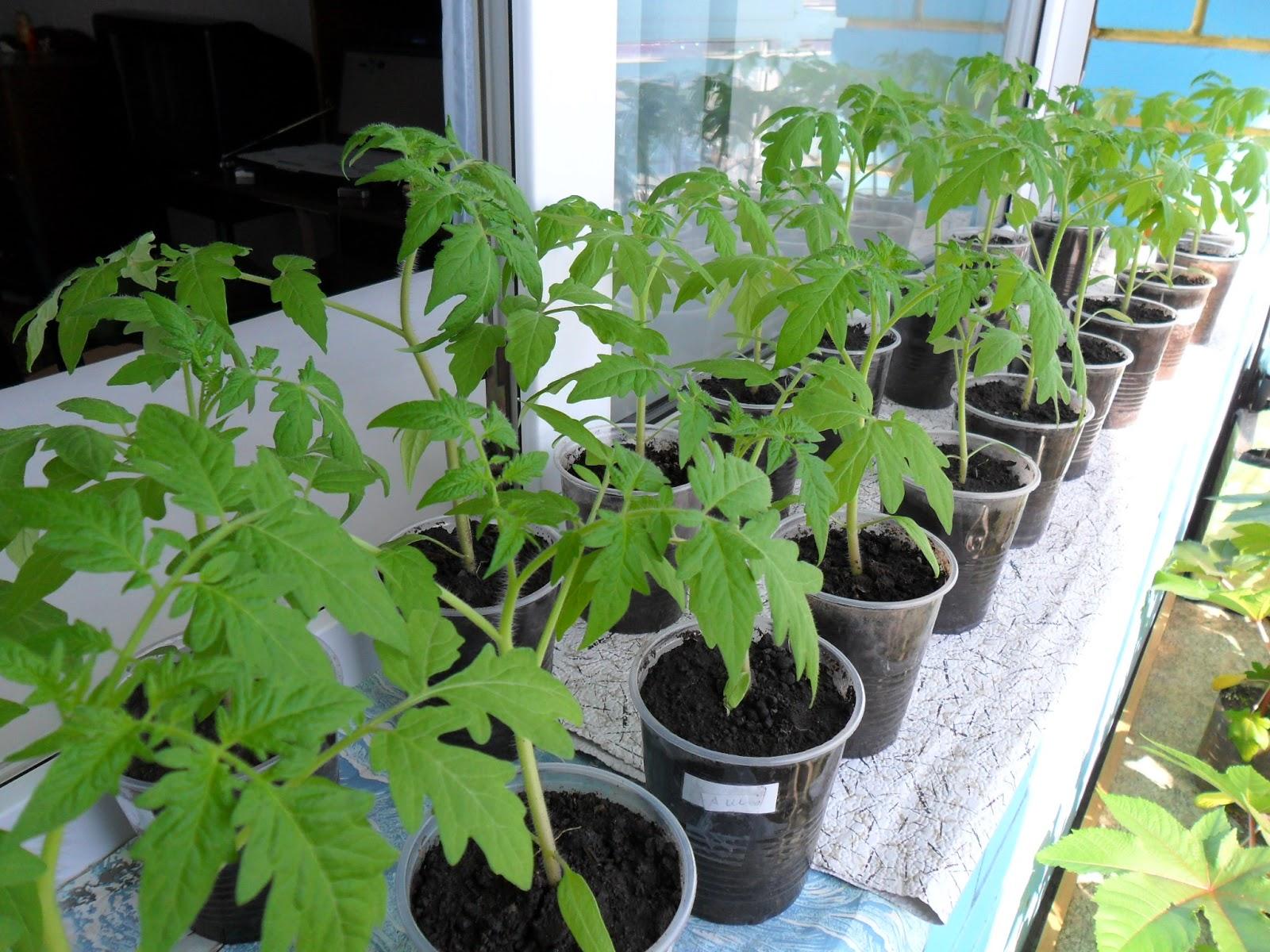
Caring for miniature and tall balcony tomatoes is easy. After transplanting, the plants take about ten days to adjust to the new conditions and then begin to grow. To ensure cherry tomatoes survive and produce fruit, care should include:
- maintaining optimal temperature;
- maintaining humidity levels;
- providing access to fresh air.
Pots with plants are placed on stands or hung in planters. Balcony cherry tomatoes tolerate drafts well.
Watering and fertilizing
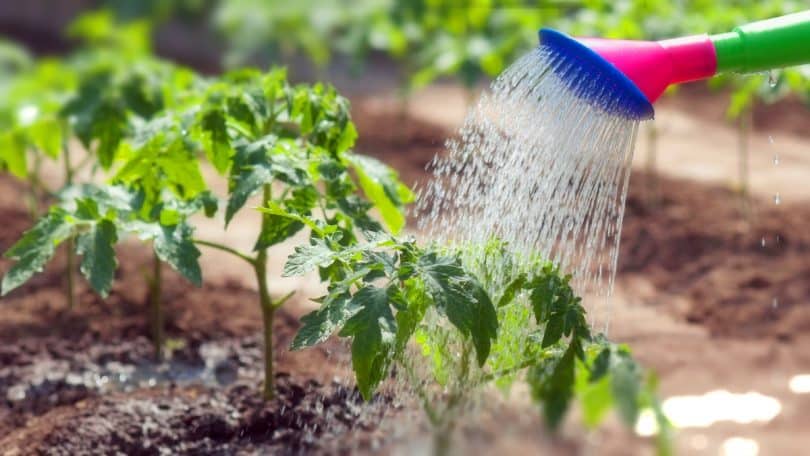
Tomatoes tolerate heat and are drought-resistant, but if the soil dries out, flowers fall off and ovaries fall off. As fruit sets, watering requirements increase; water the plants in the morning every three days. To reduce water evaporation, loosen the soil around the tomato plants and hill them up.
Every two weeks, tomatoes are fed with mineral fertilizers. Before fruit set, add 50 grams of potassium chloride, 60 grams of superphosphate, and 3 teaspoons of ammonium nitrate to 10 liters of water and water the pot. During the ripening period, it's best to use a ready-made tomato fertilizer; prepare the solution according to the instructions.

Pinching out the side shoots of tomatoes
Low-growing balcony cherry tomatoes are left with two or three shoots, while cocktail varieties are trained to a single stem. The shoots of tall tomatoes are very fragile and are secured to a trellis or stakes. Dwarf tomatoes do not require staking. Trailing cherry tomatoes are placed in pots, from which the shoots hang attractively.
When 6 brushes appear on tall bushes, be sure to pinch the upper growth point and remove the side shoots.
Diseases and pests
Balcony tomatoes are not immune to bacterial infections and are susceptible to fungi that cause late blight. Brown rot spreads very quickly and can lead to the death of the plant. Other diseases also pose a threat to cherry tomatoes:
- Dampness and excess nitrogen promote the development of phoma. Ripe and green tomatoes become spotted and rot.
- Stems and leaves wilt as anthracnose develops.
- Blackleg plagues seedlings. The root collars of the bushes become thinner, and they die.
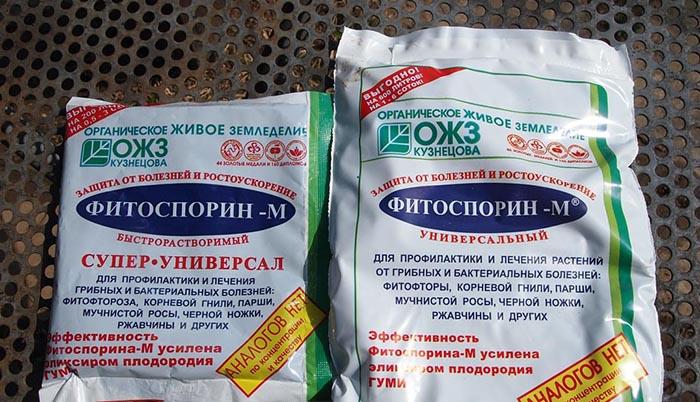
Frequent and excessive watering can cause the skin of the fruit to crack, the tomatoes to change color, and they become underweight when ripe. These diseases are controlled with fungicides such as Barrier, Gamair, and Ecogel.
Even though my tomatoes grow on the balcony, pests still find them there. Spider mites nest on the undersides of the leaves and suck out the juices. You can control the pest by spraying the bushes with Fitoverm, an infusion of onion peels.
The plant attracts whiteflies. These microscopic, four-winged insects feed on the sap of tomato fruits and leaves. Treating the plant with the insecticide "Mospilan" helps get rid of the pest.
When to harvest?
Balcony cherry tomatoes don't need to be planted every spring. The bush will bear fruit for several years. Tomatoes are picked when slightly underripe, which stimulates new ovary formation. Early varieties ripen three months after germination. If these tomatoes are planted in the fall, the fruits are harvested in the spring. A good harvest is achieved on the balcony for the first two to three years.
Related posts:
 Growing cherry tomatoes in a greenhouse and open ground, when to plant seedlings
 Description of the best, sweetest, and most productive varieties of cherry tomatoes
 Description of the best varieties of black tomatoes for open ground and greenhouses
 How to plant and grow cherry tomatoes from seeds on a windowsill at home in a pot
 8 recipes for quick-pickled cherry tomatoes with garlic and hot pepper, and storage instructions
 Delicious recipes for pickled cherry tomatoes for the winter, finger-licking good, with and without sterilization
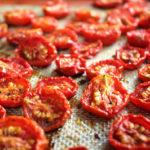 How to cook sun-dried sweet cherry tomatoes in the oven, microwave, and slow cooker
 How to prepare cherry tomatoes in their own juice for the winter using finger-licking recipes