
- Features of high-yielding varieties
- The best indeterminate varieties
- Alena Minusinskaya
- Alyosha Popovich
- Alice
- One hundred poods
- Sugar Bison
- Azorean Red Neves
- Pink accordion
- De Barao
- Amana Orange
- Abakan pink
- De Barao the Giant
- De Barao Tsarsky
- Cio-chio-san
- Azoyushka
- Academician Sakharov
- Absinthe
- Adjutant
- Wild Rose
- The mystery of nature
- Wonder of the Earth
- Casanova
- Cossack woman
- Königsberg
- Talker
- Mahitos
- Abruzzo
- Alexander the Great
- Almeida
- Altai pink
- Varieties of tall tomatoes for greenhouses based on different characteristics
- The most fruitful
- Dutch varieties
- Siberian selection
- Varieties of pink tomatoes
- For pickling
- Disease resistant
- Early (early ripening) varieties
- Growing indeterminate tomatoes indoors
- When to plant
- Soil preparation
- Planting diagram
- Further care
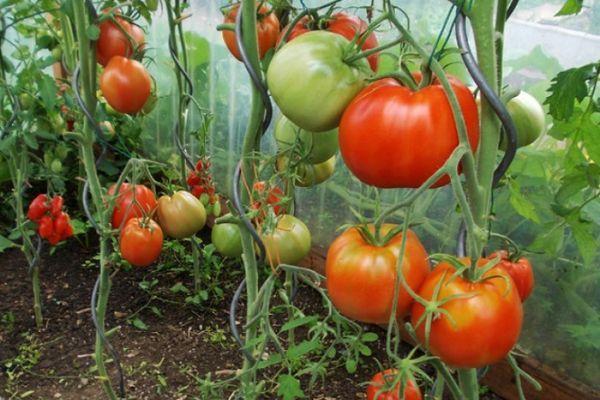
Numerous indeterminate tomato varieties are suitable for greenhouses. These varieties are distinguished by their stems continuing to grow throughout the growing season and can reach heights of up to 4.5 meters. All varieties are characterized by abundant harvests and tall growth habits. The fruits of these tomato varieties ripen at different times, ensuring fresh vegetables will be available for a long time.
Features of high-yielding varieties
Indeterminate tomato varieties are characterized by a tall central stem, so it is essential to provide support for tying. Over the entire growing season, tomatoes can grow up to 4-6 meters.
A single plant can produce up to 11 tomato clusters, ensuring a bountiful harvest. The tomatoes ripen later than determinate varieties.
Indeterminate tomato varieties grow best in a greenhouse. Made of polycarbonate, this creates optimal conditions for them, extending the growing season.
The best indeterminate varieties
To determine the best tall tomato variety, it is necessary to study the characteristics of the most famous and popular ones.
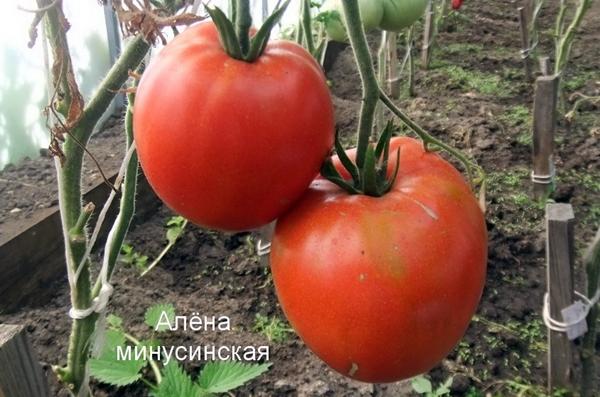
Alena Minusinskaya
This variety produces large-sized fruits with a medium ripening period. The tomatoes grow in abundance. The bush grows up to 2 meters tall. The bright red, rounded tomatoes weigh 430 g. The flesh is firm and juicy.
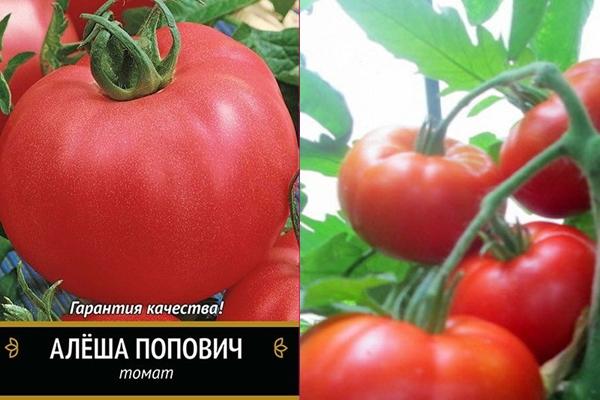
Alyosha Popovich
This mid-early fruiting variety grows to a height of 2.1 meters. The fruits are round, slightly flattened, and have distinct ribbing near the stalk. Each cluster holds up to seven red tomatoes, weighing up to 210 g.
Alice
This variety is characterized by abundant yields, early germination, and low maintenance. The plant grows to over 1.9 meters tall. The bright red tomatoes are oblong, heart-shaped, and weigh 400 grams.

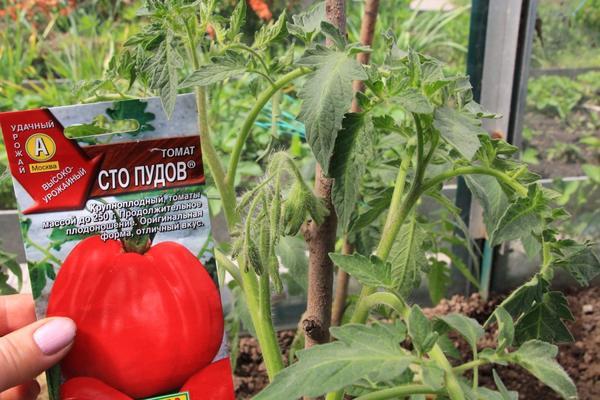
One hundred poods
This variety is tall, ripens mid-early, and produces fruit over a long period. The bush grows to a height of 1.7 meters. The red, pear-shaped fruits are heavily ribbed near the stem. They weigh up to 320 g.
Sugar Bison
The description mentions a medium ripening time for a bountiful harvest and a tall growth rate, reaching 1.9 meters. The heart-shaped, slightly oblong, pink-raspberry fruits weigh up to 320 g, with slight ribbing near the stem.
Azorean Red Neves
Tomatoes of this variety ripen late and produce fruit for a long time. The bushes grow up to 2.1 meters tall and require sturdy support. The large, deep-red, round fruits weigh 550 g.

Pink accordion
The plant has a medium ripening range for tomatoes. The fruits develop over a long period. The stems reach 2.6 meters in height. The light-red, round fruits weigh 440 g and have a heavily ribbed surface.
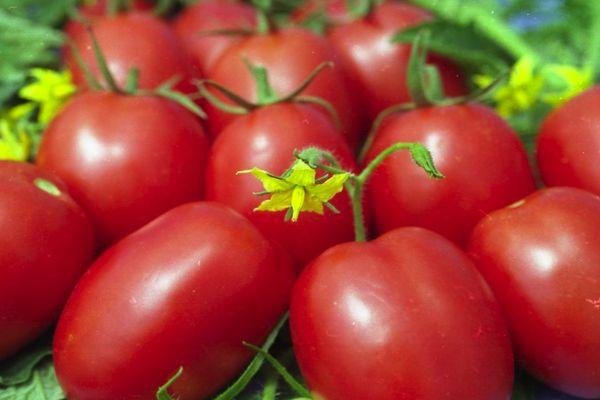
De Barao
The plant is tall, with a sturdy stem growing up to 4 meters. A single bush produces up to 15 clusters. Fruit formation takes a long time, with late ripening. The variety is characterized by strong immunity. The oblong fruits weigh 80 g.
Amana Orange
This variety is suitable for growing indoors. Its robust stem grows up to 2.3 meters in length. The large fruits turn lemon-orange when ripe. They are flat-round in shape and weigh up to 820 g.

Abakan pink
This vegetable variety is characterized by mid-early ripening. The bush grows over two meters tall, with compact branches. A crimson-red color indicates ripeness. The vegetables weigh approximately 420 g. The harvest is not suitable for long-term storage.
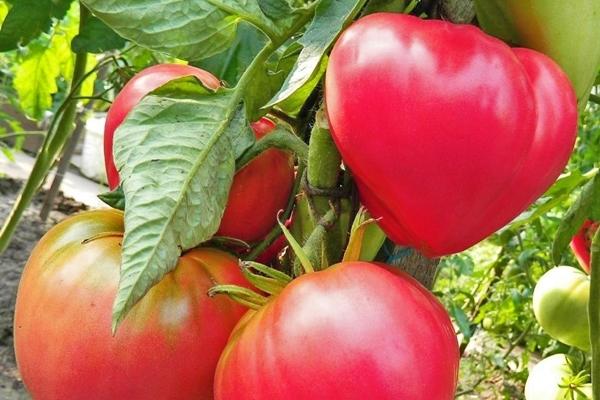
De Barao the Giant
This large-fruited variety ripens late. It takes 129 days for ripe tomatoes to appear. The plant grows up to 2.9 meters tall. The round, elongated fruits are distinguished by a distinctive beak. The tomatoes weigh up to 410 g. A green-pink spot is visible near the stalk. Each branch bears 9 red-orange tomatoes.
De Barao Tsarsky
This tomato variety is characterized by mid-season maturity and a long fruiting period. The plant grows up to 2.4 meters tall. It produces abundant crops and has a strong immune system.
Each bush produces nine clusters, each containing eight pinkish-red, oblong-round tomatoes. They weigh 180 g each. The harvested crop has a long shelf life.
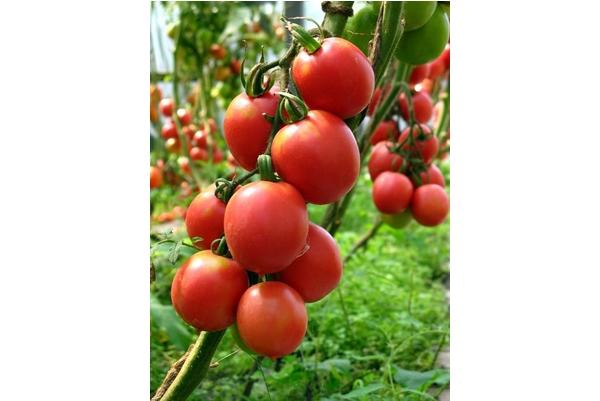
Cio-chio-san
The plant grows up to 2.1 meters tall. Ripening is mid-early, beginning after 108 days. The cultivar is highly resistant to tomato infections. A single elongated cluster produces up to 50 round, raspberry-colored fruits weighing 36 grams.
Azoyushka
An early-ripening crop. The bush grows up to 2.2 meters in height. Maximum yield is achieved when trained into two central stems. Fruiting is prolonged, and resistance to many adverse conditions is demonstrated during cultivation.
The flat-round fruits become lemon-colored as they ripen. They weigh up to 220 g.
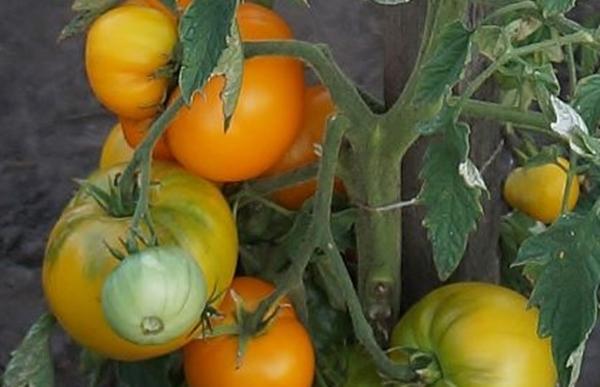
Academician Sakharov
This tall variety is characterized by its mid-early ripening and abundant harvest. The bush grows up to 2.1 meters tall, requiring strong support.
The deep red fruits are round, slightly flattened, and ribbed at the stem. Each tomato weighs approximately 320 g.
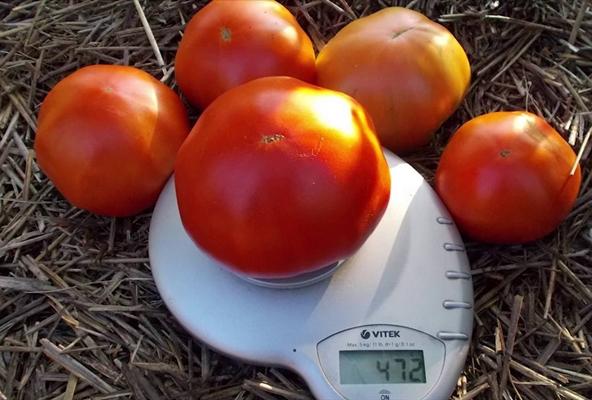
Absinthe
This mid-season plant grows up to 1.6 meters in height. It produces a bountiful harvest and boasts good disease resistance.
The round, slightly flattened fruits acquire a unique light green hue when ripe. Each vegetable weighs 360 g.
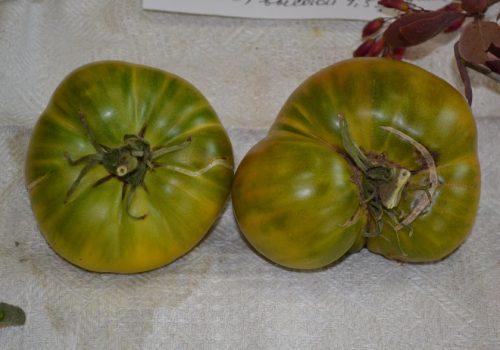
Adjutant
This variety of tomato is mid-season. Harvesting begins after 112 days. The plant grows up to 1.9 meters tall. The dark pink fruits have an unusual cylindrical, oblong shape. Each fruit weighs 110 grams.
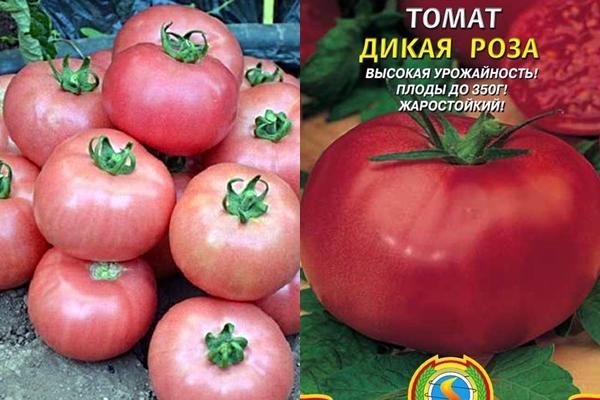
Wild Rose
This variety is characterized by its mid-early ripening period. It begins bearing fruit after 111 days. The bush grows over 2 meters tall, so it requires support.
Large, round fruits, slightly flattened at the base, weigh 350 g. Ripe tomatoes are a deep pink color. The flesh is juicy with a sweet and sour flavor.
The mystery of nature
The mid-early ripening period allows for a bountiful harvest in 109 days. The stem grows up to 1.9 meters tall. The yellow-orange fruits are round, with a red spot at the base. They weigh 420 g. When cut, the tomato resembles an exotic fruit.
Wonder of the Earth
This variety produces a bountiful harvest of large fruits and is characterized by early ripening. It begins bearing fruit in 98 days. It is resistant to many tomato diseases. The tall stem grows up to 1.9 meters. The bright pink tomatoes are rounded and weigh 820 grams.
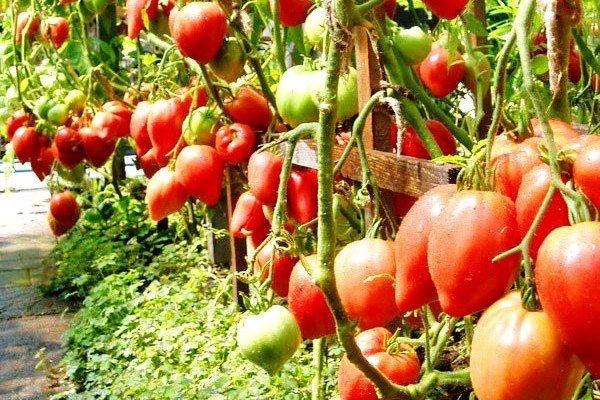
Casanova
This variety has a medium ripening period and produces abundant fruit. The plant height is 1.9 meters. The red-orange fruits are oblong, with a noticeable bifurcation at the base.
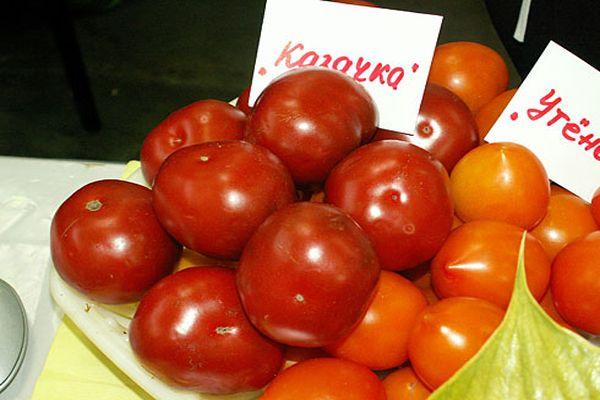
Cossack woman
A mid-late season crop. The bush's branches grow compactly, with stems reaching up to 2.1 meters in height. The tomato trusses produce round, dark cherry-colored tomatoes. Each tomato weighs 45 grams.
Königsberg
This tomato plant, with numerous clusters, grows up to 2.4 meters tall. Each branch bears up to 9 fruits. This variety belongs to the group of plants with a medium ripening period. Harvesting of the abundant crop begins after 111 days. During cultivation, it exhibits high resistance to pests and diseases.
The large fruits are oblong with a long tip and bright red in color. Some tomatoes weigh up to 750 g.
Talker
This hybrid is characterized by a mid-late ripening period and abundant harvest. The tomato plant grows up to 2.2 meters tall. It is resistant to common tomato diseases. The flat-round, bright red fruits weigh 370 g.
Mahitos
The plant can reach a height of 2.3 meters. The hybrid is characterized by medium ripening times. Harvesting begins after 106 days. The fruits are round, slightly flattened at the base, weighing 225 g. They turn red as they ripen.
Abruzzo
This variety produces early-ripening tomatoes. The bush grows up to 2.1 meters tall. The abundant harvest is distinguished by its quality and excellent taste.
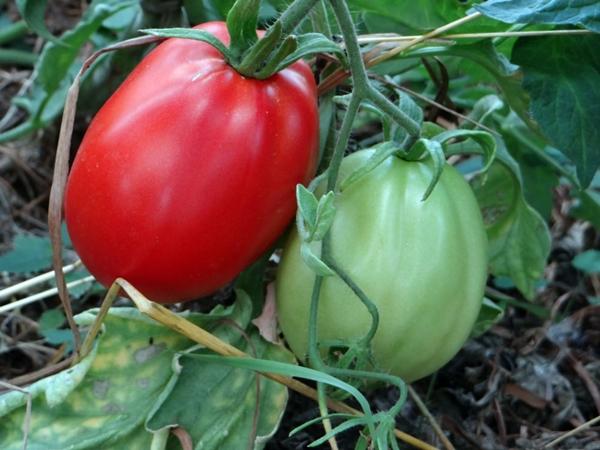
The fruits are characterized by an unusual pear-shaped form with ribbed stems. As they ripen, the tomatoes begin to turn a deep red. They weigh approximately 320 g.
Alexander the Great
This variety is characterized by medium ripening times and large-sized fruits. The period before entering the fruiting phase lasts 114 days. The tomato bush grows to a height of 2 meters.
The fruits are round, slightly flattened, bright red, and firm to the touch. Each tomato weighs up to 410 g.
Almeida
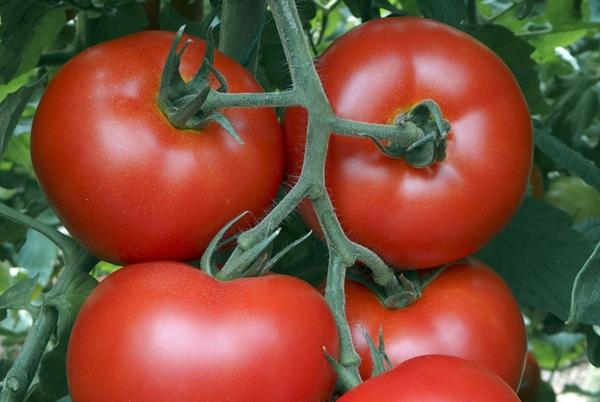
The hybrid's description notes the average ripening range of the fruit. The plant is large, with a central stem exceeding 1.9 meters in height. The round fruits turn burgundy when ripe. They weigh 260 grams. The harvest stores well and does not crack.
Altai pink
This tomato variety produces a bountiful harvest with a mid-season ripening period. The bush is characterized by sparse foliage and grows up to 1.6 meters in height. The dark pink fruits are characterized by a flattened, round shape and ribbed stems. They weigh up to 360 g.

Varieties of tall tomatoes for greenhouses based on different characteristics
Tall tomato varieties for greenhouses differ in many ways. Before making a choice, it's important to determine the intended use of the future harvest.
The most fruitful
High-yielding varieties with indeterminate growth type include:
- Diana;
- Angel;
- Ordynka;
- Kubanochka;
- Peter the Great;
- Corleone;
- Belfast;
- Dimerose.
All these tomato varieties show the best results when grown in a greenhouse.
Dutch varieties
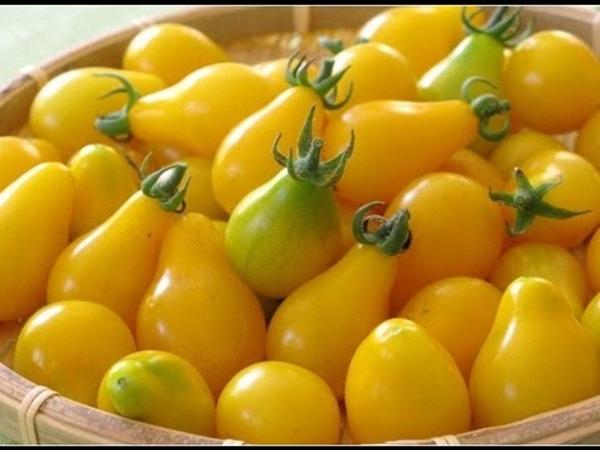
Dutch tomato varieties are known for their unique flavor and beautiful appearance. Popular Dutch varieties include:
- Yellow pear;
- President;
- Bobcat;
- Big Beef;
- San Marzano;
- Magnus;
- Pink Unicum.
All of the varieties listed above are noted for their good resistance to infections and abundant yields. The fruits are large, with a fleshy interior and a sweet flavor.
Siberian selection
Siberian tomato varieties are distinguished by their early fruiting, abundant harvests, ability to grow in the shade, cold tolerance, and resistance to pests and diseases.
The best tomato varieties of Siberian selection are:
- Pride of Siberia;
- Great warrior;
- Siberian surprise;
- Self-praise;
- Ox ear.
All of these tomato varieties are suitable for growing in regions with warm or cold climates.
Varieties of pink tomatoes
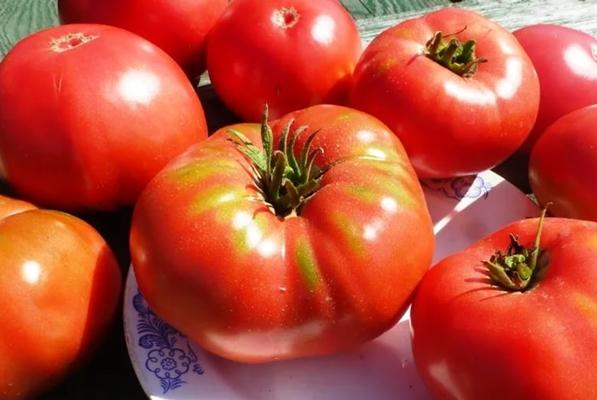
Pink tomato varieties are distinguished by their large size, fleshy interior, and sweet flavor. Popular varieties include:
- Scorpion;
- Cardinal;
- Bonaparte;
- Pink Paradise;
- Pink Pioneer;
- Esmira;
- Scarlet candles;
- Kapiya pink.
The harvest is well stored, does not crack and is suitable for long-distance transportation.
For pickling
For canning, it's best to choose varieties that produce small fruits with thick, crack-resistant skin. Consider the following tomatoes:
- Adam's apple;
- Amur cliff;
- Vernissage;
- Red pear;
- Money bag;
- Golden Canary;
- Siberian malachite;
- Intuition;
- Victory.
The simultaneous ripening of a large harvest will allow you to prepare food for the winter without much hassle.
Disease resistant
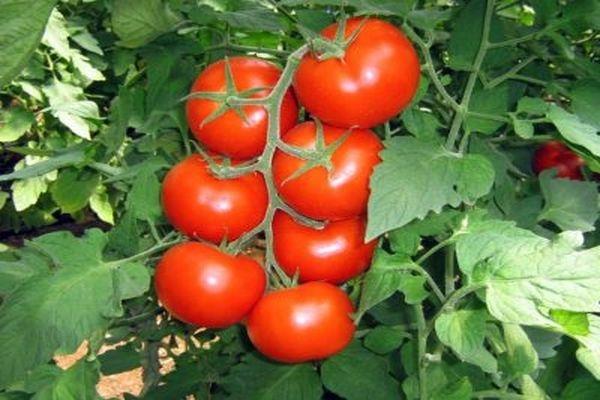
Various infections can reduce crop yield. Tomatoes are most often susceptible to late blight, root rot, and tobacco mosaic. One preventative measure is choosing varieties with high resistance to infections. Such tomatoes include:
- Bolero;
- Grapevine;
- Esmira;
- Theorem;
- Vespolino.

To reduce the risk of infection, a number of preventative measures should be taken. It's essential to disinfect the soil and greenhouse structure. Avoid sudden temperature changes and drafts. Follow planting and care guidelines.
Early (early ripening) varieties
Names of popular early varieties of the culture:
- Belfast;
- Diagram;
- Wrist strike;
- Malbec;
- Overture.
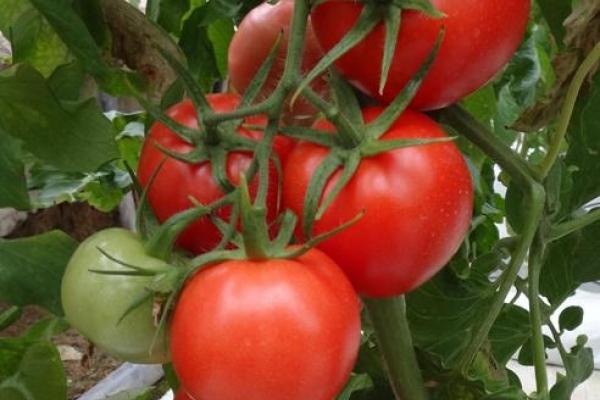
Ultra-early and early tomato varieties produce a harvest within a short period of time – no more than three months.
Growing indeterminate tomatoes indoors
Growing tall tomato varieties is more challenging than short ones. They require more careful and attentive care. The plant should be pinched, side shoots removed, and tied to a support structure in a timely manner.
When to plant
When growing indeterminate tomatoes, early planting is recommended, as flowering and fruiting occur later than in determinate varieties.
Planting times depend on the variety, the method of planting (seeds or seedlings), and weather conditions. In heated greenhouses, crops can be planted as early as late April. In polycarbonate greenhouses, planting begins no earlier than early May.
The soil should warm up to 12 degrees Celsius, while the air temperature should remain at 20 degrees Celsius for extended periods.
Soil preparation
Loamy or sandy soil with good aeration is ideal for tomatoes. Soil preparation begins in the fall:
- plant debris and weeds are removed from the area;
- remove the top layer of soil (8 cm);
- the area is disinfected with copper sulfate;
- add mineral fertilizers.
Preparatory work can also be done in the spring (March). Ten days before planting tomatoes, loosen the soil, remove weeds, and add compost.
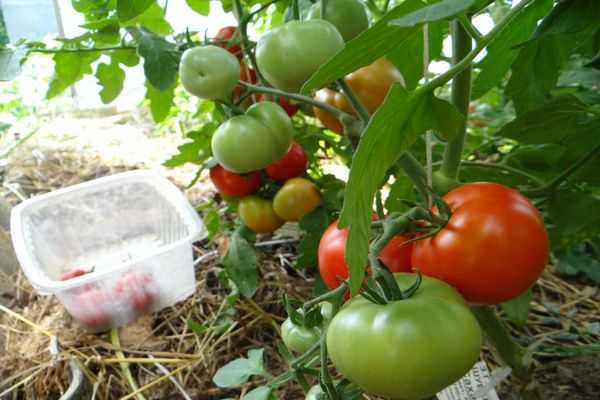
Planting diagram
Indeterminate tomato varieties grow throughout the growing season and can reach a height of over three meters.
Seeds can be sown in a staggered pattern in two rows. The spacing between plants should be 62 cm, and between rows 75 cm. Parallel planting in two rows is also possible.
Further care
The culture requires special care:
- set up the watering regime;
- add fertilizer regularly;
- loosen and weed the soil;
- treat plants against pests and diseases;
- since the tomato stem is tall, it must be tied to a support;
- large fruits also need to be supported;
- It is important to carry out pinching and shaping of the bush in a timely manner.
Throughout the growing season, remove side shoots growing in the leaf axils every 12 days. It's best to remove side shoots before they reach 6 cm in length.
If side-sonning isn't performed, the green mass will overtake the entire greenhouse. The plant will lack nutrients, air, and light. As a result, you will dream of a poor harvest and the risk of infection will increase.
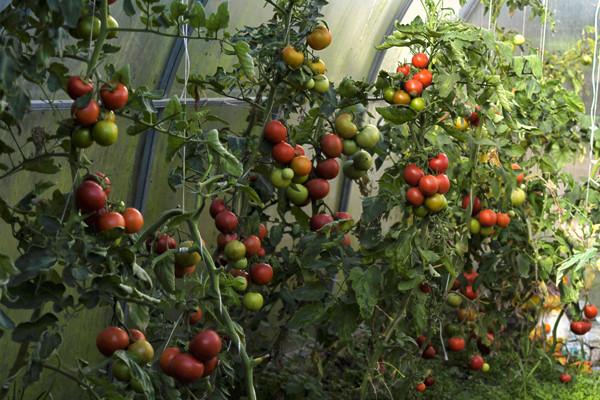
Pruning is most often done with one or two stems. All side shoots and side shoots are regularly removed, leaving a single central stem and fruiting branches.
Related posts:
 Descriptions of the 20 best cherry varieties for the Moscow region, their planting and care
 The best grape varieties for growing in the Urals, planting and care rules in summer
 What varieties of tomatoes are best to plant in a polycarbonate greenhouse?
 Description of the best varieties of black tomatoes for open ground and greenhouses
 Description of the best tomato varieties for pickling and canning
 80 Best Eggplant Varieties for Different Regions with Descriptions and Characteristics
 Description of the best pepper varieties for greenhouses and open ground in 2025
 Description and characteristics of the 45 best types of peaches, growing rules