
- History of origin
- Varieties by ripening time
- Early ripening
- Mid-season
- Late-ripening
- Review and characteristics of popular varieties
- White swan
- Redhaven
- Early Kyiv
- Morettini's favorite
- Cardinal
- Collins
- Golden Moscow
- Saturn
- Siberian
- Donskoy
- Kremlin
- Golden Jubilee
- Fury
- Frost
- Veteran
- Stavropol pink
- Vavilovskiy
- Ambassador of Peace
- Jaminat
- Irganai late
- Elberta
- Novoselkovsky
- Voronezh
- Bushy
- Nano
- Balconella
- Bonanza
- Steinberg
- Sweet cap
- Ufo
- Pissarda
- Negus
- Burgundy
- Medvedevskiy
- Fleming Fury
- Greensboro
- Harbinger
- Harrow Diamond
- Harnas
- Royal Majestic
- Inca
- Hryvnia
- Boxer
- Gloria
- Red Moscow
- Fluffy early
- Regional features
- South
- Middle zone
- Urals and Siberia
- North-Western District
- In Crimea
- Far Eastern
- Krasnodar Krai
- Kuban
- Tips and recommendations for choosing a variety
Growing the White Swan peach and other varieties requires a knowledge of various characteristics. To achieve good results, it's essential to choose the right variety based on the region's climate, soil composition, and other factors. Meanwhile, breeders are constantly developing new varieties suitable for cultivation in different regions.
History of origin
The exact origin of the crop is unknown. However, there is evidence that the Prunus davidiana Franch variety, found in northern China, is a wild form of the peach. The tree was first planted in Europe in Italy in the mid-first century.
Varieties by ripening time
There are different varieties of peaches depending on their ripening period. This allows you to choose the best variety for growing in a particular region.
Early ripening
These crops begin to yield fruit in 2-3 years. In most regions of Russia, it's best to plant zoned peaches. Early crops yield fruit in midsummer—in July and August.
Mid-season
These fruits ripen from mid-August. Harvesting continues until September. Fruiting begins in the third or fourth year.
Late-ripening
Fruiting begins in the fifth year. These plants are suitable for southern regions. Crimea is ideal for growing them.
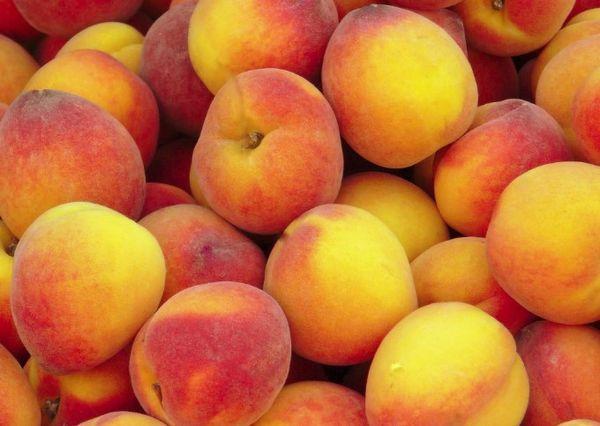
Review and characteristics of popular varieties
There are quite a lot of types of peaches, each of which has its own characteristics.
White swan
This variety was bred by Crimean scientists. The plant is easy to care for and has excellent flavor. The skin and flesh are typically white. The plant is considered self-fertile. The peaches ripen quickly. A tree can yield up to 60 kilograms of peaches. They are large, weighing 200 grams.
Redhaven
This is a very tasty variety. Its fruits received a rating of 4.9. The fruits weigh 200 grams. The pit is easily removed. Crimson veins can be seen in the pulp.
The plant begins bearing fruit in its fourth year. The tree reaches 5 meters and can withstand temperatures down to -25 degrees Celsius. Fruiting increases with age. By the 11th year, the plant produces 110 kilograms of fruit.
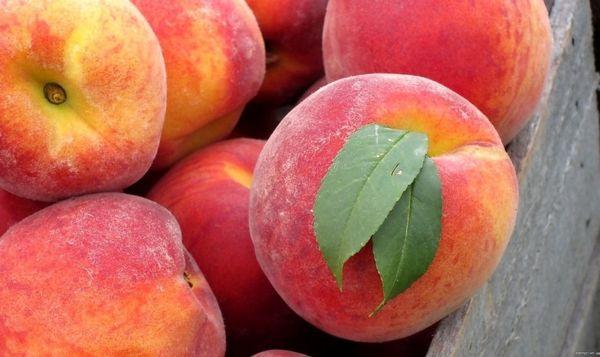
Early Kyiv
This is an industrial crop that yields fruit in just a couple of years. The tree grows to 5 meters and produces delicious fruit, each weighing 90 grams. Each plant can yield up to 60 kilograms of fruit.
Morettini's favorite
The crop produces fruit quickly. It is self-fertile and does not require pollinators. The yield is 50 kilograms. The pulp has a dessert-like flavor and is juicy. The fruits do not fall from the tree after ripening.
Cardinal
This American-bred variety grows up to 2.5 meters in height. It is considered self-fertile. The fruits are sweet and weigh 150 grams. Each tree produces 40 kilograms of fruit. It can withstand temperatures as low as -22 degrees Celsius.
Collins
This popular plant is noted for its juiciness and excellent flavor. The fruits are easy to transport and retain their flavor and appearance for 1-2 weeks after harvest. The trees do not tolerate recurrent frosts well.
Take a look Also
Golden Moscow
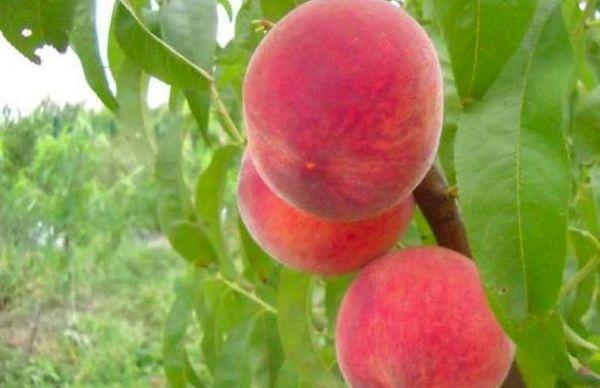
This self-fertile variety was developed by Crimean scientists. The tree grows to 3.5 meters and produces pubescent fruits. They are characterized by juicy flesh covered with a thick skin. The crop can withstand temperatures down to -28 degrees Celsius. Peaches are known for their versatility.
Saturn
This is a tall peach that belongs to the fig family. It produces a good harvest, ripening in late summer. The fruits are flattened and round. The juicy flesh is creamy.
Siberian
This tree can withstand temperatures down to -20 degrees Celsius. This high-yielding cultivar produces fruit in its third year. The peaches ripen throughout August. They are small, weighing 25-40 grams. They have a sweet flavor.
Donskoy
This frost-hardy variety can withstand temperatures down to -40 degrees Celsius. The plant is drought-resistant. Each tree produces up to 10 buckets of fruit. The plant is resistant to leaf curl. The fruits are uniform in shape and weigh 90 grams.
Kremlin
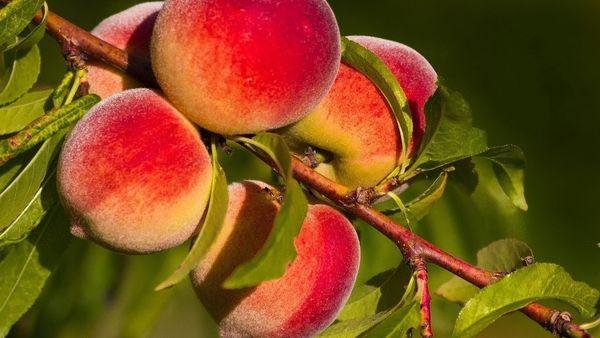
The cultivar was developed by Crimean breeders. It reaches 10 meters in height. The fruits weigh 200 grams and contain aromatic pulp. The peaches have a sweet, slightly tart flavor. During prolonged drought, watering is required. The tree can withstand temperatures down to -25 degrees Celsius.
Golden Jubilee
This is a product of American selection. It produces 40 kilograms of fruit. The first harvest occurs after four years. The flesh is yellow. The peaches are medium-firm and have a small pit. The crop can withstand temperatures as low as -25 degrees Celsius.
Fury
The plant is considered a large-fruited variety. Peaches weigh up to 450 grams. They can withstand temperatures down to -28 degrees Celsius. The plant is considered self-fertile. The fruits have a high tasting score of 4.9 points. The cultivar is resistant to leaf curl.
Frost
This American cultivar can withstand temperatures as low as -26°C. The tree grows to a height of 3 meters. The fruit weighs 200 grams. The juicy flesh is yellow. The pit is easily removed. The plant's advantage is its high yield. Peaches are versatile.
Veteran
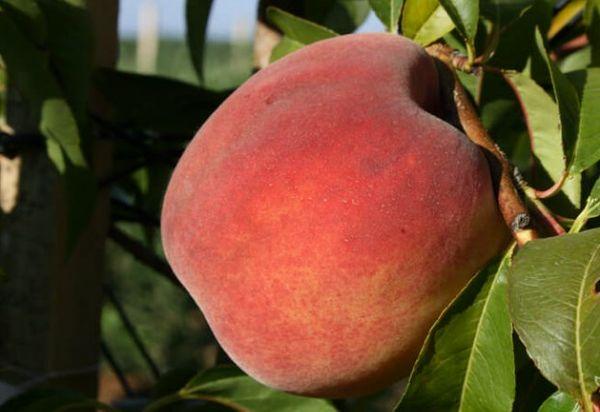
The plant tolerates drought well. It can withstand temperatures as low as -22 degrees Celsius. It has a spreading crown and is considered self-fertile. It begins to produce fruit after four years, with each tree yielding 50 kilograms.
Stavropol pink
The cultivar was developed by Stavropol scientists. A tree produces 40 kilograms of fruit. The peach is considered self-fertile. It has juicy white flesh with a sweet and sour taste. Peaches are often used to make jam and compotes.
Vavilovskiy
The plant was bred at the Nikitsky Botanical Garden. It is resistant to leaf curl and powdery mildew. The fruits have an excellent flavor and are suitable for desserts. The crop is considered high-yielding. The trees have a spreading crown up to 5 meters in diameter.
Ambassador of Peace
These fruits are a third carmine-colored. They weigh 120-160 grams. The peaches are round in shape, containing juicy flesh. The trees are resistant to fungus and frost, and they easily tolerate dry weather.
Jaminat
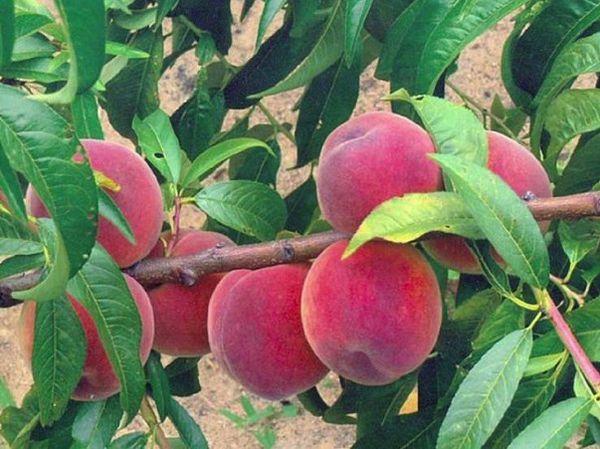
The crop yields fruit in the first half of September. It produces large, oval fruits, weighing 140-160 grams and having a sweet taste. The skin is a rich red hue, with yellow flesh inside. The plant is resistant to infections.
Irganai late
This variety was developed by Dagestani breeders. It is resistant to fungus. The tree is medium-sized. The fruits weigh 150 grams and are covered with yellow skin. The flesh is juicy and sweet.
Elberta
This American cultivar is resistant to infections. The fruit weighs 150 grams. The skin is yellow and blushed. The peaches are oval in shape. The sweet flesh has a hint of tartness. Ripening begins in late August.
Novoselkovsky
The plant can withstand temperatures down to -28°C (-28°F). If the temperature drops, the flower buds die. However, the wood may recover after some time. The variety is resistant to fungi. The harvest can begin in late July. The fruits weigh 50-60 grams and have a creamy skin and flesh.
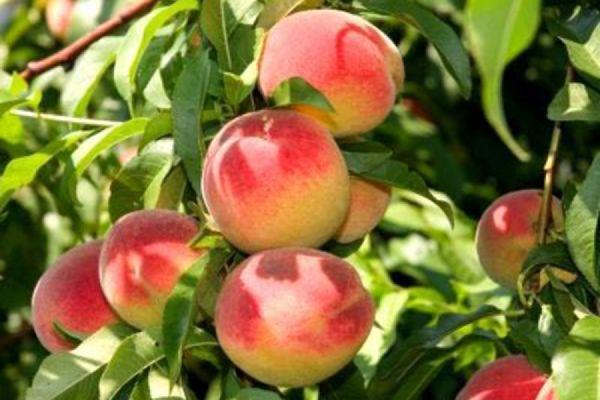
Voronezh
This hardy variety was developed by amateur breeders. It can be planted in areas with cool summers. The bush is compact and reaches 2 meters in height. The plant can withstand temperatures down to -35 degrees Celsius. Peaches weigh up to 120 grams and have a delicious flavor.
Bushy
This is a hardy crop that can be grown in Belarus. The northern regions of Ukraine are also suitable. The plant is resistant to fungi. The fruits ripen in the second half of August and weigh 100 grams. They have an elongated shape and a creamy skin.
Nano
These are low-growing plants, reaching 2 meters in height. They are derived from fig subspecies.
Balconella
This cultivar is considered mid-season. It is dwarf and columnar. The tree reaches 1.5 meters in height. The fruits ripen in August and weigh up to 100 grams.
Bonanza
This variety grows up to 1.5 meters. A tree can yield up to 4.5 kilograms of fruit, each weighing 100 grams. The peaches have a sweet flavor and contain juicy flesh.
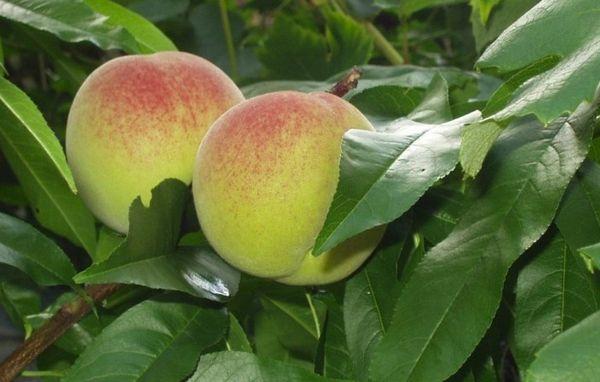
Steinberg
This columnar plant grows up to 2 meters. It produces a good yield and is resistant to fungus. It produces large, oval-shaped fruits weighing up to 200 grams. Peaches are characterized by yellow flesh.
Sweet cap
The plant tolerates frost well, surviving temperatures down to -23 degrees Celsius. The plant reaches 3.5 meters in height. The fruits weigh 140 grams and have a sweet and sour taste. They are covered with a reddish-burgundy skin on top.
Ufo
These are Italian crops with many varieties. The most popular are Ufo 2, 3, 4, and 5 peaches. These are typical low-growing varieties of the fig family. They have burgundy skin and creamy flesh.
Pissarda
The trees have burgundy-red leaves. They were bred from a cherry plum variety of the same name.
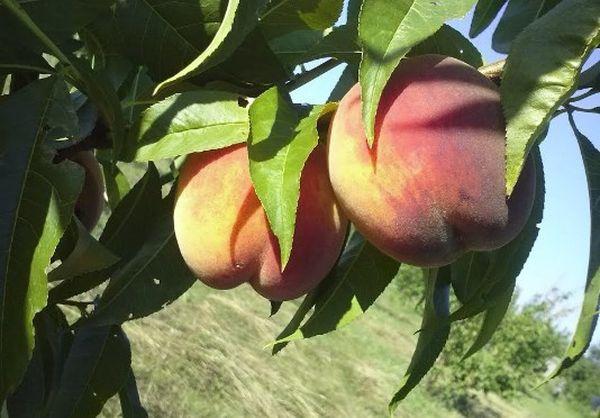
Negus
This plant has reddish-purple foliage and reaches a height of 3-4 meters. It is frost-resistant and scab-resistant. Ripening begins in late July. The peaches have burgundy skin.
Burgundy
The fruits begin to ripen in mid-August. They weigh up to 150 grams. The peaches have pink skin. The tree can withstand temperatures down to -25 degrees Celsius. It grows to a height of 3-4 meters and has a rounded crown.
Medvedevskiy
This frost-hardy variety was developed by Ukrainian breeders. The tree reaches 3-4 meters in height and has a spreading crown. It is frost-resistant. The fruits ripen in early August and weigh 150 grams.
Fleming Fury
This is a popular frost-hardy variety, able to withstand temperatures down to -28 degrees Celsius. Ripening begins in mid-September. The fruits weigh 200-300 grams and can be stored for up to a week.
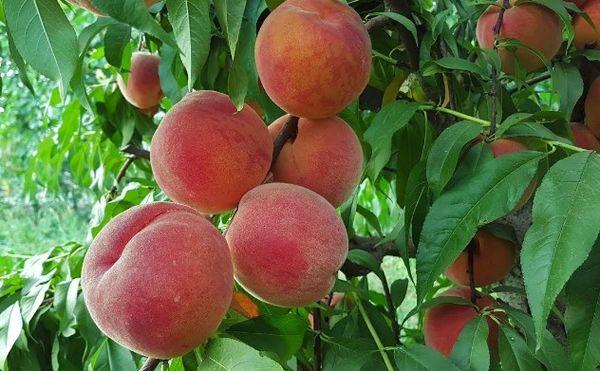
Greensboro
This is an early-ripening crop, with harvesting in early August. The fruits are oval and weigh 120 grams. They have green-red skin and creamy flesh.
Harbinger
This early crop yields fruit in early July. Peaches weigh 80-90 grams and have a golden-brown skin. The fruit has juicy, sweet flesh. The wood is frost-resistant.
Harrow Diamond
This tree grows quickly and can withstand temperatures down to -28 degrees Celsius. They are round in shape and weigh 90-200 grams. Ripening begins in July.
Harnas
This early-ripening crop produces beautiful, vibrant fruits. They ripen in early August. The peaches weigh 100-150 grams and do not fall off.
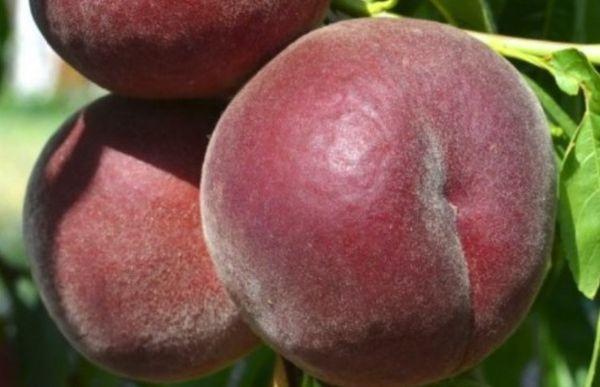
Royal Majestic
This American variety easily tolerates frost. It is characterized by large fruits weighing over 200 grams. The fruits are spherical in shape and covered with a bright blush.
Inca
This variety was bred in Poland. The tree grows up to 5 meters and is virtually disease-free. It tolerates temperatures down to -25 degrees Celsius. The fruits have a dessert-like flavor.
Hryvnia
This is a fast-growing crop, producing a harvest within just a couple of years. The fruits have a wonderful aroma. The tree tolerates temperatures down to -27 degrees Celsius.
Boxer
This is a folk-cultivated variety that produces very large fruits, which can reach 1.3 kilograms.
Gloria
The fruits are large, weighing up to 200 grams. The skin has a reddish-orange hue. Inside lies juicy pulp.
Red Moscow
This new variety easily tolerates low temperatures. The fruiting period lasts 4 weeks.
Fluffy early
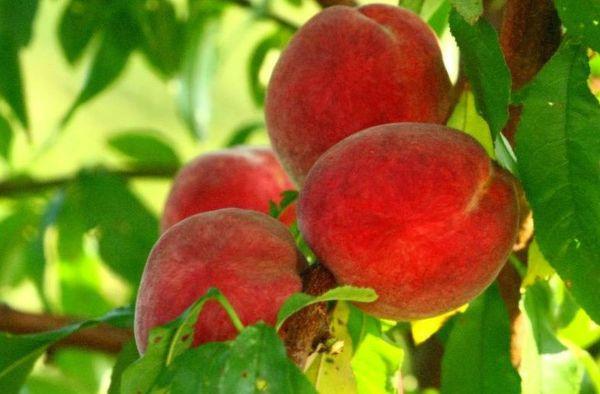
This early-ripening variety is characterized by high yields, reaching up to 80 kilograms. The tree easily tolerates low temperatures.
Regional features
It's recommended to select peach varieties based on the region's climate. Only then will you achieve good results.
South
Peaches grow well in southern regions. When choosing a plant, consider the soil composition and the depth of the groundwater table. Gardeners recommend the Vladimir, Novy, and Saturn varieties.
Middle zone
In this case, it's important to consider the plant's frost resistance. Temperate climates are prone to recurrent frosts, which can damage fruit buds and ovaries. Collins and Cardinal varieties are best.
Urals and Siberia
The Urals are characterized by hot summers and long winters. Only regionalized varieties are suitable for cultivation in this region. Veteran, Zolotaya Moskva, and Skazka peach varieties bear fruit well.
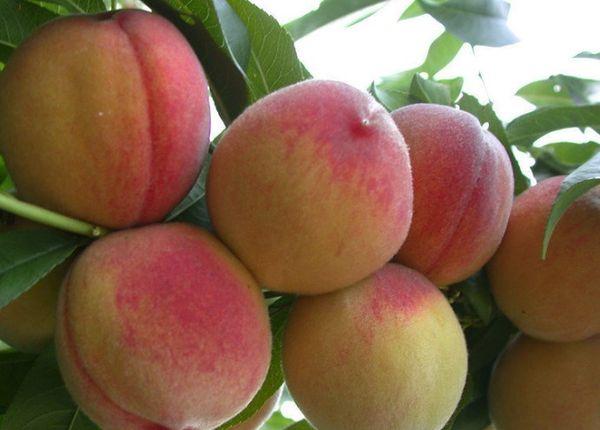
Crops with high frost resistance are suitable for Siberia. Excellent options include Sibiryak and Flamingo.
North-Western District
This region is characterized by cool summers and frosty winters. Early, frost-resistant peaches are best planted, including Zolotaya Moskva and Kardinal.
In Crimea
Peaches grow well in Crimea. However, they are sometimes damaged by recurrent frosts. Good varieties include Sovietsky, Cardinal, and Krasnoshchyok.
Far Eastern
Varieties imported from China are suitable for this region. They can withstand temperatures down to -25 degrees Celsius.
Krasnodar Krai
Peaches grow well in this region. The best varieties to grow are Steppe Turnip, Novyi, and Saturn.
Kuban
Frost-tolerant and disease-resistant varieties are suitable for this region. Good options include Early Red and Sunhaven.
Tips and recommendations for choosing a variety
When choosing a variety, many gardeners prefer large-fruited crops. Equally important are promising regionalized varieties. It's also important to consider that peaches come in early, mid-season, and late varieties. When choosing a specific variety, consider the regional climate.
Today, there are many varieties of peaches that boast high yields. To achieve good results, it's important to choose the right variety. Climate and other factors should also be taken into account.
Related posts:
 The best grape varieties for growing in the Urals, planting and care rules in summer
 Descriptions of the 20 best cherry varieties for the Moscow region, their planting and care
 Description and characteristics of the 27 best plum varieties for the Urals, planting and care
 Description and cultivation of the 15 best cherry plum varieties for the Moscow region, planting and care rules
 How to properly store peaches at home for the winter
 Description of the 25 best cherry varieties for the Urals and Siberia, planting and care in open ground
 Description of the best pepper varieties for greenhouses and open ground in 2025
 Which tomato varieties are best for open ground?