
- Climate characteristics of the region
- Criteria for selecting varieties
- The best varieties for the Urals and Siberia
- Early ripening
- Youth
- Shpanka
- Chocolate Girl
- Ural Standard
- Mid-season
- Griot of Moscow
- Morozovka
- Trinity
- Michurin's vole
- Maksimovskaya
- Ashinskaya
- Late ripening
- Robin
- Generous
- Gridnevskaya
- Abundant
- Biryusinka
- Large-fruited
- Meeting
- Volochaevka
- Consumer goods Black
- Low-growing and dwarf varieties
- Mtsenskaya
- Bystrinka
- Anthracite
- Sweet crops
- Lighthouse
- Ural ruby
- Self-fertile
- Brusnitsyna
- Precious carmine
- Varieties that do not produce suckers
- Disease-resistant varieties
- Felt varieties
- How to plant and grow cherry trees
- Timing and technology of planting operations
- Caring for the crop
Today, many cherry varieties are known for the Urals and Siberia. They are distinguished by their resistance to frost and temperature fluctuations. Furthermore, breeders have succeeded in creating varieties characterized by immunity to many diseases. This allows gardeners to choose the best option depending on the region's climate and their personal preferences.
Climate characteristics of the region
The climate of this region is quite harsh. There are also distinct differences between the weather conditions of Western and Eastern Siberia. The climate in the southern and northern Urals is also different.
However, cold winters and short summers are typical for all parts of the region. Frosts are common in spring and fall. Therefore, when choosing cherry varieties, it's best to choose early-ripening and frost-resistant ones. Breeders are constantly developing new tree species, making it easier to grow berries even in these challenging conditions.
Criteria for selecting varieties
Siberian and Ural climates are harsh. Therefore, when choosing varieties, it's best to choose frost-hardy and early-bearing crops. They should be resistant to major diseases. Many crops have been bred specifically for these regions. These plants require comprehensive care to ensure a good harvest.
The best varieties for the Urals and Siberia
There are many varieties suitable for cultivation in the Urals and Siberia. They differ in ripening time and other characteristics.

Early ripening
Early-ripening varieties are ideal for these regions. Growing such crops allows for harvesting before the onset of frost.
Youth
This is a bush cherry variety characterized by a low crown and horizontal branches. The plant is quite frost-resistant. With insulation, it can survive harsh winters. The plant has moderate disease resistance. Therefore, it is always treated with copper sulfate or Bordeaux mixture in the spring. It is self-fertile, requiring no pollinators. The berries are round and weigh 4.5 grams.
Shpanka
This is a tall hybrid, reaching 6 meters. It is characterized by a sparse, spherical crown. The branches grow at an obtuse angle or horizontally. They may break off during heavy harvests.
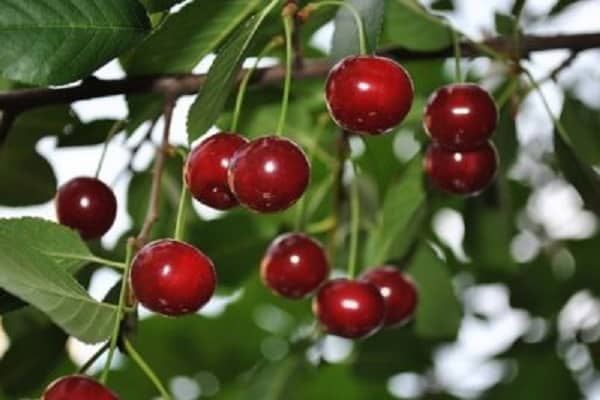
This tree-like variety tolerates frosts much better. It is also resistant to major fungal diseases. Fruiting begins in the fifth to seventh year, with yields reaching approximately 40 kilograms. The berries weigh 5-6 grams. They are characterized by a flattened shape and a dark color.
Chocolate Girl
The variety's name derives from the dark color of the fruit—it's rich and chocolate-like. The berries are characterized by a sweet, slightly tart flavor and firm flesh.
The Shokoladnitsa tree reaches 3 meters in height and is characterized by a stable yield. The tree is resistant to frost and drought.
The chocolate tree is considered a self-fertile crop and is characterized by resistance to many diseases.
Ural Standard
This tree is characterized by large fruits and frost resistance. Fruiting begins early, beginning in late July. Berries weigh 6.5 grams. The low bushes require careful thinning. The fruits are covered in scarlet skin and have juicy, slightly tart flesh. The average yield is 15 kilograms.


Mid-season
In these regions, cherry varieties that are characterized by a medium ripening period are often planted.
Griot of Moscow
This medium-sized plant is distinguished by its dense, spherical crown. The tree begins bearing fruit after five years. The harvest is consistent. The cherries begin to ripen by July 20th.
The plant is considered self-sterile. Pollinators are required for fruit to develop. The berries are medium-sized, weighing no more than 3.5 grams.
They are characterized by a round shape and a rich red hue. The flesh is juicy and sweet, with a slight tartness. The variety is moderately frost-resistant, which is why it is planted in the southern Urals.
Morozovka
This medium-sized plant is distinguished by its lush crown. The cherries are round and weigh 5.4 grams. The fruits are characterized by a rich red hue. The pulp separates easily.

Harvesting begins in the second half of July. Fruiting begins 3-4 years after planting. The crop is characterized by its resistance to frost and drought.
Trinity
This variety is characterized by high yields and excellent fruit flavor. The bush is considered medium-sized and has a beautiful pyramidal crown. The fruits are large, weighing 4.5 grams. The variety is considered very durable. Yields reach 8-10 kilograms. The fruits are large and high-quality. The Ural Ruby Cherry is considered an ideal pollinator.
Michurin's vole
This variety is often planted in the Urals. The tree is resistant to late frosts, which cause flowers and ovaries to fall off. Fruiting begins after four years. The fruits have a sweet and sour flavor and are small in size, weighing a maximum of 3 grams. A single bush can yield 15 kilograms of fruit. The plant is considered self-sterile, so pollinators are essential.
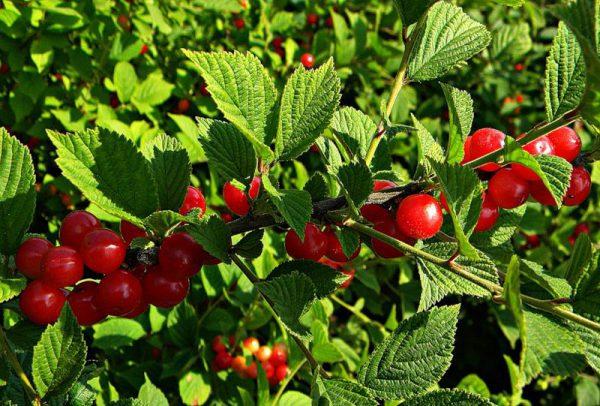
Maksimovskaya
This is a bush cherry tree. Its crown is pyramidal in shape. It doesn't grow taller than 2.5 meters. It's considered partially self-fertile, meaning it produces fruit even without pollinators. However, pollinators are required for increased yield.
Fruiting begins in the fourth or fifth year. The berries ripen by mid-July. Cherries weigh up to 4 grams and have a rich red hue.
Ashinskaya
The plants reach 3 meters in height and have a dense crown. They are resistant to low temperatures and drought. Fruiting begins in the fourth year. The harvest can begin in late July. The cherries are a rich burgundy color and weigh up to 4.5 grams. Each tree can yield up to 10 kilograms of fruit.

Late ripening
There are also late-ripening varieties of the plant, often planted in Siberia and the Urals. They have certain characteristics.
Robin
The tree is characterized by a medium height. The crown is spherical in shape. The berries are medium in size, weighing approximately 3.5 grams. They are characterized by a round shape and a dark color. The berries have a sweet, tart flavor. The harvest begins to ripen in August. The tree easily tolerates freezing temperatures.
Generous
This cherry tree has a bush-like habit. The plant reaches 2 meters in height. The first harvest occurs after 4 years. This self-fertile variety requires the planting of pollinators. Ripening occurs in mid-August. The harvest can be completed within 2 weeks. The fruits weigh 4 grams. They are characterized by a dark red hue and a round shape.
 The plant is resistant to frost and spring temperature fluctuations. It also tolerates drought well and is virtually disease-free..
Gridnevskaya
This variety is popular due to its resistance to freezing temperatures and disease. The tree reaches 2.5 meters in height, but has a spreading crown. It begins bearing fruit after 4-5 years.

A young plant can yield up to 5 kilograms of fruit. A more mature tree can produce up to 15 kilograms of berries. The fruit weighs no more than 3.2 grams. The harvest ripens in late August. The fruit has a mild flavor.
Abundant
This self-fertile variety requires no pollinators. It is resistant to low temperatures and recurrent frosts. The bushes do not exceed 2.5 meters and have an oval crown. The tree begins to bear fruit after 3-4 years. The maximum yield is harvested after 8-10 years, weighing 10-12 kilograms. The fruit weighs no more than 3 grams. The cherries are characterized by a flattened shape.

Biryusinka
This tree is frost-resistant and has good immunity. The variety is considered partially self-fertile, so it doesn't require pollinators. Its main advantage is its large fruit. The berries weigh up to 6 grams. They are round and have excellent flavor.
Large-fruited
These varieties are especially popular among gardeners because they produce large fruits.
Meeting
This is a low-growing plant, with berries weighing over 10 grams. The berries have a rich red hue and juicy flesh. The tree produces a good harvest, which begins to ripen on June 20th.
Volochaevka
This tree tolerates frost well. If temperatures drop below -30 degrees Celsius, there's a risk of bud damage. In this case, fires or smoke bombs are used. Cherries produce rich red fruits.

Consumer goods Black
This low-growing tree produces tasty, dark-skinned fruits with juicy, tender flesh. The fruit ripens in mid-June. However, the tree has poor frost resistance.
Low-growing and dwarf varieties
Quite often, gardeners grow low-growing cherries, which also have many advantages.
Mtsenskaya
This tree reaches a height of 2 meters and has an oval crown. Its fruits weigh 4 grams and are characterized by a dark burgundy hue. The tree easily tolerates drought, frost, and disease.
Bystrinka
This small tree has a spherical crown and produces burgundy berries, weighing 3.5-4.2 grams. The flavor is sweet and sour. Harvesting begins in early July. The plant has moderate frost resistance.
Anthracite
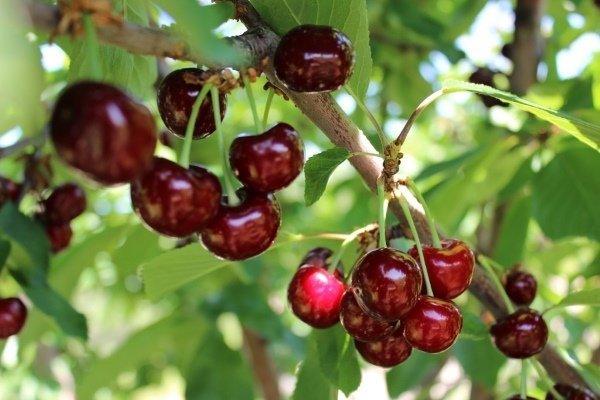
This shrubby plant grows up to 2 meters in height. It has a spreading crown. The skin is dark. The fruits weigh 4-5 grams and have an excellent flavor. The tree is frost- and drought-resistant.
Sweet crops
These plants are the most popular among gardeners. They are prized for their excellent flavor.
Lighthouse
This is a low-growing plant with spreading branches. With proper care, it's possible to harvest up to 15 kilograms of berries per plant. The harvest ripens in June. The berries weigh approximately 6 grams.

Ural ruby
This shrubby tree grows to a height of 1.5-1.8 meters and has a spreading crown. It is characterized by excellent frost resistance. It begins to bear fruit after 3-4 years. A single tree can yield 10 kilograms of fruit, weighing 3-4 grams. The cherries are round.
Self-fertile
Such crops are capable of producing crops without pollinators, which is considered an undeniable advantage.
Brusnitsyna
This shrub-like cherry tree reaches 2 meters. It grows quickly, tolerates frosts well, and is disease-resistant. Fruiting begins in the third or fourth year. A single plant can yield up to 20 kilograms of fruit. These are large, weighing approximately 6 grams.
Precious carmine
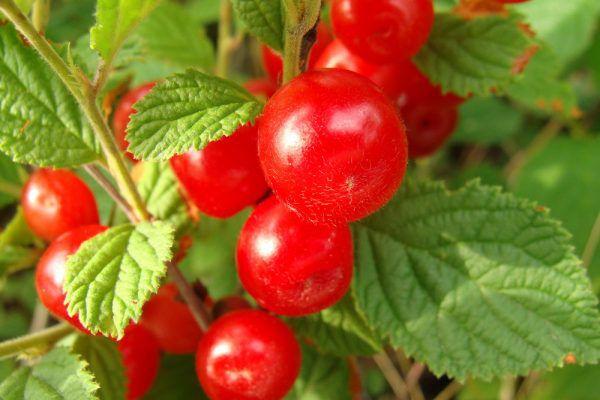
This dessert variety is highly resistant to prolonged frosts. The tree reaches 2 meters in height. Harvesting begins in mid-August. The fruits weigh 3-4 grams and are a rich red hue.
Take a look Also
Varieties that do not produce suckers
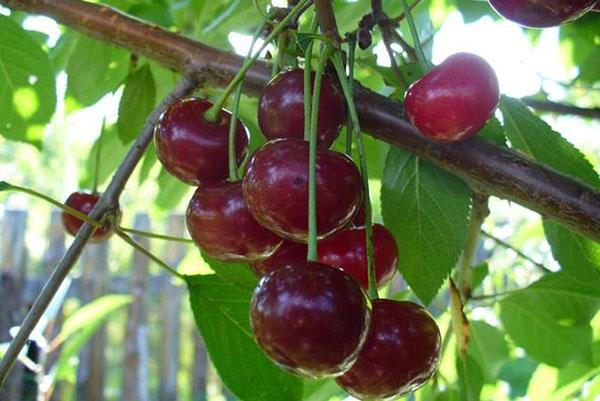
Many gardeners choose these varieties. They don't spread out and have a compact size. The most popular today is Bessey cherryIt is considered unpretentious and reaches 1 meter in height.
Fruiting begins in the second year after planting. The berries have a tart flavor and are suitable for processing.
Disease-resistant varieties
Many gardeners are interested in varieties resistant to coccomycosis and other diseases. These include the following:
- Shpanka;
- Chocolate Girl;
- Gridnevskaya.
Felt varieties
These cherries produce excellent fruit and are winter-hardy. The fruits ripen as early as late June, but do not fall off. The berries can range in color from pale pink to deep red. Fruiting begins after 2-3 years.
The most common varieties of felt cherry include:
- Autumn Virovskaya;
- Princess;
- Natalie.

How to plant and grow cherry trees
Growing cherries outdoors in harsh climates is challenging. To achieve this, it's crucial to select the right soil. It should be neutral in pH and have the same fertility as chestnut soil or forest black soil.
It's important to plant cherry trees in open areas. Preferably on elevated ground to protect the tree from flooding.
Timing and technology of planting operations
Cherry trees should be planted in early spring. It's essential to insulate and mulch the soil. This should be done immediately after the snow melts and the ground thaws.
Planting cherry trees during this period carries a risk of late frosts. Furthermore, the seedling may not receive sufficient moisture and nutrients from the soil in summer. Therefore, regular watering is recommended. Organic fertilizers and urea are added to the soil immediately after planting.
Planting cherry trees in the fall is not recommended in these regions. Even with good insulation, severe frosts will kill the young plant.

Caring for the crop
To ensure a full harvest, it's recommended to take good care of the tree. This includes pruning, loosening the soil, watering, and fertilizing regularly. Cherry trees don't require additional feeding for two years after planting. During this period, it's recommended to loosen the soil.
After the specified time has passed, apply fertilizer. This is done at the following times:
- after flowering;
- at the beginning of fruiting;
- after harvest;
- in late autumn.
During the first two years, it's important to thin out the branches. This is done before buds appear. Subsequently, the process is more thorough, removing forks and branches in the crown structure.
However, removing skeletal branches is strictly prohibited.
Before bud break, it's recommended to treat cherry trees with a urea solution. It should have a 7% concentration. After bud break, apply Neoron or colloidal sulfur. In summer, spray the plant with Fufanon. In autumn, apply a 4% urea solution and whiten the solution with lime and copper sulfate.
Growing cherries in regions with harsh climates is challenging. To achieve good results, first and foremost, it's important to choose the right variety. It should have high frost resistance and be disease-resistant.
Related posts:
 Descriptions of the 20 best cherry varieties for the Moscow region, their planting and care
 Description and characteristics of the 27 best plum varieties for the Urals, planting and care
 Description and cultivation of the 15 best cherry plum varieties for the Moscow region, planting and care rules
 Characteristics and description of the Shokoladnitsa cherry variety, pollinators and fruiting
 Description and pollinators of the Vladimirskaya cherry variety, planting and care
 Description and characteristics of the 45 best types of peaches, growing rules
 The best grape varieties for growing in the Urals, planting and care rules in summer
 How to plant walnuts, care for them, and grow them at home