
- The specifics of kiwi cultivation in the Moscow region
- The best varieties with descriptions
- Giralda
- Polygamous
- Sharp or Arguta
- Kolomikta
- Preparatory work
- Selecting high-quality planting material
- Site selection and preparation
- When do they plant?
- Step-by-step algorithm for planting a seedling
- Care instructions
- Watering
- Top dressing
- Pruning rules
- Do I need to cover it for the winter?
- When to expect kiwi to bloom and bear fruit
- Reproduction of actinidia
- Tips and recommendations from gardeners
- How to stimulate fruit set
- Problems in growing
- Diseases and pests
- The culture does not grow and does not bear fruit.
Previously, this exotic actinidia with its beautiful branching shoots has become a firm fixture in garden communities in the Moscow region thanks to its striking serrated foliage and easy planting and care. A mature plant beautifully twines around any support. It often becomes an impressive addition to any garden plot and an active part of landscape design.
The specifics of kiwi cultivation in the Moscow region
Actinidia can be grown fruitfully in gardens near Moscow, but only if you take into account certain characteristics. It is divided into male and female plants, and for vigorous fruiting, both male and female vines must be grown together.
The best varieties with descriptions
Actinidia is a perennial plant with long, highly branched shoots. In the wild, its length often reaches 50 meters, with a stem width of no more than three centimeters.
Leaves with a variety of variegated colors are arranged alternately on the stem. Female plants bear juicy berries with a characteristic pubescence.
Giralda
The Giralda variety is a vigorous vine up to 10 meters long, with dark green, sharply toothed leaves. It produces sweet berries that ripen in September. It tolerates cold winters well and requires sturdy supports.
Polygamous
The Polygamous Actinidia grows to a height of no more than five meters. After active flowering from July to August, small orange fruits up to 4 centimeters long ripen.
Sharp or Arguta
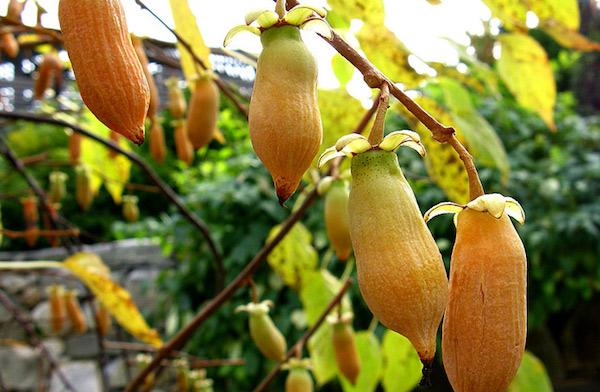
The hardy perennial arguta grows up to 12 meters in height. It blooms with beautiful white flowers with a chocolate tint. In the fall, it bears yellow-green fruits weighing up to 10 grams.
Kolomikta
The Kolomikta variety grows up to 14 meters tall. Flowering occurs in July, and small fruits, no more than 25 millimeters long, ripen by early September.

Preparatory work
During its first few years, actinidia prefers to grow in shaded areas. This should be taken into account when choosing a location and planting it in the ground.
Selecting high-quality planting material
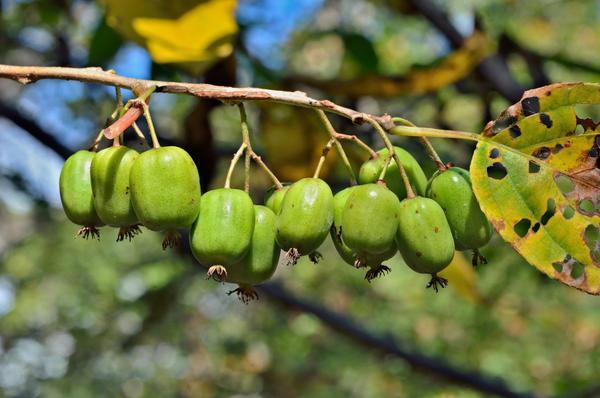
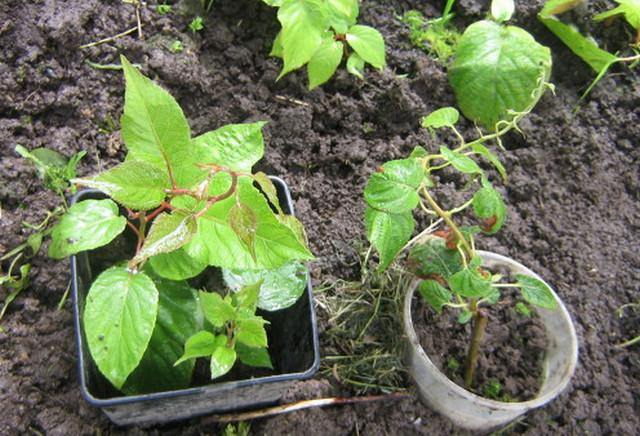
For planting, it's best to use container plants with established root systems. They take root easily and don't experience transplant stress. Seeds don't always retain the parent plant's characteristics, so it's best to use seedlings propagated by cuttings.
Site selection and preparation
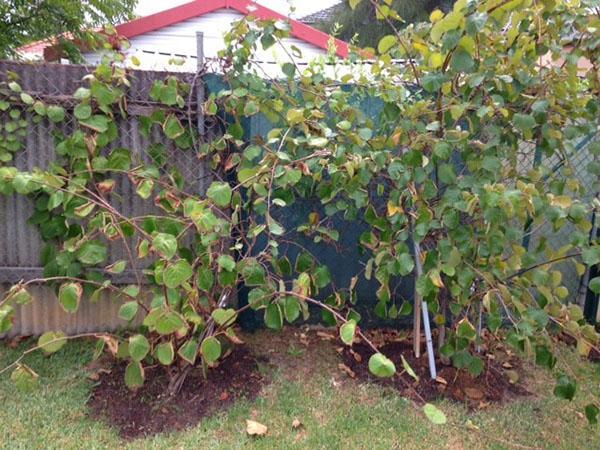
The location for growing actinidia in a garden is crucial. During the first few years, it requires good shade. Planting seedlings along a fence or wall is ideal.
Such a barrier will create the necessary shade and become a reliable support for the growing climbing plant.
Actinidia requires a large planting hole, the dimensions of which are at least 50x50.
A thick drainage layer is placed at the bottom of the hole. The plant requires fertile soil, so the soil excavated from the hole is mixed with humus, a layer of sod, superphosphate, and vermiculite. Heavy soils are thinned with sand.
When do they plant?
The best time to plant kiwi in the central part of the country is April. By the first frost, the plant will have settled into its new surroundings, gained strength, and will be well prepared for the harsh winter.
Step-by-step algorithm for planting a seedling
Planting a seedling in open ground is standard and consists of the following steps:
- Preparing the hole and soil.
- Carefully remove the seedling from the container.
- Placing the seedling in the planting hole and covering it with soil.
- Thorough moistening of the trunk area.
- Formation of a mulching layer.
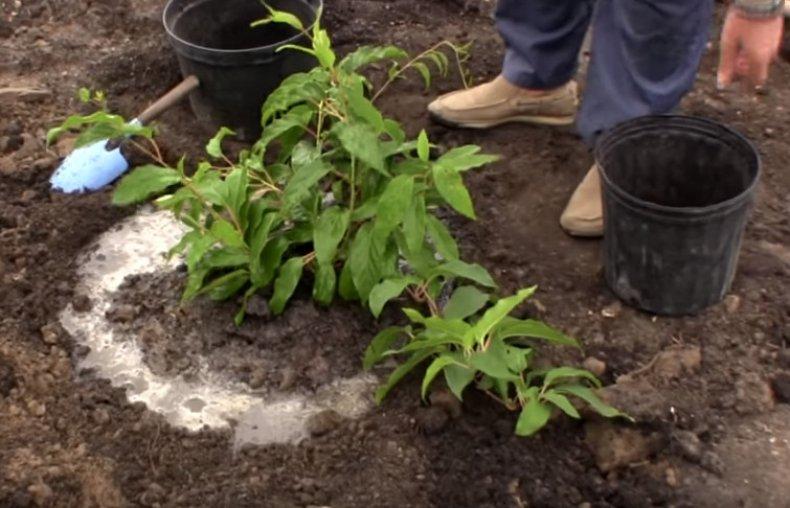
That's it. The seedling is in place. In just a few weeks, it will acclimatize and begin to grow.
Care instructions
Actinidia care when grown outdoors is very simple. It requires:
- timely watering;
- loosening and fertilizing the soil;
- plant pruning;
- pest control.
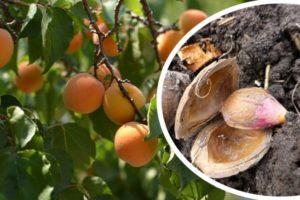
Timely completion of all stages contributes to the formation of a healthy plant.
Watering
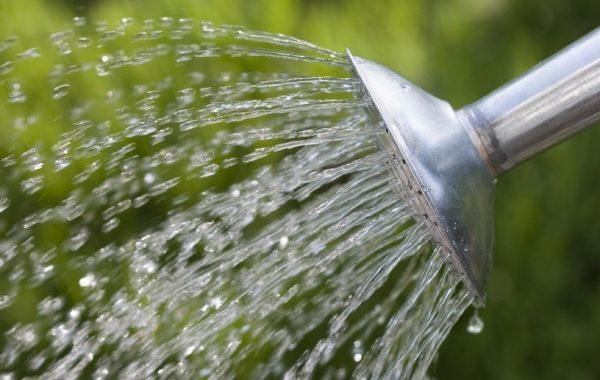
Actinidia dislikes overwatering and dry soil. Water the vine based on weather conditions, the time of year, and the region. Slightly moist soil is favorable for healthy plant development and timely growth.
Top dressing
Fertilizers are applied based on soil characteristics. When planted in well-fertilized soil, the plant requires no additional feeding during the first few years of growth. In subsequent years, mineral fertilizers are applied during the autumn tilling of the trunk area.
Pruning rules
Actinidia is pruned in the fall, after the leaves have completely fallen. Broken, dried, and damaged branches are removed, overly dense areas are thinned out, and the bush is shaped. Branches that have not borne fruit for three years are pruned. A ten-year-old plant requires rejuvenation pruning.
Do I need to cover it for the winter?
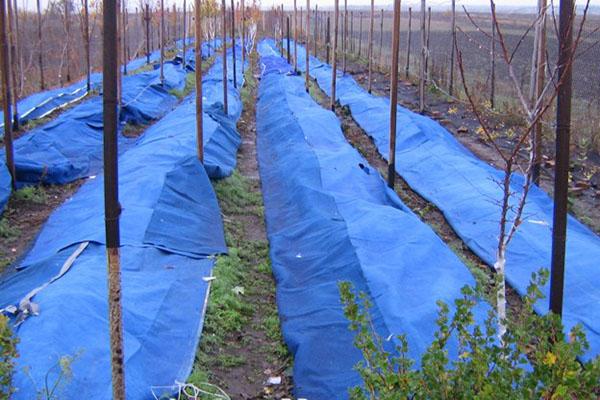
Insulating plants for the winter with covering materials after the first frost will help prevent young shoots and roots from freezing. Mulching the soil with a thick layer of sawdust, humus, or dried leaves will help protect the root zone from frost.
When to expect kiwi to bloom and bear fruit
The time it takes to bear fruit depends on the variety. Actinidia begins bearing fruit in its third year and continues to produce fruit until it's 20 years old. When grown from seed, fruiting is significantly delayed: the plant only produces fruit in its sixth or seventh year.
The flowering period depends on the variety and begins no earlier than May. After a long flowering period, delicious fruits ripen in September.
Reproduction of actinidia
There are several ways to propagate actinidia in your garden:
- cuttings, using one-year-old or woody shoots, which are rooted in a moist soil-sand mixture;
- by layering, for which the lower branches are sprinkled with soil and after rooting they are transplanted to a permanent location;
- seeds subjected to preliminary stratification.
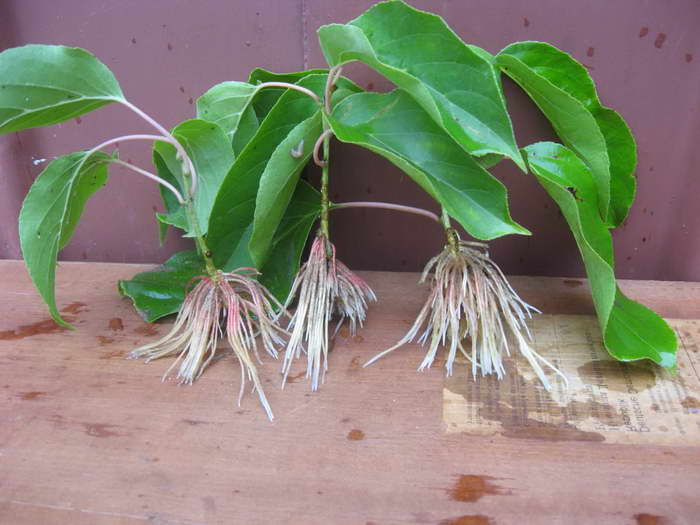
For good rooting and timely development, plants are shaded until they are two years old.
Tips and recommendations from gardeners
When growing actinidia in the Moscow region, it is necessary to take into account the recommendations of experienced gardeners, the main ones of which are listed below.

How to stimulate fruit set
The formation of full-fledged ovaries is promoted by applying phosphorus fertilizers. Plants are fertilized 10 days before flowering.
Problems in growing
Selecting a healthy seedling and carefully preparing the site for planting don't always guarantee timely development and vigorous fruiting of kiwi. Gardeners often encounter a number of problems when growing this exotic plant in their gardens.
Diseases and pests
Kiwi is resistant to many common diseases. It is occasionally affected by gray mold and leaf spot. Leaf beetles, lacewings, and bark beetles are also common. Annual spraying with systemic fungicides in early spring and fall will protect the plant from widespread damage and maintain its health.
The culture does not grow and does not bear fruit.
Slow growth of a young plant is often due to unsuitable growing conditions. Shading the seedling and timely watering are often sufficient to ensure vigorous growth.
A possible cause of the lack of fruit is nearby apple trees, which are considered unfavorable neighbors for kiwi. Excessive foliage density is also a common cause of fruitlessness.
Actinidia is a spectacular ornamental plant with small fruits, whose simple cultivation and care requirements contribute to its active spread in the Moscow region and other regions.
Related posts:
 The best eggplant varieties for growing in a polycarbonate greenhouse: planting and care
 Description and rules for growing Solaris grapes
 Growing and caring for hazelnuts in open ground, rules for planting hazelnuts
 The best grape varieties for growing in the Urals, planting and care rules in summer
 The best and new varieties of black currant for growing in the Urals, planting and care
 Causes and treatment of eggplant pests and diseases, how to combat them at home
 How to properly plant peas in a greenhouse and open ground
 How to grow ginger in the open ground at your dacha, planting and care