
- The best currant varieties for the Urals
- Black chokeberries
- Gross
- Nara
- Oriana
- Rainbow
- Sevchanka
- Treasure
- Exotica
- Red-fruited
- Dutch pink
- Jonker van Tets
- Dawn
- Ural beauty
- Ural pink
- Ural gemstone
- White-fruited
- White Fairy
- Versailles
- Dutch White
- Ural white
- New varieties
- Nuclear
- Spherical
- Sweet
- Pygmy
- Slav
- With large fruits
- Atlas
- Venus
- Gulliver
- Dobrynya
- Pygmy
- A gift for Kuzior
- Prestige
- Constellation
- Black Boomer
- Specifics of planting and caring for currants in the Urals
Today, there are many excellent blackcurrant varieties for the Urals. They are characterized by frost resistance and tolerate recurrent frosts well. To achieve successful cultivation, it is necessary to provide high-quality care. Planting and agricultural practices in regions with harsh climates have certain specific considerations.
The best currant varieties for the Urals
Many people are interested in which currant varieties are recommended for planting in areas with harsh climates. There are many varieties popular with gardeners.
Black chokeberries
Blackcurrant is considered one of the most beneficial berry crops. There are many varieties suitable for cultivation in the Urals.
Gross
This variety is characterized by a mid-late ripening period. The plant has a branched crown and convex foliage. The berries are a rich black color and have a delicate skin. Each berry weighs 7 grams. One bush can yield 4 kilograms of currants. The plant is resistant to diseases.
Nara
This is an early variety. It has a low-branching, tall bush. The plant is distinguished by convex leaves with a wrinkled texture. The fruits are round and sweet with a noticeable tartness. They weigh 1.5-3.5 grams.
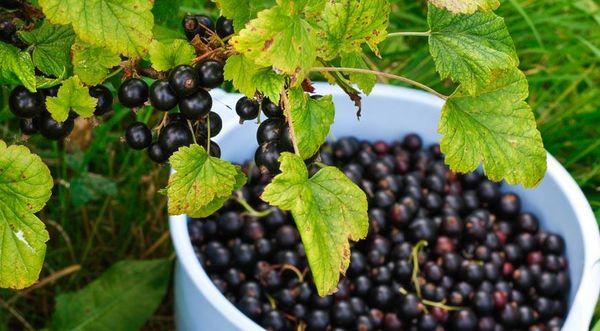
One plant produces 10-14 kilograms of berries. The crop is characterized by strong immunity and can tolerate temperatures down to -35 degrees Celsius.
Oriana
This variety ripens early. It grows as a tall bush with strong branches. The plant produces large fruits, which are sweet and sour and weigh about 2 grams. The shoots do not bend even with a good harvest.
Rainbow
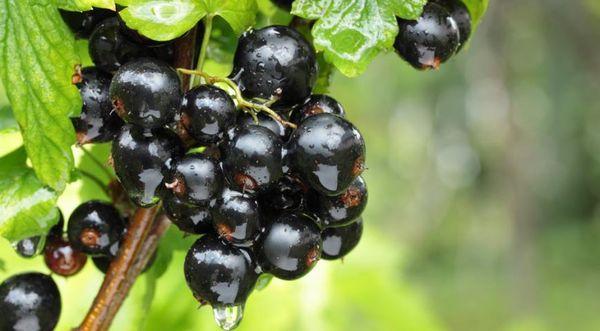
The cultivar is characterized by a mid-late ripening period. The bushes are compact and produce large black fruits weighing up to 3 grams. Each bush produces 3 kilograms of berries. The cultivar is resistant to fungal infections.
The fruits ripen simultaneously and do not fall off even when overripe. The berries store well and are characterized by excellent transportability.
Sevchanka
The crop is characterized by early ripening. The plant is medium-height and compact. The berries are large and covered with a thick skin.
Currants do not fall off when overripe and have a long shelf life. Berries weigh 3 grams. One plant produces 3.5 kilograms of fruit.
Currants are resistant to powdery mildew, rust and parasites.
Treasure
This plant has a mid-season ripening period. The bush is compact. It produces large berries weighing 5 grams. The plant has moderate resistance to powdery mildew and is almost immune to bud mites. When the harvest is good, the branches bend toward the ground, so it requires support.
Exotica
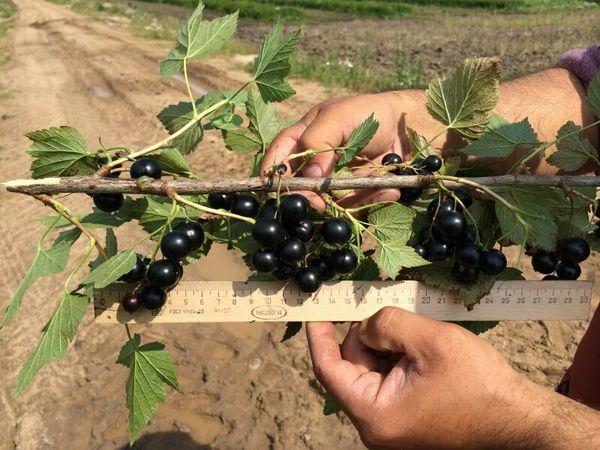
Currants are characterized by an early ripening period. The fruits resemble large cherries and weigh 5-6 grams. A single plant can yield 3.5 kilograms of berries. The crop is susceptible to fungal infections but is not affected by bud mites.
Red-fruited
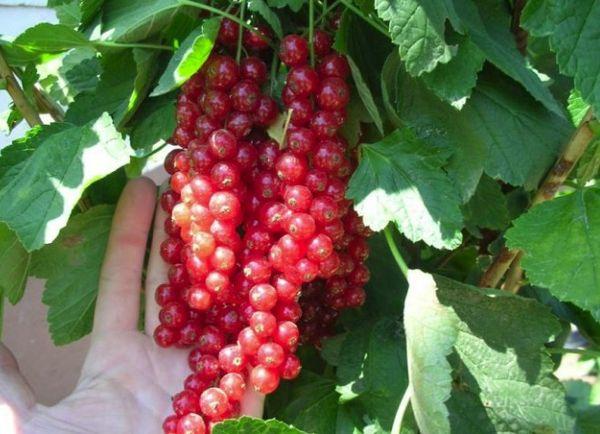
Red currant varieties are very popular. There are many varieties available for cultivation in the Urals.
Dutch pink
This late-ripening variety grows up to 1.5 meters. The bushes are not very branched. The berries are round and light pink in color, weighing about 1 gram. A plant can yield up to 9 kilograms of fruit. Yield is affected by weather and care. Heat treatment causes the fruit to lose its color. Therefore, they are eaten fresh.
Jonker van Tets
The fruit ripens in mid-season. The plant is characterized by tall bushes and a spreading crown. The fruits are a bright red color and weigh 0.7 grams. One plant produces 6 kilograms of fruit. It can be susceptible to powdery mildew.
Dawn
The crop yields fruit in a medium period. The bushes are medium-sized and have a sparsely branched crown. The fruits are round and red in color. The skin is thin on the top. The berries weigh 1 gram. Currants are characterized by average productivity and strong immunity.
Ural beauty
This early variety is short and has branched shoots. The fruits appear on long clusters and have a sweet taste. The berries weigh about 1.5 grams. The plant yields up to 15 kilograms and is characterized by strong immunity.
Ural pink
This cultivar has a mid-season ripening period. The bush grows tall and compact. The berries are large and pink in color. They have a dessert-like flavor and a strong aroma. The berries weigh approximately 1.2 grams. A single plant can yield 10 kilograms. The plant resists fungi well, but suffers from aphid attacks.
Ural gemstone
This variety is characterized by a medium ripening period. Berries weigh 0.8 grams. Plant productivity depends on climate conditions. The plant is distinguished by its strong immunity.
White-fruited
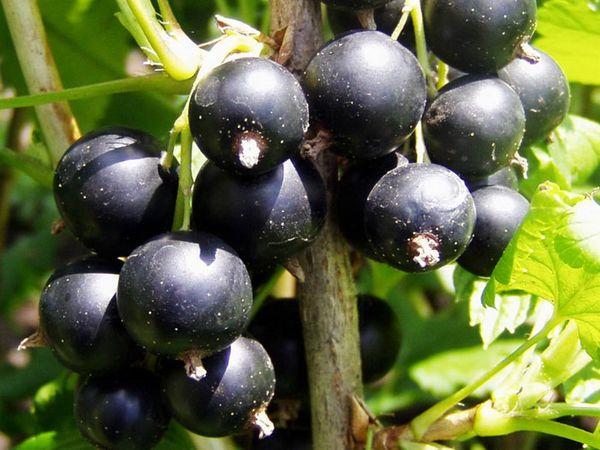
White currant varieties have many advantages, which is why they are popular among gardeners.
White Fairy
This is an early, compact variety. The fruits have a sweet and sour taste and a mild odor. They weigh approximately 0.7 grams. A single bush can yield up to 6 kilograms of berries.
Versailles
The fruits ripen in late July. The bush forms a spreading crown, so staking is recommended. The sweet berries weigh 0.8 grams. A single plant can yield up to 3 kilograms of berries. The plant is resistant to bud mites and powdery mildew.
Dutch White
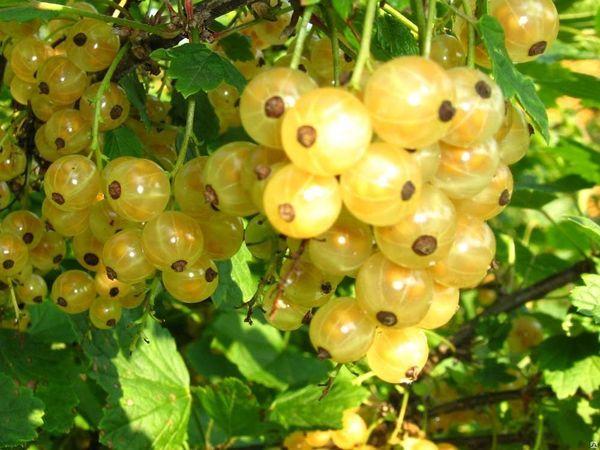
This mid-early variety is distinguished by its cream-colored fruits. They are medium-sized and flattened, weighing 0.7 grams. A plant can yield up to 4 kilograms of fruit. It has good immunity.
Ural white
The crop yields in midsummer. The bushes are small. The variety produces transparent, sweet-tasting fruits weighing 0.5-1 gram. One bush yields 5-6 kilograms of currants. The plant is disease-free.
New varieties
Scientists are constantly working to develop new varieties that can be cultivated in the Urals.
Nuclear
The plant is ideal for the Southern Urals. It is characterized by branched bushes and large berries weighing 7 grams. The flesh is dense and has a tart flavor.
From 1 hectare it is possible to obtain 12 tons of currants.
Spherical
This is a hardy variety that tolerates temperature fluctuations well. Currants are not susceptible to powdery mildew. However, they can suffer from septoria leaf spot or be attacked by bud mites.

Sweet
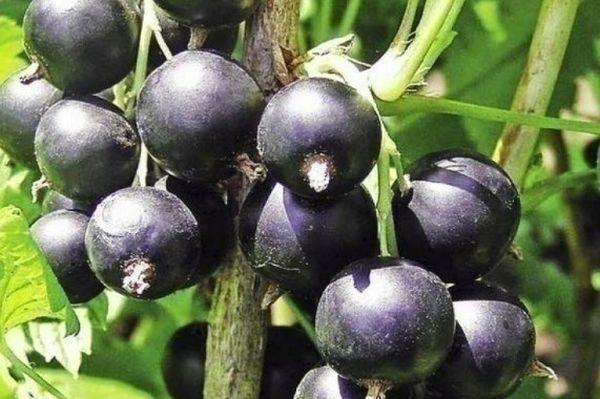
Many gardeners prefer to plant sweet currant varieties. There are many varieties of these crops suitable for the Urals.
Pygmy
The fruits are black and glossy. They are round and contain a small number of seeds. The bush can reach 2 meters in height. This variety is self-pollinating and frost-resistant. Currants can suffer from bud mites.
Slav
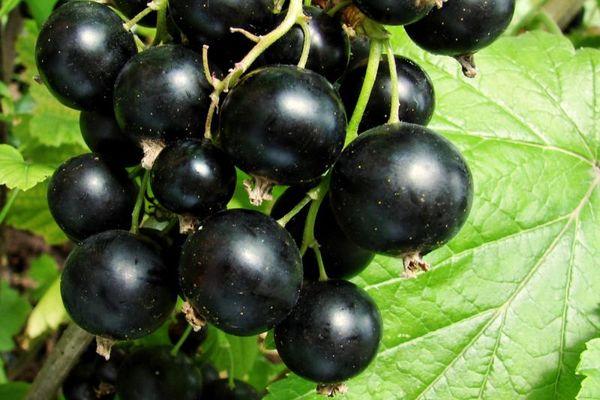
This variety is distinguished by its versatility. The berries ripen mid-season. The bushes are compact. The berries weigh 2 grams and are round in shape. The plant is characterized by resistance to pests.
With large fruits
Large-fruited currants are quite suitable for growing in the Urals. There are many frost-resistant varieties.
Atlas
This variety produces medium-sized bushes. It tolerates frosts well and is disease-free. The fruits have a sweet and sour taste and a distinctive aroma. They ripen in July and August.
Venus
This variety produces a good harvest. The berries are suitable for fresh eating or processing. The plant tolerates frost and drought well. It is not susceptible to fungal infections or pest attacks.
Gulliver
This early currant variety is characterized by its resistance to adverse conditions and diseases. It is characterized by strong, tall bushes. It produces large, sweet and sour fruits. The plant is resistant to many diseases and pests.
Dobrynya
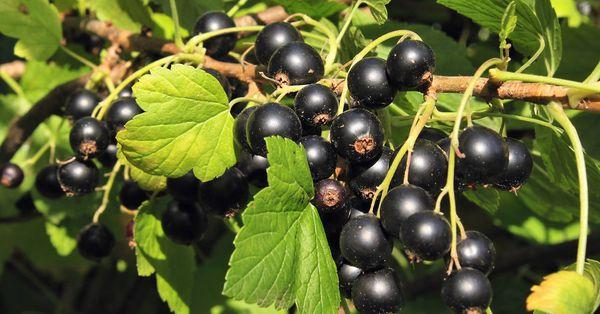
This variety has a mid-season ripening period. It features upright bushes with large berries weighing 6.5 grams. The skin is black and very strong. This variety requires strict agricultural practices and timely fertilization.
Pygmy
This is a high-yielding variety with sweet fruits weighing 7 grams. With proper care, it can yield around 3 kilograms. The fruits are black and covered with a shiny skin. The plant is frost-resistant but can be susceptible to mite attacks.
A gift for Kuzior
The fruits reach 4 grams in weight and have a dense, glossy skin. The berries are quite tart and contain a high amount of ascorbic acid. The harvest can begin in late July. This variety is resistant to heat and frost.
Prestige
The plant produces large, sweet-tart fruits with a refreshing aroma. Currants ripen in July and August. They are large and easily tolerate heat and drought. In winter, they easily withstand low temperatures and strong winds.
Constellation
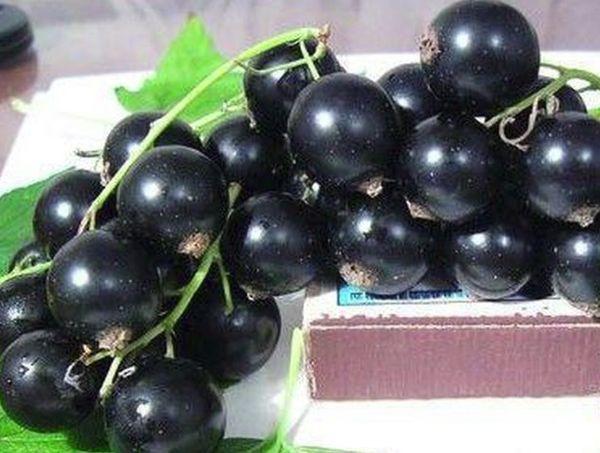
The berries of this variety ripen early. The plant is characterized by medium-sized bushes with slender branches. The berries are round in shape and weigh 1.5 grams. They have a sweet and sour taste. The plant produces a good harvest even during drought.
Black Boomer
The plant begins bearing fruit in early June. It produces black berries weighing approximately 7 grams. They ripen evenly and are uniform in size. Inside, the fruit contains firm flesh. The fruits are sweet and have a pleasant aroma.
Specifics of planting and caring for currants in the Urals
In the Urals, it's recommended to plant currants in late summer or early fall. This will ensure proper rooting. It's important to keep the air temperature above 5-7 degrees Celsius, otherwise the plant may freeze.
Currants thrive in slightly acidic, fertile soil. Fertilizing the soil before planting is recommended.
If the soil is highly acidic, it is recommended to add chalk, wood ash, and lime.
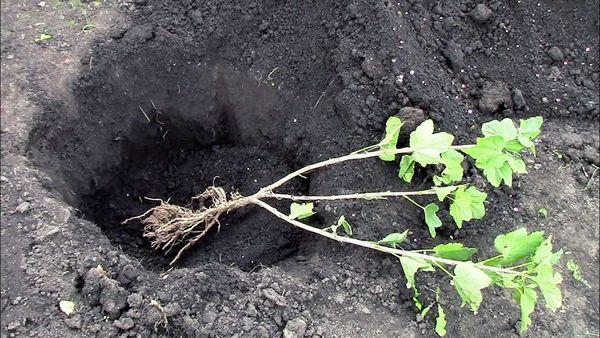
A couple of months before planting, it's time to prepare the soil. To do this, we recommend the following steps:
- remove weeds;
- dig the garden bed to a depth of 50 centimeters;
- add humus - take 1 bucket of the product per 1 square meter;
- use 50 grams of potassium salt;
- add 100 grams of superphosphate;
- Add sand or peat - these agents help loosen the soil.
There's no need to dig deep holes to plant blackcurrants. A hole measuring 50 x 50 centimeters and 40 centimeters deep is required. When using horse manure as fertilizer, it's recommended to mix it with straw or sawdust.
When planting red currant varieties, it's important to consider the plant's frost resistance. Heat-loving crops won't survive in harsh climates. The quality of the seedlings is crucial, as the crop's development and adaptation depend on it.
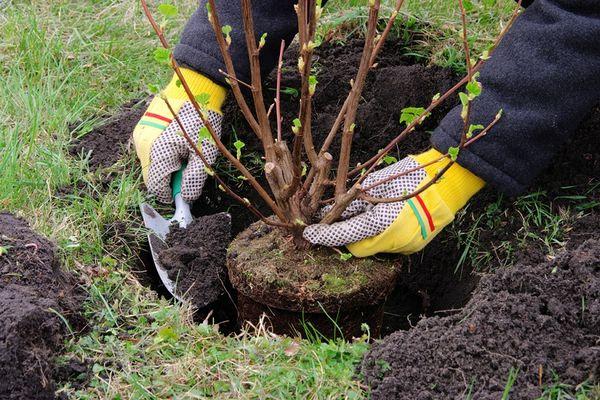
For autumn planting, it is worth paying attention to the following criteria:
- lack of foliage and young branches;
- presence of lignified shoots;
- developed roots, which include 2-3 light brown elements;
- filiform roots.
Planting a currant bush with closed roots is easy. It can be planted in frozen ground—directly in the snow. This currant will quickly establish itself. A bush with open roots is planted in April–June.
To ensure a bountiful harvest, it's important to choose the right planting location. Red currants require adequate light and plenty of moisture. It's also important to provide protection from the wind. Even slight shade will negatively impact the taste and size of the fruit.
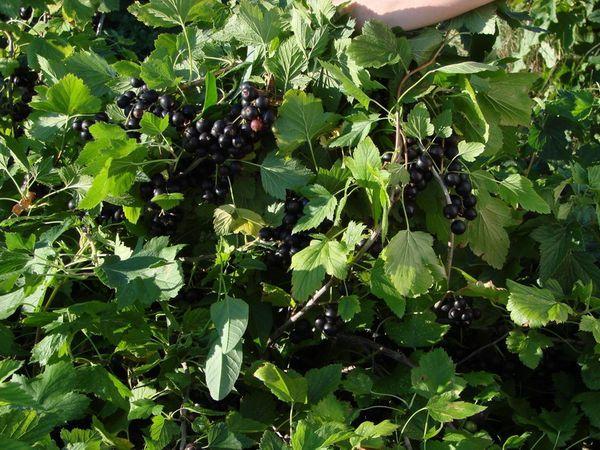 Maintain a distance of 1.5-3 meters between bushes. This is necessary for normal plant development. Avoid planting red currants under large trees, as this will prevent the plant from developing properly.
When growing currants in the Urals, it is necessary to provide them with high-quality care:
- Spring pruning is recommended in March-April, with temperatures ranging from 12 to 15 degrees Celsius.
- Every year it is worth adding organic and mineral fertilizers.
- In autumn, the beds are mulched to prevent the roots from freezing.
- Preventive treatment of bushes is carried out in the spring - before the sap begins to flow and the buds begin to swell.
Currants can be grown in the Urals. This crop has many varieties suitable for regions with harsh climates. To achieve good results, they require proper care.
Related posts:
 Characteristics and descriptions of the 40 best red currant varieties
 The best grape varieties for growing in the Urals, planting and care rules in summer
 Description and characteristics of the 25 best blackcurrant varieties for Siberia
 Descriptions of the 20 best cherry varieties for the Moscow region, their planting and care
 Description of the 50 best blackcurrant varieties for different regions
 The health benefits and contraindications of black currants
 Description of the 10 best currant varieties for the Moscow region, planting and care
 Red currant health benefits, properties, and contraindications