
- Blackcurrant: all the benefits of planting in your garden
- Are there any downsides?
- The best varieties by ripening time
- Early ripening
- Pygmy
- Black pearl
- Titania
- Mid-season
- Pearl
- Tatiana's Day
- Late Altai
- Crane
- Dubrovskaya
- Moraine
- Late-ripening
- Arcadia
- Lazy person
- Vologda
- Daughter
- Large-fruited varieties
- Gross
- Gulliver
- Dobrynya
- Raisin
- Selechenskaya - 2
- Nuclear
- Sweet-fruited varieties
- Far Eastern brown
- Green haze
- Constellation
- Bagheera
- Nina
- Remontant varieties
- Varieties resistant to drought and frost
- Disease resistant
- For the central zone and the Moscow region
- Favorite
- Venus
- Exotica
- Summer resident
- Litvinovskaya
- Moscow
- For the Urals and Siberia
- Prestige
- Spherical
- A gift for Kuzior
- For Crimea and the Southern regions
Blackcurrant varieties and cultivars are diverse. They come with varying ripening times, suitable for any climate. Breeders around the world have worked, and continue to work, on developing varietal diversity. Each institute strives to develop varieties suitable for their region.
Blackcurrant: all the benefits of planting in your garden
Growing currants in your own garden has its advantages:
- easy care;
- consumption and processing of currant berries;
- landscape decoration during the flowering period;
- Currant leaves have healing properties for humans;
- shade-loving plants can be planted next to them;
- The variety of varieties allows you to grow currants suitable for the region.
Are there any downsides?
There are also disadvantages to growing crops in the garden:
- it often suffers from powdery mildew and transmits it to other crops;
- requires regular crown care: shaping and sanitation;
- It is necessary to carry out prevention of diseases and damage by insects.
Otherwise, currants are a good crop that has many advantages.
The best varieties by ripening time
What varieties are there? currants depending on the ripening periodThis is an important question, and once you understand it, it's easier to decide which crop is best. They are divided into early-ripening, mid-season, and late-ripening. All varieties are suitable for the south. Early and mid-season varieties are suitable for the central zone. For the north, early varieties are chosen so they have time to ripen.
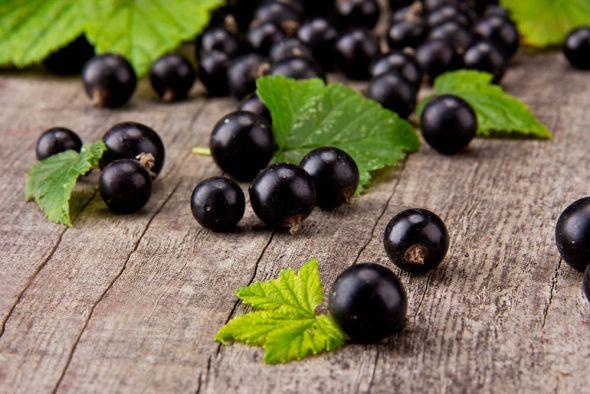 Important! Regionally appropriate varieties are selected for each region.
Early ripening
Early varieties are suitable for growing in all regions of the country. They mature in 70-80 days, making them suitable for cultivation in all climate zones.
Pygmy
Medium-sized bushes with black berries and green, 3-parted foliage. Berries are small, up to 2.8 g. This early-ripening variety ripens by early July, making it suitable for cultivation in the north.
Black pearl
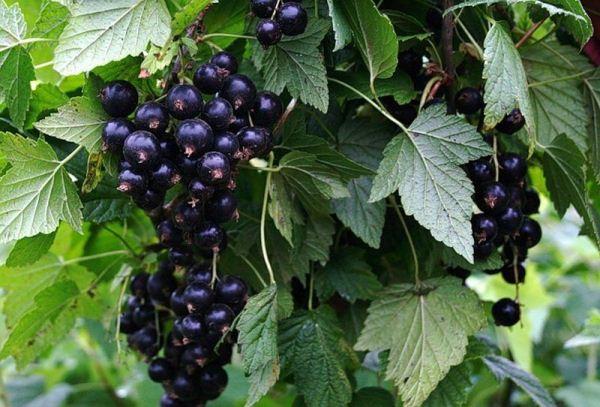
A shrub up to 1.8 m tall with green foliage, flowering in the second ten days of May, fruiting ends in the early second month of summer. The fruits are medium-sized and have a pleasant sweet flavor. This variety is winter-hardy and resistant to prolonged drought.
Titania
Currants form a robust rosette with dense, barked shoots. The plant grows up to 1.6 m tall, with green, dissected leaves. The fruits weigh up to 3 g, are uneven, and black in color. The flesh inside is greenish-yellow.
Mid-season
These varieties are suitable for temperate climates. Under these conditions, they will have time to mature and root well. The growing season lasts approximately 90-100 days.

Pearl
The fruits are comparable in size to cherries. They thrive in the south and in the Moscow region. The berries are over 8 grams in size and have a sweet, slightly tart taste. The berries grow on the bush in varying sizes, with greenish-yellow, gelatinous flesh with purple seeds.
Tatiana's Day
Currants are drought-resistant, frost-resistant, and immune to powdery mildew. currant dew and bud miteThe berries weigh up to 2 g. The yield is high, with each bush yielding over 7 kg. Ripening occurs by mid-July.
Late Altai
It is frost-resistant and tolerates drought without issue. The plant is immune to many fungal diseases, making cultivation easy. It produces high yields and grows as a low-growing shrub with a spreading, branched crown.
Crane
Self-fertile, no pollinator required. It tolerates severe frosts and produces high yields. Early maturing, the fruit is harvested by mid-July. It is immune to septoria, anthroclase, and powdery mildew.
Dubrovskaya
The fruits weigh approximately 1.2-1.3 g. They are black in color and have a high ascorbic acid content, over 200 mg per 100 g. The plant is undemanding in terms of soil quality. It prefers organic fertilizers and good lighting. It has a taste rating of 4.6 on a 5-point scale.
Important! Mid-season currants keep fresh longer than early currants..
Moraine
A medium-sized shrub, up to 2 meters tall. It produces elongated black fruits weighing up to 3 grams. The shoots are covered with brown bark and ripen mid-season. Suitable for cultivation in Siberia and the Urals.
Late-ripening
These are the most suitable varieties for the southern climate. In this climate, they ripen well and have excellent shelf life.
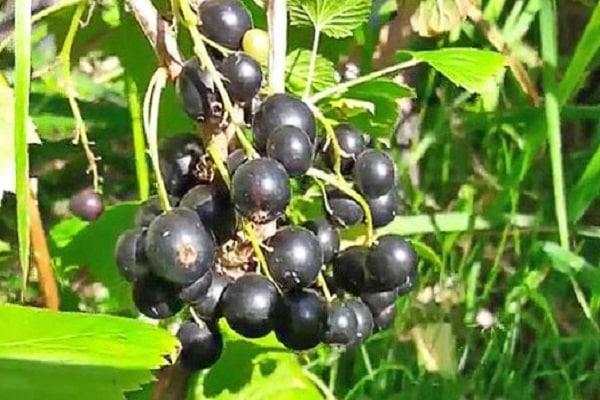
Arcadia
A high-yielding variety. It is frost- and drought-resistant. It produces a large number of fruits. When the fruit is abundant, the branches bend and touch the ground. Fruits weigh up to 4 g and are black.
Lazy person
The harvest takes 120 days to mature. They are large, weighing about 3 grams each. They have a sweet taste and are blackish-purple in color. The bush is medium-sized, about 2 meters tall, blooming with white flowers, and the ovaries take a long time to ripen. They are resistant to frost, drought, and some diseases.
Vologda
Ripening occurs in mid-August. The berries weigh 6 grams each. They have a sweet and sour taste, earning a 4.6 rating from tasters. The leaves are light green, the crown is spreading, and the branches are tall and diversified.
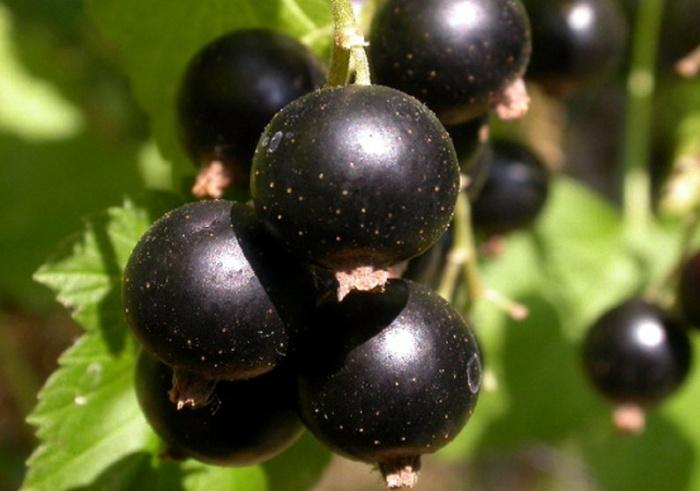
Daughter
This is a late-ripening currant. Berries weigh up to 4 grams and are black. Yields are approximately 6 kg per plant. The black berries are easy to care for. The plant reaches a height of 1.8 m, with green foliage, dissected into 5 sections.
Large-fruited varieties
The most productive currant varieties with large berries will help you grow a bountiful harvest that will delight not only the garden owners but also their friends.
Gross
The fruits weigh over 6 grams each, are black, and are unevenly distributed on the bush. The plant grows over 1.7 meters tall. The leaves are green and dissected. The yield is high, over 5 kg. It tolerates severe frosts and prolonged heat well.
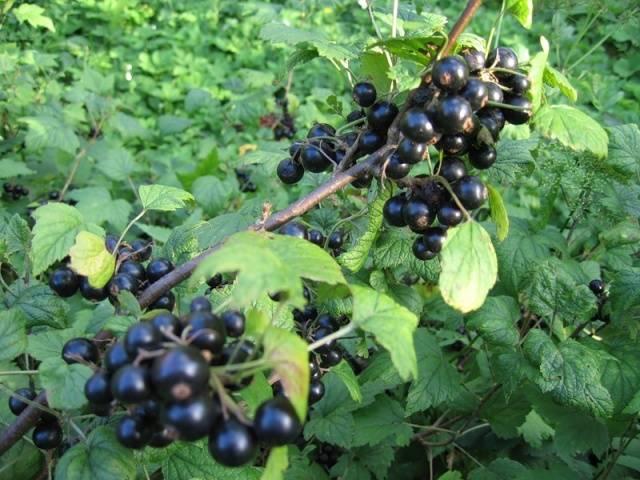
Gulliver
A large-fruited currant, the fruits reach over 6 grams in weight. They have excellent flavor. The bush grows to a height of approximately 1.7 m, with bright green foliage. The plant is frost-resistant, resistant to prolonged heat, and immune to fungal diseases.
Important! Large-fruited currants produce the highest yields.
Dobrynya
Fruits weigh up to 8 g, and the bush is small, about 1 m tall. Fruits vary in size, and the foliage is rich green with dissected blades. The crown is spherical, yielding approximately 3.5 kg per plant.
Raisin
An early-ripening variety, with fruits weighing over 6 grams. The bush grows up to 1.7 m in height. The berries have a sweet, tart flavor. They are resistant to frost, heat, and fungal diseases. This subspecies can be dried like raisins.
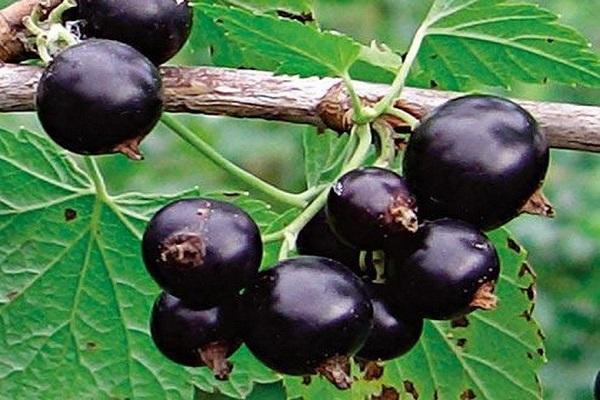
Selechenskaya - 2
A mid-season variety with large fruits, over 6 g each. The bush is medium-sized, with green foliage. The crown is spreading and branched. This currant is immune to powdery mildew.
Nuclear
Fruits weigh up to 6 g, black in color, yield up to 6.5 kg per bush, self-fertile, frost-resistant, bushes do not take up much space, crown is spherical.
Sweet-fruited varieties
Delicious and sweet currants grow from varieties with high glucose and sucrose content. Breeders have specifically developed these varieties for lovers of juicy berries.
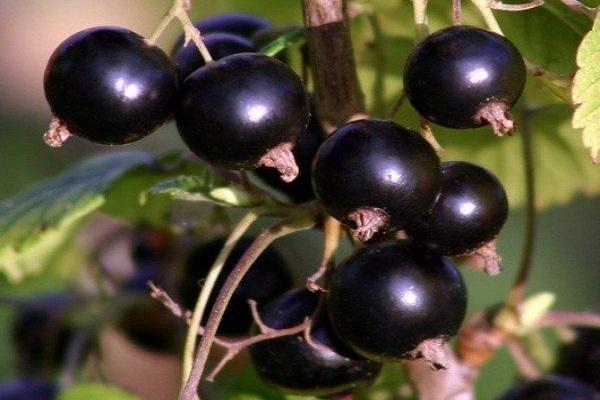
Far Eastern brown
The fruits contain over 10% sugar and approximately 200 mg of vitamin C per 100 g of product. The plant is medium-sized and ripens mid-season. The berries are approximately 2 g in weight and black in color. They emit a characteristic currant aroma and are drought-resistant.
Green haze
A self-fertile plant, the berries contain over 12% sugar. The bushes are medium-height and have a spreading crown. The fruits have a pleasant sweet flavor. They are grown commercially and in private gardens.
Constellation
A shrub up to 2 m tall with green foliage. Each leaf is dissected into 5 parts. The berries are sweet and high in sugar. Ovaries form in mid-May, and fruiting continues until mid-July. The variety is susceptible to powdery mildew but resistant to anthracnose.
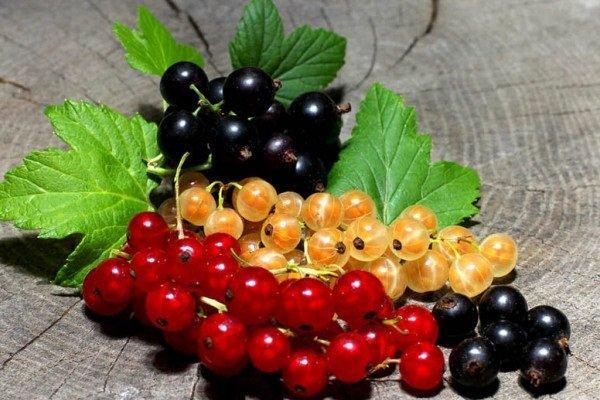
Bagheera
A dessert variety of currant. Ripening time is mid-season, with the fruits harvested in late July. It's a medium-sized bush, up to 1.5 m tall. Ovaries form simultaneously, hold firmly to the bush, and don't fall off. They are black and small, weighing less than 2 g each.
Nina
Currants produce a high yield, over 4 kg per bush. The berries are medium-sized and contain approximately 10% sugar. 100 g of fruit contain 180 mg of vitamin C. The variety has strong resistance to fungi and easily tolerates frost and drought.
Remontant varieties
These varieties combine several of the best qualities of currants: high yield, large fruit, winter hardiness, disease immunity, and drought tolerance. The most popular are:
- Grape;
- Raisin;
- Selechenskaya-2;
- Bagheera;
- Perun.
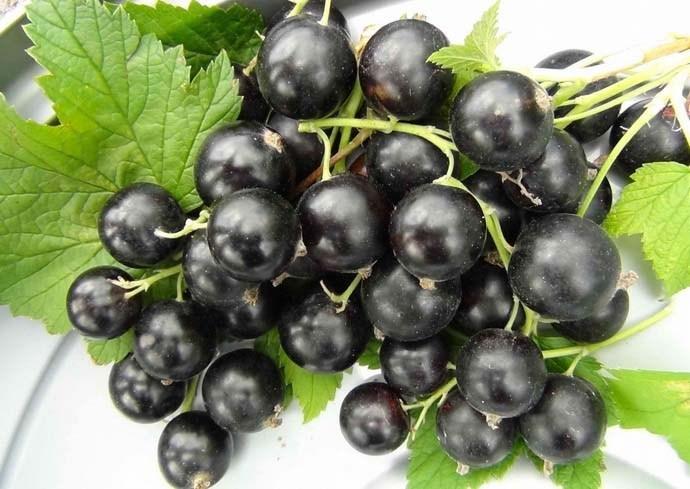
Varieties resistant to drought and frost
Drought- and frost-resistant varieties of currants allow them to be grown in all climate zones. These varieties include:
- Hercules;
- Lucia;
- Sadko;
- Crane;
- Black Stork;
- Saved.
Heat resistance is due to powerful roots.
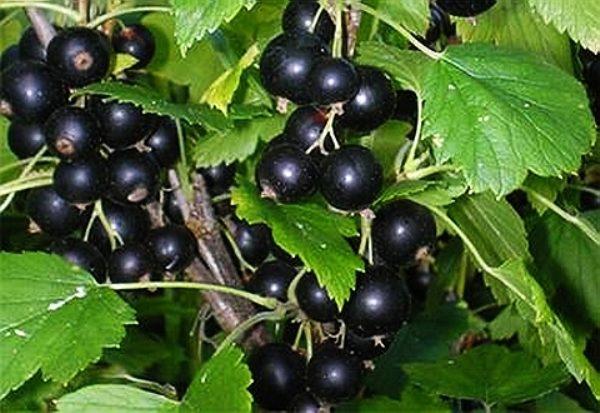
Disease resistant
Disease resistance ensures a healthy and abundant harvest and allows for cultivation without chemical treatments. These varieties include:
- Kipiana;
- Gamma;
- Grace;
- Ruslan;
- Treasure.
For the central zone and the Moscow region
Popular bush currant varieties suitable for the Nizhny Novgorod region, Moscow region, and central Russia are characterized by a medium ripening period and high yields.
Favorite
The fruits are over 2 grams in size and black. The bushes are low, up to 1.5 m. The foliage is green, dissected into several parts. Currants are frost- and drought-resistant and immune to bud mites. Fruiting begins in late July.
Venus
Blackcurrant with a low bush up to 1.5 m. Berries weigh up to 3 g and contain approximately 200 mg of ascorbic acid. They exhibit drought resistance and moderate winter hardiness. They are immune to powdery mildew.
Exotica
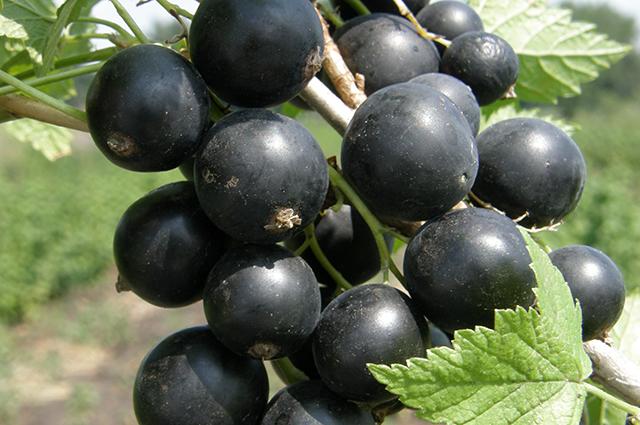
The berries are medium-sized, weighing 4 g. The bushes are medium-sized, up to 1 m. The leaves are green, and the gills are dissected. The berries are black. They have a sweet taste. Vitamin C content is 180 mg per 100 g of fruit. The variety is resistant to powdery mildew and rust.
Summer resident
The bushes are medium-sized. The berries are large, black, and sweet. They contain 180 mg of vitamin C per 100 g of product. The variety is resistant to frost, drought, and some fungal diseases.
Litvinovskaya
The berries are large, weighing 5 grams each. The yield per bush is over 1.5 kg. The plant is medium-height, with leaves dissected into three parts. It blooms with purple flowers. Frost-resistant, moderately drought-tolerant. Susceptible to bud mite attack.
Moscow
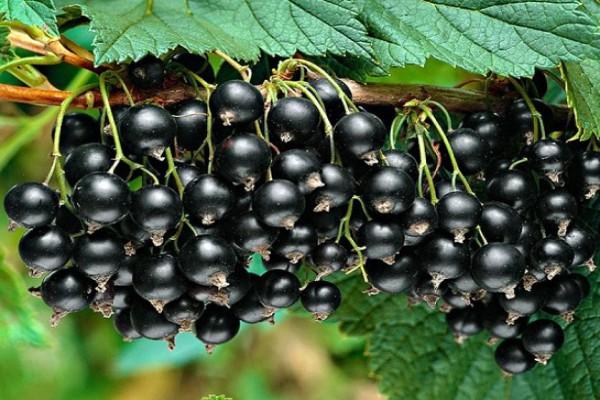
A versatile currant variety, suitable for growing for processing and consumption. Contains 10% sugar and 250 mg of ascorbic acid. Easily tolerates frost and drought. Resistant to fungal diseases.
For the Urals and Siberia
Currants suitable for cultivation in the North must be zoned for early ripening and winter hardiness.
Prestige
A self-fertile, high-yielding bush that easily tolerates heat and frost. It has a moderate sugar content and high vitamin C levels. The bush grows to a height of 1.8 m with five-lobed leaves. It is resistant to budworms.

Spherical
An early-ripening, winter-hardy variety. Produces large volumes of fruit, with berries weighing up to 3 g. Sugar content is 10%. A versatile currant that tolerates transportation well. Blooms in early May.
A gift for Kuzior
The berries are black, 2.5 g in size. Fruits of varying sizes grow on the branch. It is resistant to powdery mildew, frost-resistant, and early maturing.
For Crimea and the Southern regions
All varieties are suitable for the south and hot climate zones. Even late-ripening currants have time to ripen in these climates. The main thing is to provide the necessary care.
Related posts:
 Characteristics and descriptions of the 40 best red currant varieties
 The best and new varieties of black currant for growing in the Urals, planting and care
 Description and characteristics of the 25 best blackcurrant varieties for Siberia
 Beginner's Guide to Growing Grapes in Open Ground in Central Russia
 The health benefits and contraindications of black currants
 Description of 36 of the best sweet and large varieties of gooseberries
 The health benefits and contraindications of white currants
 20 Best Blackcurrant Winter Preserves Recipes