
- Specifics of choosing a variety for Siberia
- The best and most popular varieties
- Ural beauty
- Treasure
- Bagheera
- Hercules
- Gross
- Pearl
- Classification by ripening time
- Early ripening varieties
- Nika
- A Gift for Curiosity
- Lama
- Mid-season crops
- Altai woman
- Rita
- Late-ripening varieties
- Mila
- Red-fruited varieties
- Early sweet
- Jonker Van Tets
- Chulkovskaya
- Dutch pink
- White currant varieties
- White Potapenko
- Minusinsk white
- The best sweet crops
- Triton
- Varieties of resistant cultivars
- Binary
- Large-fruited and productive varieties of currants
- Dobrynya
- Pygmy
- Selechenskaya-2
- Titania
- Newly bred varieties
- Features of planting and caring for currants
- When to plant: spring or fall
- Rules of agricultural technology and care
- Tips and recommendations from gardeners on growing berries
Blackcurrant is an easy-to-grow perennial that produces tasty and healthy berries. It's easy to grow in cool climates. The key is to choose the right blackcurrant variety for Siberia. Only then can you hope for good fruit, despite the cold temperatures and shorter summers compared to other parts of Russia.
Specifics of choosing a variety for Siberia
Blackcurrants possess unique properties. They contain vitamins C, A, E, K, and PP in abundance. This beneficial complex is complemented by iron, zinc, potassium, magnesium, pectin, and tannins. Regardless of the region where blackcurrants are grown, all of these nutrients will be present. This is why Siberians choose this plant, as the cold climate requires a high supply of vitamins and microelements to maintain health.
Not only currant berries are useful, but also its leaves.
They are used to brew tea, which is consumed for breakfast, lunch, and dinner. The substances in processed currant products, including tea, jam, and preserves, are well preserved. But to ensure the best taste and quality, it's important to choose the right variety.
Choosing the right variety depends on the specific characteristics of a particular Siberian region. For example, the following characteristics are present in:
- In Western Siberia, temperatures in summer can reach 35 degrees Celsius.
- In Northern Siberia, you can't expect the average temperature to be above 10 degrees during the warm season.
- In the Vostroy region of Siberia, polar nights can have a special effect on vegetation.
The most successful variety is selected depending on the specific region. However, in any case, each plant should possess the following characteristics:
- frost resistance - optimal if the plant can withstand temperatures down to -40 degrees;
- unpretentiousness in relation to temperature changes - currants should not die if there is a sharp climatic jump (the same rules apply to humidity);
- the ability to grow even without sunlight - if there is no sunlight for up to 254 hours, the plant should not become unusable.
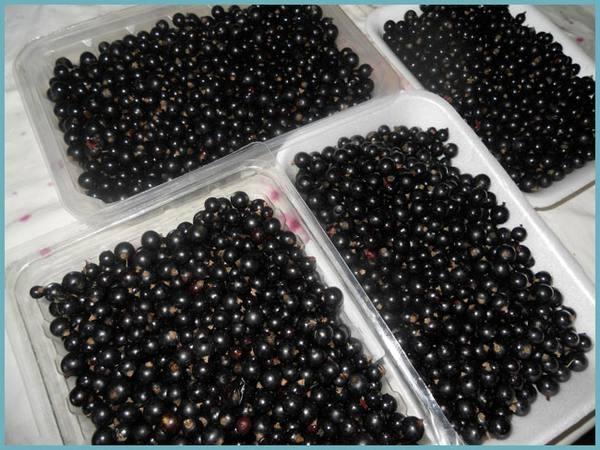
Many currant varieties are also quite tolerant of strong and cold winds. However, this requirement is not mandatory. In extreme cases, if a variety is ideally suited to all other characteristics, it can be protected from strong winds using special structures.
The best and most popular varieties
There are dozens of currant varieties, but not all are ideal for the Siberian region. Priority is given to those capable of producing a large harvest at minimal temperatures.
Ural beauty
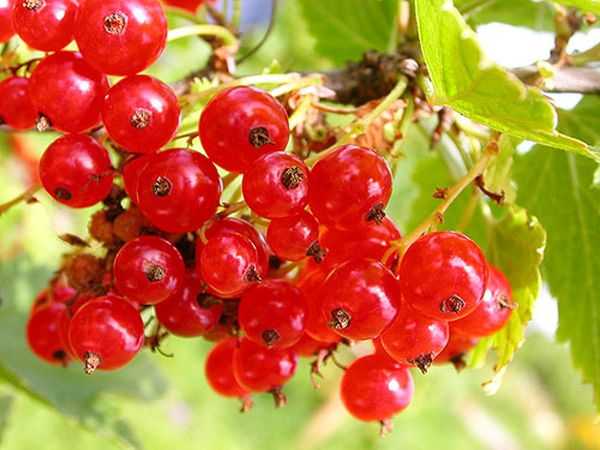
The Ural Siberian Beauty is a popular, low-maintenance, and frost-resistant variety. This variety was bred in Siberia, so it produces its best fruit in this region. The berries it produces are large (up to 6 grams each), yet they have an excellent, rich flavor, are juicy, and sweet. They are suitable for jam, preserves, and frequent fresh eating. A single Ural Beauty bush can yield up to 3 kilograms, provided proper care and regular pest control are followed. A distinctive feature is that it is not afraid of frosts down to minus 39 degrees.
Treasure
Sokrovishche (Treasure) is a Russian-bred variety distinguished by exceptional frost resistance (down to 35 degrees Celsius). The bushes grow to a medium size, with moderately spreading branches, making them convenient for any gardener. The berries are brownish-black in color, and the clusters are medium-long. The highest yield is achieved in August. This variety also produces quite a large amount of berries—an average of 2.8 kilograms per bush.
Bagheera
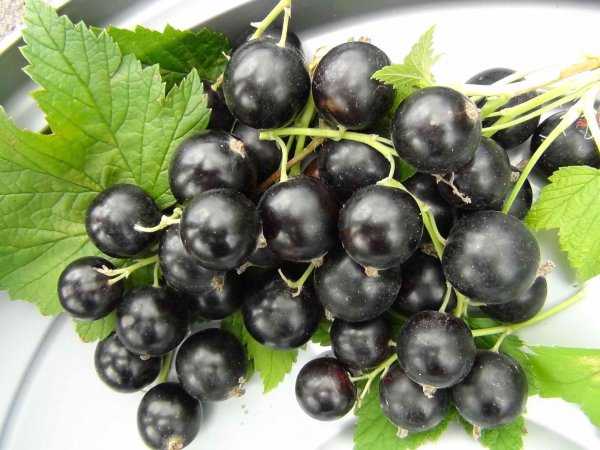
The Bagheera variety is a mid-season variety. It gets its name from the distinctive bluish-black color of its berries. A single bush produces a large harvest—with proper care, a mature plant can yield about 4 kilograms of berries. They are small—up to 1.5 grams—but are high in vitamin C. Their skin is thick, and the flesh inside is juicy and rich in flavor. This variety is rarely used for preserves; these berries are primarily eaten fresh.
Hercules
The currant bush is tall—it can reach up to 2 meters—with an upright crown. It begins to ripen in Siberian regions in mid-summer. A single bush can yield up to 5 kilograms of large, delicious, and richly flavored berries. It has a strong immune system.
Gross
The Valovaya currant variety has a medium-sized bush with excellent disease resistance. A single berry weighs up to 2.5 grams. The maximum yield is achieved in the fourth year, when a single plant can yield up to 4 kilograms of berries. This early-ripening hybrid is harvested in early July.
Pearl
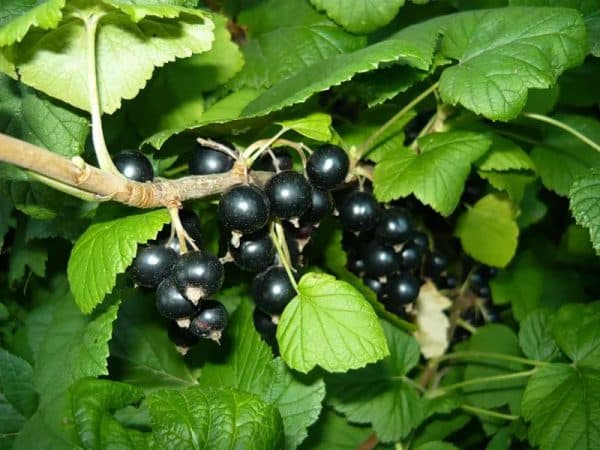
Zhemchug is a mid-season variety, with a single berry weighing up to 1.5 grams and a bright, rich black hue. It doesn't have a strong immunity, so regular preventative measures and pest control are required. It can withstand temperatures as low as -30°C, making it unsuitable for the coldest regions. A single bush can yield up to 5 kilograms.
Classification by ripening time
The variety is selected based on its ripening time depending on the region. If this requirement is not met, the currants may simply not ripen by the end of the season.
Early ripening varieties
Currants grow in Siberia that begin bearing fruit as early as early June. What's special about this variety is that it doesn't die during May frosts, which are common. Its early ripening prevents pests and infections from spreading, so it requires less financial and human resources for cultivation.
Nika
The Nika variety is the most popular among Siberian plants. The bush is medium-sized and spreading. During flowering, small pinkish flowers appear, which develop quickly. By early June, the plant produces large berries for harvesting. A single currant can weigh up to 4 grams, but the average is around 2.5-3 grams. It has a distinctive, sweet-sour flavor, a round shape, and a bluish-black color. A single bush yields up to 2.6 kilograms.
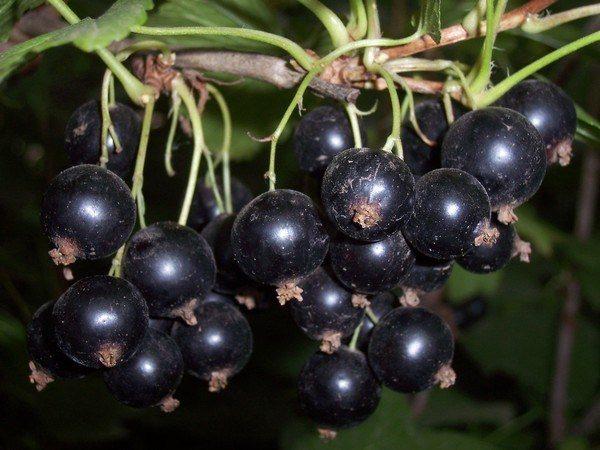
The Nika variety is self-fertile, meaning gardeners don't need to resort to any special techniques to ensure a harvest. Another positive trait is its resistance to anthracnose and powdery mildew. However, it won't withstand attacks from aphids, septoria leaf spot, and bud mites without additional insecticides.
A Gift for Curiosity
A medium-sized bush distinguished by large pink flowers during flowering. A single fruit can weigh up to 3.6 grams, with a fairly thick skin. A single bush can yield up to 3.2 kg. The flavor and consistency are medium, allowing this variety to be used in a variety of ways. The Podarok Kurioz variety is resistant to fungal diseases that affect plants of this species.
Lama
This vigorous variety produces vibrant pink flowers with a purple tint. The berries are small, weighing barely 2.4 grams. They are easy to transport and versatile, making them suitable for export to other regions of the country.
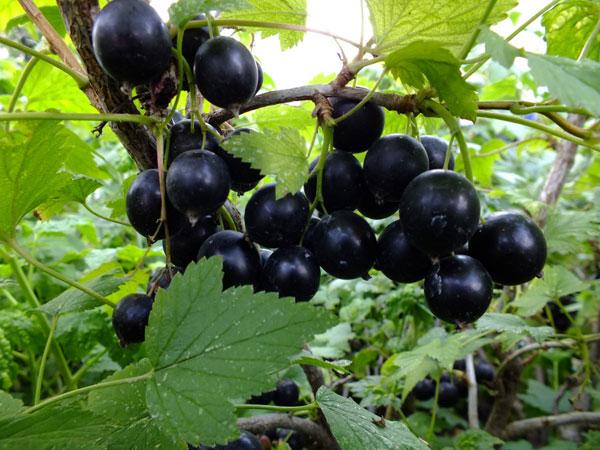
Llama fruits ripen together, making them convenient for harvesting. A single bush can yield up to 2.7 kg of berries.
Mid-season crops
Mid-season varieties develop later and are harvested in early July. They differ from the first early-season variety not only in harvest time but also in taste. It's somewhat sweeter, as the berries have had time to absorb more minerals and nutrients.
Altai woman
This medium-sized variety has straight, brown shoots. Its three-striped leaves distinguish it from other varieties. The berries are small—up to 1.6 grams in weight—but very sweet and rich in vitamin C. Up to 3.8 kilograms can be harvested from a single bush. They are highly resistant to high and low temperatures, as well as drought. Altayanka currants are resistant to bud mites and gall aphids. Mechanical harvesting is possible.
Rita
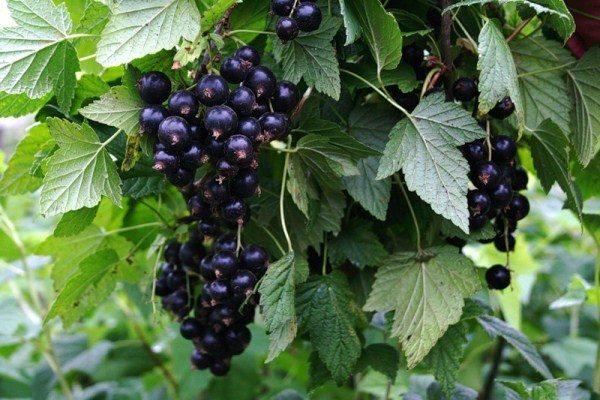
Vigorous bushes with five-lobed leaves. Flowers are white with a pink tint. The average berry weight is 4 grams, which is practically a record. A bush produces up to 3.5 kg of berries. They are versatile, and their hard skin makes them easy to transport. They are not resistant to bud mites.

Late-ripening varieties
Late-ripening varieties can also be grown in Siberian regions. However, there are a number of restrictions.
Mila
A medium-sized bush producing very large berries. Ripe berries weigh approximately 4.5 grams, and they have a stunning, rich, sweet-tart flavor and a vibrant aroma. They are easy to transport, but automated harvesting is not recommended. A single bush yields up to 3.5 kilograms of berries. They are not resistant to anthracnose or septoria.
Red-fruited varieties
Red varieties are also planted in Siberian conditions, although it is customary to plant most varieties in sunny and open areas.
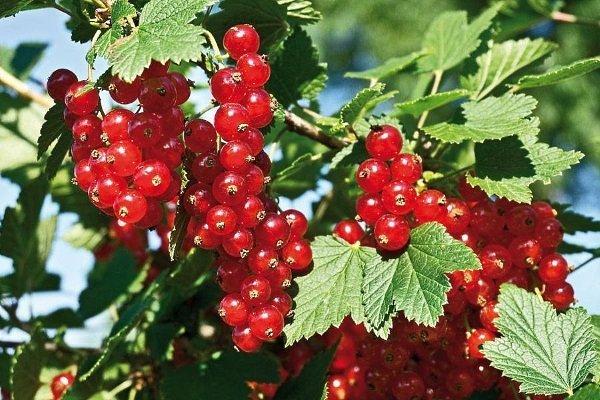
Early sweet
A medium-sized shrub with a compact crown. Each fruit weighs up to 0.9 grams and is light red. It tolerates temperatures down to -30°C, yet produces a high yield. It is susceptible to fungal attack and does not transport well. It is excellent for canning for the winter.
Jonker Van Tets
Developed in Holland in 1941, this variety is one of the oldest varieties. It has numerous branches and a spreading bush. It is highly productive, bearing fruit independently, and does not require pollinators. Berries weigh up to 0.7 grams. Although this variety is considered more suited to the climate of central Russian regions, it is also successfully planted in Siberia.
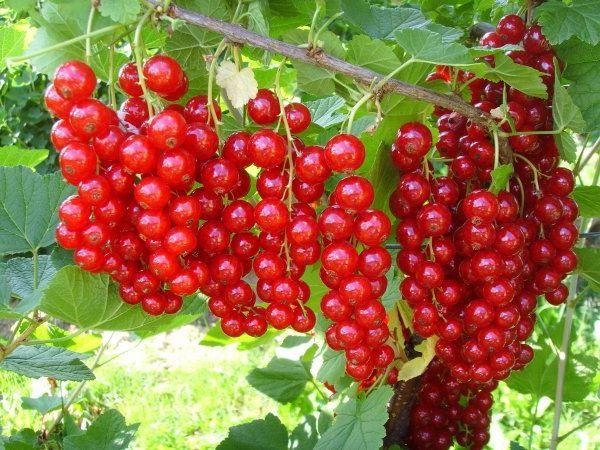
Chulkovskaya
Developed by Russian breeders in 1947, this sweet variety is self-fertile, requiring no pollinators. It's a versatile variety, medium in size (0.7 grams), perfect for canning. It's rarely eaten fresh, as its flavor is somewhat tart compared to other varieties.
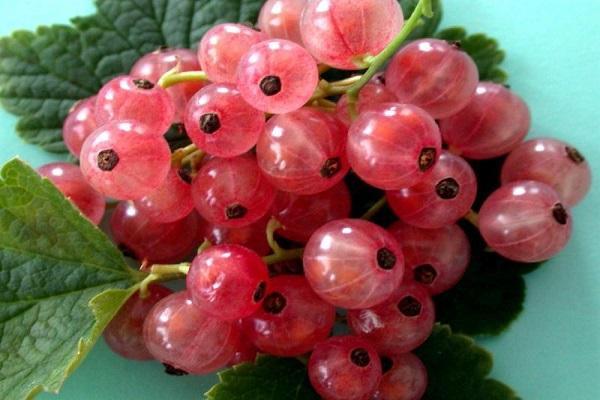
Dutch pink
The bush grows tall, with a distinctive rectangular crown. It has a pleasant, sweet-tart flavor, but is best consumed processed. It tolerates drought well and is resistant to fungus. The fruit ripens early in the last month of summer, which isn't always possible in all regions of Siberia. Its distinctive feature is its rich pink color.
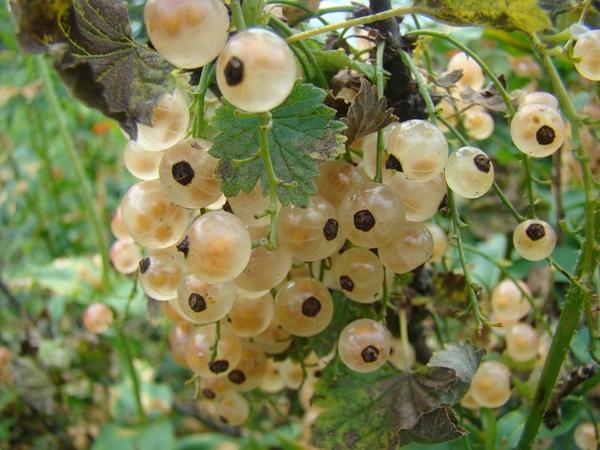
White currant varieties
White currant varieties listed below It is resistant to frost and drought. The fruits are consumed fresh and can be processed.
White Potapenko
Developed in Russia in 1991 by crossing the Red Siberian and Red Cross varieties, this variety is a medium-sized bush with berries weighing no more than 0.6 grams. It is frost-resistant and ripens early, in early June.
Minusinsk white
Bred in 1997, it is considered the best variety for Siberia. It has a short shelf life.
The best sweet crops
The yield of this variety reaches up to 1 kg per plant. Fruits weigh up to 1.2 grams. The flesh is sweet and tart, with a pleasant, thin skin.
Triton
A mid-early hybrid variety with high resistance to powdery mildew. The fruit is high-quality and can be eaten fresh or processed.
Varieties of resistant cultivars
Disease- and pest-resistant varieties are convenient to grow because they require less financial and time-consuming plant treatment.
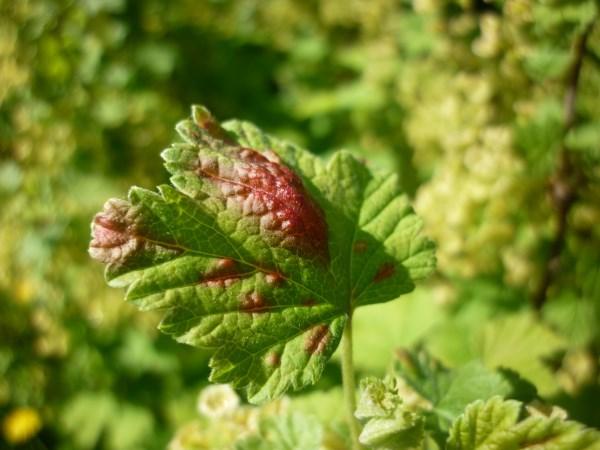
The most common diseases of black, red and white currants are affected by anthracnose, septoria leaf spot, and powdery mildew. Without prevention and treatment, they will destroy at least half the crop and lead to subsequent plant death. Breeders have developed currant varieties that are resistant to these pests. These include those suitable for growing in Siberia: Selechenskaya, Titania and Binar.
Binary
This variety is resistant to pests and diseases and requires little special care. Each 5-centimeter cluster produces 5 to 7 berries weighing up to 1.4 grams. The bush is compact and undemanding. It is resistant to spider mites, powdery mildew, and anthracnose.
Large-fruited and productive varieties of currants
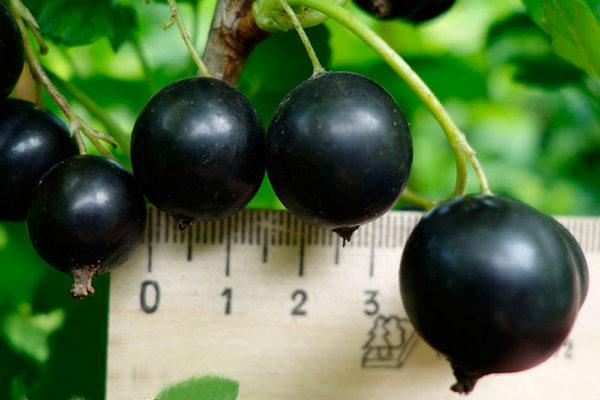
Large-fruited varieties produce delicious, large berries that are slightly tart but very sweet. The weight of a single fruit of the currant varieties listed below ranges from 2 to 8 grams.
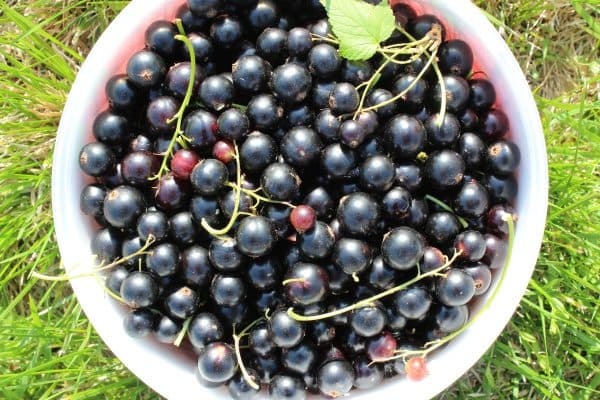
Dobrynya
The youngest variety, developed in 2004. Each berry weighs 5 grams, with up to 7 berries per cluster. Up to 2 kilograms can be harvested from a single bush.
Pygmy
The berries of this variety are admired for their size and deliciousness. A large berry can weigh up to 7 grams. It bears fruit for almost a month (late June to July).
Selechenskaya-2
The bush is compact and not spreading. The berries are very sweet, weighing up to 6 grams, with up to 14 berries per cluster.
Titania
This Swedish variety was introduced to Russia about 20 years ago. The average berry weighs 4 grams, with up to two dozen fruits per cluster. It ripens in mid-July. The bush's stems reach a height of one and a half meters.
Newly bred varieties
Currently, over 200 varieties are known for different regions of Russia, more than 20 of which are suitable for Siberia. Choosing black, red, and white currants isn't easy. It's recommended to plant 2-4 varieties with different fruiting rates. This will help determine which one thrives best. Newly bred varieties are distinguished by their convenient bush shape, large fruits, and resistance to pests and diseases.
Features of planting and caring for currants
Currants are an easy-to-grow plant. They grow in any soil, but require annual fertilization with mineral and organic matter. They dislike waterlogged and acidic soil. The former can be alleviated by adding compost or sand, and the latter by adding wood ash and lime.
If the currant variety is susceptible to pests, treatment and pest prevention are required. The appropriate methods are selected depending on the prevalence of diseases in a given region.
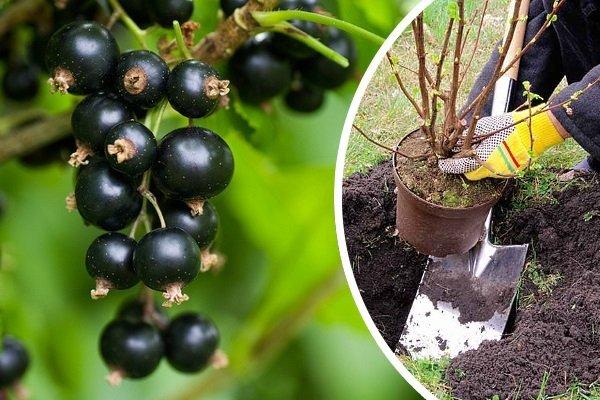
When to plant: spring or fall
Plant seedlings in a southwest-facing location. Sunny or light shade is ideal, but never full shade.
Planting can be done at any time, but the care method will vary depending on the time. If planting in spring, the time should be no earlier than the end of April, and if planting in autumn, three weeks before the first frost.
The hole for the seedling (50 centimeters) is processed: mineral additives are added (potassium sulfate and superphosphate are suitable), a bucket of compost is thrown in.
Choose a seedling no more than 40 centimeters tall and up to a year old. Buds are essential. Roots should be at least 20 centimeters long, healthy, and strong. To stimulate further growth, place the seedling in a Kornevin solution.
After saturating the solution, plant the seedlings. Plant at an angle, loosely sprinkled with soil. Add 8 liters of water, and amend the soil with sawdust.
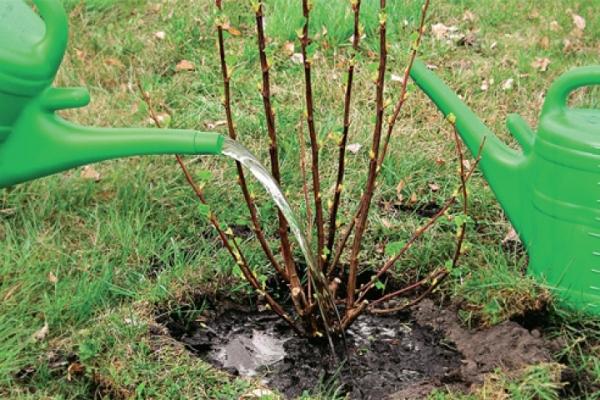
Rules of agricultural technology and care
To ensure proper fruit formation, it's important to follow a gradual process, including feeding and preventative care, and regularly renewing the soil. With proper care, the bushes will rarely get sick and produce a consistently large harvest. During dry periods, it's important to water the bushes—up to 20 liters per bush. Failure to do so, especially during the fruiting period, can ruin any hope of a tasty harvest.
Pruning is essential after leaf fall. This involves thinning out branches, removing dead ones that will no longer produce fruit, and shortening excessively long ones. Before fruit set and bud break, diseased and dry shoots are removed to create more space for the growing berries. One- and two-year-old branches are left, but old ones should not be left behind. This procedure is called rejuvenation for the bush, and it is done at a strictly allotted time.
Harvesting procedures depend on the specific growing conditions of the crop. For example, some currant varieties are suitable for mechanical harvesting. Others, however, will be crushed and turned into mush when harvested mechanically. You can determine whether a particular harvesting method is suitable by the thickness of the fruit walls. If the wall thickness is thick and doesn't crack, and the fruit itself is small or medium in size, then automated harvesting is likely suitable.
Tips and recommendations from gardeners on growing berries
Gardeners recommend fertilizing the soil annually. The specific fertilizer needed depends on the soil characteristics and the type of crop. There's no need to worry about pollinators, as almost all currant varieties are now self-pollinating. If this isn't the case, the seller will definitely let you know.
Disease prevention involves spraying with fungicides, urea, and copper sulfate solution. If pests have just appeared, home remedies will help. But sometimes it's not worth the risk. After the leaves fall, the bushes are bent down to the ground and covered with high-quality, dense agrofibre – this will prevent them from being damaged or spoiled during the cold Siberian winter.
Related posts:
 Characteristics and descriptions of the 40 best red currant varieties
 Description and characteristics of the 50 best raspberry varieties for Siberia
 The best and new varieties of black currant for growing in the Urals, planting and care
 20 Best Blackcurrant Winter Preserves Recipes
 Description of 30 grape varieties for Siberia, planting and care for beginners
 Description and rules for growing black currant variety Veloy
 Description of the 10 best currant varieties for the Moscow region, planting and care
 Descriptions of the 20 best cherry varieties for the Moscow region, their planting and care