
- Blackcurrant 'Lazy': characteristics and description
- History of selection
- Habitat
- Botanical description
- Flowering and fruiting period
- Taste qualities of berries, further implementation
- Immunity to diseases
- Frost resistance
- Landing specifics
- Site selection and preparation
- Purchasing a seedling
- What to plant next to it
- Timing and rules for planting crops
- What kind of care does the Lentyai variety require?
- Watering
- Use of fertilizers
- Shaping and pruning
- Disease prevention
- Insect protection
- Preparing currants for winter
- Gardeners' reviews of the crop
Russian gardeners prefer to grow the Lentyai currant due to its low maintenance and excellent flavor. Since this variety ripens late in temperate climates, a large harvest can be harvested in late summer. The Lentyai black currant will thrive and produce fruit with proper care.
Blackcurrant 'Lazy': characteristics and description
The currant received its interesting name, "Lazy," due to its late ripening in August. By this time, other varieties have completely finished fruiting. Lazy currants have a pleasant flavor typical of dessert berries.
History of selection
This variety was developed by agronomists T. Ogoltseva, L. Bayanova, and S. Knyazev at the end of the 20th century at the Research Institute of Fruit Crops. The scientists crossed two varieties—Minai and Bredtorp—to produce an interesting late-ripening variety.
Habitat
Since 1995, the Lentyai currant has been included in the State Register of varieties cultivated in:
- Middle Volga;
- Volga-Vyatka;
- Central;
- Western regions.
It feels great in the climate of these regions and is well adapted to low temperatures.
Botanical description
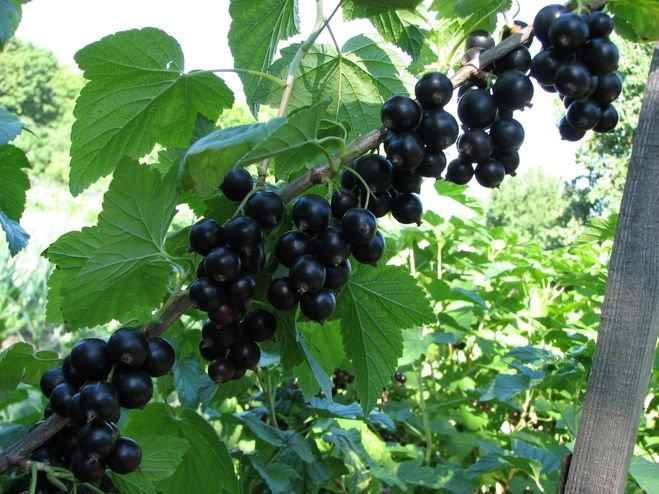
The Lentyay currant grows as a tall, lush bush, producing smooth, straight, light-green shoots. The leaves are large, framed by wide, short teeth. The pinkish-purple buds are cone-shaped. The red flowers resemble bells. The medium-sized inflorescences are firmly held on long racemes.
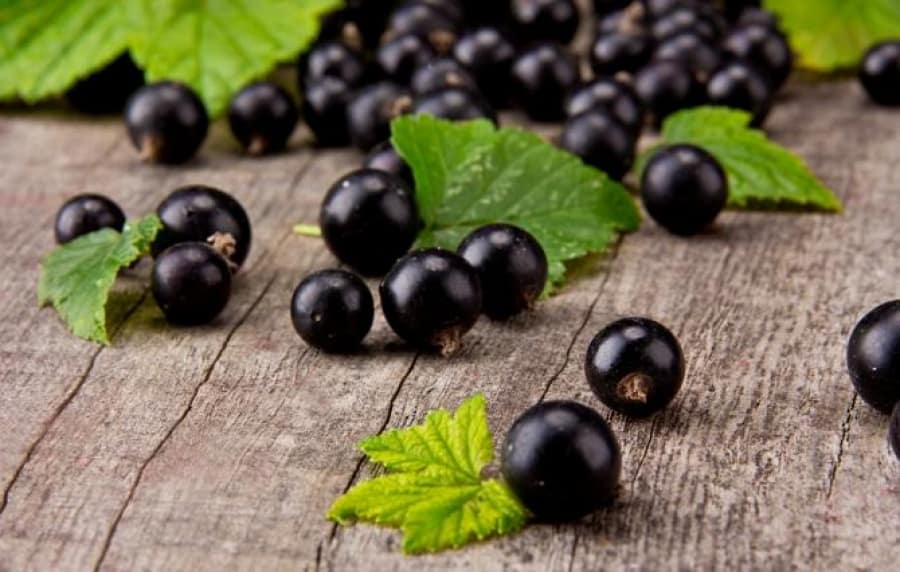
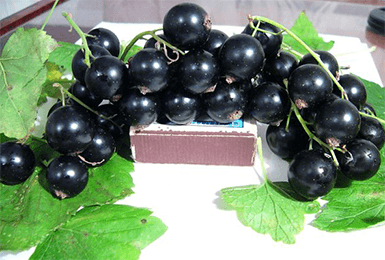
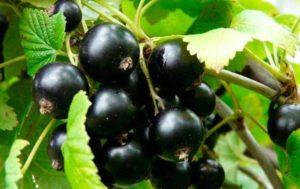
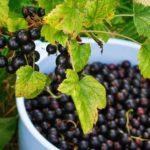
The berries of the Lentyay currant acquire a round shape, become large in size (5-6 g) and are black with a brownish tint.
The calyx is round, medium-sized, or small, with a semi-open appearance. The peduncle is slightly curved and medium-length.
Flowering and fruiting period
The lazy tree begins blooming around the last week of May. The fruiting period lasts from July to mid-August.
Taste qualities of berries, further implementation
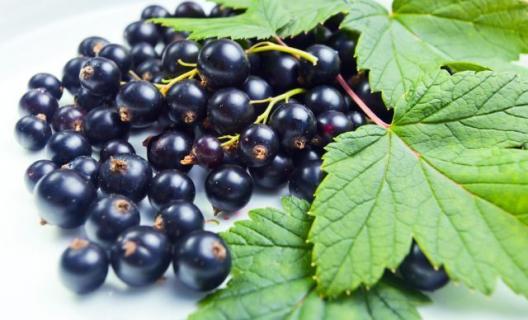
The lentyayka has a sweet, pleasant flavor. There are many ways to store and use it. The berries can be:
- rub with sugar;
- preserve;
- dry;
- freeze in the refrigerator;
- keep fresh in the refrigerator, freezer.
Immunity to diseases
This variety is distinguished by its resistance to various pests and diseases, and is not susceptible to anthracnose, terry leaf spot, or white spot. Bud mites are almost never attracted to this plant.
However, insects and weeds can cause pests and infestations. Therefore, it's important to take the necessary preventative measures in advance.
Frost resistance
The lazy plant is frost-resistant, requiring no additional winter insulation. It can withstand temperatures down to -34 degrees Celsius.
To prevent possible freezing of the roots, you need to mulch the tree trunk circle with horse manure or sawdust.
Before doing this, it's necessary to moisten the soil and remove all weeds. In winter, rake more snow under the bushes.
Landing specifics
To reap a bountiful harvest, it's essential to prepare the plot and select healthy seedlings. This will determine the yield and growth of the plant.
Site selection and preparation
The main criteria for choosing a planting site:
- Light intensity - if the planting site is not exposed to sunlight, the bush will not produce a good harvest of berries.
- Avoid drafts; bushes should be placed near a fence to protect them from winds and drafts.
- The soil should be loamy; slightly podzolic and sandy loam are suitable. The pH level should be between 6 and 6.5. If the site doesn't have this type of soil, you'll need to supplement the soil with river sand.
- The predecessors should be legumes and winter crops.
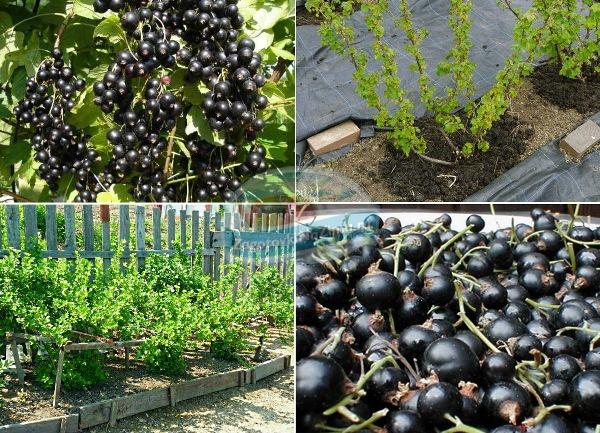
To plant Lazy Blossom, it's important to prepare the site a couple of weeks in advance. First, you'll need to dig up the soil, remove all weeds and roots, and enrich the soil with organic fertilizer and mineral supplements.
The next step is to dig a hole approximately 40-50 cm deep and 50-60 cm in diameter. Place a special drainage mixture (compost or humus, 100 g of superphosphate, and fertile soil) on top of the hole. Place a drainage layer of approximately 15-20 cm at the bottom of the hole to prevent the soil from becoming waterlogged.
Purchasing a seedling
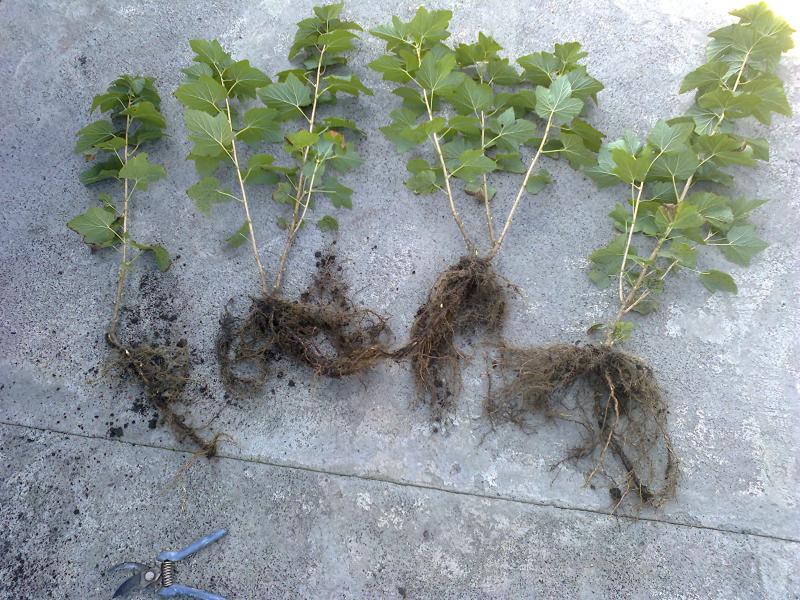
The main criterion when choosing a Lentyay currant seedling is that its root system should have 2-3 woody shoots, be fibrous, and strong. Before purchasing, be sure to inspect the seedling for diseases, fungus, and rot. There should be 2-4 flexible, smooth shoots. The bark should be free of bumps and cracks. Ideal bark has a smooth, even appearance. The ideal age for a currant seedling is 2 years.
What to plant next to it
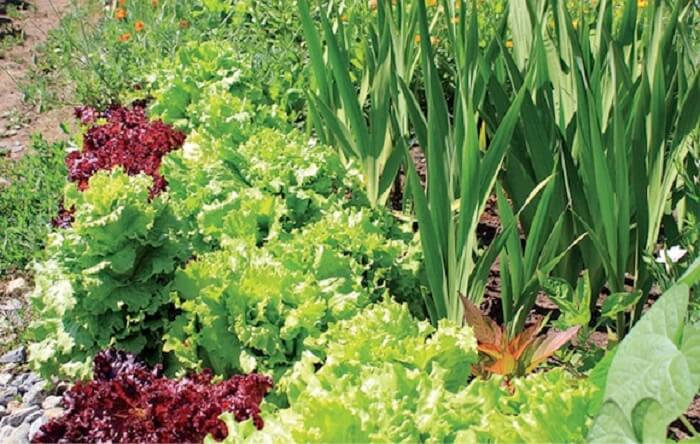
You can plant greens, carrots, or potatoes near the Lentyay currant seedlings. These plants require similar care. Another advantage of potatoes and other garden greens is that they won't infect the Lentyay currant with diseases.Don't plant different currant varieties together. Excessive pollination can result in loss of yield and the variety's original qualities.
Also, cabbage and tomatoes, which prefer moist soil, should not be grown near blackcurrants. This will cause the currant roots to rot and die. Tomatoes and cabbage can transmit diseases to the Lazy Bug, which they are susceptible to.
Timing and rules for planting crops
The most favorable time for Planting blackcurrant 'Lazy' - early autumnThis can also be done in the spring, but only after the snow has melted and the ground has warmed to 7-10 degrees Celsius. To ensure the currants take root and subsequently yield a bountiful harvest, it's important to plant them correctly.
Planting algorithm for the Lentyai currant:
- Place the roots of the plant in water so that they are saturated with sufficient moisture.
- Pour 2 liters of water into each hole.
- Carefully straighten and evenly distribute the roots at the bottom of the hole.
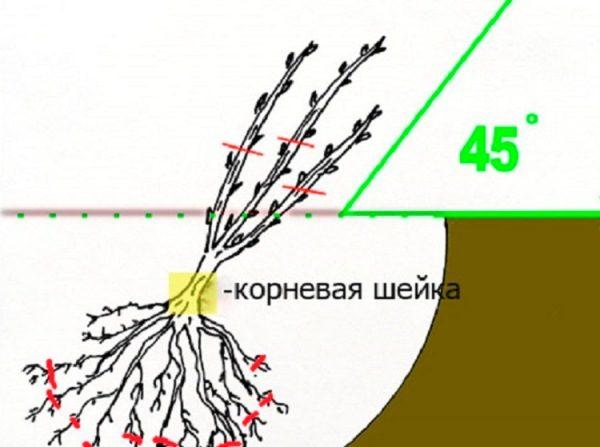
- Root the seedlings by tilting them at a 45-degree angle. Deepen the root collar 5 cm below ground level.
- Fill the hole with soil previously mixed with compost.
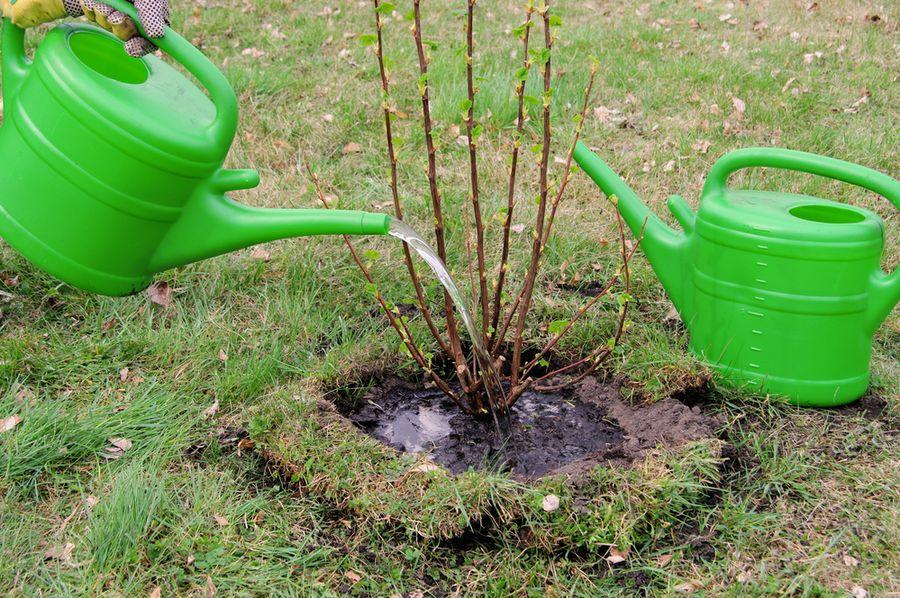
- Then water the seedlings - 2 liters of water for each.
What kind of care does the Lentyai variety require?
Caring for the Lentyai variety involves proper fertilization, adequate watering, and timely pruning. To ensure a good harvest, consider each step carefully.
Watering
It's important to note that the Lazy currant doesn't like excessive moisture. You can create small trenches near the plant's roots or use a sprinkler system for watering.
Particular attention should be paid to irrigation in the following cases:
- summer watering during the period when ovaries are formed;
- if the soil dries out (moisten 2-3 times every 7 days, 10 liters per plant);
- irrigation in summer when the berries begin to ripen;
- pre-winter and moisture-recharging irrigation.
Use of fertilizers
Fertilizing is an important part of plant care. It significantly increases the yield. In the spring (late March), feed currants with nitrogen fertilizer:
- chicken manure (100 g per 10 l);
- urea (40 g per 10 l).

When ovaries begin to appear, nitroammophoska is added to the plant (150 g per 10 l). In the fall, feed Lentyayka using a mixture of humus (10 kg) and ash (100 g/m2).
Shaping and pruning
The first pruning of the Lazy Tree is required to stimulate growth and is performed after planting.
Prune all shoots, leaving three buds on each branch. Formative and thinning pruning is performed two years after planting.
You need to leave about 5 strong shoots, remove the rest, and cut off the tops of last year’s shoots.
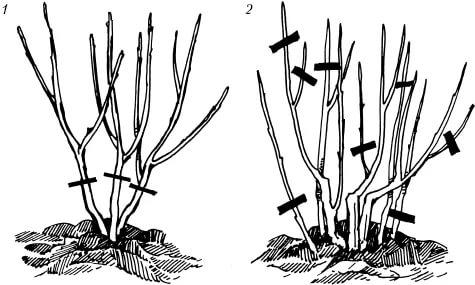
Sanitary pruning involves removing dried and frozen branches, as well as wrinkled and diseased shoot tips. Rejuvenation pruning should be done after the fifth or sixth year. In this case, all old, dry, and drooping branches and shoots are removed.
Disease prevention
To prevent currant damage, spray the bushes with a solution of Nitrofen or Fundazol. This should be done carefully before the growing season begins in early spring. The final treatment should be done approximately 20 days before harvest. After pruning the bushes in late fall, they should be treated again.
Insect protection
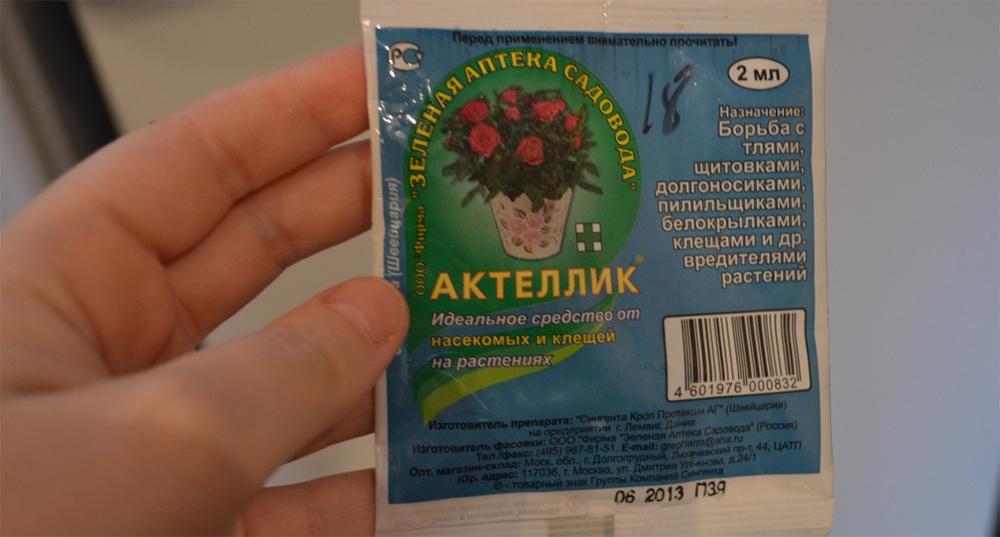
To protect plants from insects, use Actellic and Karbofos. Follow the instructions for each product.
Preparing currants for winter
Even though currants are frost-hardy, don't neglect preparing them for winter. First, tie the bush from the base to the top. This will preserve the integrity of the branches. Throughout the winter, keep the bushes covered with snow until they are completely covered.
Gardeners' reviews of the crop
Anna Vasilyevna: "This variety is easy to grow. The main thing is to choose the right site and provide fertilizer and water properly. The currants are delicious; the bushes grow huge, the berries are large, and they freeze well. What's interesting about this variety is that after all the other varieties have finished fruiting, you can enjoy the late, sweet berries."
Related posts:
 Characteristics and descriptions of the 40 best red currant varieties
 The health benefits and contraindications of black currants
 Description of the 50 best blackcurrant varieties for different regions
 Red currant health benefits, properties, and contraindications
 20 Best Blackcurrant Winter Preserves Recipes
 Description and characteristics of the 25 best blackcurrant varieties for Siberia
 The health benefits and contraindications of white currants
 The best and new varieties of black currant for growing in the Urals, planting and care