
- The best time to plant currants
- Spring
- Autumn
- Is it possible to plant in summer?
- Choosing a location
- Predecessors of currants
- The best neighbors
- Apple trees
- Clover
- Potato
- What crops are prohibited from being planted together?
- Required soil composition
- Dimensions and depth of the planting hole
- How to plant correctly
- Selecting high-quality planting material
- Schemes and technology for planting seedlings
- On the trellis
- In the tire
- How and what to fertilize a plant with after planting
- Further care
- In what cases are bushes transplanted?
- Tips and recommendations for growing
- Result
To ensure a harvest, it's important to know when to plant currants. Timing is crucial not only for the speed of bush development but also for the development of immunity to diseases. Properly selecting planting material and preparing the planting site are also crucial.
The best time to plant currants
Correct planting timing ensures a harvest and maintains the health of the plant. Gardeners make the mistake of planting seedlings late; such bushes are often susceptible to pest attacks and diseases because they don't have time to develop immunity. It's especially important to plant blackcurrants at the correct time, as they require careful care.
Spring
Currant bushes are planted in the first month of spring. If cold weather occurs, planting is postponed until April. Seedlings are planted before the buds open. The bush directs all nutrients toward root establishment rather than foliage and shoot development.
Autumn
Fall planting of currants is carried out in September, after the leaves begin to fall. During this period, seedlings take root more quickly and are less susceptible to disease. Seedlings planted in the fall develop better the following year.
Is it possible to plant in summer?
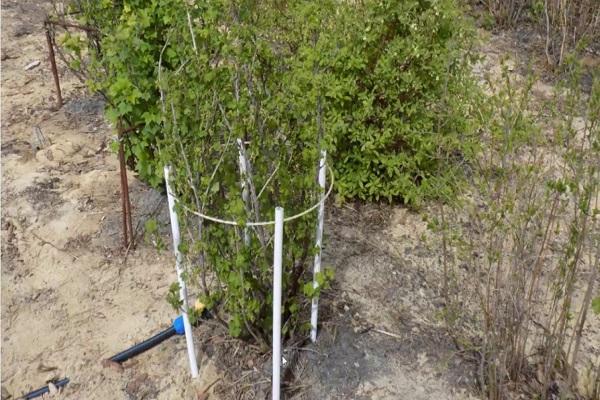
Currants can be planted in the summer; this method is most often used in regions with cold weather. Small seedlings can also be transplanted in August. Cuttings planted in the summer require additional care and regular watering.
Choosing a location
To plant currants, choose a sunny location with groundwater levels below the surface. Similar crops should not be growing in the area. Growing currants in a summer cottage should be done away from buildings and in areas with adequate drainage.
Predecessors of currants
When choosing a site where currants will be planted, it is necessary to carefully select predecessors and neighboring crops.
The best neighbors
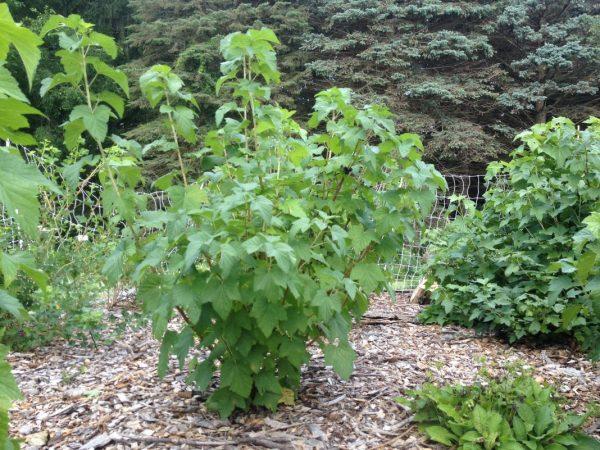
To plant currants correctly, it is necessary to select neighbors that will not affect the development of the bush.
Apple trees
Currants can be planted near apple trees. This proximity does not cause harm, as the plants have different root systems and require different nutrients. The apple tree will also provide shade for the currants during hot weather.
Clover
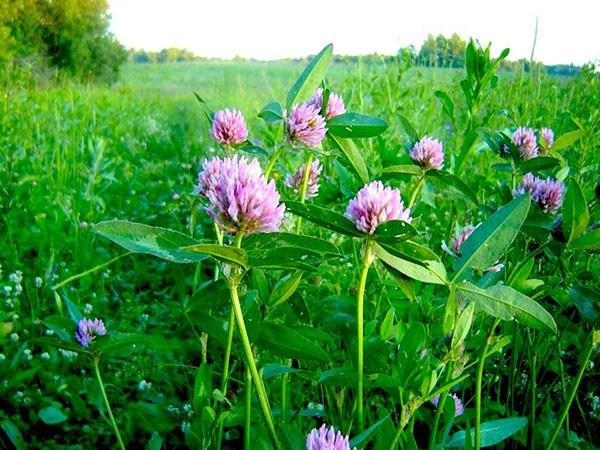
Planting clover near currants serves as a fertilizer, as clover is a green manure crop. It can be planted near currants to protect the crop from weeds and diseases.
Potato
Planting currants alongside potatoes helps repel pests. Potatoes and currants are not hostile crops and can be grown side by side for extended periods.
What crops are prohibited from being planted together?
Planting currants alongside certain crops is contraindicated. This is primarily due to the shared pests and diseases. The following plant species cannot be grown near currants in the same plot:
- gooseberry;
- rose;
- raspberry;
- cherry;
- birch;
- pine;
- plum.
Incorrectly selected neighbors can lead to the death of the plant or a decrease in yield.
Required soil composition
The area where the currants will be planted must be thoroughly dug and cleared of weeds and other plant roots. Humus is added to the planting site and left for a week. Before planting the currants, it is also necessary to prepare a nutrient mixture consisting of the following components:
- soil 2 parts;
- humus 1 part;
- superphosphate 0.5 parts.
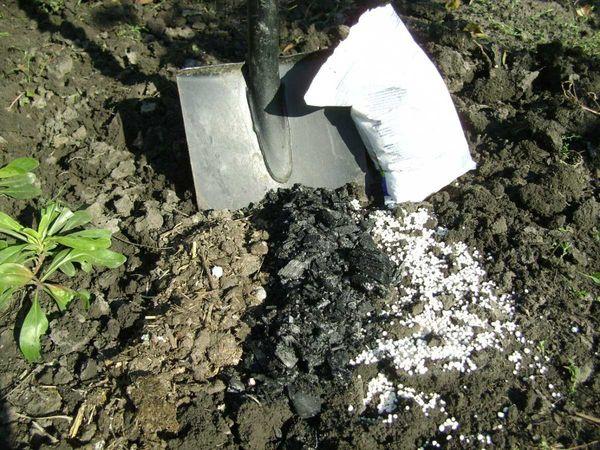
The nutrient component will be used to fill the holes after planting the seedlings.
Important: If the planting soil is too dense, additionally use coarse river sand mixed with the nutrient mixture.
Dimensions and depth of the planting hole
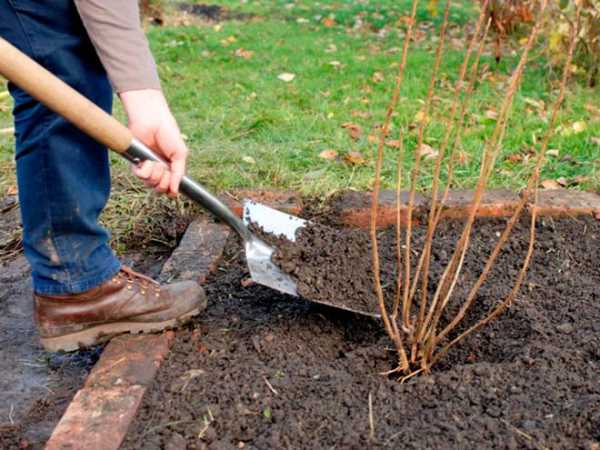
It's not recommended to plant currants too deeply. Dig holes 40 cm deep and 50 cm wide. These dimensions are sufficient for the roots to begin active development after planting.
How to plant correctly
Properly planted crops are much less susceptible to disease. Therefore, it's important to pay attention not only to the planting process itself but also to the proper preparation of the seedlings. The step-by-step planting instructions include several stages.
Selecting high-quality planting material
To ensure a healthy plant, it's important to select the right planting material. When choosing, consider the following:
- buy seedlings only from trusted sources or grow them yourself;
- the seedling must be 2 years old;
- there should be no damage or growths on the planting material;
- the roots of the seedling should have a large number of branches and be free of rot;
- the roots of a healthy bush do not crack and can bend in different directions;
- the bark should not peel and be elastic when bent;
- the seedling must have healthy buds;
- The planting material should have 2-3 shoots.
To ensure planting material quickly adapts to its new growing location, it's important to select seedlings with closed roots. This will speed up the plant's adaptation process and prevent it from drying out.
Schemes and technology for planting seedlings
The currant planting process depends largely on the type of planting material. The following currant planting methods are recommended:
- Seedlings without roots require pre-germination. The cuttings are planted in a nutrient-rich mixture and left there until roots appear. After a year, the seedlings can be transplanted to their permanent location.
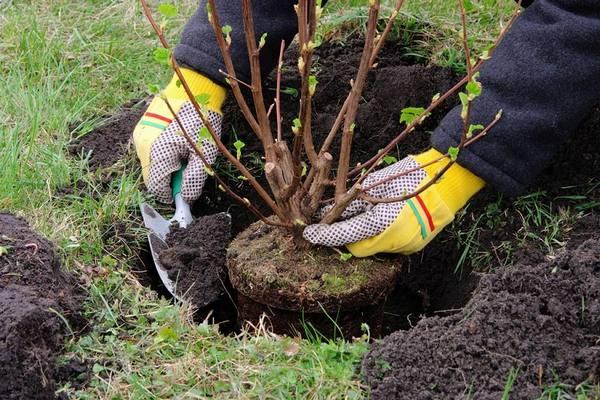
- Planting of prepared planting material in open ground is carried out according to the following algorithm:
- holes up to 40 cm deep are made on the prepared area;
- a quarter of the hole is filled with nutrient mixture;
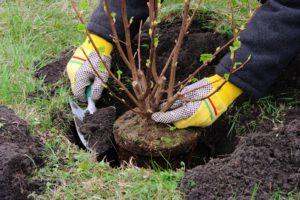
- The seedling is placed in the hole at a slight angle of no more than 45 degrees and sprinkled with a nutrient mixture; the soil is compacted and watered with a large volume of warm water.
- Seedlings with closed root systems should be planted in the same way as those with bare roots. However, during planting, the soil is not removed from the roots, but rather planted in holes. This method preserves the integrity of the roots and speeds up the adaptation process to the new growing site.

Before planting, seedlings can be additionally treated with a light solution of manganese, this will reduce the risk of disease.

On the trellis
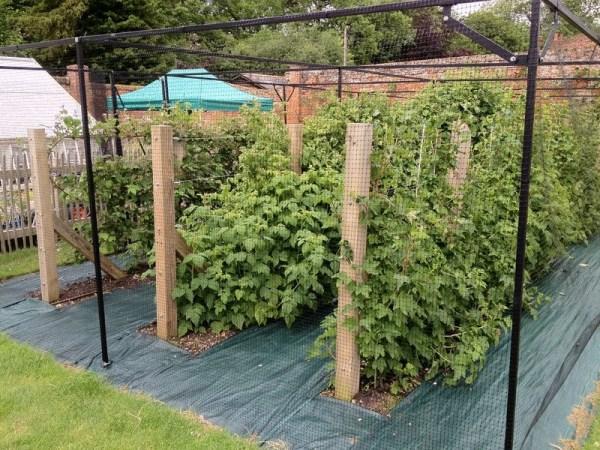
Planting currants on a trellis increases yield. To grow currants on a trellis, follow these planting guidelines:
- make a trench 20 cm deep and 10 cm wide;
- add organic fertilizers, sprinkle with soil;
- cover the trench with black film and make holes for the seedlings;
- insert cuttings to a depth of 10 cm;
- water the seedlings with plenty of water with the addition of a growth activating agent;
- After the seedlings have taken root, it is necessary to make trellises from metal pipes that are dug into the soil, and string or wire should be stretched over the pipes.
Once the plant begins to form shoots, the gardener should regularly guide the branches and remove excess ones.
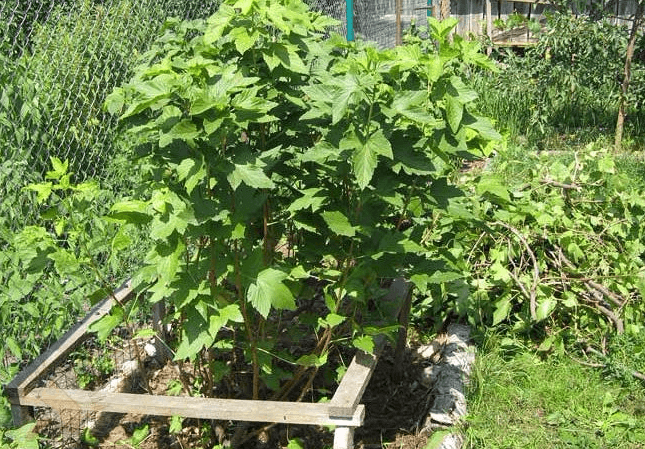
In the tire
Growing currants in a tire simplifies the care process. This method also helps maintain soil moisture for a long time. To plant currants in a tire, follow these steps:
- prepare the tire from the car;
- treat the inside of the tire with a solution of manganese;
- fill the tire with a nutrient mixture;
- plant a seedling inside a flower bed.
This method allows you to shape the bush to the desired size. However, such bushes must be regularly covered with compost and spruce branches in the fall to reduce the risk of root frost damage.
Important: When planting several currant bushes, it is recommended to use tires from large vehicles to prevent the crops from experiencing nutrient deficiencies.
How and what to fertilize a plant with after planting
To obtain a harvest from a young plant, additional fertilizers are required. Fertilization is carried out according to the following schedule:
- The first fertilizer application is done in the spring before bud break. Nitrogen is used as a nutrient. These nutrients promote the formation of inflorescences and young shoots.
- The second application of fertilizer should be done after bud formation. Phosphorus and potassium fertilizers are used.
- The third stage of fertilization occurs during berry formation. Potassium and organic fertilizers are applied.
- The fourth stage of fertilization is carried out after harvesting; it is recommended to use a complex fertilizer.
- The last application of fertilizer is carried out in the fall, in September, using humus, which also acts as an insulator.
Take a look Also
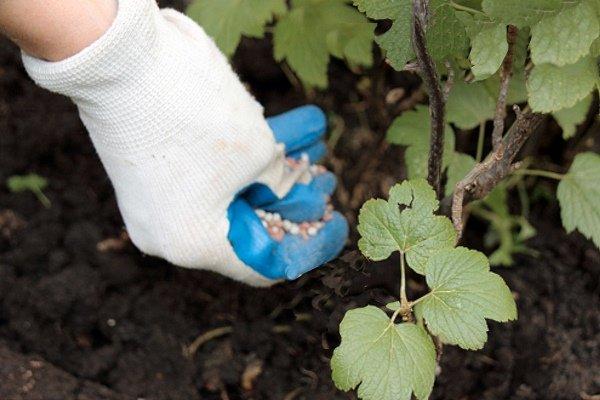
Proper application of fertilizers increases crop yields and reduces the risk of disease.
Further care
Once the seedlings are planted in the ground, it is necessary to follow proper care, which consists of the following recommendations:
- For the first 10 days, water the plants lightly daily. Later, water every 5 days.
- Remove weeds and loosen the soil before watering. This will reduce the risk of mold and oxygenate the soil.
- Treat bushes against pests and diseases in a timely manner.
- Carry out sanitary pruning.
After planting currants in the first year, the inflorescences must be removed to strengthen the roots.
In what cases are bushes transplanted?
It is recommended to transplant mature bushes to a new growing location in the following cases:
- the seedlings are planted too close to each other;
- the soil on which the bushes grow is contaminated;
- groundwater levels rose;
- Adult bushes grow in one place for a long time.
The younger the bush, the better it will cope with the process of transplanting to a new growth location.
Tips and recommendations for growing
To increase crop yield, it is necessary to follow the following recommendations from gardeners:
- Bare-root seedlings should be purchased immediately before planting. Such planting material cannot be stored for long periods.
- Before planting, the site must be prepared at least 10 days in advance. This is necessary to allow the soil to settle.
- Bare-root seedlings should be placed in water for 2 hours before planting.
Experts also advise against planting different currant varieties close together. This will negatively impact the bushes and lead to disease.
Result
To ensure a harvest, it's important to plant currants on time. Otherwise, the yield will be low, and the plant may take a long time to adapt to its new location. Proper care and regular fertilization are also essential.
Related posts:
 5 easy ways to propagate currants with cuttings in summer
 How to plant grapes step by step, with a description of the process and care
 Step-by-step instructions and timing for replanting currants
 20 Best Blackcurrant Winter Preserves Recipes
 Description and rules for growing black currant variety Veloy
 Characteristics and descriptions of the 40 best red currant varieties
 The health benefits and contraindications of white currants
 How to propagate and grow peas, cultivation technology, and care in open ground