
- History of selection
- Cultivation areas
- Main advantages and disadvantages
- Botanical information and characteristics of the variety
- Bush and root system
- Leaf blades
- Flowering and pollination
- Fruit ripening time
- Taste and yield
- Scope of application of berries
- Resistance to subzero temperatures and drought
- Immunity to diseases and pests
- How to plant the Veloy variety in a plot
- Deadlines
- Selecting and preparing a site
- Seedling preparation and work procedure
- Further care of currants
- Watering mode
- Loosening and mulching the soil
- Fertilization
- Pruning: formative, sanitary, rejuvenating
- Pouring and hardening of bushes
- Preventive seasonal treatments
- How to cover plantings for the winter
- Methods of reproduction
- Cuttings
- Layering
- By dividing the bush
- Tips and advice from experienced gardeners
- Reviews of the variety
Around 200 blackcurrant varieties have been developed through selective breeding, including Veloy, a mid-season variety that is resistant to both low temperatures and heat. Its berries are distinguished by their yield, size, flavor, and pest resistance.
History of selection
Blackcurrants are high in vitamin C; an adult needs just 20 berries to meet their daily requirement. They are also rich in vitamin P, potassium, pectin, carotene, B vitamins, and amino acids.
The Leningrad sweet currant, or Veloy (Viloy), was developed through selective breeding last century at the Pavlovsk Experimental Station of the All-Russian Research Institute of Plant Growing. The varieties used were Leningradsky Velikan and Ojebin. It was added to the State Register in 1993.
Cultivation areas
The variety is grown in the Moscow region and the Central Belt; due to its frost resistance, it is also suitable for the Northern and Northwestern regions.
Main advantages and disadvantages
Currants of this variety have many positive qualities, but there are several disadvantages.
The advantages include:
- Young shoots produce a good harvest the following season.
- The fruits are large and sweet.
- One bush can produce 4-5 kg of berries.
- The plant is self-pollinating and does not require bees for pollination.
- The fruits remain intact during transportation.
- The variety is not afraid of cold, resistant to many diseases and pests (powdery mildew, spider mites).
One of the disadvantages is that currant berries ripen at different times, and overripe ones burst during harvesting.
Botanical information and characteristics of the variety
Experienced gardeners will immediately recognize the Velaya currant variety by its external characteristics.
Bush and root system
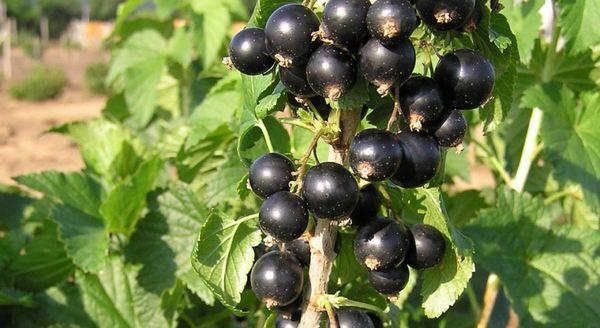
The plant's fibrous rhizome consists of thin, absorbing rootlets located shallowly (30-60 cm). The bush of this currant variety is erect, semi-spreading, reaching 1.5 m, with shoots of different ages. First-year shoots are pubescent, thick, and unevenly pink. Second-year shoots have smooth brown bark, while older branches are rough, branched, thick at the base, thinner at the top, and gray-brown or beige.
Leaf blades
The currant bush's leaf blades are arranged on dense petioles and are rounded, five-lobed, matte, and dark green. The central lobe is large, with an elongated, pointed tip, while the lateral lobes are short and wide.
Flowering and pollination
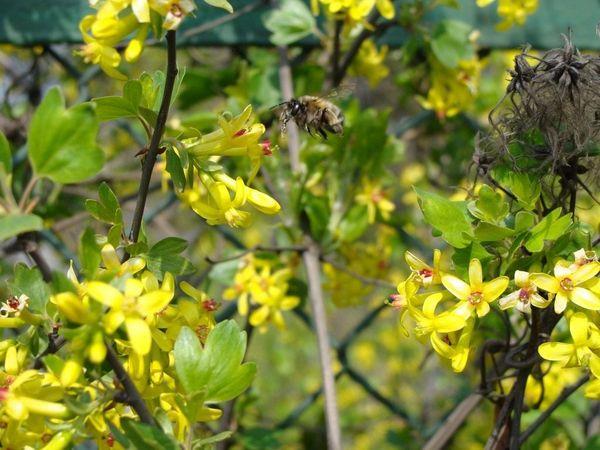
The buds are arranged parallel to the shoot, the base pressed against the branch, the tip tilted, and bloom in May. The plant's flowers resemble inverted bells with white petals, gathered in an ovoid calyx. Up to eight fruits form in the inflorescences. This currant variety is self-fertile and does not require pollination.
Fruit ripening time
After flowering, currants take 45 days to ripen. Berries form in the second ten days of July or early August, depending on the region. The number of seeds in the pulp
Taste and yield
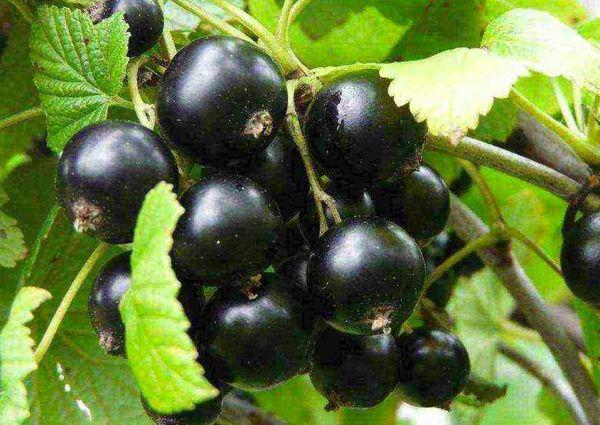
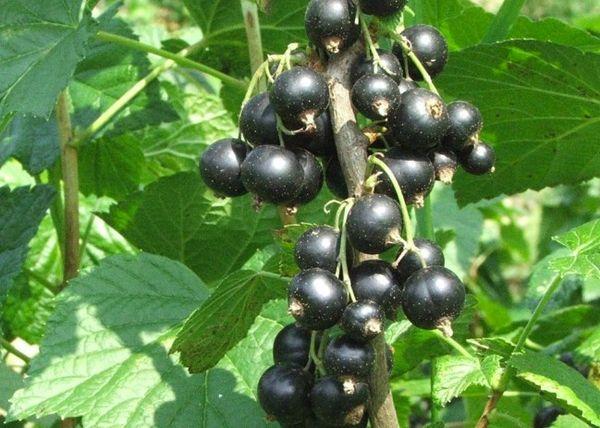
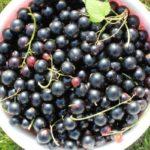
Currants are round, rich black, and thin-skinned, with a glossy sheen. They are large, weighing up to 3.5 g, with 5-7 berries per cluster. A single bush yields 3-4 kg, with a dry picking. They are distinguished by their sweet taste (up to 9.9% sugar content) and aroma.
Take a look Also
Scope of application of berries
Sweet currants are eaten fresh, dried, frozen, and used to make preserves, marshmallows, marmalade, jelly, and compote. Drying preserves their beneficial properties.
The fruits of the Velaya currant are universal; they are an excellent base for syrups, soft drinks, liqueurs, and wines.
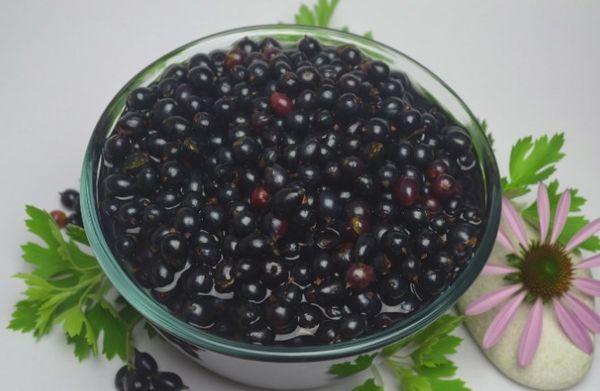
The berries are also used to treat colds. Currants normalize metabolic processes, and the Veloy variety is less acidic and recommended for those suffering from stomach ailments.
Resistance to subzero temperatures and drought
This blackcurrant variety can tolerate low temperatures and summer heat. The bushes are resistant to diseases such as powdery mildew, anthracnose, rust, terry leaf mold, and relatively resistant to bud mites. The Veloy variety rarely freezes, and even if it does, it quickly recovers.
Immunity to diseases and pests
The Veloy variety is resistant to diseases and pests, but if affected plants grow nearby, the currant bushes may also become infected. To prevent this, burn all leaves in the area in the fall and water the soil around the bushes with potassium permanganate or copper sulfate. It is recommended to treat the plants with a solution of Nitrafen or chlorophos with malathion.
How to plant the Veloy variety in a plot
Before planting currant seedlings, you need to choose the right place and time.
Deadlines
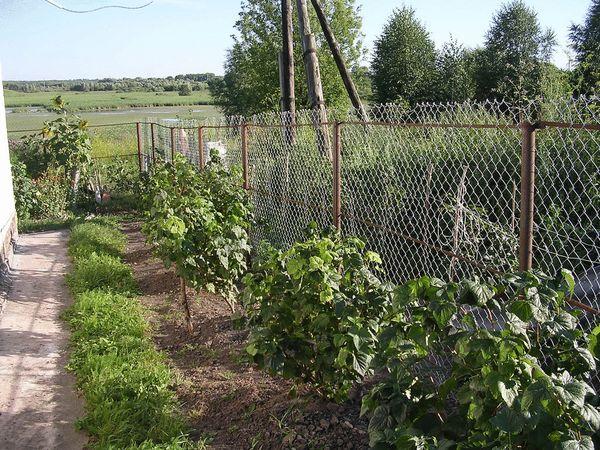
For best survival, currant seedlings are planted in the fall. This is typically early October in the central part of the country, late September in the Moscow and Leningrad regions, mid-September in Siberia and the Urals, and late October to early November in the south. Early spring planting is also possible in snow-free areas.
Selecting and preparing a site
The Veloy variety requires a well-lit, draft-free site with a water table no higher than 1.5 meters. A slightly sloping site is recommended to prevent waterlogging.
The soil should be fertile and slightly alkaline. A southeast or south-facing location is recommended, in areas previously used for growing vegetables and berries, with the exception of currants and gooseberries.
It is not recommended to plant currants next to sea buckthorn, raspberries, apple trees, and cherries.
Seedling preparation and work procedure
The currant planting area is first dug over in the fall or spring. Manure, superphosphate, and potassium fertilizers are added.
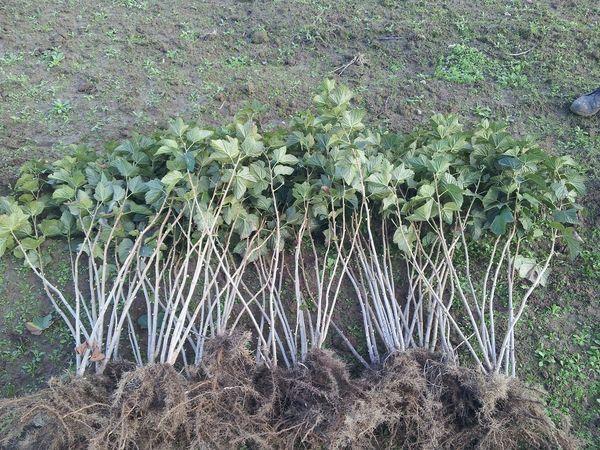
Dig a deep planting hole, up to 40 cm deep, up to 50 cm in diameter, and add drainage (wood pieces, expanded clay, or gravel). Mix the excavated soil with humus (1-2 buckets), ash (1 cup), and superphosphate (200 g) per hole. Then fill the hole 1/3 full with the mixture and water. Leave it for a week.
For several bushes, the distance between holes should be 1-1.5 m, between rows - 1.5 m.
Next steps:
- The seedlings are soaked for 24 hours in a growth stimulator, for example, Zircon.
- Shorten to 15-20 cm, leaving 3 healthy buds.
- Add some soil and place the plant at a 45 degree angle.
- The roots are straightened, covered with soil, not completely, and watered.
- After absorption, add more soil.
Water when the soil settles, adding more soil. Leave the root collar on the surface.
Further care of currants
In the future, care for the plant according to the rules, which include timely watering, fertilizing, and pruning.
Watering mode
If there's no rain, add 10 liters of water per bush 2-3 times a week from the time buds swell. Add 15 liters when buds appear, and the same amount during fruit formation. In mid-September to early October, add 20 liters per bush. Avoid stagnant water to prevent fungal diseases.

Loosening and mulching the soil
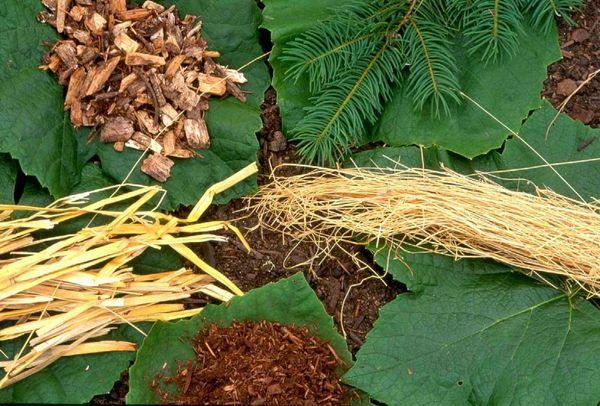
After each watering, the top layer of soil around the bush is loosened to a depth of 3 cm, weeds are removed, and mulched with sawdust and compost to retain moisture.
Fertilization
Fertilize plants in the 3rd year after planting (if all recommended mixtures were added) with mullein, nettle infusion, and wood ash.
In the spring, nitrogen-containing substances are added; they promote the growth of green mass (saltpeter, urea, a bucket of chicken manure and 200 g of ash).
During the flowering period, currants benefit from nitrophoska and superphosphate. During fruit formation, fertilize with potassium and ash, but not nitrogen.
After harvesting, potassium and phosphorus mixtures are applied. In the fall, a month before the onset of cold weather, the bushes are fertilized with bird droppings, compost, and manure, along with superphosphate and potassium sulfate.
Foliar feeding of currants, which involves spraying the bushes with nutrients, is popular among gardeners.
Before adding dry mixes, the soil around the bush should be loosened and then watered thoroughly. The amount of fertilizer required varies depending on the soil composition of the area. The poorer the soil, the more fertilizer is required.
Pruning: formative, sanitary, rejuvenating
To ensure proper plant development and a good harvest, bushes are pruned, usually in the fall. Spring pruning is also possible, but before the sap begins to flow.
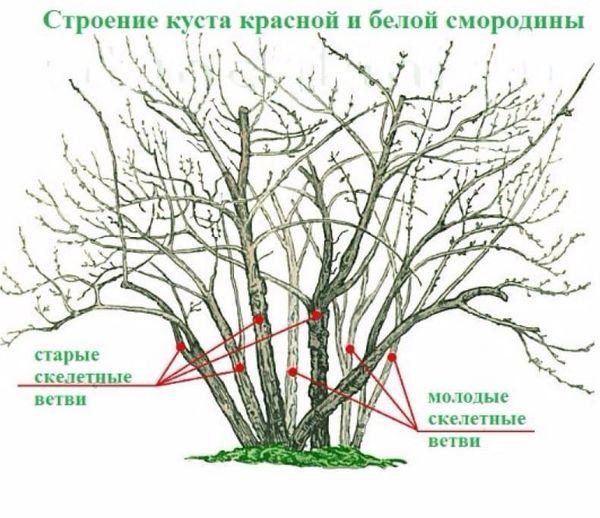
Sanitary pruning involves removing branches damaged by frost, broken, cracked, and diseased ones. This improves the health of the bush and increases the yield.
Rejuvenating treatment preserves the adult plant and increases its productivity; it is carried out in the fall, and in the northern regions – in the spring.
To create a bush of the correct shape, formative pruning is performed.
After harvesting, remove old, weak, and deformed branches. In the fall, after the leaves have fallen and two weeks before the cold weather sets in, remove old branches older than five years. Leave five to eight branches, the strongest annual and biennial ones. Also remove dry, underdeveloped shoots, shoots with black cores, and those leaning toward the ground. Prune the bushes, leaving no stumps, at ground level.
Pouring and hardening of bushes
To prevent fungal diseases, powdery mildew, bud mites and scale insects, currant bushes are treated with boiling water containing potassium permanganate. The procedure is performed before buds form and the bush awakens. This treatment will not help against spider mites in the fall.
This improves immunity, disease resistance, and yield. The water temperature should be between 80 and 90 degrees Celsius, and watering should be done using a watering can with a nozzle.
Preventive seasonal treatments
Even resistant currant varieties can be susceptible to disease if not properly cared for or exposed to rainy weather.
When bud mites appear on currants, the buds become very swollen; spraying with colloidal sulfur helps.
Aphids make the plant's leaves wrinkled and curled. In the spring, spray with a 3% solution of "Nitrafen."
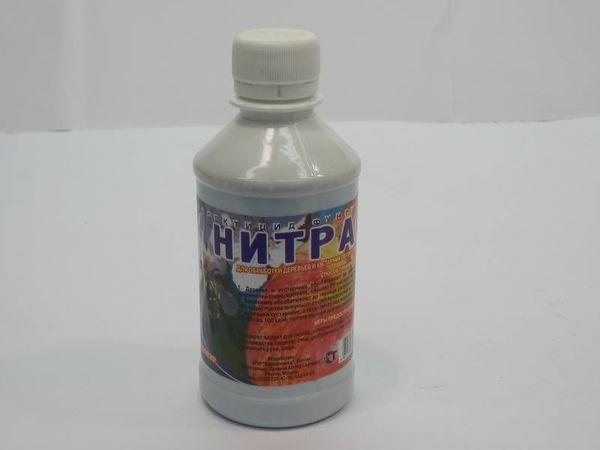
Gall midges cause the apical leaves to turn brown and dry out. Treat with chlorophos and malathion (20 and 30 g per 10 liters of water).
Small brown spots indicate the presence of anthracnose and rust. Spray the bushes with Nitrafen or colloidal sulfur.
To combat powdery mildew, when a white coating appears on the plant, spray with Karatan suspension.
With septoria leaf spot, currant leaves are covered with round or angular spots with dots. Nitrafen, a colloidal sulfur, helps.
How to cover plantings for the winter
The Veloy variety is frost-resistant, but in cold regions, gardeners prefer to cover their plantings for the winter.
To do this, the branches are bundled together, tied with rope, bent as close to the ground as possible, covered with a special material such as plywood, and evenly secured with tiles or bricks. Some use non-metallic slate, and sometimes the plants are covered with a 10-cm layer of soil. The bushes are wrapped with agrofibre or other insulating material. Polyethylene and synthetic materials should not be used; spruce branches and pine needles are recommended.
Don't cover plants too early to prevent fungus from forming. Once the thaw sets in, remove the snow and remove the covering promptly.
Methods of reproduction
Blackcurrants are propagated by green and woody cuttings, layering, and division. This can be done in spring and fall.
Take a look Also
Cuttings
The time for taking green cuttings is late June or early July. Choose bushes that are 4-5 years old and have already yielded a good harvest. The shoots should be healthy and fully developed. Use sharp pruning shears or scissors to remove the top of the cutting, leaving 3-4 internodes. Treat the cut areas with garden pitch, and trim the leaves. Place the cuttings in a growth stimulator and plant them in the ground. The cuttings will root in 2-3 weeks.
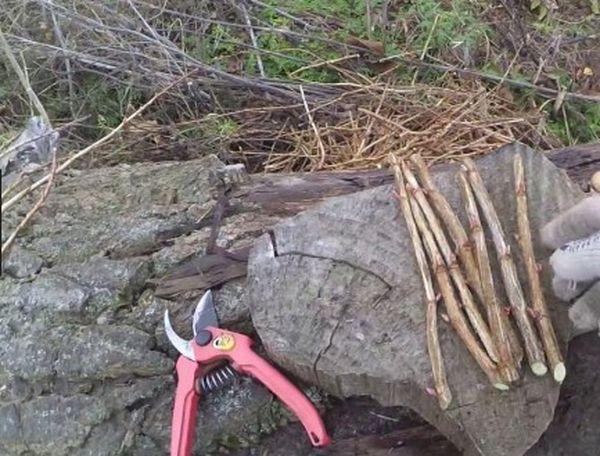
Currants are propagated by woody cuttings. To do this, ensure the plant is disease- and pest-free, free of defects, and has five skeletal branches. The cuttings are separated at the internode, slightly cutting off the bark, and cut to lengths of 12-15 cm, leaving five to six buds. The cut areas are dusted with a rooting agent. Rooting is done in a special substrate, either in open ground or in water.
Layering
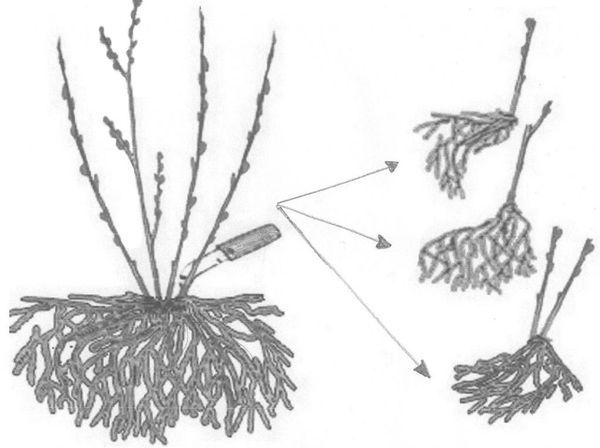
Layering is an effective method of propagating currants. Strong shoots from a three-year-old mother plant, before flowering, are placed in 15-cm-deep furrows, covered with soil mixed with peat and humus, and secured with wire. In the fall, they develop roots and are separated from the main plant. The following spring, they are transplanted to their permanent location.
By dividing the bush
At transplanting a plant in spring or autumn, an adult currant bush Dig up the plant and divide it into sections, ensuring each section has developed roots and shoots. Prune the sections, shortening the branches to 20-30 cm. Plant them in their permanent location and water them. With this method the harvest will only be in a year.
Tips and advice from experienced gardeners
Experienced gardeners recommend propagating currants in the fall—late September, early October—when they grow and develop more quickly. If you don't have a growth stimulant, you can soak the seedlings in a honey solution (1 tablespoon per bucket of water) before planting.
It is recommended to completely remove 4-year-old branches during pruning, since by the 5th year of life they no longer bear fruit.
From organic fertilizers for black currants It is recommended to use infusions of green grass, nettles, and potato peelings.
Lack of sunlight leads to a sour taste of berries, so experienced gardeners choose only sunny locations for planting.
Mature bushes that are over 15 years old need to be dug up and new ones planted.
Reviews of the variety
Most gardeners speak positively about the Veloy black currant variety.
Nina (47 years old, Moscow region): “I bought seedlings from a nursery and have been growing them for several years. They are easy to care for and the harvest is rich every year.”
Yuri (50 years old, Krasnoyarsk): “While visiting relatives, I was surprised by the sweet taste of the currant berries. Then I took several seedlings and was very pleased with the variety.”
Galina (38, Voronezh): "I really like the Veloy blackcurrant variety. It's disease-resistant, frost-resistant, and makes a lot of winter preserves. Only overripe berries burst immediately, so it's important to harvest on time."
Related posts:
 20 Best Blackcurrant Winter Preserves Recipes
 Characteristics and descriptions of the 40 best red currant varieties
 The health benefits and contraindications of black currants
 Description and characteristics of the 25 best blackcurrant varieties for Siberia
 The health benefits and contraindications of white currants
 Description of green currant varieties, planting and care features
 Description of the 10 best currant varieties for the Moscow region, planting and care
 TOP 10 recipes for red, black, and white currant sauce and ketchup for the winter, and how to store your preparations