
- Goals and objectives of fertilizing
- Signs of macro- and microelement deficiency
- Diseases
- Lack of fruiting
- Slowing growth
- What nutrients does currant need?
- Minerals
- Organics
- Method of fertilizing bushes
- Root
- Foliar
- Specifics of fertilization depending on the season
- First
- Second
- Third
- Fertilizer Features
- Currants of different varieties
- Seedlings and old bushes
- Choosing a fertilizer
- Potato peels
- Bird droppings
- Compost
- Yeast
- Manure
- Ash
- Nitroammophoska (azofoska)
- Ammonia
- Phosphorus
- Potassium
- Starch
- Urea
- Superphosphate
Any gardener with a currant plant in their garden is interested in how to feed it. Over the years, the bush loses all the micronutrients stored in the soil. To maintain life and fruit production, currants need organic and mineral fertilizers. These compounds will help replenish the bush's nutritional needs.
Goals and objectives of fertilizing
Caring for currants includes fertilizing. This helps achieve a better harvest, maintains the bush's health, prevents infection and fungi, strengthens the plant's immune response, and helps it recover from winter.
Signs of macro- and microelement deficiency
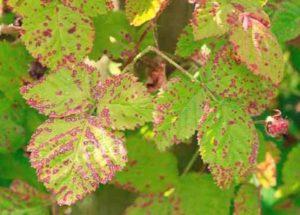
To determine if a shrub is lacking nutrients, it's important to analyze external signs. These may include pale leaves, red or brown spots, leaf drop, and more.
Diseases
Fungal and viral diseases significantly weaken the plant. They impede mineral absorption and slow the growth and development of the shrub. The most common diseases are:
- powdery mildew;
- anthracnose;
- septoria.
Important! To restore the processes inside the currant, the disease must be eliminated.
Lack of fruiting
If no fruit sets or no flowering occurs in the spring, this indicates a severe mineral deficiency. This deficiency must be urgently replenished to produce berries. The plant also relies on nutrients from the soil to form and bloom buds. Without proper nutrition, the bush will eventually die.
Slowing growth
If a bush isn't growing well, it's lacking nitrogen. A nutrient-deficient plant will appear weaker relative to other shrubs. Its branches will have fewer, dull-colored leaves. Fruit may set, but they will be small and not very sweet.
What nutrients does currant need?
Before using fertilizers, it is worth finding out what currants need.
Take a look Also
Minerals
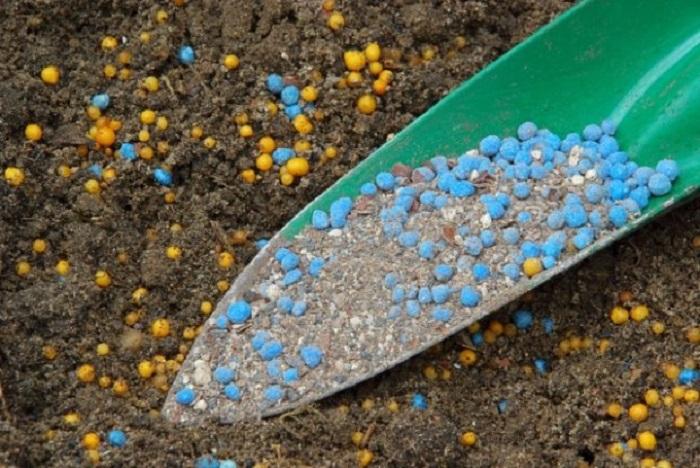
Mineral fertilizers are used to feed currants at the beginning of the season and when organic fertilizers are not available. Special mineral complexes have been developed for this crop, and individual formulations can also be used. The best fertilizers for currants are:
- potassium;
- phosphorus;
- nitrogen;
- manganese;
- copper.
Organics
Currant yields depend partly on the quality of fertilizer. During the fruiting period, organic fertilizers are recommended:
- manure;
- chicken manure;
- humus;
- compost;
- wood ash.
Important! Excessive fertilizer will kill the plant.
Method of fertilizing bushes
There are two methods of feeding shrubs: root and foliar.
Root
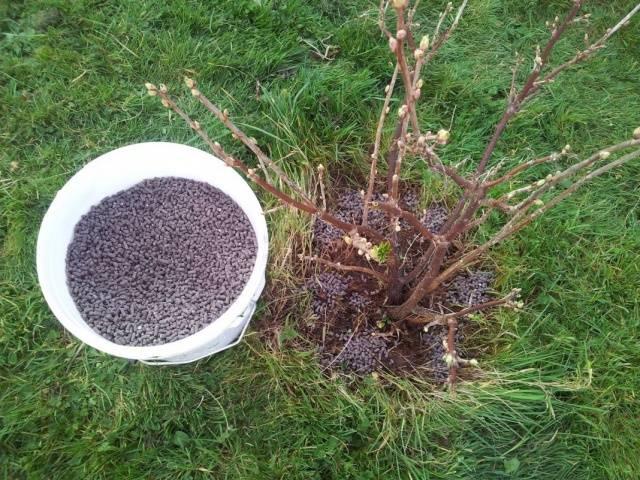
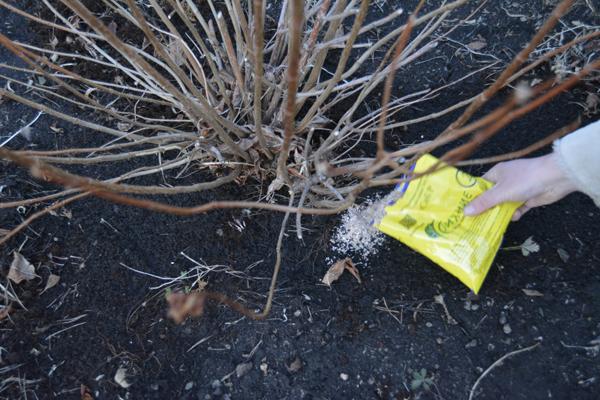
Applying dry or dissolved liquid mixtures is also suitable for organic matter. The dry mixture is scattered around the trunk circle or the plant is watered. Then, mulch with organic material.
Foliar
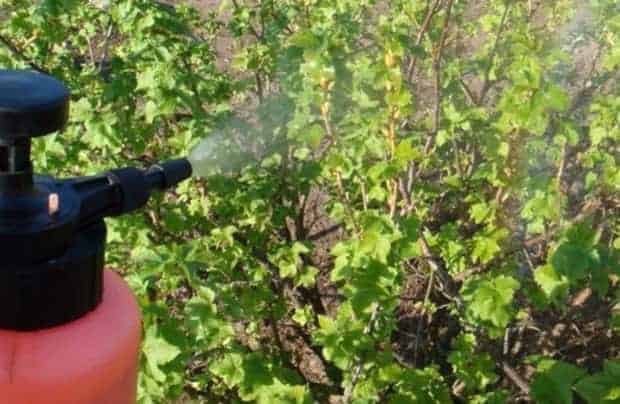
This type of nutrition is considered more effective. Liquid formulations are dissolved in water and sprayed onto the shrub's leaves using a spray bottle. Micronutrients penetrate through the stomata of the leaves, thus more quickly penetrating the plant's sap.
Specifics of fertilization depending on the season
Three fertilizing cycles are applied throughout the season. They vary in timing and quantity. Currants are most sensitive to a specific element during each period.
First
This is done in the spring during flowering and the beginning of fruit set. During this period, the shrub needs potassium most. It promotes fruit set and increases yield.
Second
Summer fertilizing is done during berry ripening. Depending on the variety, this period ranges from mid-July to late August. In summer, the shrub requires phosphorus.
Third
Fertilize for the winter in September. During this period, currants need all the nutrients they need. Mineral complexes and organic fertilizers are used. In the fall, this procedure is performed only after the harvest.
Important! The quality of autumn feeding determines the recovery of currants after winter.
Fertilizer Features
Currants come in many varieties and cultivars. They come in red, black, and white varieties, with varying ripening and flowering times. Each has its own fertilizing requirements.
Currants of different varieties
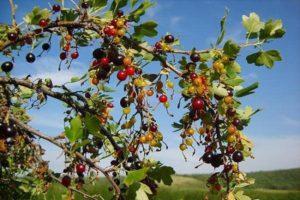
There's virtually no difference between red and black currants. They have different colored berries, but otherwise they're very similar. Fertilizing the bush should be done with consideration for certain factors:
- flowering time;
- ripening period;
- disease resistance;
- drought resistance.
Seedlings and old bushes
When planting seedlings, add a mixture of humus and a mineral complex containing nitrogen, phosphorus, and potassium to the hole. This amount of fertilizer will last the shrub for the next 2-3 seasons.
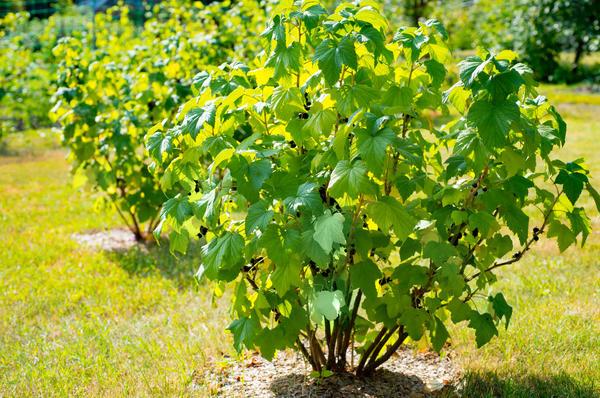
Older bushes expend more energy on berry formation, so fertilizing is carried out every 2 years, but doubling the amount of fertilizer.
Choosing a fertilizer
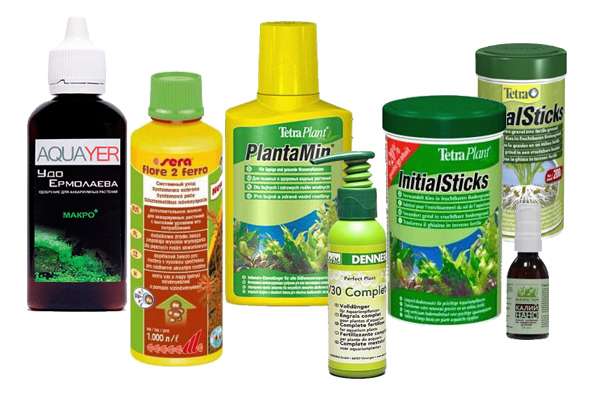
Each gardener decides for themselves what type of fertilizer to use for currants. Currently, ready-made mineral fertilizer complexes have been developed. Homemade mixtures made from organic materials are also popular.
Potato peels
There are two ways to feed currants this way: by placing the peelings under the roots or by spraying the bush with a solution made from them. Potato peels contain a large amount of starch, which is essential for the development of shoots.
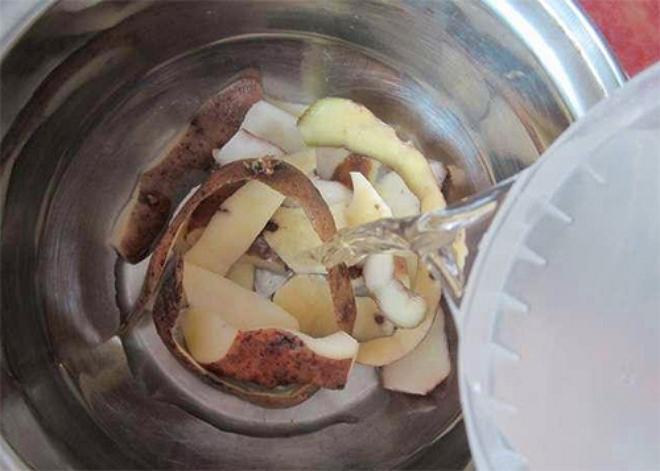
Store-bought starch does not provide the same effect.
Bird droppings
To increase yields, use a solution of bird droppings. It's best to use a solution that's not fresh, as it contains a lot of nitrogen, which can burn the plant's roots. For the solution, take 1 kg of droppings and 10 liters of water. Let it steep for 24 hours, then strain and water or spray the currants.
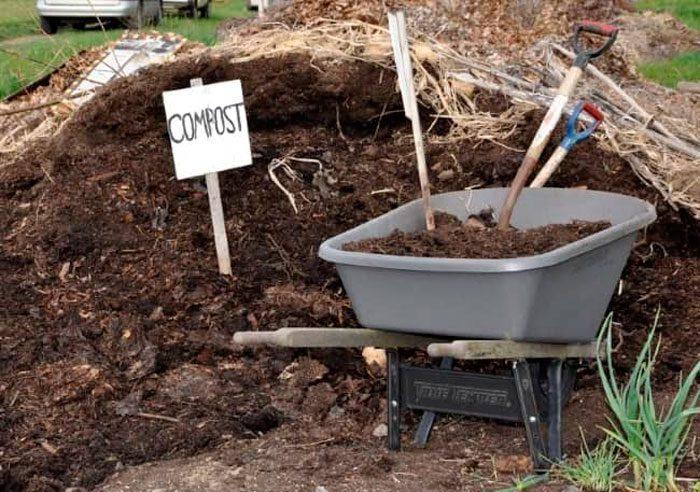
Compost
Currants can be fed compost for the winter. Place compost around the trunk and mulch for the winter. This will help maintain the plant's mineral supply until the new season.
Yeast
Large berries are produced by feeding the plant with yeast. Use 50 grams of yeast and the same amount of sugar per bucket. Dissolve according to the package instructions. Then, add the solution to the loose soil under the roots. Use one bucket per bush.
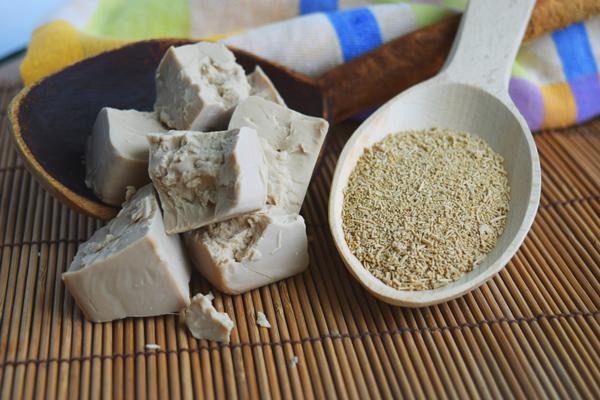
This type of feeding reduces the amount of potassium in the soil, so after a week, the currants are fed with potassium nitrate.
Manure
You can fertilize currants with manure in winter or early spring. It contains a lot of nitrogen, which is essential for the formation of foliage and new shoots. Apply it in a uniform layer around the trunk or spray the plant with a 5% mullein solution.
Ash
Wood ash is rich in potassium. It can be used in solutions or as a dry mixture, applied to stems or sprinkled on the root area. It provides currants with all the necessary elements. To make a solution, mix 200 g of ash with 10 liters of water and apply.
Nitroammophoska (azofoska)
Saturates plants with nitrogen and phosphorus. Used as a complex. For a mature plant, prepare a solution of 20-30 g of the mixture and 10 liters of water. Pour 5 liters of the mixture under each plant.
Ammonia
It's a source of pure nitrogen and can be purchased over the counter at pharmacies. One bottle contains about 20 ml of solution. Fertilize in the spring before the sap begins to flow. Pour 2-3 bottles into 10 liters of water. Then water the bush.
Phosphorus
This type of fertilizer helps maintain fruiting, increasing the number and weight of fruits. It can be used:
- superphosphate;
- double phosphate.
The solution must be prepared strictly according to the instructions; if the dosage is increased, the plant may die.
Potassium
Potassium is added during the period of ovary formation and flowering. Special complexes are used for this:
- potassium sulfate;
- potassium salt;
- potassium sulfate;
- potassium nitrate;
- potassium magnesium sulfate.
Fertilizers are applied according to the manufacturer's instructions. Apply strictly according to the manufacturer's directions to avoid excess minerals.
Starch
For fruiting currants, starchy fertilizers are used. They increase yield and promote plant growth and development. The solution is applied to the roots or sprayed on the leaves.
Urea
An organic compound rich in nitrogen that helps the shrub develop leaves and new shoots. It is most often used in early spring to help the shrub recover from winter.
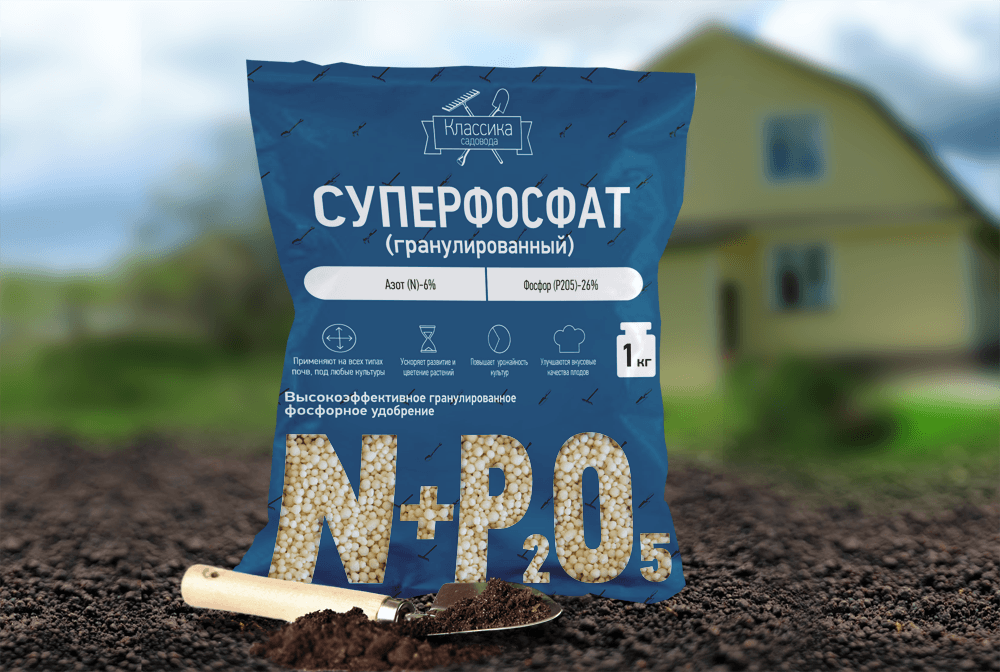
Superphosphate
Phosphorus fertilizer stimulates berry formation and increases yield. Sold dry. To use, dilute with water according to the instructions and water at the roots.
Related posts:
 How to quickly harvest currants using simple methods
 Description of the best ornamental currant varieties, planting rules and care
 How to quickly peel blackcurrants at home
 What is the best way to treat currants against diseases and pests after harvesting?
 5 easy ways to propagate currants with cuttings in summer
 Step-by-step instructions and timing for replanting currants
 The health benefits and contraindications of white currants
 The best grape varieties for growing in the Urals, planting and care rules in summer