
- Berry harvesting times depending on the growing region
- Black chokeberry crops
- Red currant
- White-fruited varieties
- How to tell if a berry is ripe
- Is it possible to pick green fruits?
- Harvesting Rules
- Is it possible to harvest in rainy weather?
- Tools and methods for quickly harvesting currants
- How to sort and store fruits
- Long-term storage in the refrigerator
- Freezing
- Conservation
Currants are popular among gardeners throughout the former Soviet Union. This healthy and delicious berry is easy to grow, boasts a rich flavor, and numerous beneficial properties. The internet is replete with recipes for preparing this berry. However, harvesting is labor-intensive and painstaking. How can you quickly harvest currants while preserving their unique properties?
Berry harvesting times depending on the growing region
The rate of fruit ripening depends on two factors: the species (black, red, or white) and the growing region. Each growing environment has unique climate and weather conditions, soil type, number of sunny days, and pollution levels. Sunny, warm summers promote rapid fruit growth.
In Moscow and the Moscow region, the harvest season begins in late July and early August, while residents of the central part of the country already finish the season by this time. Before growing currants, it's important to find out when the harvest season is in your specific region.
Black chokeberry crops
Residents of the southern part of the country are the first to begin harvesting blackcurrants, in late June. The berries ripen the latest in Siberia, in early August. Central Russia and the Volga region harvest their fruit by mid-July.
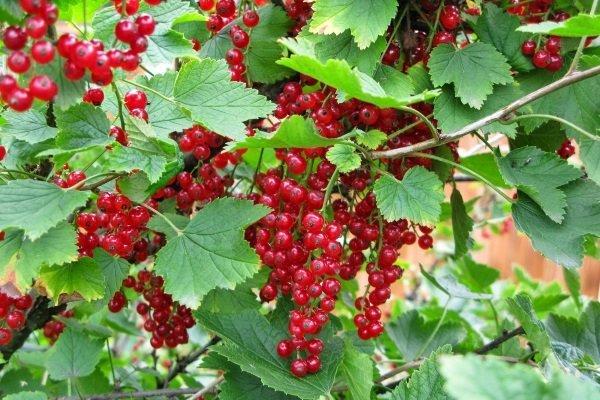
Red currant
Red currants in the central part of the country begin to be harvested in midsummer, while those in the south begin to harvest a late crop by this time. In the north, this type ripens towards the end of summer. Red-fruited currants ripen 1-2 weeks earlier than black-fruited currants.
White-fruited varieties
White currants are harvested at the same time as red currants. This is due to the similarity in the texture of the berries' skins.
Take a look Also
How to tell if a berry is ripe
Harvesting dates should be determined based on the ripeness of the currants. Ripeness can be determined by a number of indicators:
- rich color;
- the fruit is easily separated from the stalk;
- the branch has acquired a brown tint;
- sweet taste;
- the fruits are falling off.
 You shouldn't delay harvesting if you see any of the above signs; this will help keep the harvest fresh.
Is it possible to pick green fruits?
It is not recommended to pick unripe currants. Such a harvest has not yet accumulated sufficient nutrients. Consuming such fruits fresh is not recommended, as it can cause indigestion or intestinal upset. Unripe berries are not suitable for freezing or drying. Picking unripe fruits from the bushes is possible if you want to extend their shelf life. Unripe fruits should be refrigerated until ripe.
Harvesting Rules
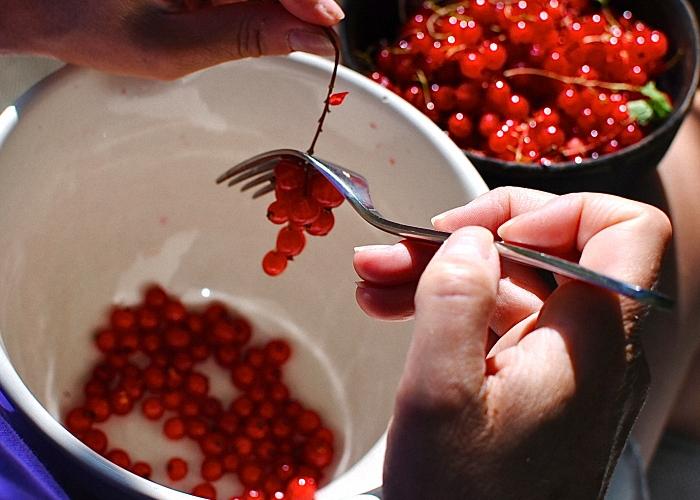
Currants have a delicate texture, so they can only be picked mechanically, that is, by hand. The method is chosen based on the type of berry: red and white currants are picked with the stems (the skin of these varieties is very thin, and attempting to remove the berries from the stem can result in the loss of juice and some of the pulp), while black currants are picked without them. It is necessary to prepare the container beforehand. The best time to start picking is in the morning, after the dew has dried. It is recommended to separate the fruits from the stems only before preparing or eating, or after they have dried.
Is it possible to harvest in rainy weather?
It's recommended to refrain from harvesting during rainy weather: berries will last longer if dried. If rain cannot be avoided during harvesting, special attention should be paid to drying the fruit.
Tools and methods for quickly harvesting currants
Before you begin picking, you'll need a convenient container—a basket or bucket. You can easily pick berries from the bushes by following these tips:
- Spread the cloth under the bush so that all the ground in front of it is covered.
- Pick the fruits directly onto the prepared cloth.
- Collect the fabric and pour it into a bucket.

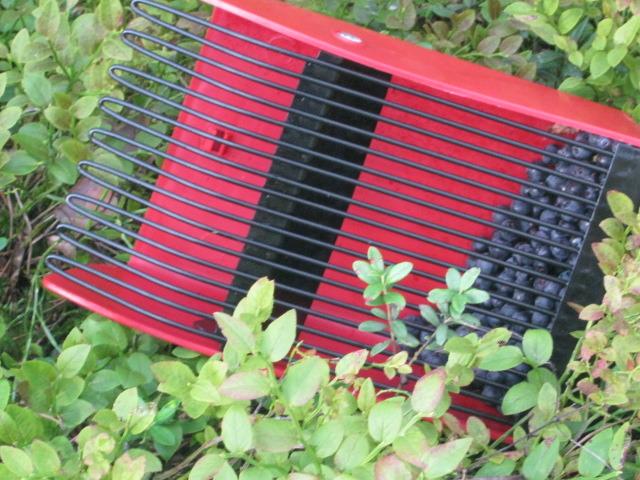
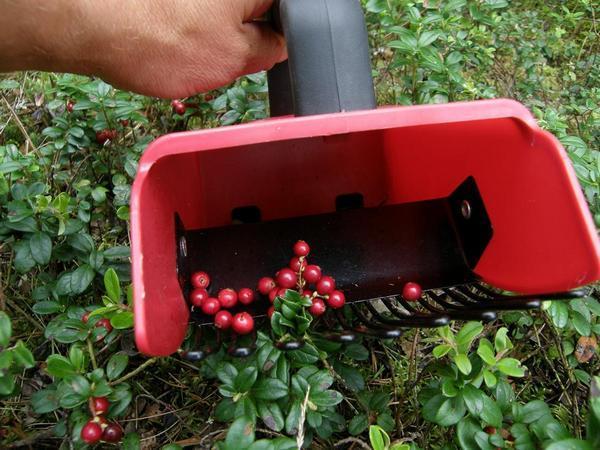
Unfortunately, using various devices or harvesters for harvesting is not possible. Only mechanical and painstaking work is required.
How to sort and store fruits
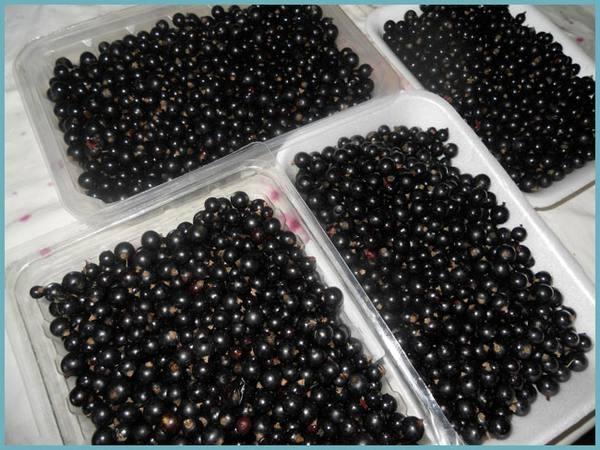
After harvesting, the currants must be sorted. This process is labor-intensive and requires patience. When sorting a small harvest, the work is done manually: sepals and debris are removed from the berries. Rotten fruits are discarded.
For convenience, the harvest is poured onto a flat tray to make it easier to remove debris and defects. This method is impractical for large quantities. If the volume to be sorted is large, a table can be used: raise one edge by 40 cm, creating barriers on the sides (using towels or slats). A container for the berries is located underneath.
A U-shaped tray, closed with slats on three sides, is often used. The top edge of the tray is also raised. The inclined work surface ensures that most of the debris remains on it. Another unconventional way to sort currants is to use a cold stream of air, such as a hair dryer. This requires the berries to dry completely. Sorting by size is also possible. The berries are placed in a colander and rinsed (remaining debris will float to the surface). The berries should be sorted as quickly as possible after picking.
Long-term storage in the refrigerator
Fresh currants can be stored in the refrigerator for approximately two weeks. During this time, the berries retain their beneficial properties. Red and white currants will keep for about two months, provided the refrigerator temperature is around 2°C (37°F) with high humidity. Slightly unripe currants will last longer. Before storing, ensure they are completely dry. Currants should be stored in open containers; this will allow the berries to breathe and maintain their freshness longer.
Freezing
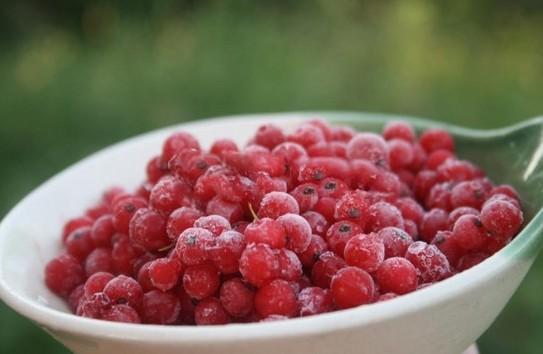
The freezer can store currants for up to 3 months without losing their nutritional value. After this time, the vitamins and nutritional value are lost, but the vibrant flavor remains. For convenience, store the berries in individual portioned bags. The currants should be chilled before placing them in the bags (they should be refrigerated for several hours first). To defrost, transfer them to the refrigerator, and only once thawed, bring them back to room temperature.
Conservation
Another storage method is canning. There are many options: jam, preserves, purees, marmalades, juice, syrup, and jelly. All recipes follow common rules:
- Jars and lids must be sterilized.
- To ensure tender and plump berries, they are dipped in boiling water for 2-3 minutes. The water can then be used to make syrup. The exception is red and white currants.
- If the recipe calls for chopped berries, simply clean and rinse the berries. If you're preserving whole berries, it's a good idea to sort them by size. This will not only give them a more appealing appearance but also ensure even cooking.
- It is recommended to use glass or lacquered tin lids, as the currant syrup will turn a bright inky color when in contact with metal.
- Cook the jam for no more than half an hour from the moment it comes to a boil. Cooking it too long will ruin the flavor and change the color. To speed up the process, pre-boil the berries for 3 minutes.
Knowing the basic rules for harvesting and storing currants will help preserve the freshness and beneficial properties of this unique berry for longer.
Related posts:
 Description of 36 of the best sweet and large varieties of gooseberries
 How to quickly peel blackcurrants at home
 The best grape varieties for growing in the Urals, planting and care rules in summer
 Beginner's Guide to Growing Grapes in Open Ground in Central Russia
 Descriptions of the 20 best cherry varieties for the Moscow region, their planting and care
 The health benefits and contraindications of white currants
 What varieties of tomatoes are best to plant in a polycarbonate greenhouse?
 How to quickly harvest sea buckthorn with your own hands and the basic tools