
- Features of Exotic black currant
- Habitat
- Description of the bush and berries
- Taste qualities and scope of application of fruits
- Variety immunity
- Resistance to low temperatures
- All the pros and cons
- Landing specifics
- The best timing
- Preparing the site and planting hole
- Selecting a seedling
- The process of planting seedlings
- The nuances of currant care
- Watering
- Fertilizer
- Trimming
- Soil care
- Protection from diseases and insects
- Protection from winter cold
- Gardeners' reviews of Exotica currants
The Exotica currant variety is an early-ripening bush that produces large, flavorful berries. It's easy to care for, tolerates drought well, and responds well to fertilizing. Exotica is ideal for cultivation in Central Russia. Recently, it's being planted by gardeners in their own backyards.
Features of Exotic black currant
The bush has its own characteristics; it is intended for a specific growing area and is distinguished by its immunity, taste, and temperature resistance.
Habitat
Zoned for cultivation in Central Russia. The variety was developed at the Siberian Agricultural Institute in 2001. It was later included in the state register and cultivation began.
Description of the bush and berries
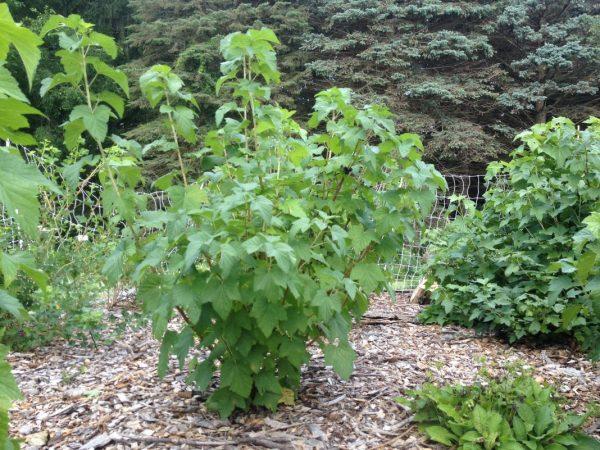
The Exotica bush grows tall, with spreading branches that point in different directions. The leaves are green and divided into five parts. It blooms with white-purple flowers.
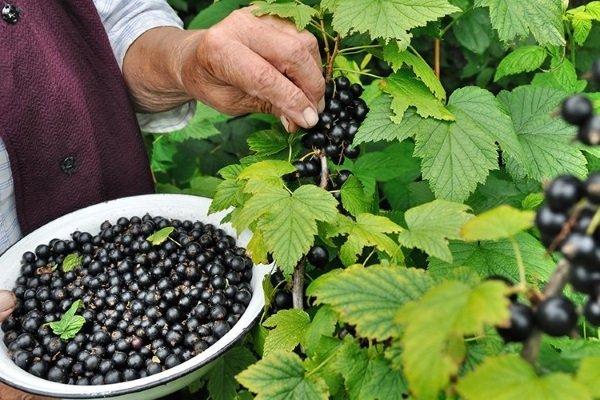
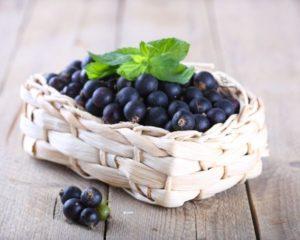
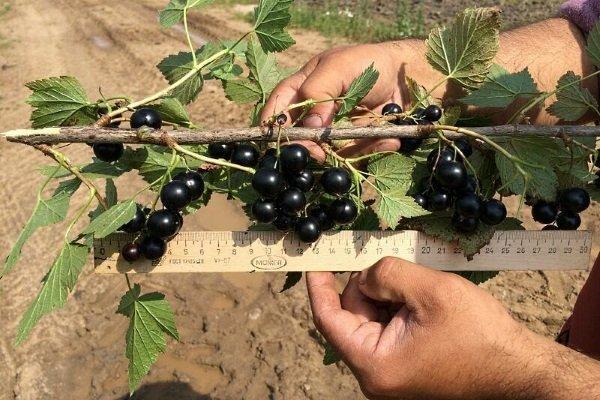
The berries are arranged in clusters, making harvesting easy. The fruits are uniform in size, weighing approximately 5 g. They are covered with a thick black skin. The inside pulp is green, gelatinous, and contains seeds.

Taste qualities and scope of application of fruits
Tasters rated it 4.5 points on a 5-point scale. The flavor is sweet and sour. Suitable for fresh consumption and processing. Currants are used to make:
- jam;
- compotes;
- jams;
- jelly;
- dried fruits.
Important! Currant leaves contain a large number of beneficial substances and are used to make tea or as a spice.
Variety immunity
Exotics are resistant to powdery mildew and rust. However, under unfavorable conditions, they are susceptible to other, equally dangerous diseases.
Resistance to low temperatures
Currants have average frost tolerance. The maximum temperature they can tolerate is -26°C. They are not suitable for cultivation in northern regions, as they cannot withstand the severe frosts of that climate zone.
All the pros and cons
The Exotica currant has its advantages and disadvantages. The positive aspects include:
- partial self-fertility;
- winter hardiness;
- drought resistance;
- large-fruited;
- transportability;
- early ripening;
- high yield.
Disadvantages include the impossibility of growing the crop in northern regions, as well as the need for regular formative pruning.
Landing specifics
To ensure that your currant bush produces fruit well, grows, and develops, it's important to choose the right location and follow all planting guidelines.
The best timing
Spring and fall planting are suitable for the south. The bush adapts quickly in both cases, as severe frosts are rare there. In temperate climates, spring planting is recommended. Over the summer, the bush will adapt to its new location and take root.
 Important! When purchasing a seedling in the fall, bury it in a greenhouse with soil and store it until spring. Plant it in its permanent location at the beginning of the season.
Preparing the site and planting hole
The currant planting area should be well-lit, with direct sunlight throughout the day. Currants prefer well-ventilated areas, but away from northerly winds.
The planting hole is prepared two weeks before planting or in the fall. To do this, follow these steps:
- The surface of the ground is leveled with a rake.
- Dig a hole 50 cm deep and 30–40 cm in diameter.
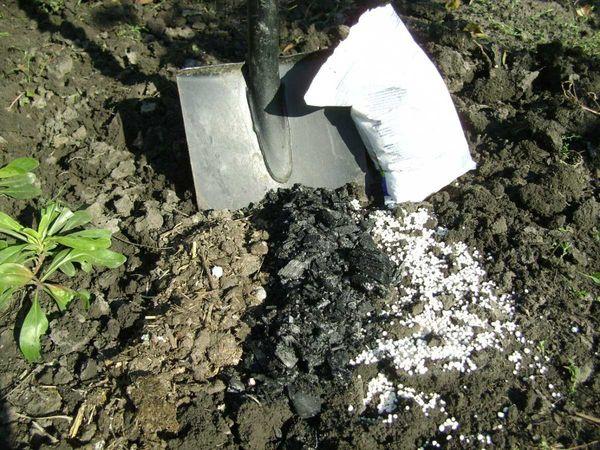
- The excavated soil is mixed with humus and complex mineral fertilizer.
- Half of the hole is filled with the mixture.
- Leave for 2 weeks or until spring.
Selecting a seedling
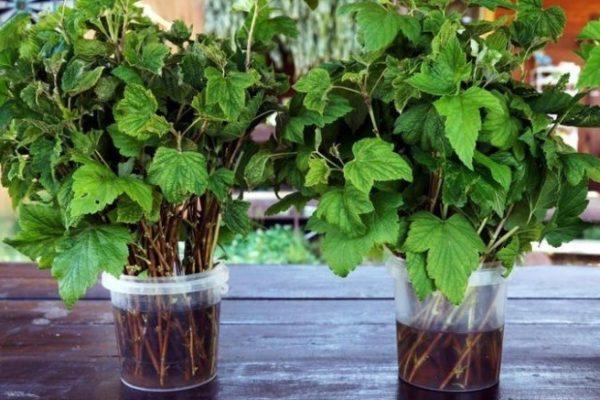
Young currant bushes are purchased from reputable nurseries. The seedling's condition is carefully examined. It should not exhibit the following signs:
- damage:
- cracks;
- broken branches;
- growths;
- dry leaves;
- root rot;
- signs of fungal diseases.
The process of planting seedlings
Planting seedlings in open ground is virtually no different from planting other shrubs. First, soak the roots of the young plant in a weak solution of potassium permanganate for 24 hours. Then, follow these steps:
- The currant bush is placed in the hole.
- Straighten the roots.
- The neck of the currant bush is deepened by 7–8 cm.
- They are buried layer by layer, compacting each layer.
- The penultimate layer is made of peat.
- Water with 4 buckets of water.
Important! When adding peat to the soil, the area around the tree trunk does not need to be mulched, as peat retains moisture very well.
The nuances of currant care
Currants are easy to care for, but they do require some attention. Proper care will help maintain the bush's health and increase its yield.
Watering
Irrigate with warm water, allowing it to settle for several hours beforehand. Use 10 liters for a young plant, and 40 liters for a mature, fruiting plant. Repeat this procedure weekly. It's important to consider precipitation. If there's heavy rainfall, reduce watering. If there's drought, increase it.
Fertilizer
Fertilize the plant three times per season. Each growing season requires different nutrients. Follow this schedule:
- Before bud formation, add chicken manure as a solution at a rate of 100 g of fertilizer per 10 liters of water.
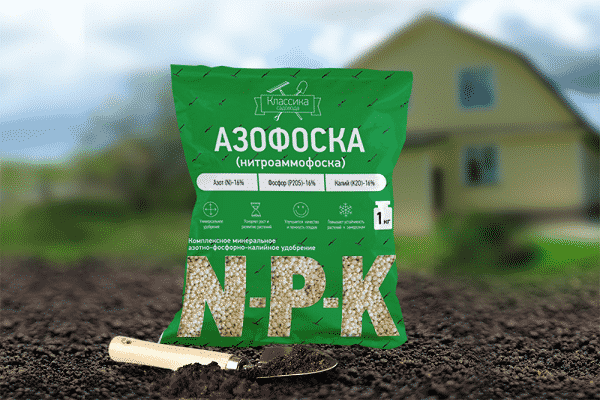
- During the flowering and ovary formation period, fertilize with a solution of Nitroammophoska.
- During fruiting, feed with potassium and phosphorus in combination.
- After harvesting, the area around the tree trunk is covered with an even layer of manure.
Trimming
The Exotica currant is a tall shrub, which significantly complicates harvesting. To maintain the bush at a consistent height, annual pruning is performed. Young bushes are shaped from the first year.
This procedure is performed only in the spring. The central shoot is selected and shortened by 15 cm. The side branches, aligned with the central shoot, are shortened by 10 cm.
Mature bushes are maintained in shape and given sanitary pruning: dry, damaged, broken or diseased branches are removed.
Important! It is recommended to seal the cut areas with garden pitch to prevent infection.

Soil care
Currants prefer slightly acidic soil. The soil pH is checked each season and lime is added if necessary. Loosening the top layer of soil is essential to ensure aeration of the roots.
Regularly monitor weed growth. Weeds feed on beneficial minerals and nutrients, depleting the currants of their nutrients and depleting the soil. Remove them as they appear.
Protection from diseases and insects
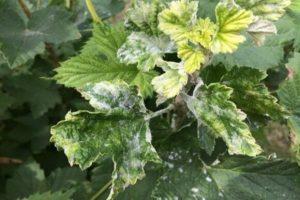
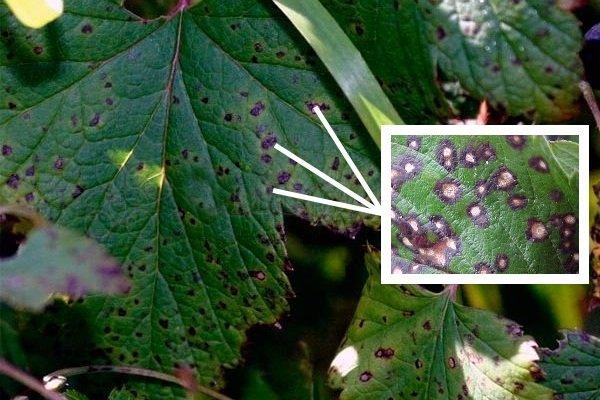
Currants are susceptible to the following diseases:
- anthracnose;
- septoria.
The plant is immune to other diseases. Antifungal fungicides are used to combat fungi.
Currants are also often attacked by harmful insects that feed on the leaves, buds, and fruits of the berry. These include:
- aphids;
- spider mite;
- kidney mite;
- glass case.
To control insects, use insecticides designed for garden plants. Dilute them according to the instructions and observe safety precautions when spraying.
To prevent pest attacks and diseases, take the following preventative measures:
- Monitor watering. Overly wet soil is the main cause of fungal growth.
- At the beginning of the season, the roots and branches are sprinkled with copper sulfate.
- Preventative spraying with fungicides and insecticides is carried out before the buds begin to open.
- Weeds are removed, as they reduce the immunity of currants.
- Feed the plant regularly to ensure it is strong and resilient.
- Cover the bush for the winter; damaged plants take a long time to recover.
 Important! Proper prevention will help eliminate illnesses forever.
Protection from winter cold
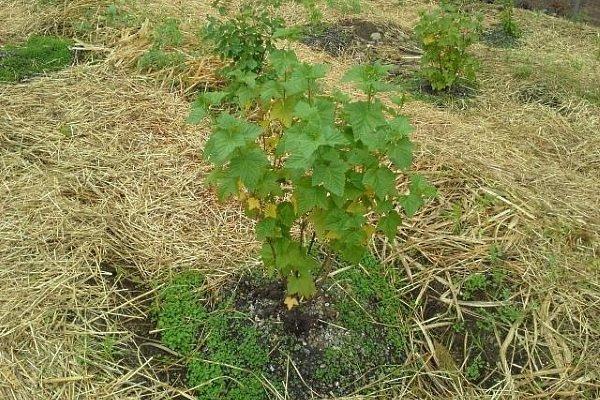
A young plant's frost resistance isn't as pronounced. It should be completely covered for the winter using agrofibre or other breathable insulation. The area around the trunk should also be mulched using:
- straw;
- wood sawdust;
- moss;
- compost;
- chopped grass;
- fallen leaves.
Gardeners' reviews of Exotica currants
Evgeniy, 45 years old, Vladimir
The Exotica currant is one of my favorite berries. I've been growing it on my own for over five years. The berries are large and sweet. The yield is sufficient for eating and some processing. I bought the seedlings from a local nursery and planted them in the spring.
Anna, 56 years old, Krasnodar
I really love currants, especially when the berries are large. For this purpose, I planted the Exotica variety in my garden. Our climate is perfect for them, and the bush tolerates drought well, without affecting the quality of the harvest. A single plant yields almost 5 kg. The fruits are the size of cherries.
Andrey, 35 years old, Chekhov
I have my own private house. I really want to grow all the possible crops on the plot. Three years ago, I bought three Exotica currant bushes. I planted them in the spring, and they've taken root well. The berries are large and sweet. We harvest over 5 kg per plant.
Related posts:
 Characteristics and descriptions of the 40 best red currant varieties
 The health benefits and contraindications of black currants
 The best and new varieties of black currant for growing in the Urals, planting and care
 Description of the 50 best blackcurrant varieties for different regions
 The health benefits and contraindications of white currants
 Red currant health benefits, properties, and contraindications
 Description of the red currant variety Sakharnaya, features of planting and care
 20 Best Blackcurrant Winter Preserves Recipes