
- Description and characteristics of the Sugar currant
- History of the variety's development
- Habitat
- Bush size
- Flowering and fruiting
- Drought resistance, frost resistance
- Immunity to diseases
- Transportability and scope of application of berries
- Advantages and disadvantages of culture
- Methods of propagation and planting
- Cuttings
- By dividing the bush
- Seeds
- Growing specifics
- Selecting a site and preparing a planting hole
- What to plant next to it
- Timing and technological process of planting
- Irrigation
- Fertilization
- Trimming
- Loosening and mulching the soil
- Covering for the winter
- Methods of combating diseases and pests
- Gardeners' reviews of the variety
The beneficial properties of red currants have been known to mankind for a long time. Therefore, it's hard to find a garden plot without bushes bearing this delicious, juicy berry. Breeders have developed numerous varieties of this fruit crop, but not all of them can compare in characteristics to the Sakharnaya red currant variety. In developing this new hybrid, scientists incorporated the fruit crop's best properties into the variety.
Interesting! Currants are the only fruit crop grown on every continent and country. The exceptions are Antarctica and Australia.
Description and characteristics of the Sugar currant
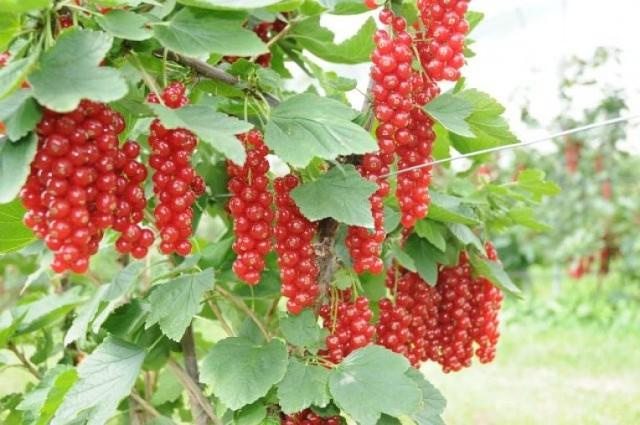
Red currants typically contain high levels of acid, which affects their flavor. But the Sakharnaya currant variety is fundamentally different from its peers, as the bush's fruits live up to their name.
History of the variety's development
Work on a new fruit variety began in the 1970s. The renowned Soviet scientist and breeder Smolyaninov set himself the goal of breeding a completely new variety with enhanced frost resistance and improved taste.
The Sakharnaya red currant variety is still not listed in state registries, but this does not prevent the berry bushes from being grown on farmland and in private plots.
Habitat
The Sakharnaya red currant variety is undemanding of soil composition and climate conditions. It is grown both commercially and in private gardens in southern latitudes, temperate regions, and regions with cold climates. It is especially popular among gardeners in the Volga region, the Urals, and Siberia. It has also found favor in the CIS countries, where it is now widely cultivated.
Bush size
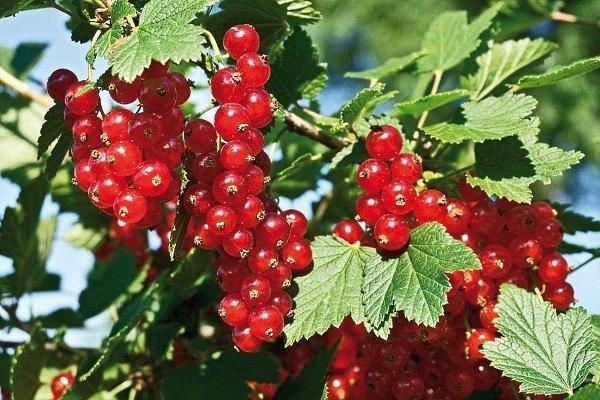
The fruit tree's bushes grow from 1.5 to 2 meters tall, upright and branched. The branches are gray with a brown tint, covered with five-pointed, serrated leaf blades of dark green hues with a glossy sheen.
Flowering and fruiting
During flowering, the bushes produce clusters of 7 to 10 cm long inflorescences, opening to reveal small, yellow-green flowers. Sugar currants are partially self-pollinating. Without pollinators, ovaries form on no more than 30% of the flower stalks. Therefore, varieties with similar flowering times are planted nearby.
This currant variety bears fruit for up to 20 years. The yield per bush reaches 5 to 8 kg of ripe berries. Fruit ripening depends on the climate of the growing region.
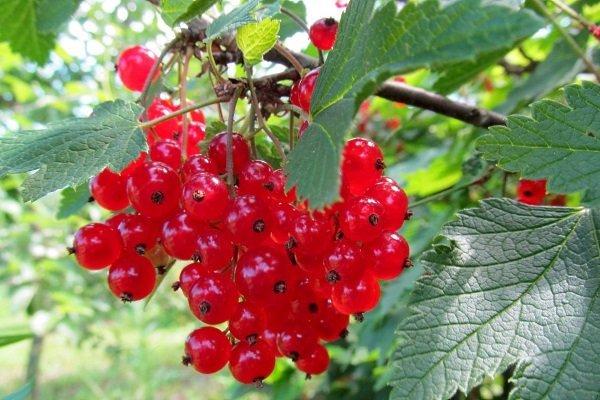
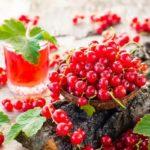
In southern latitudes, the berries ripen in mid-July. In temperate and northern climates, harvesting occurs in August. Each racemose inflorescence produces 10 to 20 berries. When ripe, the fruits acquire a bright red color and a sweet, slightly tart flavor.
Drought resistance, frost resistance
When developing this variety, breeders designed the new fruit to be highly resistant to low temperatures and drought. As a result, the Sakharnaya currant easily tolerates winters down to -32°C (-32°F) and sudden temperature fluctuations. Its well-developed root system also allows the bushes to withstand both heat and drought.
Important! Long periods without watering negatively impact the yield, marketability, and taste of berries.
Immunity to diseases
The Sugar Red Currant is a hybrid fruit variety, meaning breeders have engineered the plant to be naturally immune to diseases and pests.
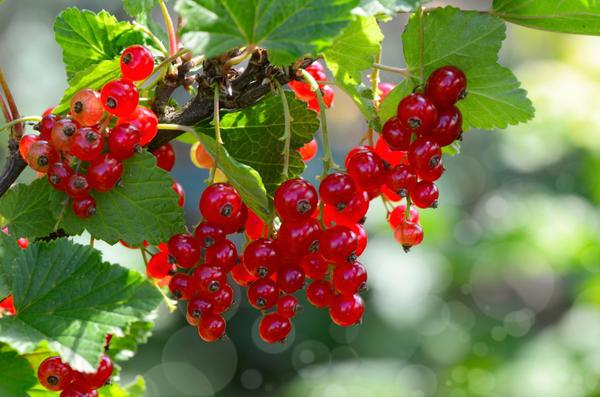
With proper and timely care, berry bushes are rarely affected by fungi and viruses, and pest attacks on this currant variety occur much less frequently.
Transportability and scope of application of berries
When harvesting ripe berries, the bunches are cut completely, preventing damage to the berries. This allows red currants to be stored for a long time and transported over long distances. This berry crop is not included in state registers, but experts consider it a dessert variety. Ripe berries are recommended for consumption both fresh and processed.
Important! In the fruits red currants contain a huge amount of vitamins and substances useful for the body.
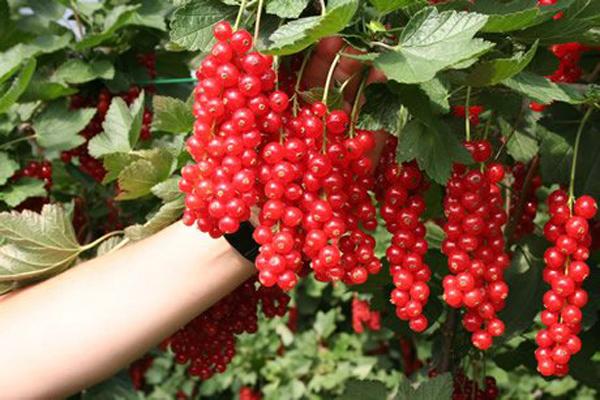
The berries are used to make juices, nectars, compotes, jams, desserts, and fruit drinks. Ripe currants make delicious sauces for meat and fish dishes. The fruits and leaves of the bush also have medicinal properties. Decoctions of the leaves and berries are used as an antipyretic for viral illnesses and colds. The berries are also recommended for use in dietary plans.
Advantages and disadvantages of culture
Before growing a fruit bush on your land, you need to familiarize yourself with all the advantages and disadvantages of the Sakharnaya currant variety.
Advantages:
- Natural immunity to most diseases and pests.
- High yield rates.
- The garden culture is unpretentious in care.
- The possibility of universal use of ripe berries, both in cooking and for medicinal purposes.
- The variety is highly frost-resistant and tolerates spring temperature fluctuations well.
- The dense skin of the berries allows the harvest to be transported over long distances.
- Long-term fruiting of bushes.
- Excellent taste of fruits.
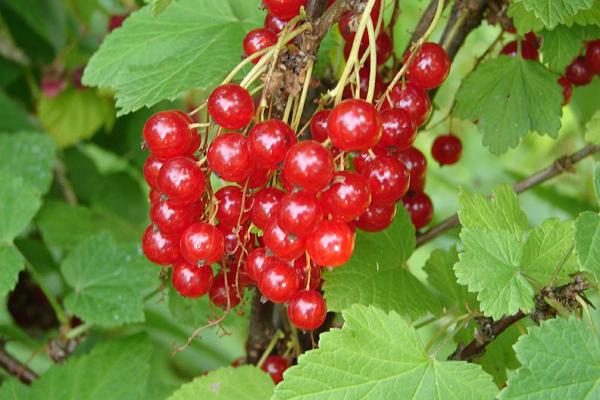 Important! In a cool place, ripe berries can remain marketable for 30 to 40 days.
Among the variety's shortcomings, its poor ability to self-pollinate is particularly notable. To ensure a high-quality and abundant harvest, Sakharnaya currants require pollinating neighbors.
Methods of propagation and planting
To increase the number of fruit bushes in a garden plot, they are propagated by seed or vegetative methods.
Cuttings
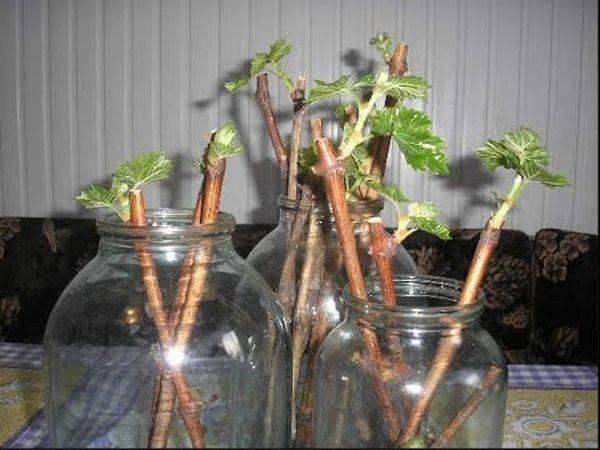
Cuttings are taken in mid- to late summer. The largest, healthiest shoot is cut from a mature bush and divided into 20-cm cuttings. The young plants are placed in water and covered with plastic wrap. As soon as the first roots appear, the cuttings are transplanted into fertile soil and planted outdoors in the spring.
By dividing the bush
Dividing the bush allows you not only to propagate currants, but also to rejuvenate the mother plant.
- With the onset of autumn, or in the spring before the beginning of the growing season, the healthiest and most viable bush is dug up.
- The rhizome of the plant is divided into 2-3 equal parts.
- Each new plant should have developed roots and young shoots.
- The seedlings are planted in separate holes.
In the spring, new bushes will begin to actively grow and develop, and within a year they will harvest their first crop of berries.
Seeds
Any hybrid fruit variety loses the varietal characteristics of the parent plant when propagated by seed. However, it's quite possible to grow a regular red currant bush from the seeds of the Sakharnaya variety.
Growing specifics
To grow healthy and fruitful berry bushes, it is necessary to choose the right location and prepare the land for planting seedlings in advance.
Selecting a site and preparing a planting hole
Currant bushes are planted in level, well-lit, and draft-free areas. Growing currants in the shade significantly reduces their development and fruiting. If the groundwater level is close to the soil surface, the plot is artificially raised or the planting site is relocated.
The soil for planting bushes is prepared in advance.
- The land is carefully dug up, weeds are removed and the soil is loosened.
- Currants prefer loose, fertile soil. They won't thrive in heavy, clayey soil.
- The soil is mixed with humus, organic and mineral fertilizers.
- Lime or ash is added to soil with high acid content, and clay soil is mixed with river sand and peat.
- On the prepared area, dig holes 40 cm deep and 50 to 79 cm in diameter.
- Fertile soil is poured into the holes and watered thoroughly.
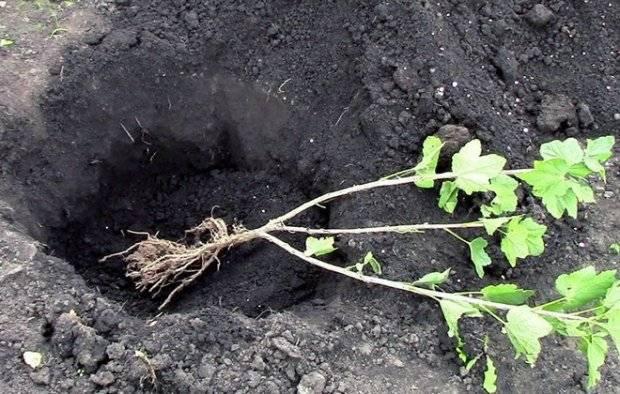
Planting of seedlings begins 3-4 weeks after preparatory work.
What to plant next to it
For proper growth and development, currants need the right neighbors. Any greens or garden strawberries can be planted in front of berry bushes. Gooseberry bushes and bulbous flowers also make excellent neighbors for red currants. It is not recommended to plant Sugar red currants next to black currants and raspberries. Potatoes, tomatoes, and plants from the nightshade family will not be beneficial.
Important! Crop rotation practices reduce the risk of spreading diseases and pests.
Timing and technological process of planting
The timing of planting seedlings directly depends on the region's climate. In southern and temperate latitudes, it is recommended to plant berry bushes in early autumn. This will give the seedlings time to establish themselves and become firmly rooted in the soil before the first frost.
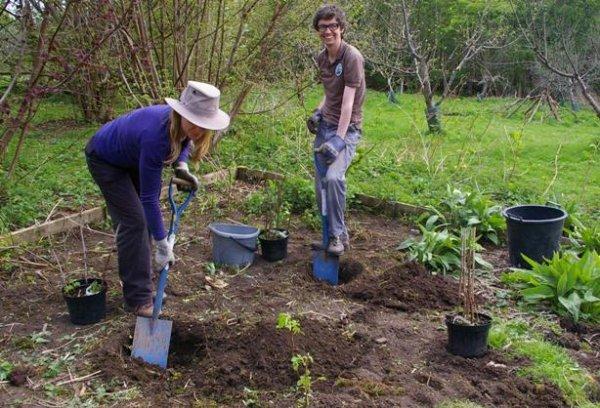
In the northern regions, planting takes place in mid-spring.
- Before planting in open ground, the roots of the seedlings are soaked in a clay slurry and
treated with antibacterial drugs.
- Humus and fertile soil are poured into the prepared hole and a mound is formed.
- A seedling is placed on top of the mound.
- The rhizomes are evenly distributed in the hole and carefully covered with soil. There should be no air gaps between the roots and the soil.
- The soil under the planted bush is compacted slightly and watered thoroughly.
Tip! To promote rapid growth and development, prune newly planted bushes by a third immediately after planting.
Irrigation
Although the Sakharnaya currant variety is considered drought-resistant, timely watering will allow you to get a high-quality and abundant harvest of berries.
Irrigation work is especially important during the period of ovary formation and berry ripening.
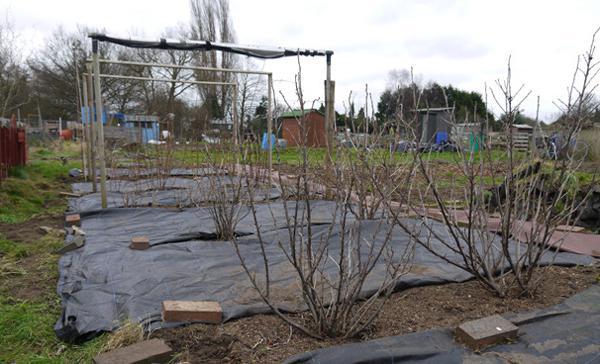
Watering is done 1-2 times per month. During drought conditions, water the plants at least once every 8-10 days.
Fertilization
Fruit trees grow in the same place for 20 years. Therefore, they are fertilized annually, enriching the soil and providing the berry bush with nutrients. In early spring, nitrogen fertilizers are added to the soil to promote growth and foliage formation. During the growing season, the berry plant is fed with organic and mineral complex fertilizers.
Trimming
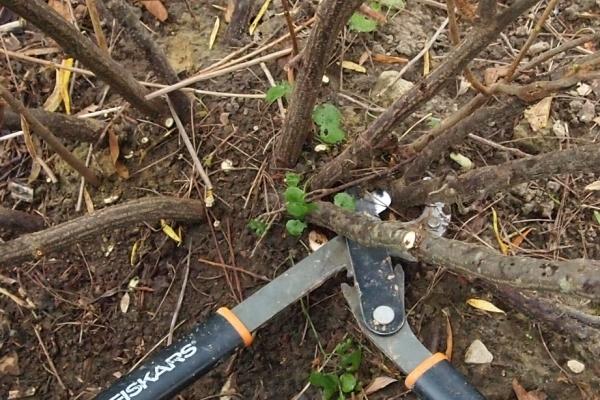
With the arrival of spring, fruit bushes undergo annual formative pruning. Four to six strong, healthy shoots are left on the main trunk, and the rest are pruned. The cut areas are treated with garden pitch. In the fall, the plants undergo sanitary pruning, removing all dried, damaged, and abnormally growing branches.
Loosening and mulching the soil
To ensure oxygen and nutrients reach the shrub's roots after watering, the soil is loosened. This loosening is combined with weeding. The loosened soil is mulched with humus, dry grass, or sawdust.
Important! Weeds carry fungal diseases and pests. Therefore, weed removal should be performed several times per season.
Covering for the winter
The Sakharnaya currant variety easily tolerates winters with temperatures down to -30 degrees Celsius. However, in northern regions, where frosts often drop below this threshold, the bushes require additional insulation.
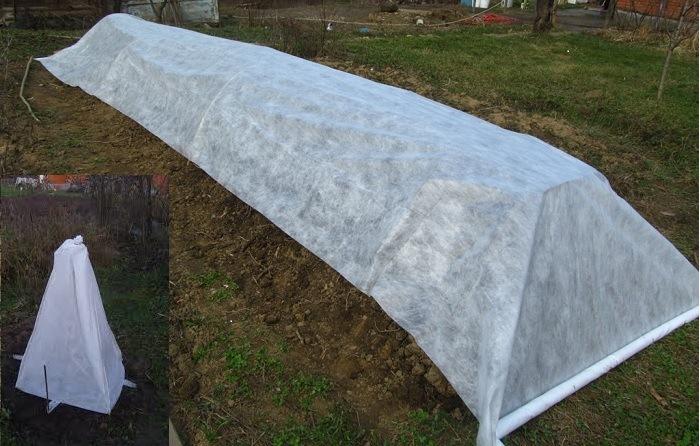
In late autumn, the plants are pruned and bent down to the soil surface. They are secured with weights and covered with a thick layer of straw, dry leaves, and spruce branches. The fruit crop is then covered with burlap or a special fiber mat.
As soon as the first snow falls, a large snowdrift is created over the bushes.
Methods of combating diseases and pests
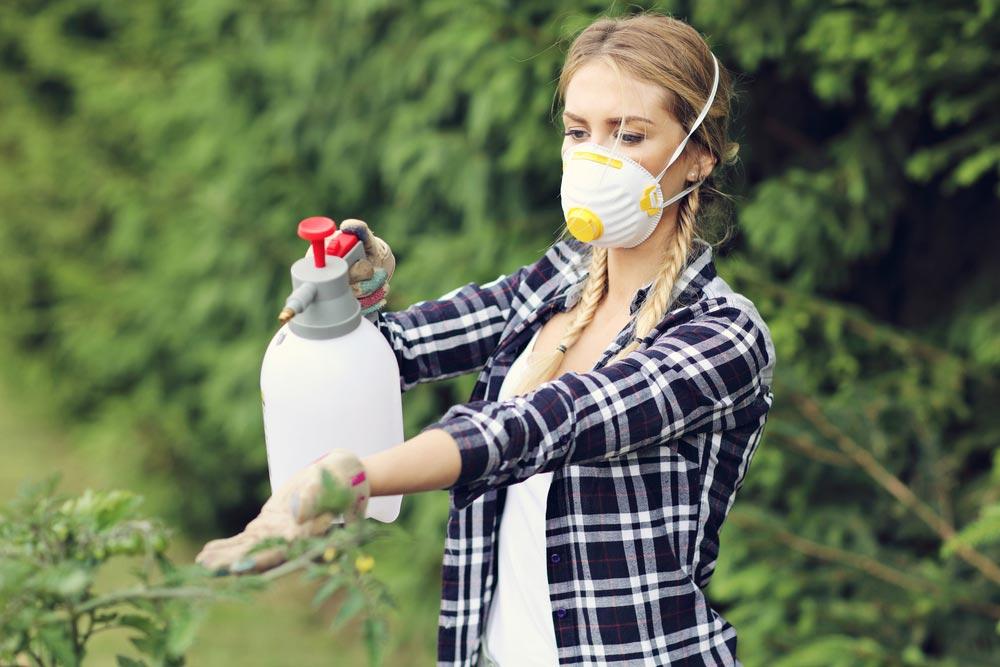
Berry bushes are naturally immune to most fungal and viral diseases. However, every year, with the onset of spring, the plants are treated with copper-containing preparations.
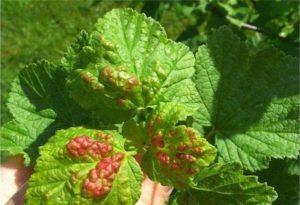
Sugar currants are also susceptible to the fungal disease anthracnose, which, if left untreated, can completely kill the bush. When the infection appears, the affected branches are pruned and treated with special preparations.
Gardeners' reviews of the variety
Oksana Vladimirovna 37 years old, Perm
I've had my Sakharnaya red currant bushes growing in my garden for seven years now. I only need minimal care, watering them occasionally and fertilizing them even less often. So, the currants are growing naturally and producing excellent fruit. The berries ripen to a fairly large size and are very sweet. I usually only process the currants, but the whole family enjoys eating the Sakharnaya fresh.
Igor Pavlovich, 40 years old, Kursk
A few years ago, I bought several red currant seedlings at a garden center for my dacha, including a Sakharnaya variety. The bushes quickly took root and began bearing fruit within a year. The berries from the Sakharnaya currants are so sweet and juicy, it's a shame to waste them. But there's so much of them that you can eat them fresh, make jam, and even homemade liqueur.
Evgeniy Sergeevich 53 years old, Vladivostok
A nursery worker recommended planting the Sakharnaya currant variety, and he was right. The bushes survive the winter well; I only add a little insulation during severe frosts. In the spring, they quickly emerge from hibernation and begin growing vigorously. The berries are large and sweet, and we mostly eat them fresh; they're very healthy.
Related posts:
 Characteristics and descriptions of the 40 best red currant varieties
 Red currant health benefits, properties, and contraindications
 The health benefits and contraindications of black currants
 Description and characteristics of the 25 best blackcurrant varieties for Siberia
 12 Best Recipes for Making Red Currant Jam in Five Minutes for the Winter
 TOP 10 recipes for red, black, and white currant sauce and ketchup for the winter, and how to store your preparations
 The health benefits and contraindications of white currants
 Description of the 50 best blackcurrant varieties for different regions