
- Causes of red spots on currants
- Fungal disease anthracnose: signs of parasitism
- Red gall aphid: how does it manifest itself and what are its dangers?
- Rust: symptoms and causes
- How to treat currants
- Chemicals
- Topsin-M
- Acidan
- Fundazol
- Kinmix
- Confidor
- Inta-vir
- Actellic
- Insecticides
- Agravertin
- Biotlin
- Fitoverm
- Folk remedies and home remedies
- Red pepper infusion
- White mustard powder
- Tobacco dust decoction
- Tomato tops infusion
- Marigold decoction
- Prevention
Red and black currants are perennial plants that produce tasty and healthy fruits. They are relatively easy to care for, but there are a few things to consider. In particular, gardeners are interested in why currants have red spots on their leaves and what to do about them. This defect is the result of many diseases, including fungi, aphids, and rust, and therefore requires different treatment approaches.
Causes of red spots on currants
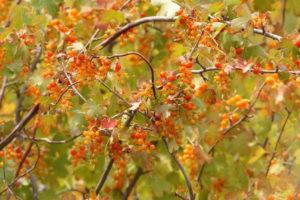
Red spots on red or black currants usually appear in summer. The color ranges from dark, almost burgundy, to scarlet. The palette varies, and there's no standard size, as the spots are initially small and barely noticeable, but can eventually cover the entire leaf. The redness can be shallow or voluminous, resembling a swelling.
Red currant leaves themselves don't affect plant growth, but they do degrade the flavor and condition of the berries. The bush begins to produce small, sour fruits, which is undesirable for any gardener accustomed to growing healthy, and most importantly, tasty berries. If the spots aren't treated, all the currant branches dry out and turn brown, and eventually the bush dries up and dies.
Fungal disease anthracnose: signs of parasitism
If currant leaves have turned red, the first thing to check is for anthracnose. It is caused by a specific fungus, which thrives in warm, moist soil and low phosphorus and potassium levels. The disease initially manifests itself as brown spots that quickly spread. The leaves become swollen and convex. Anthracnose appears in early June, but reaches its peak by mid-July and the end of July.
Red gall aphid: how does it manifest itself and what are its dangers?
When leaves became covered with red marks, gardeners attributed it to aphids. They remain a major problem today. Yellow and brown aphids live under the leaves, on the undersides. These sucking insects are no larger than 2.5 millimeters.

Aphids lay eggs in the plant bark in the fall, and in early summer they begin to spread. In late summer, they migrate to grasses, then return to the shrubs, where they store their eggs for the winter.
Infestation of currants by aphids manifests itself as galls – swelling-like formations.
The insect sucks the bush's beneficial juices, causing the currant bush to lose nutrients. Special replacement tissues form on the leaves, and growths appear at the end of the season.
Rust: symptoms and causes
If the edges of currants turn red, growths appear, accompanied by yellowing and reddish streaks, this could indicate a fungal plant disease. Rust is a fungal infection that appears as cup-shaped lesions.
Currants become infected with spores carried by sedge (this is how the winter cycle ends). The fungus is carried to plants by the wind, so the only reliable protection is early prevention.

How to treat currants
Treating currants is a lengthy process that requires preparation. Treatments are divided into chemical and insecticide treatments, and the choice of which one to use depends on the stage of the disease and the prognosis. In some cases, home remedies have also proven effective.
Chemicals
Various chemical treatments can also help remove defects on currant leaves and thus protect the plant from spoilage. These should not be used immediately before harvesting. The instructions must be followed, as they specify the minimum time intervals between harvesting currants and treating them with chemicals.
Control methods vary depending on the mechanism of action. These include:
- respiratory - disrupt the respiratory system of pests;
- contact - death occurs after contact with the substance;
- intestinal - die when they absorb the substance;
- systemic - destroy tissue.
Take a look Also
There are medications with a single spectrum of action. However, for a comprehensive and rapid response, it is recommended to use formulations with two or more areas of action.

Topsin-M
The active ingredient is methyl thiophate. It acts through contact and systemic contact. It combats a variety of diseases.
Acidan
Metaloxyl and mancozeb are the active ingredients. They combat fungal infections.
Fundazol
The active ingredient is benomyl. It disrupts reproductive function. In addition to its primary action, it increases resistance to pests. Treatment should be limited to three times per season, as tolerance develops.
Kinmix
Intestinal and contact methods. The substance is beta-cypermethrin. It can not only get rid of adult pests but also kill their larvae.

Confidor
Paralytic systemic action on pests. Imidacloprid is the main component. The composition is sprayed and applied to the soil.
Inta-vir
Contact and stomach methods. Spray the leaves with a pyrethroid (up to 3 liters of the solution per plant).
Actellic
It has contact and stomach action. The main component is pirimiphos-methyl. For young plants, soaking in the solution is recommended, while for mature plants, spraying is recommended.

Insecticides
You can treat the bushes where adult plants reproduce with insecticides, and also remove the larvae and eggs.
Agravertin
The product is biological and therefore harmless. The main component is avetrin.
Biotlin
The active ingredient is imidacloprid. It has a contact and intestinal spectrum of action.
Fitoverm
The main component, avermectin, does not induce resistance. Its mode of action is contact and intestinal.

Folk remedies and home remedies
Folk remedies can help eliminate aphids from bushes, but are unlikely to combat more serious and advanced diseases. Therefore, they are used successfully in the early stages of illness.
Red pepper infusion
The peppers should be fresh from the garden. Cut a kilogram of fresh peppers, remove the stems, and place them in a bucket. Boil for an hour and let steep for at least two days. Use in a ratio of 1 to 10 (that is, dilute with water for spraying in a ratio of 1 to 10).
White mustard powder
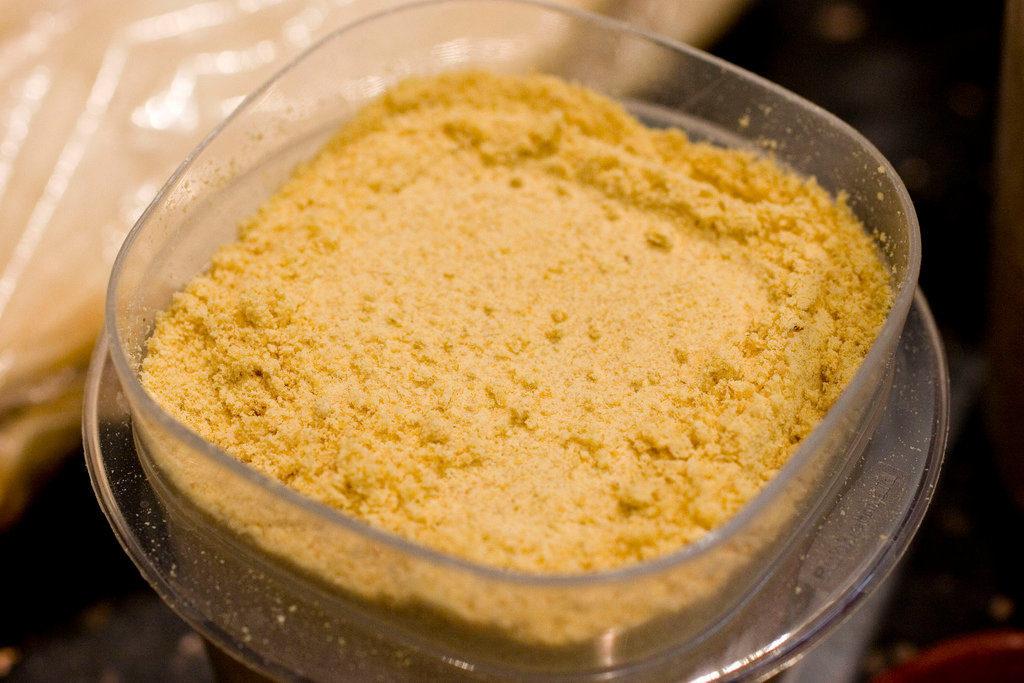
Mix 10 grams of mustard powder with a liter of boiling water and leave in a dark place for two days. Add water (800 ml of the 200 ml solution) before use.

Tobacco dust decoction
Boil half a cup of the dust in a liter of water for half an hour. Let it steep in a dark place for 24 hours. Strain and add a teaspoon of soap. Spray the mixture on both sides of the leaves.
Tomato tops infusion
Pour 5 liters of boiling water over 2 kilograms of tops. Then:
- insist for 2 hours;
- Simmer for 3 hours over low heat;
- dilute 1 to 2 with water, leave for 2 days;
- add liquid soap.
The composition is immersed in a sprayer. They use high-quality soap, it acts as an adhesive.

Marigold decoction
Used only to control aphids. Recipe:
- 5 liters of marigolds are crushed;
- pour boiling water over it;
- insist for two days;
- add 50 grams of laundry soap.
The mixture is sprayed onto the leaves using a spray bottle.
Prevention
Currant disease prevention is essential; this way, gardeners can protect their plants from the negative effects of fungi and aphids. To prevent currant diseases, you need to:
- remove weeds nearby;
- apply insecticides before buds appear;
- use Bordeaux mixture for prevention;
- plant dill, parsley, mustard and cilantro near bushes, as they help attract insects that fight pests;
- remove garden ant breeding sites;
- plant fragrant herbs and plants nearby;
- After wintering, treat the currant trunks with hot water (about 85 degrees).
Currants are the highest in ascorbic acid. To obtain the recommended amount, a person needs to eat only 30 currants per day.
Gardeners can easily plant this storehouse of vitamins in their plots, but only if they carefully monitor the currants and prevent pests.
Related posts:
 20 Best Blackcurrant Winter Preserves Recipes
 Description and rules for growing black currant variety Veloy
 Characteristics and descriptions of the 40 best red currant varieties
 Why and what to do if blackcurrant leaves turn yellow
 When is the best time to plant currants to get a good harvest?
 The health benefits and contraindications of white currants
 Description of green currant varieties, planting and care features
 TOP 10 recipes for red, black, and white currant sauce and ketchup for the winter, and how to store your preparations