
- Benefits of growing golden currants
- Botanical description and characteristics of the crop
- Beneficial properties
- Specific uses of currants
- As a fruit and berry plant
- We use it in landscape design
- Landing features
- Required climatic conditions
- Selecting a site and preparing a planting hole
- Timing and technological process of planting
- How to care for currants
- Irrigation and fertilization
- Loosening the space between rows
- Weed removal
- Trimming
- Diseases and pests: control and prevention
- Goblet rust
- Septoria
- Anthracnose
- Large currant aphid
- Currant bud mite
- Common spider mite
- Methods of reproduction
- The best varieties of golden currants
- Venus
- Ermak
- Yellow
- Pearl
- Isabel
- Caucasian
- Chinese
- Kishmish
- Laysan
- Michurinskaya
- Muscat
- Silvery
- Siberian sun
- Shafrak
- Amber
Golden currant varieties are popular due to their unusual blooms. The plant possesses numerous beneficial properties, making it easy to grow in your own garden. The berries from these varieties have a pleasant flavor reminiscent of blueberries.
Benefits of growing golden currants
Golden currants differ from black currants in their golden flowers during flowering and the shape of their berries. Growing them has its own advantages:
- does not require formative pruning;
- high yield;
- pleasant taste of fruits;
- winter hardiness;
- drought resistance;
- reduced risk of powdery mildew.
Botanical description and characteristics of the crop
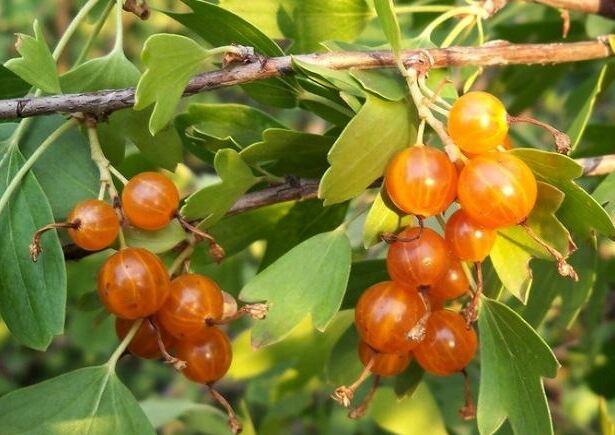
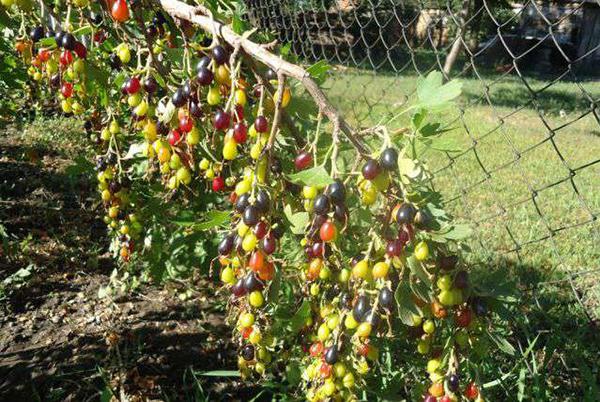
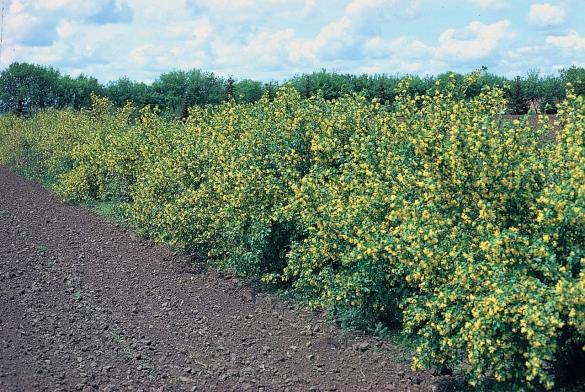
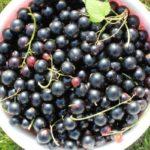
The bush reaches a height of 3 m. It has green leaves with serrated edges. It blooms with golden flowers in early May, lasting 15-20 days. The berries are black, elongated, and have a slight blueberry flavor.
Important! The bush looks like a gooseberry.
Beneficial properties
Golden currant has many beneficial properties for the human body:
- antioxidant properties;
- strengthening the immune system;
- lowering blood glucose levels;
- cleansing blood vessels from cholesterol;
- improving the functioning of the heart and the entire system;
- saturating the body with vitamins.
Specific uses of currants
The bush is used as a fruit crop, as well as in landscape design.
As a fruit and berry plant
One bush yields approximately 6 kg of berries per season. This is a high yield relative to the size of the bush.
We use it in landscape design
The unusually colored blooms decorate gardens. Many gardeners plant them for decorative purposes. Currants look great among shrubs of this size or in combination with low-growing plants.
Landing features
Proper currant planting guarantees a harvest. The procedure requires following certain steps.
Required climatic conditions
Golden currant is suitable for growing in central Russia and the south. In the north, it is suitable as an ornamental plant.
Take a look Also
Selecting a site and preparing a planting hole
Choose sunny areas free from shade and drafts. Direct sunlight should be provided for at least 8 hours during the summer. Prepare the planting hole two weeks before planting.
- Dig a hole 50 cm in diameter and 50 cm deep.
- The excavated soil is mixed with humus and mineral fertilizers.
- Fill the hole halfway.
- Leave until the moment of disembarkation.
Timing and technological process of planting
You can plant seedlings in the fall or spring. In the south, there's no difference in planting time. For temperate climates, spring planting is recommended to allow the shrub time to establish roots in its permanent location.
How to care for currants
Caring for the bush increases the yield of the crop and maintains the health of the currant bush.
Irrigation and fertilization
Water as the soil around the shrub's roots dries out. Apply 4 buckets of water per shrub. Fertilize at different stages of the growing season:
- before the juice starts to move;
- during flowering and ovary formation;
- during the fruiting period;
- after harvesting.
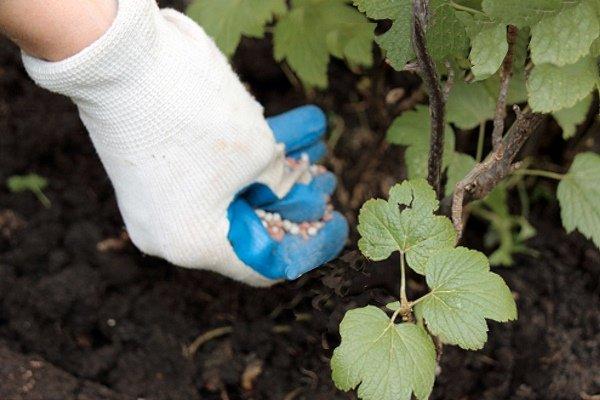
Mineral complexes containing nitrogen, potassium, and phosphorus are used for currants, as well as organic compounds.
Important! Once every two years, the currant tree's trunk circle should be fertilized with organic matter for the winter. Humus, manure, and compost are suitable for this purpose.
Loosening the space between rows
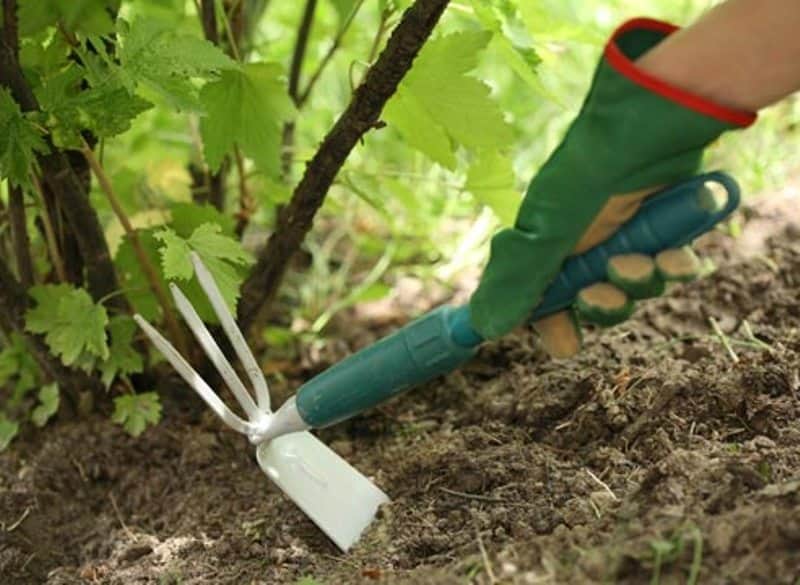
When planting large quantities, it's necessary to loosen the soil between rows. Cultivate the soil a few centimeters deep. This helps oxygen reach the plant roots.
Weed removal
Weeds draw beneficial micronutrients from the soil, thereby depleting it. These minerals will be lacking for currants to thrive. Weeding should be done as the plants grow.
Trimming
This procedure is performed every spring. Crown shaping is performed before the fifth year of vegetation. All old, dry branches are trimmed. A central shoot is selected and, using it as a guide, the remaining branches are trimmed.
Diseases and pests: control and prevention
Golden currant is resistant to powdery mildew, but is susceptible to other diseases.
Goblet rust
Yellow spots appear on the foliage, spreading rapidly, and the leaves fall off. Fungicides are used to combat the disease, and agricultural practices are followed for prevention.
Septoria
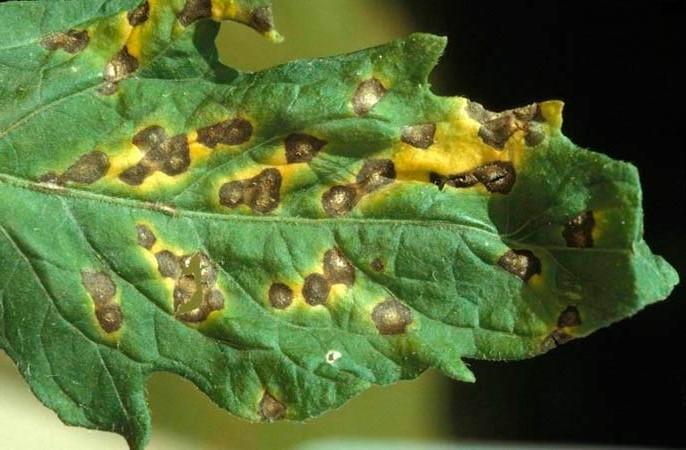
Currant leaves become covered in black spots, with a transparent spot visible inside, and a yellow halo around the leaves. Gradually, the shoots dry out and fall off.
Using copper sulfate at the beginning of the season will protect against most diseases.
Anthracnose
This fungal disease manifests as red growths on parts of the shrub. The foliage gradually turns yellow and falls off. Treatment is with fungicides or wood ash.
Take a look Also
Large currant aphid
These are pests that feed on currant sap. They are small and black in color, appearing on the bush due to high humidity and multiplying rapidly. They can be controlled with an insecticide.
Currant bud mite
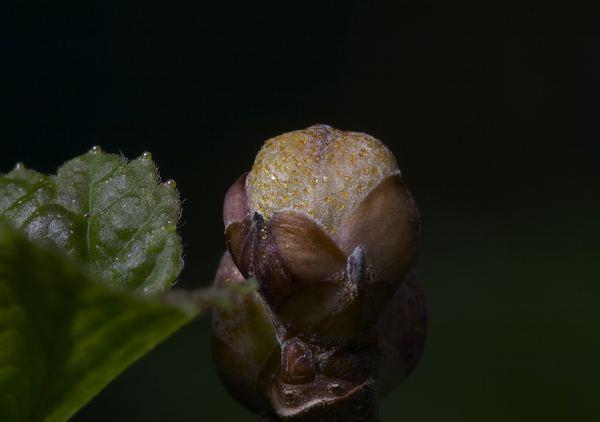
They appear on the plant during bud formation. They penetrate and parasitize until the buds open. They interfere with the normal development of the shrub. They are small in size and red in color. They die after treatment with insecticides.
Common spider mite
It attacks plants mid-season and is bright red in color. It interferes with normal crop development, covering the leaves with a dense web. It dies after insecticide treatment.
Methods of reproduction
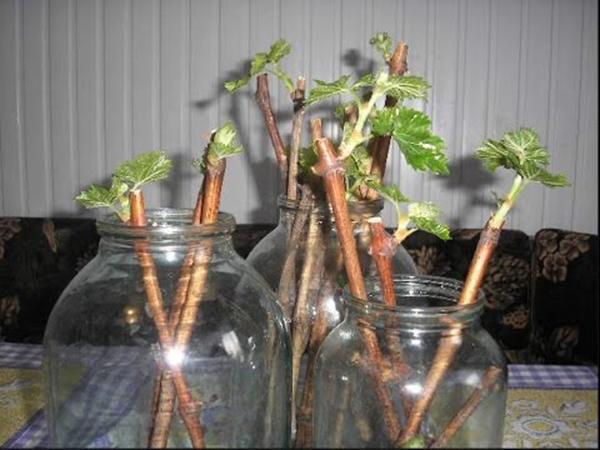
Currants can be propagated by cuttings or seeds. Cuttings are more common, as propagation by seeds is more difficult. The procedure follows a specific method:
- Select strong branches with a diameter of up to 8 mm for cuttings.
- They are cut at the beginning of August, the length is 15-20 cm.
- Soak in a rooting stimulator for 1 day.
- Placed in the ground.
- Cover with a transparent plastic lid or canopy, creating a mini-greenhouse.
- Leave until rooting.
- They are being carried to a permanent location.
The best varieties of golden currants
Certain varieties are suitable for the Moscow region and central Russia. It is recommended to choose varieties zoned for specific regions.
Venus
The berries are black and harvested several times per season, yielding up to 1.7 tons per hectare. This mid-season variety is winter-hardy and drought-resistant.
Ermak
A frost- and drought-resistant shrub, suitable for growing in Siberia. It has a large size, a spreading crown, and a strong root system. The berries are black and have a distinct currant aroma.
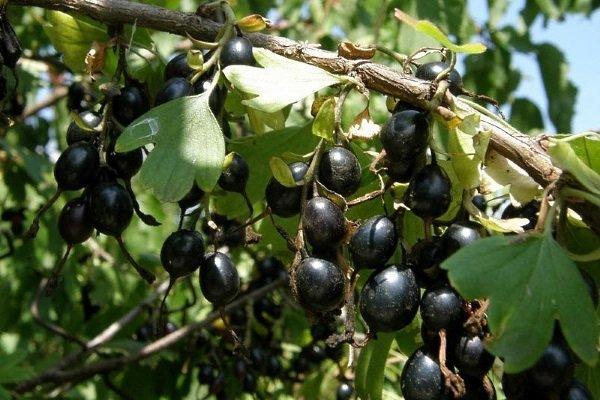
Ermak is best planted in groups. This increases yield by 30%.
Yellow
This mid-season variety produces medium-sized berries with a vibrant red-yellow coloring. It blooms with bright yellow flowers. It has strong immunity and frost tolerance.
Pearl
Suitable for growing in the north. The bush is medium-sized, with a moderately spreading crown. The berries are large, weighing over 3.5 g. It is an early-ripening variety with high frost resistance.
Isabel
A frost-hardy currant. The bush grows tall, producing black berries weighing up to 3 g. Suitable for growing in all regions. It has strong immunity to fungal diseases. It blooms early in the season with bright golden flowers.
Caucasian
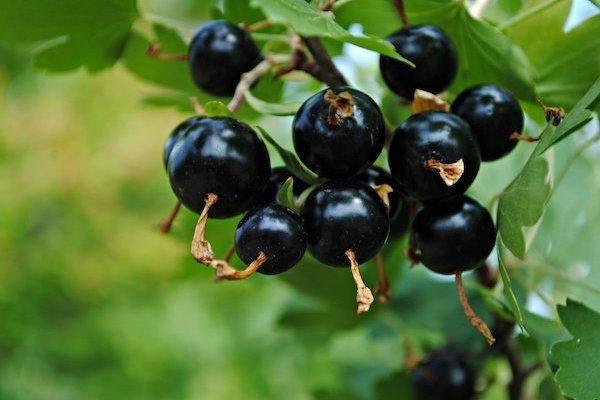
Currants are suitable for growing in the south or temperate climates. The bush is medium-height, with a compact crown. The berries are small, black, and have a pleasant, sweet currant flavor.
Take a look Also
Chinese
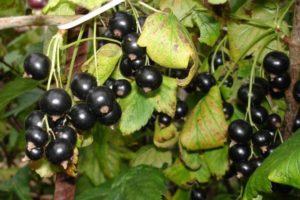
The bush grows to about 2 meters in height. This mid-season plant blooms with bright golden flowers, and the berries are black. Each berry weighs about 2.5 grams. A single bush yields about 7 kg.
Kishmish
Kishmishnaya has several varieties: black, heart-shaped, and raspberry. The plant is short and compact, with spreading branches. The berries are unusually heart-shaped, weighing up to 4 grams each. A single currant bush yields over 10 kg.
Laysan
It is a honey plant with low, compact bushes, suitable for cultivation in central and southern Russia. It tolerates drought well and has average frost resistance.
Michurinskaya
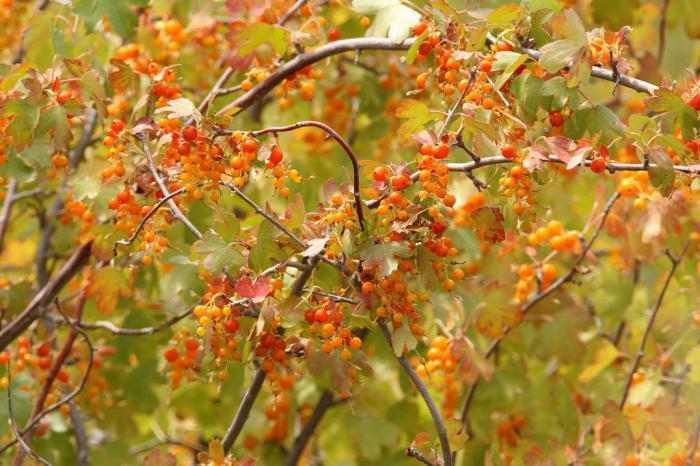
A self-fertile variety with high frost and drought resistance. The medium-sized bush produces numerous ovaries, which are then replaced by black berries up to 2 grams each.
Muscat
A frost-hardy variety with a tall, spreading bush. Flowering begins early in the season and lasts about 20 days. It is a mid-season currant. The yield is high. The berries are small, up to 1.5 g each. The bush produces numerous ovaries.
Silvery
A medium-sized shrub with a spreading crown and green leaves with dissected blades. The berries are small, light-colored, with a pink tint. The flavor is sweet and sour. It is moderately frost-hardy and highly drought-tolerant.
Siberian sun
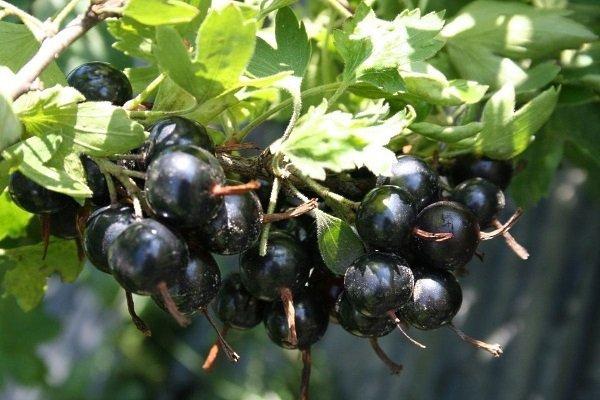
This variety is zoned for Siberia and is highly frost-resistant. Berries weigh up to 2 grams and are yellow-red in color. It is an early-ripening currant, harvested in mid-July. The bush is compact.
Shafrak
A shrub growing over 2 meters tall, it is a hybrid of golden currant and the Venus variety. The berries are red, weighing up to 2.5 grams, and have a pleasant sweet flavor. Harvesting takes place in late August.
Amber
A medium-sized shrub with large, black berries, weighing approximately 4 g each. Suitable for growing in temperate and southern climates. Moderate frost resistance and high drought tolerance.
Related posts:
 Description of 36 of the best sweet and large varieties of gooseberries
 Characteristics and descriptions of the 40 best red currant varieties
 20 Best Blackcurrant Winter Preserves Recipes
 Description of the 50 best blackcurrant varieties for different regions
 Beginner's Guide to Growing Grapes in Open Ground in Central Russia
 The health benefits and contraindications of white currants
 Characteristics and description of the red currant variety Jonker Van Tets
 Description and characteristics of the 25 best blackcurrant varieties for Siberia