
- When to prepare currants for winter depending on the region
- In the Moscow region
- In the Urals
- In Siberia
- In the Leningrad region
- Specifics of caring for berry crops after fruiting
- Is it possible to transplant?
- Autumn pruning
- Loosening the soil
- Moisture-charging irrigation
- How to feed the bushes
- Seasonal treatment against insects and diseases
- Features of care for different varieties
- Red-fruited
- Black chokeberry
- What does winter preparation include?
- Mulching the tree trunk circle
- Plant shelter
- Bending the branches of a bush
- Useful tips and recommendations
Currants are considered an easy-to-grow crop and don't require much attention. However, over time, yields decline significantly, which is undesirable for gardeners. With proper care, currants can grow in one spot and produce excellent berries for up to 20 years. This requires proper care for any currant plant in the fall. This is especially important for novice gardeners without extensive practical experience in caring for crops.
When to prepare currants for winter depending on the region
The time to prepare currant bushes for winter depends directly on the growing region and its climate. This also determines the necessary measures to ensure the plants successfully survive the cold.
In the Moscow region
Currants are frost-hardy crops, with shoots that can withstand temperatures as low as -30°C, so they don't require additional winter cover in the Moscow region. Growing non-regional varieties requires covering, shaping, and even insulating the bushes. Domestic varieties only require fertilization, pruning, and soil maintenance.
In the Urals
The Ural climate is characterized by harsher winters than the Moscow region, so currants need to be prepared for the cold season more carefully. If the weather forecast calls for little snow, not only should the branches be bent to the ground, but also consider snow retention methods. The tree trunk area must be mulched to prevent the root system from freezing during severe frosts. Preparatory work is carried out immediately after the leaves fall.
In Siberia
If a snowy winter is forecast, then in the Siberian climate, simply mulching the soil around the currant bushes and bending the branches toward the ground is sufficient. However, if the winter is expected to be light on snow, in addition to these measures, additional insulation for the plants is recommended.
In the Leningrad region
The Leningrad Region's climate is characterized by mild and snowy winters, so currant bushes don't necessarily need to be bent down or covered for the winter. However, the high humidity forces gardeners to pay special attention to sanitary pruning and preventative treatments against fungal diseases and pests. Organic fertilizers and superphosphate should also be applied so that they have time to be processed and enrich the soil with nutrients by the start of the spring season.
Take a look Also
Specifics of caring for berry crops after fruiting
Autumn gardening is just as important as spring gardening. In most cases, the next season's harvest depends on how well it's done.
Is it possible to transplant?
Transplanting currants in autumn In cold regions, this is risky, as the shrubs may not have time to establish roots before the onset of sustained cold weather. However, if necessary, the work is carried out until approximately mid-October. If you transplant too early, the plants may start to grow, which is undesirable before the onset of winter.
Autumn pruning
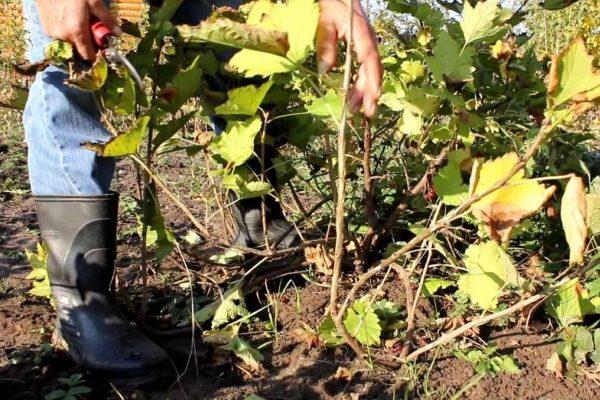
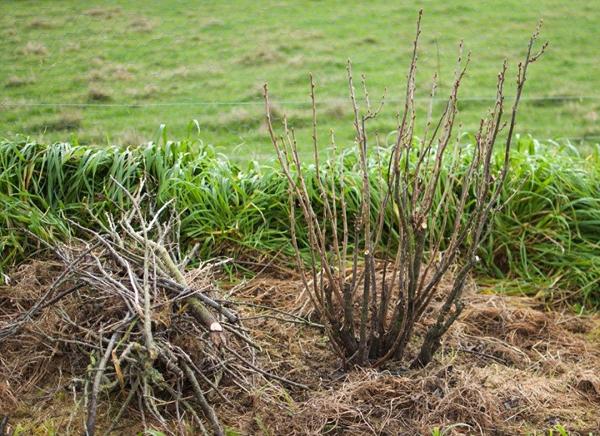
Currant bushes are pruned in the fall to remove excess growth and shape it to further increase yield. The advantage of fall pruning is not only that damaged and diseased branches are immediately removed, but also that pests and pathogens are much less likely to overwinter on the plant and resume their activity once warmer weather arrives. Furthermore, gardeners have more time to carry out pruning in the fall than in the spring.
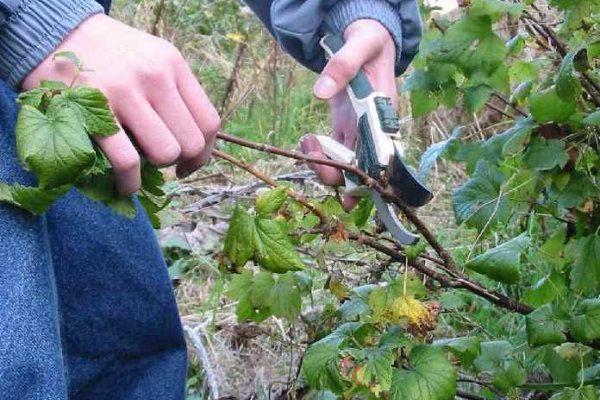 During pruning, broken, diseased, weak or damaged branches are removed, as well as those that spread along the ground and grow inside the bush, thereby thickening it.
Loosening the soil
Loosening the soil and removing weeds around currant bushes is done regularly after heavy rainfall or watering.
The soil is loosened shallowly to avoid damaging the surface roots. This procedure ensures the soil is oxygenated and the shrub develops fully.
Moisture-charging irrigation
Moisture-replenishing watering is essential in the fall, as currants are drought-sensitive and their roots need to stock up on moisture before prolonged cold weather sets in. It's best to do this in late September, when the bush's root system is actively developing.
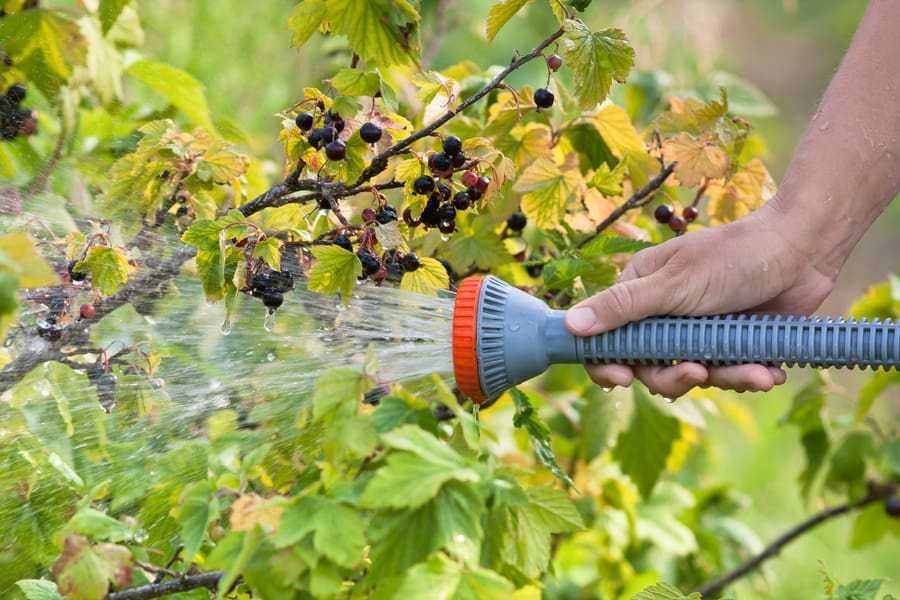
When watering, add 3-5 buckets of water under each bush, depending on the plant's size and age. The soil should be moistened to a depth of at least 0.5 m. Immediately afterward, mulch a 0.6 m radius circle around the trunk. Use sawdust or peat for this purpose, applying a 5-10 cm layer.
How to feed the bushes
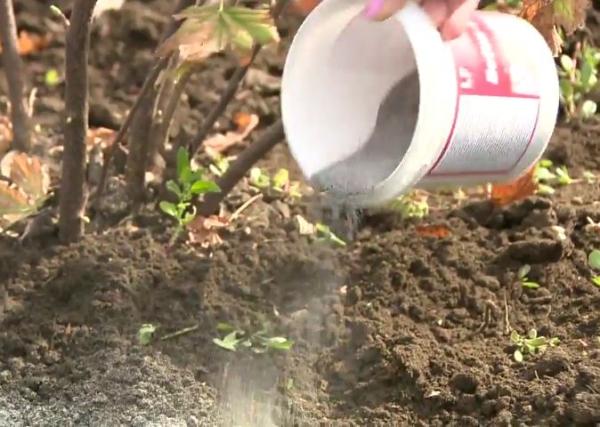
Only currant bushes that are three years old or older require autumn fertilization. This procedure not only helps the plants survive the winter successfully but also ensures a bountiful harvest of large berries next year. Dry fertilizers are added to the soil during tillage. Gardeners use phosphorus-potassium mineral fertilizers and organic matter (humus) for this purpose.
Seasonal treatment against insects and diseases
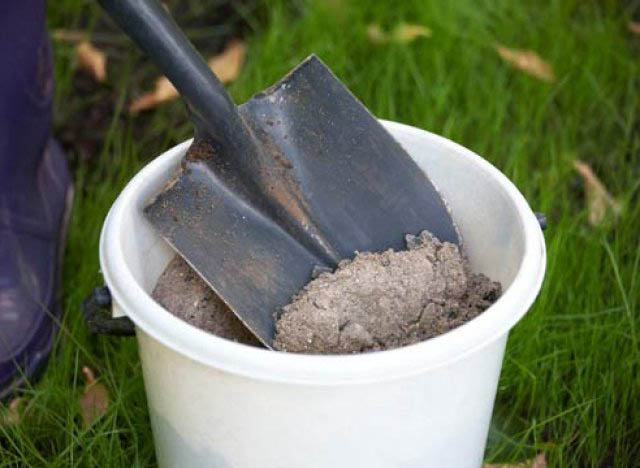
Currants can be treated for pests and diseases in the fall not only with specially designed products but also by digging around the trunk. All treatments should be performed only after all plant debris has been removed from the garden.
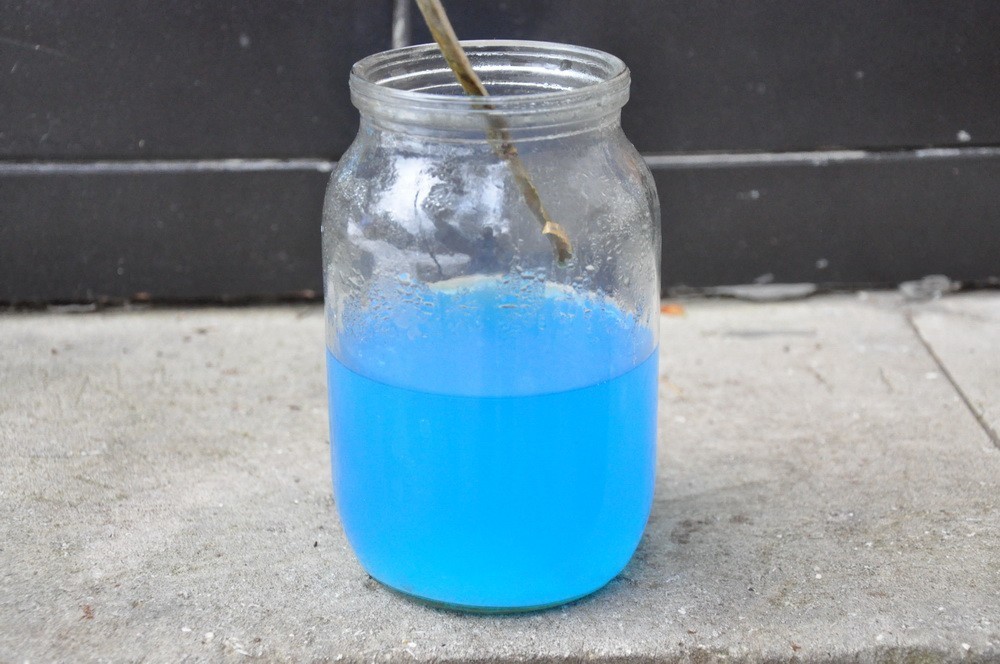
If signs of disease or pest activity are detected, spray with Bordeaux mixture or copper sulfate.
A preventative measure against the spread of infections and pests is to treat the soil in the trunk circle with a disinfectant solution:
- copper sulfate;
- laundry soap;
- potassium permanganate.
Features of care for different varieties
Different currant varieties require different autumn care and winter preparation measures. Experienced gardeners know the differences, but newbies often make mistakes and prepare all their plants for the cold using the same approach.
Red-fruited
Autumn caring for red currants It differs somewhat from other varieties. When pruning old branches, keep in mind that these are shoots approximately 7-9 years old.
Severe shortening of shoots leads to a decrease in yield, since this variety forms ovaries precisely at the tips of the branches.
To prepare the plant for winter, you need to recharge it with water, apply fertilizer, and, if necessary, insulate the bush. A similar procedure is followed for white currant varieties.
Black chokeberry
Gardeners believe that black currants are easier to care for than other varieties. However, some rightly disagree.
In the autumn, it will be necessary to carry out sanitary and basic pruning, including the removal of shoots older than 5 years.
To stimulate the formation of new branches, they are shortened by a third of their length. Pre-winter watering is essential for black currant varieties.
What does winter preparation include?
Preparing currants for winter includes not only pruning, but also other types of work.
Mulching the tree trunk circle
In the fall, it's a good idea to mulch the area around the currant bush to protect the root system from freezing. The following can be used for this purpose:
- sawdust;
- compost;
- straw;
- turf soil;
- peat.
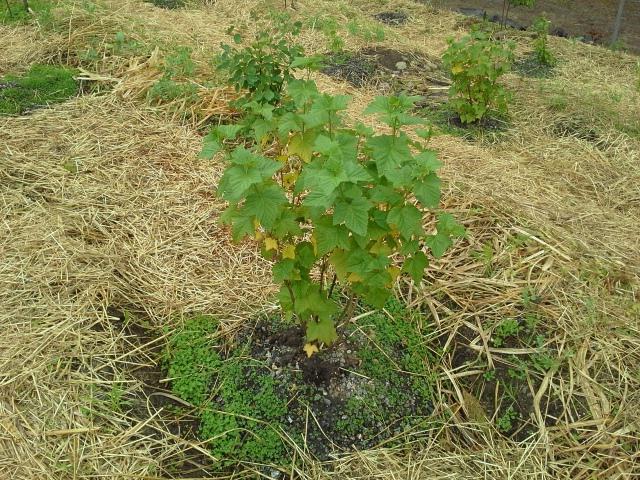
If preference is given to organic materials, then, among other things, they help to saturate the soil with nutrients.
Plant shelter
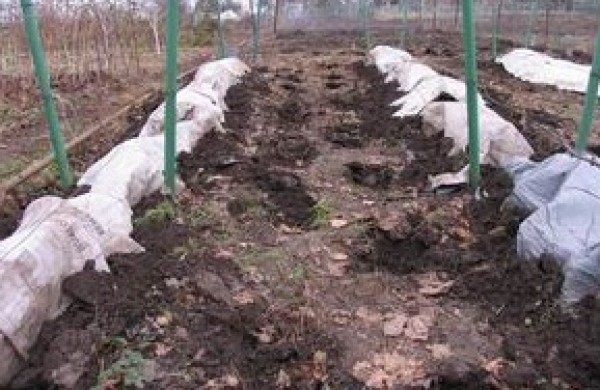
Winter cover for currants is necessary if the region experiences cold, low-snow winters and frequent temperature fluctuations. This can be made from agrofibre or any non-woven, breathable material.
Gardeners also use straw, hay, or reeds for this purpose. In some regions, the shelter is constructed from dry cattail.
First, the currant shoots should be bent to the ground and secured.
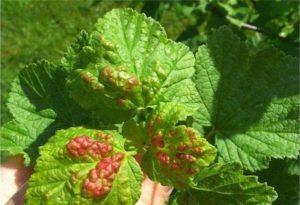
Bending the branches of a bush
The branches are bent to the ground and secured, having been previously collected into bundles of 3-5 pieces. It is not recommended to use metal as a weighting material to press currants to the ground, as it has high thermal conductivity and contributes to further frostbite of the plant. The fixed shoots can be covered for the winter or dug in with soil.
Useful tips and recommendations
Beginner gardeners often make mistakes when caring for currants in the fall. The most common ones include:
- Apply fresh manure to the underbrush before the onset of persistent cold weather. Plants receive excess nitrogen, which negatively impacts their ability to prepare for winter.
- Using synthetic materials to cover currant bushes for the winter. Wrapping bushes in polyethylene or other airtight materials will kill the plant. Only mineral wool, agrofibre, pine needles, fallen leaves, and spruce branches should be used for insulation.
- Applying large amounts of organic matter to the bushes will cause them to become overfed, actively growing foliage, and fail to produce flower buds. Overfed currants will be unable to stop growing in time and prepare for the winter cold.
- Bush pruning is done by breaking off branches or using improvised tools (knife, nippers). Currants with damaged or torn branches do not survive the winter well. Furthermore, wounds inflicted in the fall increase the risk of disease or pest infestation. Only use designated tools for pruning shrubs:
- pruning shears - cut branches whose thickness does not exceed 1.5 cm;
- lopper - cuts branches from 1.5 to 3 cm thick;
- Garden saw - used for working with old currant bushes.
If you provide your currants with proper care in the fall, the following season will surely reward you with a bountiful harvest of large, tasty fruits rich in vitamins and beneficial microelements.
Related posts:
 Description and rules for growing black currant variety Veloy
 20 Best Blackcurrant Winter Preserves Recipes
 When is the best time to plant currants to get a good harvest?
 Characteristics and descriptions of the 40 best red currant varieties
 The health benefits and contraindications of white currants
 TOP 10 recipes for red, black, and white currant sauce and ketchup for the winter, and how to store your preparations
 Description of green currant varieties, planting and care features
 The health benefits and contraindications of black currants