
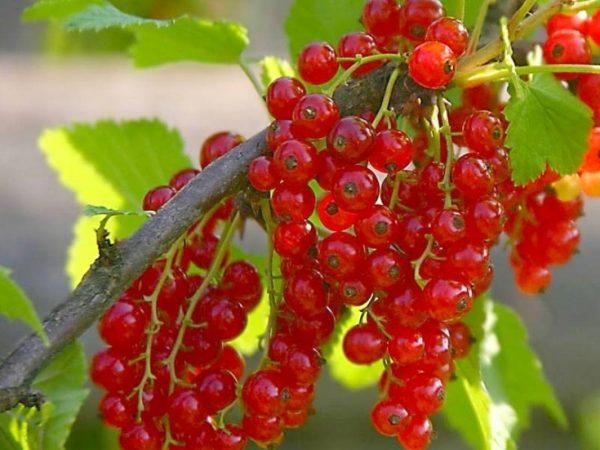
- What does red currant look like?
- Varieties of red currants by ripening time
- Early ripening varieties of berries
- Chulkovskaya
- Cherry Vixne
- Early sweet
- Jonker Van Tets
- Mid-season crops
- Rovada
- Gift of the Eagle
- Late and winter-hardy crops
- Scarlet Dawn
- Lights of the Urals
- Ural beauty
- Large-fruited species
- Baraba
- Alpha
- Asora
- Ilyinka
- Zoning of the variety
- For the middle zone
- Ob sunset
- Houghton Castle
- Cascade
- Red Cross
- Detvan
- For the Moscow region
- Generous
- Night
- Roland
- Rosetta
- For the Altai Territory
- Serpentine
- Jennifer
- Valencia
- Fertodi
- For southern regions
- For the northwest of Russia
- For Siberia and the Urals
- Seedless currant varieties
- Sweet currant
- Resistant to diseases and pests
- Long-leaved
- Self-fertile
- New and better varieties of red currants
- Dutch
- Radiant
- Rondom
- Tatiana
- Asora
- Alpha
- Vetch
Many gardeners grow red currants in their summer cottages and private properties. Choosing the right variety often comes up when planning a plot and wanting to grow this extraordinary berry on a large scale. Through intensive breeding, numerous red currant varieties have been developed. They differ in taste, ripening time, and other characteristics. Today, the choice is vast.
What does red currant look like?
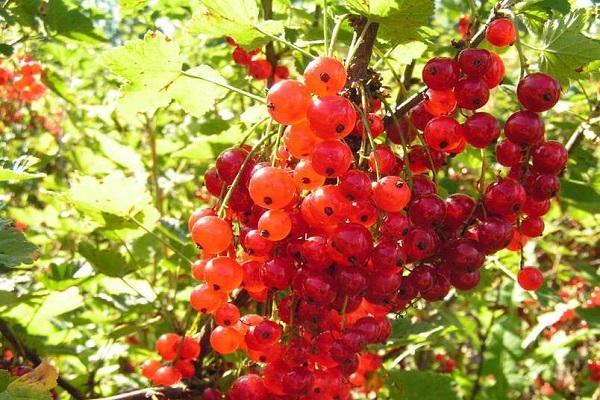
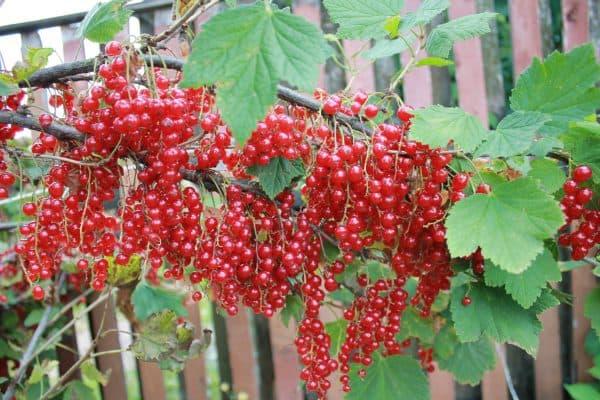
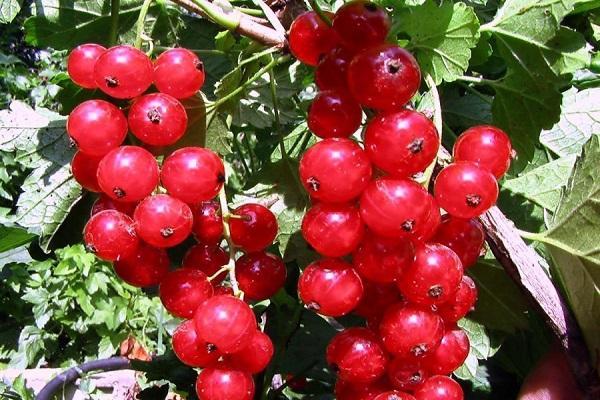
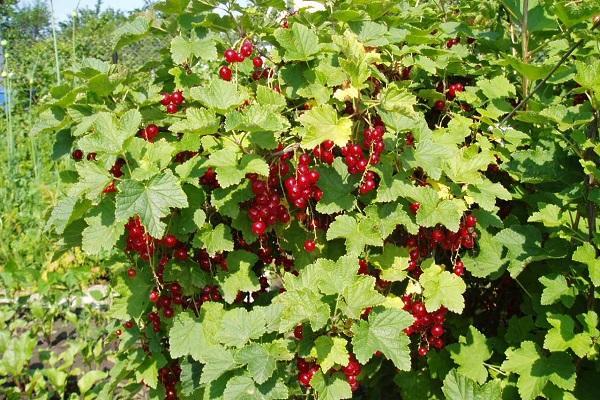
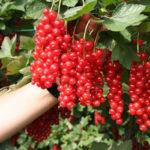
A low shrub with greenish wood, it grows no more than two meters in height. It blooms in May with unsightly yellow-green or reddish-brown flowers with various speckles. Subsequently, juicy fruits, collected in clusters, ripen on the massive branches. The berries vary in size depending on the variety and range from 8 to 12 mm.
Varieties of red currants by ripening time
The first mentions of red currants date back to the Middle Ages. Today, many varieties have been developed, differing in their growing season, fruit flavor, and resistance to disease and frost. Before purchasing a seedling, it is best to familiarize yourself with the detailed characteristics of each variety and select a zoned option with the desired qualities.
Early ripening varieties of berries
Early red currant varieties are in high demand among gardeners. The first harvests occur in the second half of June.
Chulkovskaya
The Chulkovskaya currant tolerates frost and prolonged dry periods well. It is a tall bush with gently spreading branches, on which red fruits ripen uniformly. One bush produces up to 9 kg of medium-sized berries with a tart flavor. This variety is virtually immune to anthracnose and is occasionally affected by powdery mildew, but often suffers from double-flowering.
Cherry Vixne
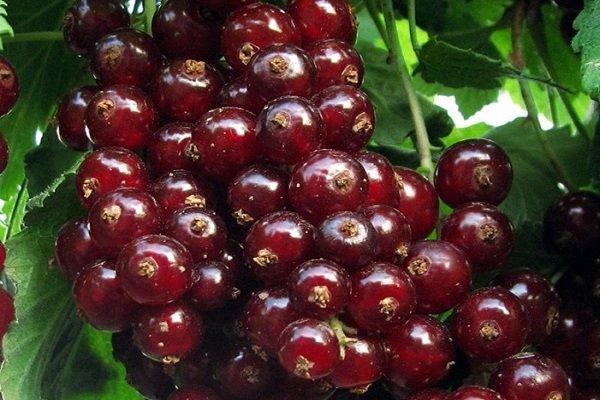
The vigorous Cherry Vixne stands out for its dark cherry-colored fruit and its high tasting score, rated 4.8. The bush produces small fruits, averaging 0.6 grams. A single plant can easily yield up to 10 kg of aromatic berries. The ripe fruit remains on the branches for a long time and does not fall off when overripe.
Early sweet
The harvest of the medium-sized Early Sweet currant is distinguished not only by its speed of ripening but also by its flavor. The bush tolerates cold winters well, growing no higher than 1.5 meters. It produces small, aromatic berries suitable for all-purpose use. The berries have a characteristic deep color and weigh an average of 0.9 grams. A single bush can yield up to 4 kg of berries.
Jonker Van Tets
The mid-early Jonker Van Tets variety is winter-hardy and resistant to powdery mildew. It produces delicious, all-purpose berries. The seedling grows into a vigorous bush with long, upright branches. A single cluster produces approximately 10 round berries, each weighing 0.7 grams. The berries store well and are easy to transport. Under favorable ripening conditions, a single bush can yield up to 6 kg.
Mid-season crops
This versatile mid-season currant ripens from mid-July. It is suitable for growing in regions with any climate.
Rovada
Rovada's late flowering avoids recurrent frosts and flower damage, resulting in large annual harvests. The variety has a long fruiting period, lasting up to 45 days. A single bush yields approximately 10 kg of berries in early July, which keep fresh for up to two weeks.
Gift of the Eagle
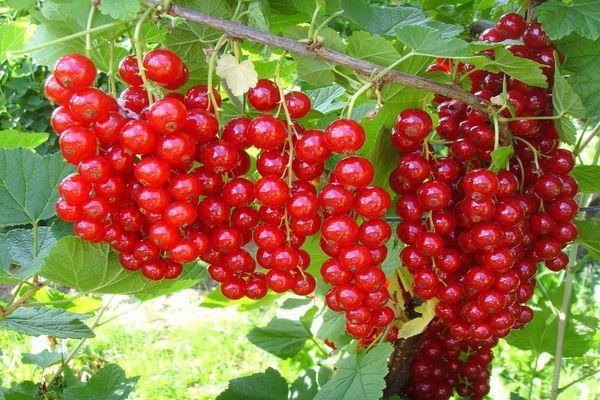
The vigorous red currant variety "Dar Orla" has a moderately spreading crown. It tolerates cold winters well and is resistant to powdery mildew. It produces berries weighing 0.8 grams.
Late and winter-hardy crops
Late-ripening varieties stand out among other red currant varieties due to their late flowering. This characteristic helps prevent damage to the blossoms from subsequent frosts. The harvest ripens no earlier than late July. The berries are characterized by firm flesh and store well for a long time.
Scarlet Dawn
The frost-resistant currant Scarlet Dawn produces good harvests every year and bears large berries weighing up to one gram.
Lights of the Urals
The early and winter-hardy Ogni Urala variety is a medium-sized, compact bush. Its branches bear small, dark-red berries, averaging just 0.4 grams. A single mature plant yields up to 6 kg of tasty, firm-skinned berries. The plant is frost-resistant, allowing for large annual harvests. The variety is resistant to anthracnose and powdery mildew.
Ural beauty
A medium-sized bush with a gently spreading crown, the Ural Beauty produces red berries weighing 0.8 grams. The plant thrives in warmer temperatures and tolerates prolonged droughts.
Large-fruited species
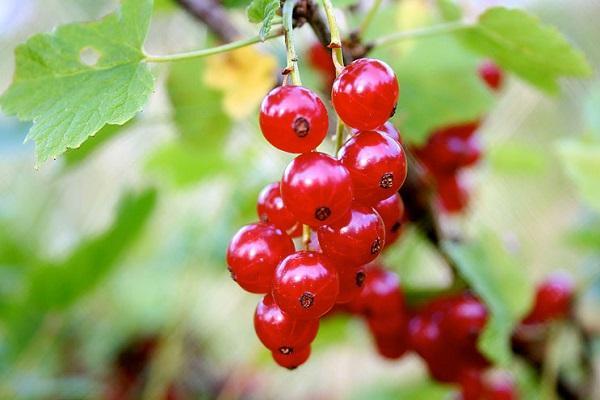
Large-fruited currant varieties are widely grown in small suburban plots. They produce large yields of delicious berries from a single bush. Fruits often weigh up to 1.7 grams.
Baraba
The Baraba variety produces large berries abundantly, each weighing 1.5 grams. The plant is frost-hardy and drought-tolerant, but is often susceptible to anthracnose.
Alpha
The winter-hardy, mid-season Alpha variety boasts increased resistance to powdery mildew. It produces large, light-red berries, averaging 1.5 grams. In favorable years, a single plant can yield over 4 kg. The bush has a spreading crown with dark green foliage.
Asora
The late-ripening, winter-hardy Asora variety is a medium-sized shrub with dark green, matte leaves. It produces dark burgundy berries weighing approximately one gram. The bush is resistant to major common diseases and is frost-tolerant.
Ilyinka
The early-ripening red currant 'Ilyinka' is a vigorous bush with large leaves. It produces large, dark-red berries weighing up to 0.8 grams. The plant is very winter-hardy and drought-tolerant. It is virtually immune to powdery mildew.
Zoning of the variety
When growing red currants, the climate of different regions plays a significant role. All new varieties undergo preliminary testing during development and are subsequently recommended for cultivation in specific zones.
When choosing a seedling for planting in a suburban area, gardeners consider the climate and characteristics of the future shrub:
- resistance to prolonged droughts;
- frost resistance;
- the presence of strong immunity to common diseases.
This allows you to make the right choice and delight your family with large harvests of delicious red currants every year.
For the middle zone
When growing red currants in the middle zone, it is better to give preference to drought-resistant varieties adapted to severe frosts.
Ob sunset
The Obskiy Zakat red currant grows into a vigorous bush and is characterized by a medium ripening period. It produces small berries weighing up to 0.3 grams. The berries are oval, slightly flattened, and are collected in clusters of 15. A single bush yields up to 3.4 kg. The plant is characterized by good winter hardiness and is resistant to fungal diseases.
Houghton Castle
The medium-sized Houghton Castle variety grows into a compact, rounded bush, producing bright red fruits weighing 0.5 grams. It is a medium-yielding variety, resistant to powdery mildew and anthracnose.
Cascade
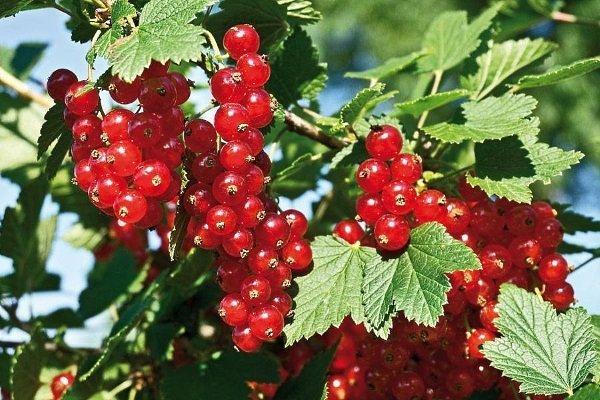
The high-yielding and winter-hardy Cascade variety is distinguished by its early ripening. It is a medium-sized bush with a compact crown. It produces large, light-red berries weighing 1.4 grams.
Red Cross
The mid-season variety "Red Cross" is very demanding of soil and is often affected by anthracnose and terry. The bush is medium-sized with spreading branches. It produces small, juicy fruits weighing up to 0.5 grams. In favorable years, a single bush can yield up to 4 kg of these delicious, all-purpose berries.
Detvan
The early, tall Detvan variety, with a compact crown, is resistant to fungal diseases and tolerates low temperatures. Gardeners can enjoy delicious fruits with a sweet and sour taste as early as early July. Ripe berries weigh 0.8 grams. This bush stands out among other red currant varieties for its high yield. A single plant yields up to 10 kg annually.
For the Moscow region
Red currants in the Moscow region begin to bloom only in May, and by June, gardeners can enjoy the delicious aroma of their early berries. They only get to taste the late varieties in August.
Let's look at the most productive and common varieties of red currants for this region.
Take a look Also
Generous
A small seedling of the universal currant "Shchedraya" grows into a mature bush, growing to medium size. It produces berries with a moderate sourness. A single bush can produce up to 7 kg of berries, each weighing 0.5 grams. The plant is sensitive to recurrent frosts, which severely damage the flower buds.
Night
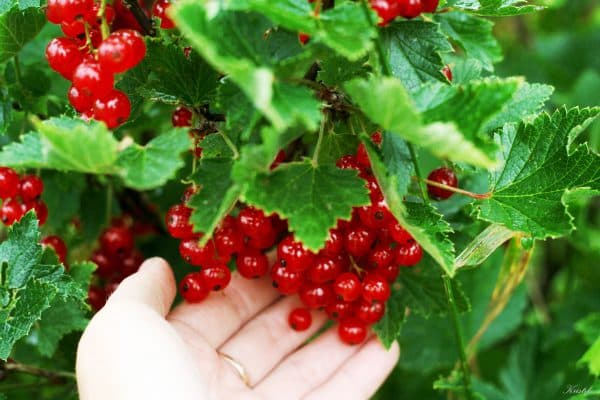
The high-yielding, late-ripening Nochka variety stands out among other red currant varieties with its rich, dark cherry-colored berries. Nochka is a high-yielding variety: up to 11.8 kg of small fruits can be harvested from a single bush. Each fruit weighs only 0.4 grams.
The plant is resistant to a number of fungal diseases, but is heavily attacked by budworm and red gall aphids. It tolerates low temperatures well.
Roland
The versatile red currant, Roland, is a medium-sized bush with large branches. It blooms for two weeks in mid-May. By mid-July, large fruits, collected in clusters, ripen on the branches. Each berry weighs 1.5 grams. The plant is noted for its good winter hardiness and stable yields.
Rosetta
At the end of July, the Rosette redcurrant tree produces delicious, tart-tasting berries. Each berry averages 1.2 grams in weight. The harvest ripens in late July.
Rosetta stands out among other shrubs for its rapid growth. It prefers bright clearings, not shaded by tall trees. It does not tolerate overwatering.
For the Altai Territory
Red currant varieties resistant to prolonged drought and low temperatures are selected for growing red currants in the Altai Krai. Planting bushes unsuitable for this climate can result in foliage scorching during hot summers and premature leaf fall. This disrupts photosynthesis and leads to plant death. A meticulous approach to selecting red currant varieties and following proper growing practices will help achieve large harvests even in these climates.
Serpentine
Serpentine, a high-yielding, mid-early variety with a gently spreading crown, grows to a medium size. It produces large flowers with distinctive burgundy veins and bears red berries weighing up to 0.8 grams.
The bush is fairly drought-resistant and tolerates high temperatures well. It has moderate resistance to common diseases.
Jennifer
A mid-season variety with the intriguing name "Jennifer" is well-known among gardeners in the Altai region. It produces red berries with a sweet and sour taste. A mature bush can yield up to 4 kilograms.
Valencia
The Valencia variety, a tall bush with thick, straight branches, produces large, round, red berries weighing approximately 1.5 grams. Under favorable conditions, a single bush can yield up to 3.1 kg of berries. The bush is susceptible to anthracnose and septoria.
Fertodi
Fertodi, a high-yielding, winter-hardy red currant, ripens late. It produces berries weighing approximately 0.6 grams. Once ripe, the berries remain firmly attached to the branches for a long time and do not fall off.
For southern regions
To grow large red currant yields in southern regions, it's best to choose drought-resistant plants that can easily withstand droughts and prolonged periods of high temperatures. Breeders recommend planting the following varieties in this region:
- Natalie;
- Beloved;
- Detvan;
- Rosita.
Most often, these are low-growing bushes with small berries and a small harvest.
For the northwest of Russia
Low temperatures persisting for long periods require the planting of red currant varieties that are tolerant to these temperatures. In these regions, early varieties are most often preferred. The following varieties thrive quite well in northwestern latitudes:
- Bagheera;
- Lazy;
- Titania.
These red currant bushes survive low temperatures with virtually no damage and manage to bear fruit even in short daylight hours.
For Siberia and the Urals
The unstable climate of Siberia and the Urals forces gardeners to choose red currant seedlings, resistant not only to low winter temperatures but also to recurrent frosts. The strong winds typical of these regions also leave their mark. Here, berries must be grown firmly on the clusters.
The following varieties can be successfully grown in the Urals:
- Ural chant;
- Fortune;
- Venus.
In Siberia it is better to plant:
- Brown Far East;
- Slavyanka;
- Milu.
Planting several varieties of red currants with different flowering and fruit ripening periods allows you to obtain harvests in unfavorable years with poor weather conditions on at least one of the bushes.
Seedless currant varieties
Seedless berries are especially appealing to red currant lovers. Among them are:
- Rose;
- Valentine.
These are typically low-growing bushes that produce medium yields of small, low-acid berries.
Sweet currant
Common varieties of red currants with tasty, sweet fruits include:
- Selechenskaya 2;
- Black boomer;
- Mystery.
These berries typically score between 4.5 and 5 points on a tasting scale. They are considered the sweetest of all red currant varieties.
Resistant to diseases and pests
Red currant yields are often affected by diseases that mercilessly attack leaves and flowers. Growing highly resistant plants in your garden can help prevent a number of common garden diseases and maintain high yields. Valovaya, Selechenskaya 2, and other varieties are resistant to most common diseases.
The use of resistant varieties is especially important for novice gardeners with little experience in accurately diagnosing diseases and the sequence of their treatment.
Long-leaved
Long-bunch red currants grow up to one meter in height. Berries ripen on their branches, gathered in long, weighty clusters. By midsummer, the clusters grow up to 15 cm in length. The following varieties are distinguished:
- The Eagle's Gift;
- Valentinovka;
- Dream.
Long brushes are convenient for harvesting and speed up the process.
Self-fertile
Most currant varieties are self-fertile and do not require pollinators to produce fruit. The following varieties are common in private gardens:
- Firstborn;
- Red Cross;
- Beloved.
Self-fertility significantly simplifies the cultivation of red currants and allows for larger harvest volumes.
New and better varieties of red currants
Through the hard work of breeders around the world, new varieties are being developed, and the varietal collection is constantly expanding. Cross-pollination, artificial fertilization of flowers by grafting, and other methods result in new plants with improved characteristics.
Dutch
The tall Dutch currant bushes stand out from their peers due to the large, hard seeds in their berries. Each berry weighs one gram. Under favorable ripening conditions, a single bush can yield up to 4.6 kg.
Radiant
In favorable years, the high-yielding Luchezarnaya variety yields up to 9 kg of delicious fruit. A mature plant has a moderately spreading crown. The sweet-tart berries, weighing approximately 1.3 grams, ripen on long clusters. Each cluster produces up to 15 berries. The plant is resistant to anthracnose and powdery mildew.
Rondom
The late-ripening, sun-loving Rondom variety grows up to 1.5 meters tall and boasts thick, strong shoots. It blooms in late April with light green flowers tinged with pink. It produces delicious berries with juicy flesh. The average fruit weight is 0.7 grams. Once ripe, the berries do not fall off and remain on the branches for a long time. Fresh berries store well for up to three weeks.
Tatiana
The late-ripening red currant 'Tatiana' grows into a vigorous bush with thick shoots and large leaves. It produces round, red berries with thick skin. The delicious berries have a delicate aroma and a slight tartness. Each berry averages 0.5 grams.
Asora
The late-ripening red currant, Asora, grows to a medium height and produces delicious, all-purpose berries. Large, dark green leaves with a matte surface grow on upright shoots. The plant produces pale, inconspicuous flowers. Large berries ripen on the branches, collected in medium-length clusters. Each berry weighs about one gram. This variety tolerates low temperatures well and is rarely affected by powdery mildew.
Alpha
The medium-sized red currant Alpha produces good yields every year. The berries are light red and sweet, often weighing up to 1.5 grams. The plant is frost-resistant and resistant to powdery mildew.
Vetch
The early-ripening, winter-hardy currant, Vika, is a low-growing bush with dense foliage. Dark green leaves are clustered on medium-sized shoots with a characteristic greenish-pink hue. Large red fruits, weighing up to 0.5 grams, ripen on the bush.
Annual breeding achievements make it possible to grow red currants in all regions and obtain large harvests with the required fruit taste.
Related posts:
 Description and characteristics of the 25 best blackcurrant varieties for Siberia
 Red currant health benefits, properties, and contraindications
 The best and new varieties of black currant for growing in the Urals, planting and care
 Description of the red currant variety Sakharnaya, features of planting and care
 Description of the 50 best blackcurrant varieties for different regions
 The health benefits and contraindications of black currants
 The health benefits and contraindications of white currants
 20 Best Blackcurrant Winter Preserves Recipes
Selechenskaya 2 is a variety of black currant.