
- Chemical composition and caloric content of berries
- What do they use?
- Berries
- Leaves and twigs
- Useful properties of fruits
- For men and women
- For children
- Specifics of use during pregnancy and breastfeeding
- Therapeutic effect on the body
- Rules for eating currants
- Daily intake
- In what form is it recommended to add it to the diet?
- Juice and fruit drink
- Fresh berries
- Dried and frozen fruits
- For what illnesses should you avoid white currants?
- Healing recipes from traditional medicine
- Jelly
- White currant and grapefruit jam
- White currant and turnip salad
Translated from the Old Slavic word "smorod" (currant), it means "strong smell." This plant, unique in its health benefits, truly attracts attention not only with its vibrant flavor but also with its aroma. This characteristic allows people to use not only the fruits but also the leaves and twigs of the plant for medicinal and culinary purposes. White currants are less popular than black or red currants. But this doesn't mean they are any less beneficial. What effects does white currants have on the body, what are their beneficial properties, and what are their contraindications? Is there a daily intake limit, and why is this berry so prized by women?
Chemical composition and caloric content of berries
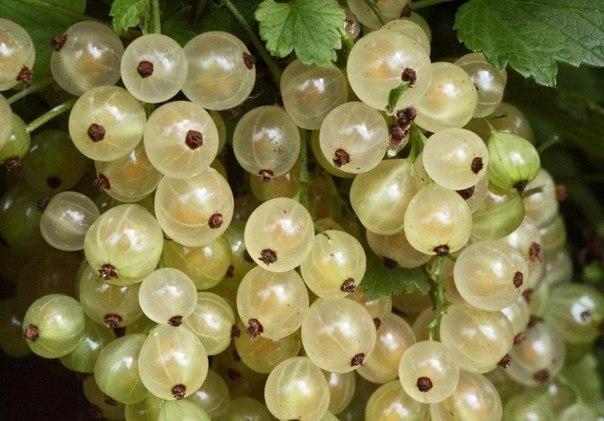
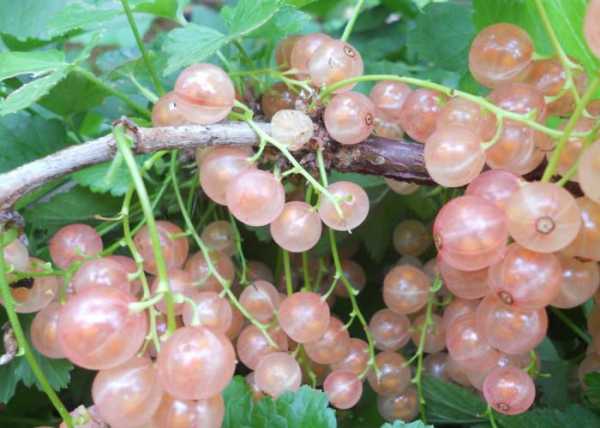
White currants were artificially bred through selective breeding. The berries contain nutrients, micro- and macroelements:
- vitamins A, B, C, E;
- monosaccharides (mostly glucose and fructose) - 3-6%;
- dietary fiber - 4%;
- pectin - 1%;
- water - 75-85%;
- organic acids, fiber - up to 2%;
- saturated fatty acids - 0.1%;
- iron, calcium, sodium, magnesium, phosphorus, potassium.
The percentage of each element may vary depending on the ripeness of the berry. Fruits at the ripening stage have the most optimal balance of nutrients. 100 grams of berries have the following nutritional value:
- proteins - 0.5 g;
- fats - 0.2 g;
- carbohydrates - 8 g;
- Caloric content - 42 kcal.
What do they use?
The healing properties of white currant are hidden not only in the fruits of the plant, but also in the leaves and shoots.
Berries
Fresh white currants are not only delicious but also healthy. Eating the berries significantly strengthens the immune system. The fruits are widely used in folk medicine—a white currant decoction is used to combat high fever, rheumatism, coughs, atherosclerosis, anemia, and vitamin deficiencies. A decoction made from the fruits is invaluable for restoring the body after illness.
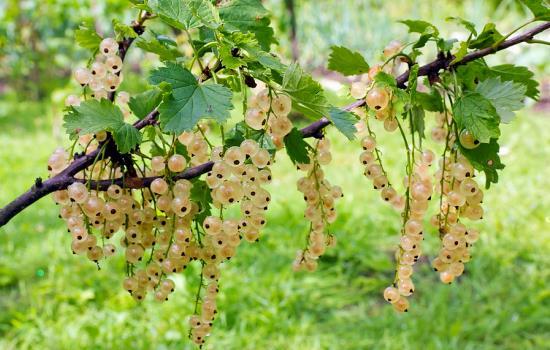
A decoction can be made from dried berries. Fresh berries are used to make juices and fruit drinks, which stimulate the appetite, promote gastrointestinal health, and lower blood cholesterol. The plant is a boon for allergy sufferers: the berries are virtually allergen-free.
Leaves and twigs
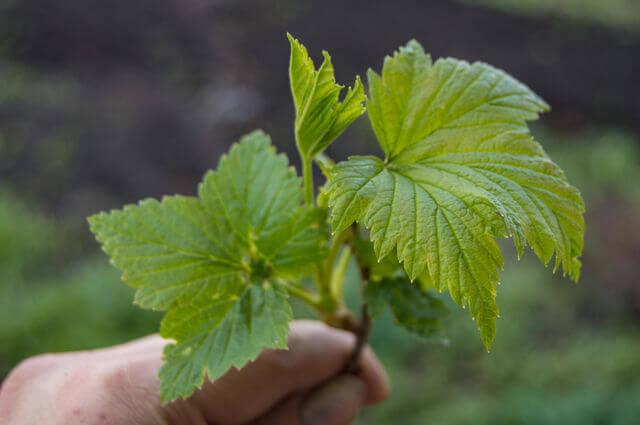
The plant's leaves have a bright, memorable aroma and are used to flavor drinks and provide additional vitamins. They also have antibacterial properties, help reduce fermentation, and can strengthen tooth enamel. For this reason, they are often used in marinades and preserves.
The richness of the leaves in vitamin C contributes to their great popularity in folk cosmetology recipes.
Currant leaves are widely used in masks and lotions. A decoction made from them helps remove harmful toxins and radioactive elements from the body and normalizes oxalic and uric acid levels. A decoction made from the plant's branches has a positive effect on overall health. The leaves can be added to salads or other dishes.
Useful properties of fruits
White currants are a dietary berry with preventative and therapeutic properties. The fruits contain three key components: vitamin C, pectin, and beta-active substances. While the benefits of vitamin C are well known, few are aware of the benefits of beta-active substances. However, they are classified as antitoxic substances and promote mental and physical activity. Eating currants is beneficial for everyone: children, adults, men, and women.
For men and women
The berry is very popular among women due to its low calorie content. Currants are considered the berry of youth due to their properties that help flush out harmful substances from the body.
Its widespread use in women's cosmetology is due to the enormous benefits of currants for maintaining youthfulness and elasticity of facial skin, and reducing the intensity of age-related pigmentation.
The plant's seeds are added to peels and scrubs, and are used to make anti-aging cosmetics. Even men will appreciate the plant's benefits: white currant improves the functioning of the genitourinary system, improves blood flow, and promotes high levels of sexual performance.
For children
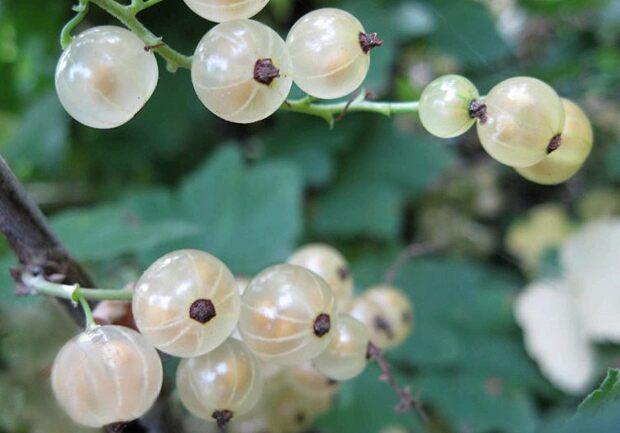
Brightly colored fruits can be offered to babies starting at 8-10 months, fresh or cooked. White berries do not contain coloring agents that could negatively impact a child's body. Eating fruits will provide children with vitamins and strengthen the immune system. If a child is prone to allergies, any new food may trigger an allergic reaction. It's best to introduce berries into your baby's diet gradually, after consulting with a pediatrician.
Specifics of use during pregnancy and breastfeeding
The diet of expectant or nursing mothers should certainly be varied, including berries and fruits, which have a beneficial effect on the immune system. There is no prohibition against eating white currants during pregnancy or lactation, provided there is no individual intolerance to the berry.
However, it's best to limit yourself to small amounts of the fruit. White currants have been proven to be hypoallergenic and are considered an easily digestible food.
However, it's not worth risking your child's health, as it's unknown how the little body will react to excess vitamin C. Portions can be increased gradually.
Therapeutic effect on the body
The undeniable health benefits of white currants are due, in part, to pectin. This element has a beneficial effect on the circulatory system, removes salts and toxins, and helps lower cholesterol.
These properties of the berry are valuable for people suffering from diabetes, heart muscle problems, and excess weight.
The high vitamin C content has a beneficial effect on the endocrine and nervous systems. The organic acids also provide benefits: potassium stabilizes water and salt balance, and calcium improves bone and tooth structure. Eating the fruit is also beneficial for:
- cleansing of blood vessels;
- bile excretion;
- normalization of digestion;
- strengthening the walls of the liver;
- increasing the strength of the immune system;
- restoration of vision;
- normalization of the functioning of the reproductive organs;
- treatment of anemia.
Rules for eating currants
Currants purchased in a store, at a market, or grown in your own garden must meet mandatory requirements: no dangerous chemical fertilizers were used to accelerate growth.

It's important to remember that every plant has a ripening season. Buying currants before the first harvest is due is dangerous.
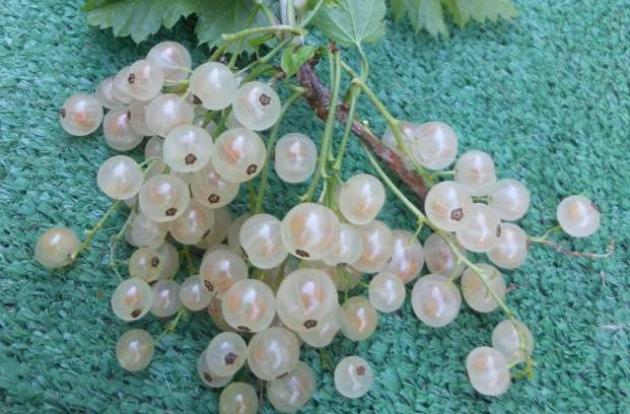
Berries should be fresh, firm, and free of unpleasant odor. After purchasing or picking, be sure to rinse them under running water and remove any debris or leaves. Soft, crushed berries should be discarded. Fresh berries can be stored in the refrigerator for up to a week.
Daily intake
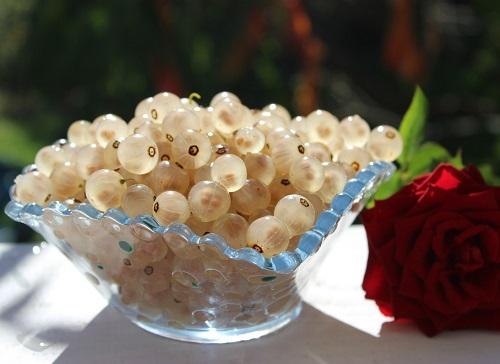
The main rule for eating currants, dictated by their high vitamin concentration, is moderation. As mentioned earlier, the berry is hypoallergenic. However, a single serving that is comfortable for the body is no more than 30-40 berries. You can eat up to 1 kg of the fruit per day.
In what form is it recommended to add it to the diet?
White currants are eaten fresh, and the berries are used to make jellies, jams, marmalades, compotes, and fruit drinks. Decoctions made from the dried fruits are beneficial for people with hypertension. They can be combined with other currant varieties or fruits.
Juice and fruit drink
You can appreciate the benefits of white currant juice or fruit drink both in summer and in cold weather. During the hot season, these drinks can be used as cooling, energizing, and refreshing. In winter, drinking these drinks will boost your immune system and help fight colds. To prepare fruit drink, you'll need:
- chop 300 g of fruit, drain the remaining juice into a separate container;
- mix until smooth;
- make syrup: add 5 tablespoons of sugar to 1 liter of water and bring to a boil;
- add chopped berries to the syrup, cook for 5-7 minutes;
- remove from heat, strain through a sieve.
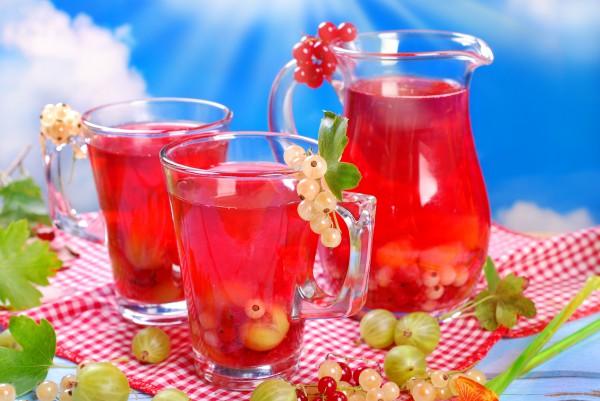
Once the drink has cooled completely, add the reserved juice and stir. Best served fresh. When storing in the refrigerator, use an airtight lid.
Fresh berries
Fresh berries are widely used in cooking: for baking, jams, and sauces (even for meat dishes). This type of currant is typically not used for making jam on its own—the berries are too tart, requiring a lot of sugar. To preserve the freshness of the berries longer, they must be carefully prepared for storage: rinsed and dried.
Dried and frozen fruits
To prepare dried currants, wash them thoroughly, remove branches and debris, and spread them out on a flat surface at 45°C (such as an oven or attic). Dried berries have the same beneficial properties as fresh ones. The dried currants can be used to make compotes and fruit drinks.
For freezing, it is important to prepare the berries correctly: thoroughly dry them from water, and place them in 500 g portions in storage bags.
The freezer perfectly preserves all the properties of currants. Frozen fruits can be used in any dish.
For what illnesses should you avoid white currants?
Although white currants are used to treat various ailments, the berry's components (primarily vitamin C) pose health risks to those for whom they are contraindicated. Consuming the fruit increases stomach acidity, which is contraindicated for those with gastritis or ulcers. People suffering from hemophilia and hepatitis A should control their consumption of currants. It is recommended to consume currants after meals.
Healing recipes from traditional medicine
Traditional medicine recipes are replete with various variations of using white currants:
- This tea is recommended for kidney stones, for regulating oxalic acid levels, and as a general tonic. To prepare, crush the leaves, thin twigs, and buds of the plant and pour boiling water over them. Let the mixture steep for several hours, wrapped warmly beforehand. Honey can be added to taste. Drink 125-150 ml daily.
- Infusion – used to treat gum and dental diseases. To prepare, pour 250 ml of boiling water over 1 tablespoon of pre-crushed shoots and leaves and steep in a water bath for 10 minutes. Cool and strain. Use as a mouth rinse after brushing your teeth.
- Anti-acne compress: Pour 2 tablespoons of currant leaves into a glass of boiling water and leave for 20 minutes. Soak gauze pads in the solution and apply to the face for 20-30 minutes.
Jelly
You can make jelly from white currants. This will help the berries retain their pectin content. To prepare, you'll need:
- ripe fruits - 1 kg;
- water - 1 tbsp.;
- sugar - 300 g.
To make the jelly, puree the currants until smooth, mix with water, and bring to the boil. Once boiling, add sugar. Cook for 25 minutes.
White currant and grapefruit jam
Currant jam can be quickly and easily made for the winter, boasting a sweet and sour taste with a hint of bitterness and a subtle aroma. To make it, you'll need:
- Wash and clean 500 g of currants.
- Peel the grapefruit and divide into slices.
- Mix the ingredients with sugar (to taste, from 300 to 500 g).
- Place on heat and boil for 45 minutes until the mixture thickens.

The jam is placed into jars and preserved.
White currant and turnip salad
This unusual dessert is suitable for both adults and children, won't affect your figure, and will nourish your body with beneficial elements. To prepare, you will need:
- turnip - 200 g;
- honey - 20 g;
- mint - 2 leaves;
- sour cream - 40 g;
- lemon juice - 40 g;
- currants - 80 g;
- salt - 3 g.
The turnips are cut into strips and mixed with salt. In a bowl, combine the sour cream and lemon juice. The currants are sorted, removing debris and stems, and added to the turnips. The finished salad is dressed with sour cream and lemon juice and garnished with fresh mint.
Related posts:
 20 Best Blackcurrant Winter Preserves Recipes
 11 Best White Currant Recipes for Winter
 Characteristics and descriptions of the 40 best red currant varieties
 The health benefits and contraindications of black currants
 TOP 10 recipes for red, black, and white currant sauce and ketchup for the winter, and how to store your preparations
 Description and rules for growing black currant variety Veloy
 16 Best Recipes for Making White Currant Jam for the Winter
 Red currant health benefits, properties, and contraindications