
- Botanical features of the crop and its growing area
- Varieties and their benefits
- Wild black currant
- Red wild currant
- Landing rules
- Selecting a seedling
- Preparing the site and planting hole
- Bush placement schemes
- Timing and technology of planting
- What kind of care does Okhta require?
- Regularity of watering
- Top dressing
- Pruning and crown shaping
- Loosening and mulching the soil
- Insect and disease control
- Wintering
- Culinary uses
- Currant jam "Vitamin"
- Wild currant and apricot jam
- Wild currant jam
Growing wild currants in your garden is popular in the CIS and beyond, as the berries contain a wealth of beneficial nutrients. They are used to prepare various dishes and preserves for the winter.The plant is easy to care for, and even an inexperienced gardener can grow it. It's important to familiarize yourself with all the growing requirements beforehand.
Botanical features of the crop and its growing area
Spruce berry was developed by breeders from the United States and brought to Europe in the 17th century. It grows widely in Russia, the Czech Republic, England, Asia, and Ukraine. Previously, in Russia, it was used as a hedge and to prevent fertile soil from eroding. Therefore, the berry is often called a wild berry; it can be found growing on its own in shelterbelts, fields, and wild forests.
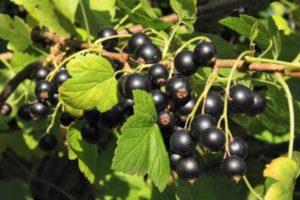
Another name for this plant is "repis." Currants grow quickly, easily covering large plots. They are large shrubs, ranging from 1 to 3 meters in height. A distinctive feature of the plant is its resistance to weather conditions, various diseases, and pests. The leaves are small and trilobate, reminiscent of gooseberries.
In autumn, their hue changes from green to scarlet or yellow. The flowers are deep yellow, large, and fragrant. This attracts pollinators. Flowering occurs in May. The berries ripen by mid-June, and the harvest continues until early August. The fruits are medium-sized, yellowish or black, with a thick skin. The taste is slightly tart, and the flesh is sweet, similar to gooseberries.
Varieties and their benefits
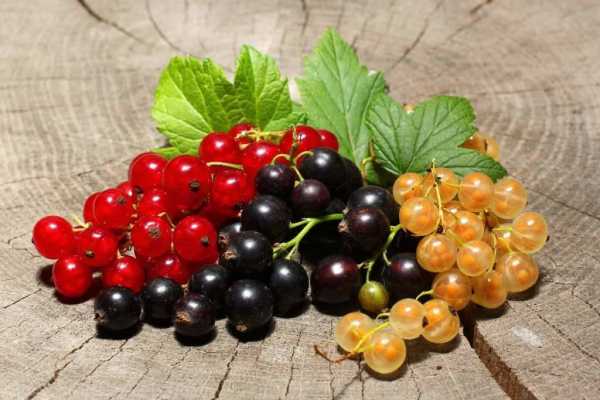
There are several varieties of wild currants, including black and red. They differ in flavor, berry color, and nutritional content.
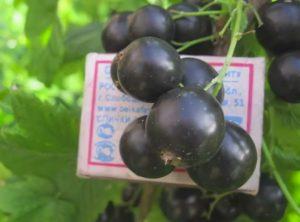
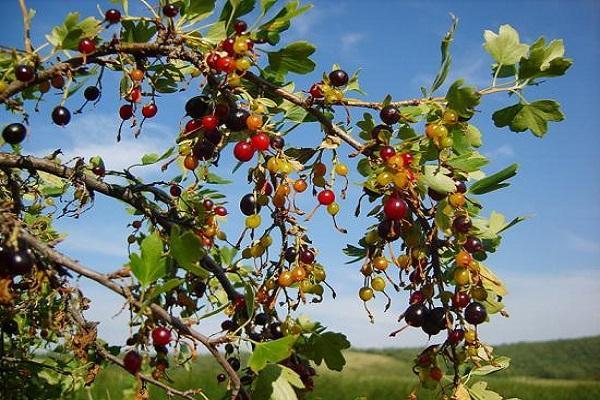
Wild black currant
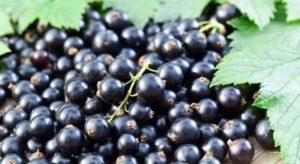
Black currants grow in the European part of Russia, Siberia, the Urals, and Kazakhstan. They are abundant in ravines and along river and lake banks. The berries are widely used for winter preserves and are also eaten fresh. They have diuretic, immunomodulatory, and antipyretic properties.
Blackcurrants are recommended for people with stomach problems, heart problems, and circulatory problems. They are also recommended for those with low immunity, colds, and infections. The fruits have a medium sweetness.
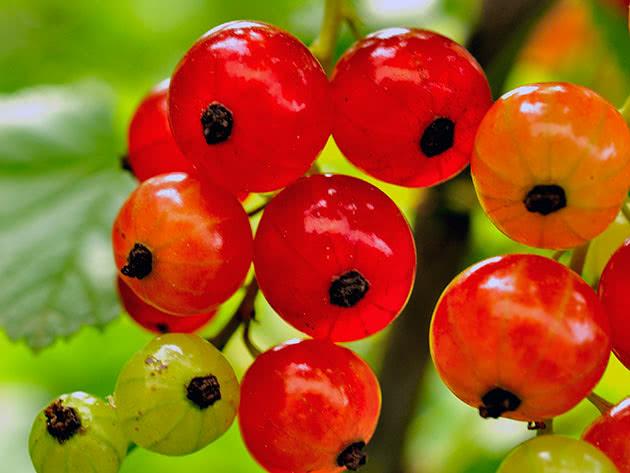
Red wild currant
Red currants (Russica spp.) have a tart flavor. They grow on riverbanks and in forests in central Russia, Siberia, and the Far East. The berries contain a lot of pectin, making them excellent jelly. Red currants quickly quench thirst and improve appetite. The fruits are rich in vitamins A and C. Both the berries and the leaves are used for preserves.
Landing rules
It's important to choose the right location and wait for the optimal timing for successful planting of wild currant seedlings. The seedlings are prepared in advance, and when planting, the prescribed procedure is strictly followed.
Selecting a seedling
The planting material must be intact, free from disease or beetle attacks, and have a well-developed rhizome. The root must be at least 20 cm long, with 2-3 strong shoots.
Preparing the site and planting hole
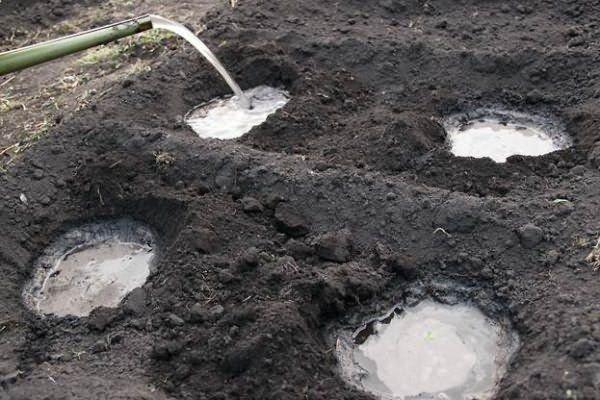
Wild currants should be planted in black soil or loam. They prefer sunny locations away from northerly winds. Planting should be done on a cloudy day. The soil should be tilled to the depth of a bayonet and treated with boiling water. This will help eliminate pest larvae. Add peat, manure, and compost to the soil, and water with a saltpeter solution.
Bush placement schemes
Currants thrive in open spaces and should be separated from fruit trees by at least 2.5 meters. When planting in rows, leave 2 to 3 meters between rows. Within a row, there should be at least 0.5 meters between plants. When planting along a fence, leave 1.5 meters from it.
Timing and technology of planting
It's recommended to plant currants in the fall, in late September or mid-October. The seedlings should have at least three weeks before the onset of frost to allow them to take root. During this period, the plant will restore its rhizome and be ready for winter.
What kind of care does Okhta require?
Wild currants are easy to grow; they require timely watering, loosening, fertilizing, and treatment against bugs and diseases. With proper care, the bushes will reward you with a bountiful, delicious harvest.
Regularity of watering
The bushes are watered once a week, with 10 liters per plant. The frequency of watering is adjusted depending on weather conditions. It is recommended to use settled water.
Top dressing
Wild currants are fertilized twice a year. The first feeding is done at the end of March, using chicken manure and mineral fertilizers. The second feeding is done in September, using humus and ash.
Pruning and crown shaping
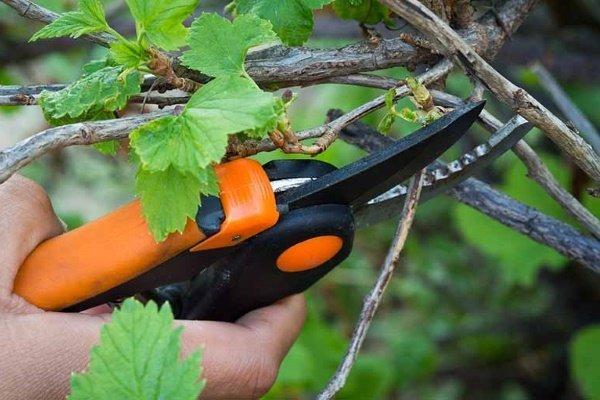
Spruce rhizomes don't require pruning unless the plants are diseased. In such cases, all affected shoots and leaves should be collected and burned outside the garden.
Loosening and mulching the soil
The soil under the bushes is loosened, and weeds and decayed leaves are removed. The currants are mulched with sawdust, spruce branches, and straw.
Insect and disease control
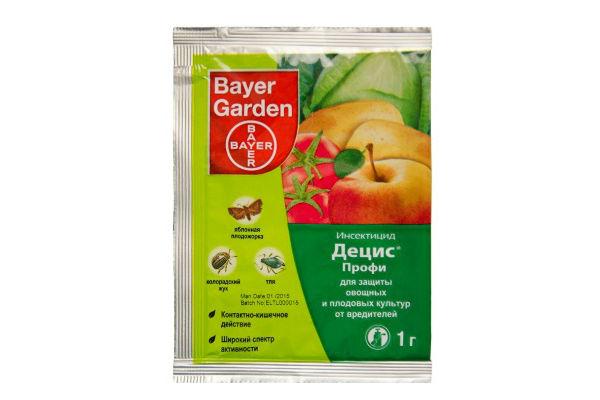
Preventative measures against currant diseases and beetle attacks include removing diseased branches and plowing the soil beneath the bush. When buds begin to open, apply a solution of Decis, Calypso, Confidor, or a 25% Anometrin emulsion.
Before and after flowering, spray the bushes with colloidal sulfur, which protects the plants from currant mites and powdery mildew. A month after flowering, treat the plants for borers and glassworms with Malathion or Chlorophos. Folk remedies include onion peel solutions, dandelion and garlic infusions, wormwood decoctions, and soap solutions. If the bushes are attacked by mites, they are dug up and burned. In severe cases, the entire plantation may need to be destroyed.
Wintering
Wild currants easily tolerate frost and require no winter protection. They easily withstand the cold in Siberia, the Urals, and the Far East.
If one bush freezes, a new one will grow.
Culinary uses
Wild currants are used to make jams, compotes, and baked goods. The fruits are also good for making fruit drinks and jellies.
Currant jam "Vitamin"
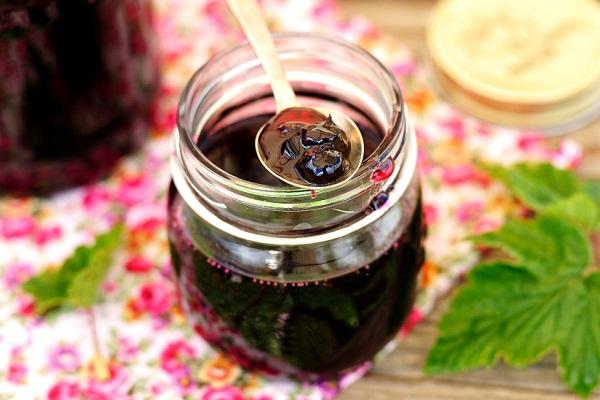
To preserve the vitamins in currants, many housewives make jam without heat treatment. For 3 kg of fruit, 2 kg of sugar is required. The berries are minced and combined with granulated sugar. The mixture is poured into containers and stored in the refrigerator or frozen.
Wild currant and apricot jam
To make wild currant and apricot jam, take 3 kg of berries, 2 kg of ripe apricots, and 4 kg of sugar. The wild currants are sorted, stemmed, and washed. The cleaned berries are minced and mixed with granulated sugar.
Wash the apricots, remove the pits, and cut into cubes. Boil the berry-fruit mixture with sugar for 3 hours, stirring occasionally, until thickened. Scrape off any mixture that sticks to the sides of the pan. Pour the cooked and cooled jam into sterilized containers and seal with lids. Store in a cellar at 2-3 degrees Celsius, or in the refrigerator.
Wild currant jam
To make wild currant jam using the classic method, take 3 kg of sugar, 3 kg of berries, and a glass of water. Sort the berries, remove the leaves and stems, rinse, and dry. Grind the currants, place them on the stove, and cover with water. Sprinkle granulated sugar on top. Cook the jam until thickened, stirring occasionally. Pour the finished product into containers and tighten the lids.
Related posts:
 20 Best Blackcurrant Winter Preserves Recipes
 18 simple recipes for making blackcurrant jam for the winter
 15 Best Redcurrant Jam and Jelly Recipes for the Winter
 15 simple recipes for making blueberry jam at home with apple and lemon in a slow cooker
 12 Best Recipes for Making Red Currant Jam in Five Minutes for the Winter
 Simple step-by-step recipes for making lingonberry jam for the winter
 Five-Minute Raspberry, Red Currant, and Black Currant Jam Recipes for the Winter
 16 Best Recipes for Making White Currant Jam for the Winter