
- The history of the Perun blackcurrant breeding
- Cultivation areas
- Main pros and cons
- Botanical information and characteristics of the variety
- Bush and root system
- Sheets
- Flowering and pollination
- Fruit ripening time
- Taste and yield
- Scope of application of berries
- Resistance to subzero temperatures and drought
- Immunity to diseases and pests
- Planting currants Perun
- Deadlines
- Selecting and preparing a site
- Seedling preparation and work procedure
- Further care of currants
- Watering mode
- Loosening and mulching the soil
- Fertilization
- Pruning: formative, sanitary, rejuvenating
- Pouring and hardening of bushes
- Preventive seasonal treatments
- How to cover plantings for the winter
- Methods of reproduction
- Tips and advice from experienced gardeners
- Reviews of the variety
For over 20 years, Perun blackcurrant has been grown in gardens. Over the years, many new hybrids have emerged, but gardeners prefer this old favorite for its excellent flavor and easy care. By following simple farming practices, it's easy to grow a fruiting bush and reap an excellent harvest of large berries. The fruits can be used for various winter preserves.
The history of the Perun blackcurrant breeding
The variety was developed by Russian breeders at the Lupine Research Institute in the 1990s. The project was led by A. I. Astakhov. The 2-4-56 line and the Bredtorp variety were used to create the hybrid. 1995 was a landmark year for the Perun blackcurrant. The variety was entered into the State Register of Breeding Achievements and approved for use.
Cultivation areas
Black currant Perun is recommended for cultivation in the Central Black Earth and Central regions of the Russian Federation, in areas where black soils are concentrated.
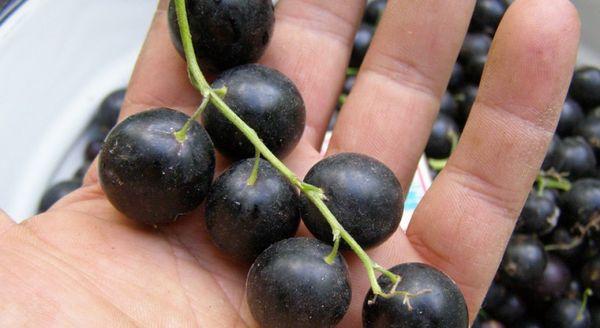
Main pros and cons
Currants are distinguished by their positive characteristics:
- winter hardiness;
- frost resistance in the flowering phase;
- unique taste and persistent odor;
- high productivity;
- simple propagation;
- pest resistance;
- relative immunity to diseases;
- ability to self-pollinate;
- tolerance to lack of humidity;
- good transportability and long shelf life.
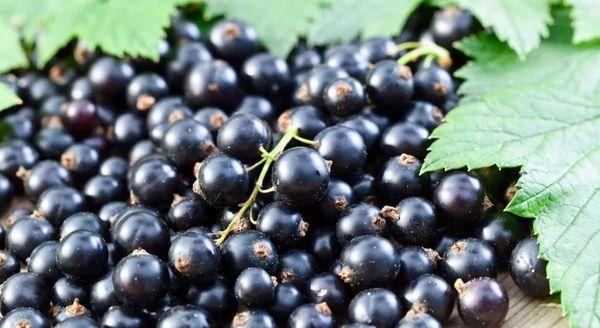
Cons: In a dry year, the berries are small, although sweeter and richer than normal fruits. Regardless of the weather, the size of currants on the same bush varies.
Botanical information and characteristics of the variety
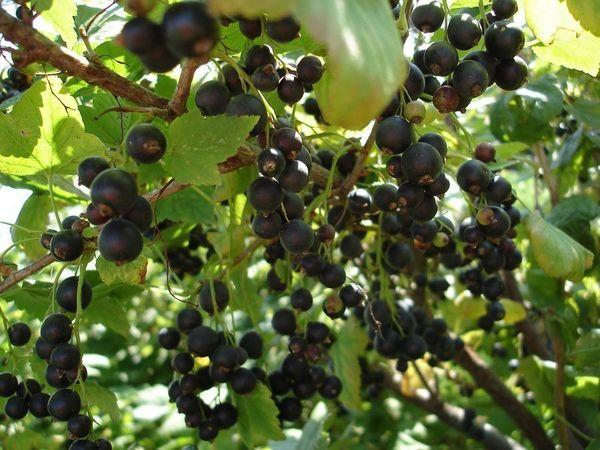
Perun is a mid-season variety, bearing fruit from late July to mid-August.
Bush and root system
The plants are short, dense, and spreading. The branches are light green, slightly drooping and curved. The buds are lightly colored and slightly fuzzed. The roots of this variety are located at a depth of 20-30 cm.
Sheets
The trilobed leaves have blunt teeth and a wrinkled texture. They are medium in size and dark green in color, with a rich hue. At the top of the bush, the leaves acquire an anthocyanin hue.
Flowering and pollination
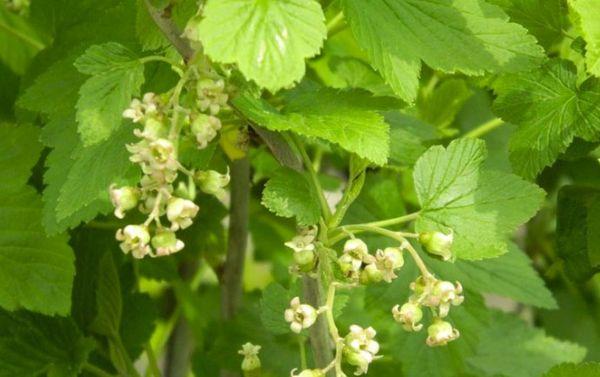
Perun blooms in May and June. The flowers are reddish-purple, large, and prominent. There are 6–11 flowers per cluster.
This variety has bisexual inflorescences. Since the plants are self-fertile, no additional pollinators are needed for pollination.
Fruit ripening time
The berries don't ripen all at once. Therefore, harvesting continues from late July to the end of August. Dry weather is the best time to pick the fruit.
Taste and yield
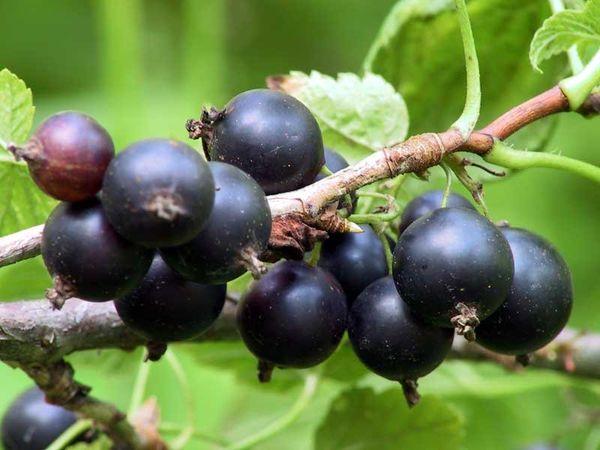
The Perun currant has sweet berries with a lingering aroma. It has a flavor rating of 4.9 on a five-point scale.
The average yield is 2 kg per bush. Sometimes, up to 7 kg of currants are harvested. The fruits do not warp or leak when picked, thanks to the dry removal from the bunch.
Scope of application of berries
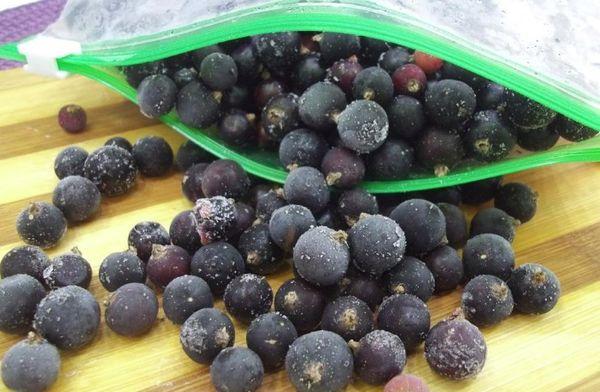
The juicy and sweet fruits are eaten raw. They are also dried, canned, and frozen. Currants are used to make delicious dishes and desserts. Due to their density, the berries are easy to transport.
Resistance to subzero temperatures and drought
The Perun currant is frost-hardy and thrives at -25°C. If temperatures drop below this level, the bushes require winter cover. Sudden changes in temperature do not affect the future harvest.
The plant is frost-resistant. Even mild cold spells prevent the flowers and inflorescences from falling off.
Immunity to diseases and pests
The Perun currant has developed a moderate immunity to many diseases. The most common ailments of the bushes are:
- rust;
- gray mold;
- spheroteka;
- anthracnose;
- striped mosaic.
The crop doesn't require special pest protection. Perun bushes are resistant to bud mites, aphids, anthracnose, and powdery mildew.
Planting currants Perun
The crop is undemanding, but without knowledge of agricultural technology it is impossible to obtain a high yield.
Deadlines
The best time to plant Perun seedlings is the second half of September. Sometimes planting is postponed until early spring. The hot May sun is harmful to young seedlings.
Selecting and preparing a site
The site is selected before planting the seedlings. The following factors are considered when selecting the site:
- Currants require a well-lit location. This determines the sugar content and volume of the future harvest.
- Perun currant bushes are planted along a fence or other barrier, which will protect the crop from the winds.
- The plant dislikes stagnant water. Therefore, choose a location that is not swampy or well-drained.
- The Perun variety needs slightly acidic soil, loamy or sandy loam.
Take a look Also
The ideal soil option is black soil.
Seedling preparation and work procedure
Seedlings are sold in pots or without them, which does not affect the development of the bushes.
Planting currants:
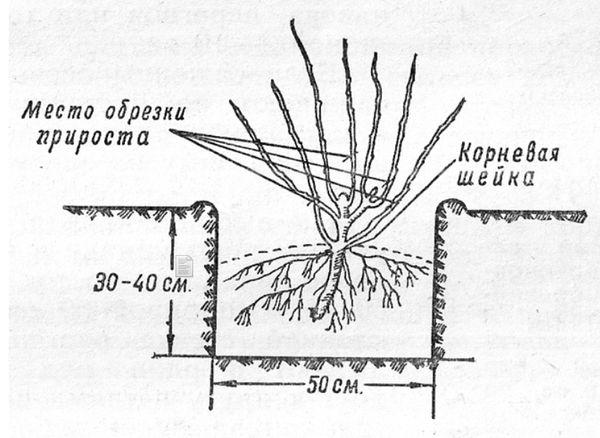
- The holes are prepared two weeks before planting the seedlings. Each hole is 45 cm deep and spaced 2 m apart.
- The holes are filled with garden soil mixed with organic fertilizers and the addition of 100 g of superphosphate.
- The seedling is placed in the center and covered with soil, deepening the roots by 6–10 cm.
- The shoots are cut at a height of up to two buds.
- The soil around the sprout is mulched with sawdust, peat, humus, and dry leaves.
After planting, agricultural measures are carried out until harvesting.
Further care of currants
The bushes need watering, loosening and weeding, fertilizing and other procedures.
Watering mode
Blackcurrants are watered 2-3 times a week. A bucket of water is added to each bush morning and evening. Currants require enhanced watering during the fruiting phase, July-August. During this period, buds for the future harvest are formed. Otherwise, the following year's berry harvest will not be as productive.
Loosening and mulching the soil
To ensure a constant flow of air and water to the roots, weeding and loosening are carried out regularly.
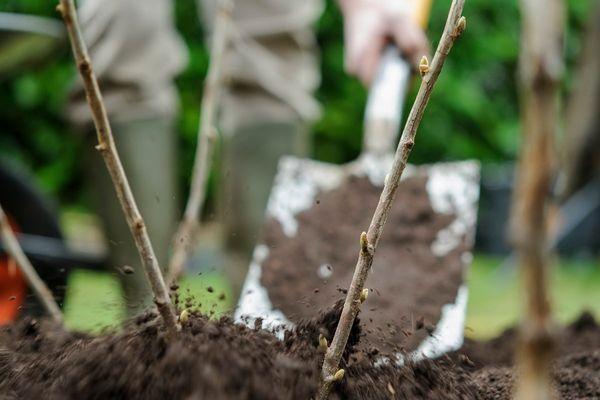
To protect the crop from early frosts and winters without snow, the tree trunk circle is mulched with horse manure.
Fertilization
Fertilizing currants with Perun is carried out in springThe complex consists of organic matter, double superphosphate, potassium sulfate or wood ash.
Pruning: formative, sanitary, rejuvenating
Pruning is an essential part of care. Depending on the purpose, there are sanitary, formative, and rejuvenating pruning. After pruning, the Perun currant bush will receive more light, and the bushes will be better ventilated. The remaining shoots will absorb more nutrients. Pruning time: before bud break (April, May), or late fall, after harvest.
Pouring and hardening of bushes
In early spring, pour boiling water over the crops. This procedure will rid the Perun bushes of pests and diseases, harden the plant, and increase yield.
Bush processing:
- Bring water to a boil.
- Pour into a watering can
- Water the branches of the bush evenly.
- Each bush takes 5 seconds.
The soil around the plant is also doused with boiling water. To prevent hot water from getting on the roots, the area around the trunk is covered with improvised means.
Preventive seasonal treatments
To prevent diseases, Perun currants are sprayed three times during the spring with Bordeaux mixture. A 3% solution is used during the bud swelling phase. A 1% solution is used before and after flowering.
How to cover plantings for the winter
The Perun currant is frost-resistant, but temperatures below -25°C are fatal. Branches are tied into bundles of 3-5 and bent as close to the ground as possible. Secure with bricks. Place a board or plywood on top and weigh down with a weight.
Instead of boards, the bundles are covered with 10 cm of soil, but a layer of synthetic padding is placed in front of the layer to allow air flow for the crop to breathe.
Methods of reproduction
The most successful methods:
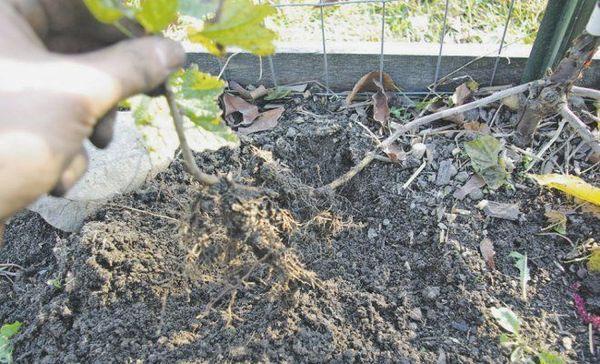
- layering;
- green or woody cuttings;
- dividing the bush.
Seed propagation is possible, but the results will take a long time to come.
Tips and advice from experienced gardeners
Here are a few suggestions to help you avoid making mistakes when growing the Perun variety:
- Timely pruning will prevent the spread of diseases and pests throughout the entire plot and will also provide nutrients to healthy parts of the plant.
- Don't overdo it with nitrogen-rich fertilizers. You might not get any berries. All the energy will go into growing the bush and expanding the foliage.
- Water according to the instructions, without increasing the volume of liquid. Otherwise, root rot and fungal diseases may occur.
Reviews of the variety
Ivan, 25 years old, Lipetsk:
"I planted currant bushes twice. The first time, I got powdery mildew. The second time, I harvested a fragrant crop of berries. We made several jars of jam. A real treat."
Daria, 40 years old, Belgorod:
"Minimal attention and care for the Perun variety yielded an excellent harvest of large blackcurrants. Not every variety produces berries weighing up to 4 grams with a sugar content of 8.2%, like the Perun variety. I will continue growing this plant."
The Perun blackcurrant variety is well-deservedly praised even by seasoned berry connoisseurs. But behind its excellent flavor lies the hard work of gardeners who cultivate the plant in their plots and adhere to proper agricultural practices.
Related posts:
 20 Best Blackcurrant Winter Preserves Recipes
 Description and rules for growing black currant variety Veloy
 Characteristics and descriptions of the 40 best red currant varieties
 The health benefits and contraindications of white currants
 TOP 10 recipes for red, black, and white currant sauce and ketchup for the winter, and how to store your preparations
 The health benefits and contraindications of black currants
 When is the best time to plant currants to get a good harvest?
 Description of green currant varieties, planting and care features