
- The emergence of the Titania variety
- Growing area
- Characteristic
- Botanical description of the bush
- Flowering and fruiting
- Taste qualities and scope of application of berries
- Resistance to low temperatures and drought
- Immunity to diseases
- Pros and cons of culture
- How to plant in a plot
- Selecting a location and preparing the site
- Schemes for placing seedlings
- Timing and technology of planting operations
- Caring for a currant bush
- Watering
- Top dressing
- Trimming
- Preparing for winter
- Protection from insects and diseases
- Gardeners' reviews
Breeders are constantly improving existing currant varieties and developing new ones. This crop remains popular with gardeners for its beneficial properties. The Titania currant variety has been on the market for half a century, proving its worth. Below is information on growing this variety, its advantages and disadvantages, and reviews from gardeners.
The emergence of the Titania variety
This variety was developed by Swedish breeders. Titania is the result of crossing the Altai dessert currant and the Kajaanin Musta-Tamas variety. It has been actively cultivated in Europe since the early 1970s.
Since 1990, Titania's survival rate has been tested in Russia for five years, and the plant has successfully passed the test.
Growing area
Since 1995, Titania has been widely grown in Russia. It thrives not only in the European part of the country but also in the Far East and Siberia. Tests have shown that the variety produces well even in unfavorable climatic conditions.
Characteristic
The variety produces abundant shoots already in the first year after planting. Fruiting begins the following season. Titania currant is a late-ripening variety.
Botanical description of the bush
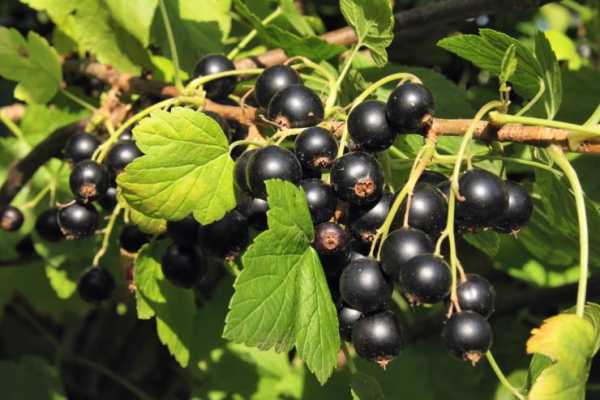
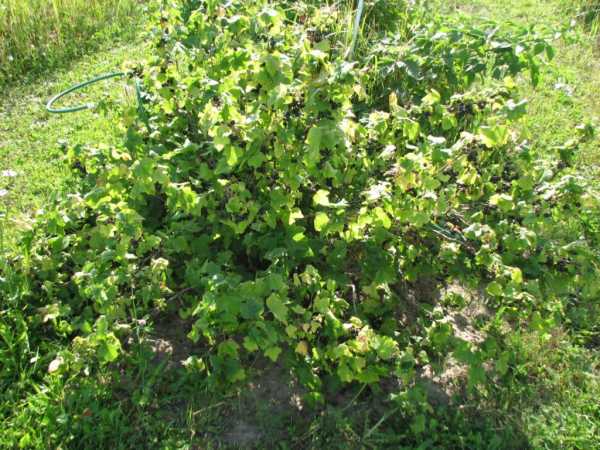
A mature plant reaches 1.5 meters in height. Its crown spreads out to the same extent. The upright shoots are densely foliated. Each year, Titania produces abundant new branches with green leaves. The flowers produce black berries, which are collected in clusters of 20-25.
Flowering and fruiting
The plant blooms in early May and begins to bear fruit in July. The harvest takes 20-25 days. The berries hold well on the stem and are easily removed without becoming soggy. They average 2.5 grams.
One Titania bush produces 2-5 kilograms of berries.
Taste qualities and scope of application of berries
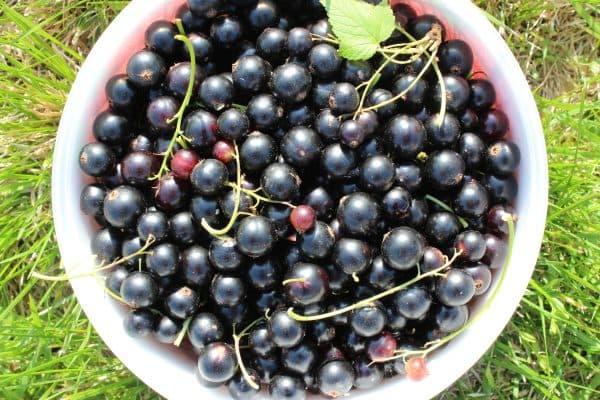
The flesh of the Titania currant is dense, not watery, the taste of the fruits is sweet and sour, with a pleasant wine aroma.
Experts gave the variety a 4.6 out of 5 rating. The berries can be dried, frozen, and used to make compotes, preserves, and jellies.
Resistance to low temperatures and drought
The variety adapts to various climatic conditions. According to the stated characteristics, the Titania currant can withstand winter temperatures down to -24°C. If the bushes are covered before winter, they can survive even lower temperatures. Gardeners have also noted that the bushes continue to bear fruit without watering.
Immunity to diseases
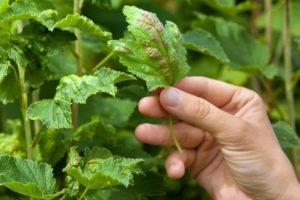
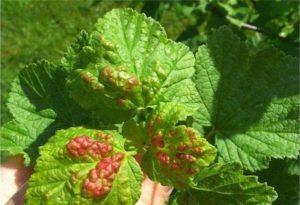
The variety has good immunity, but can be affected by anthracnose, powdery mildew, white spot, and brown spot. Titania can be attacked by glassworms, spider mites, and currant sawflies. However, by following currant care guidelines, gardeners can prevent many diseases and pests.
You can increase the immunity of currants by feeding them with potassium preparations.
Pros and cons of culture
The following qualities of the variety stand out among its advantages:
- large-fruited;
- good yield;
- duration of fruiting;
- winter hardiness;
- good transportability;
- resistance to diseases and pests;
- good taste.
The disadvantages of the crop include its demanding nature regarding the soil composition, as well as the need to thin out the bushes.
How to plant in a plot
An annual or biennial plant is planted in open ground. The seedling should be at least 50 centimeters tall and have a well-branched root system. A healthy plant will have firm roots, free of damage and blemishes. A seedling purchased with a closed root system will establish itself more quickly and efficiently.
Selecting a location and preparing the site
Currant bushes should be planted in a well-lit area, but shaded during hot midday hours. They thrive when planted along a fence or house wall, as they don't like strong winds. Groundwater levels in the area should be no closer than 1 meter to the ground surface.
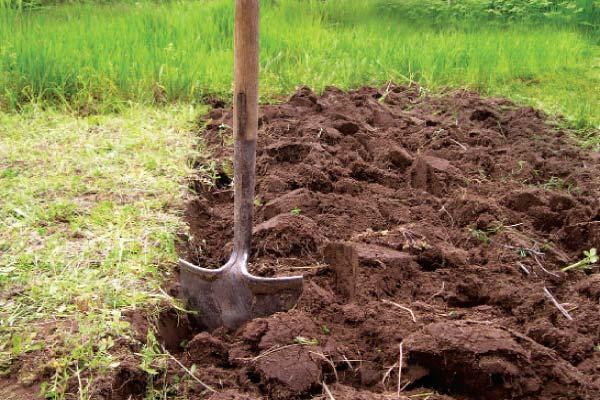
Choose light and fertile soil. A month before planting, fertilize depleted soil with a mixture of two buckets of rotted manure, a large glass of wood ash, and 150 grams of nitroammophoska. This mixture is calculated to fertilize one square meter of area. If the soil is too acidic, add lime before digging.
Schemes for placing seedlings
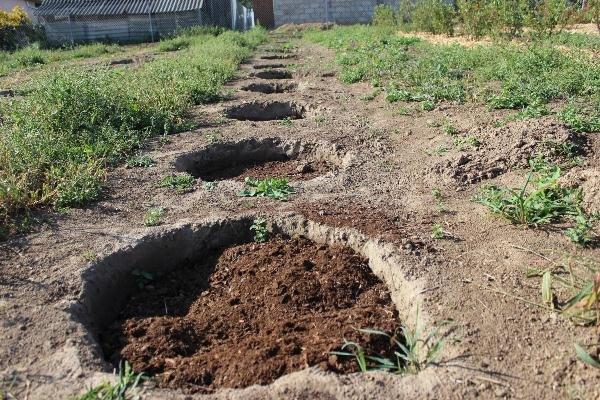
Currant bushes spread widely in diameter, growing larger and larger each year. For this reason, plants are planted at least 1.5-1.8 meters apart. The hole should be 40x40x40 centimeters.
Timing and technology of planting operations
Titania currants are planted in spring or fall. When planting in spring, the buds should not be open. Follow these steps:
- the hole is filled with fertile substrate;
- the seedling is positioned at an angle of 45°;
- the root system is straightened out and covered with soil;
- The bush is watered abundantly.
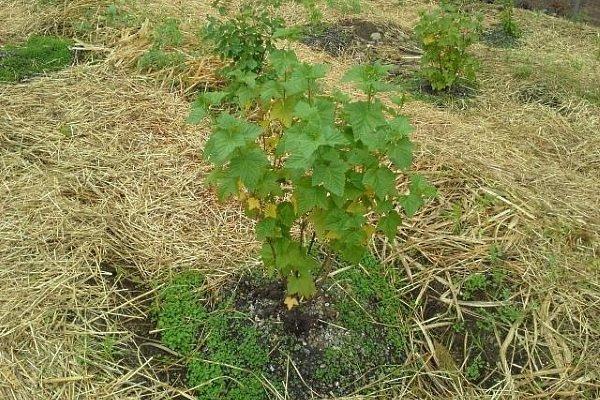
The currant root collar should be buried 6 centimeters deep. To conserve moisture, the soil around the currants is mulched with a material such as dry grass, straw, or sawdust.
 Please note: Planting currants at a 45° angle promotes faster growth of new roots and shoots.
Caring for a currant bush
The better the bushes are cared for, the more abundant and high-quality the harvest. Currants require watering, mulching, fertilizing, and pruning. If a frosty winter with little snow is expected, Titania will need to be covered for the winter.
Watering
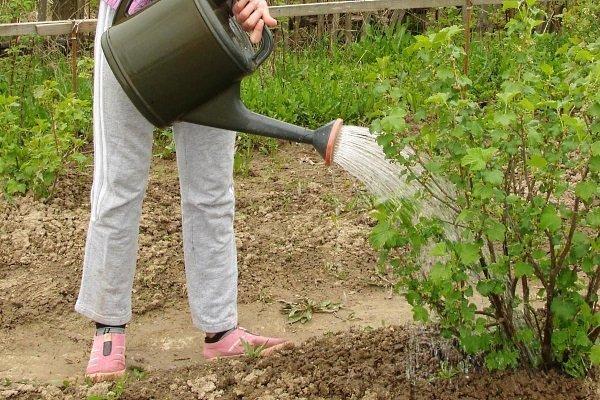
During rainy summers, plants don't require additional watering. During dry seasons, currants should be watered during fruit set, after harvest, and before wintering. Drooping, sagging leaves indicate that the bushes need watering. After each watering, gently loosen the soil.
Top dressing
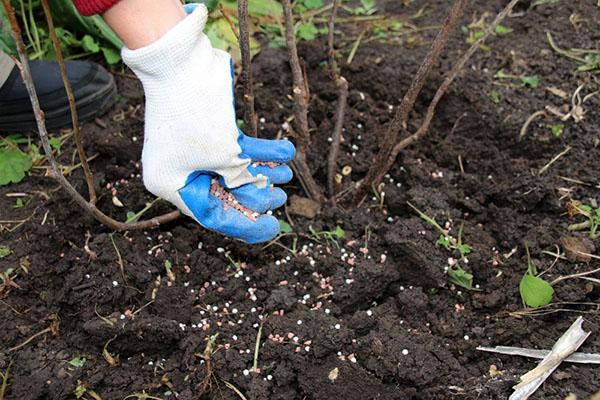
The seedlings are not fertilized in the year of planting. Subsequently, in early spring, a nitrogen-containing fertilizer, such as urea, is applied to the bushes. Towards the end of May, the currants are fed with a phosphorus-potassium fertilizer. Before applying the fertilizer, the soil is thoroughly watered to prevent root burn.
Currants can also be fed foliarly. In the fall, the root zone of the plants is sprinkled with a substrate consisting of 5 kilograms of humus, 40 grams of double superphosphate, and 20 grams of potassium sulfate. This mixture helps the bushes better withstand adverse winter weather.
Trimming
Titania requires pruning in spring and fall. Dry, broken, and diseased branches are removed first. Formative pruning is performed in spring; without it, the bushes will grow shoots haphazardly, significantly reducing yield.
To stimulate the formation of young lateral branches, currants are pruned in the first year. Subsequently, 3-4 shoots are left each year. By the age of five, the currant bush should consist of 15 branches of varying ages. Then, rejuvenation pruning is performed, removing all but the youngest shoots.

Preparing for winter
Titania currants can withstand temperatures as low as -24°C. In the fall, simply cover the area around the trunk with peat or humus. If lower temperatures are expected with little snow in the winter, the bushes need to be prepared.
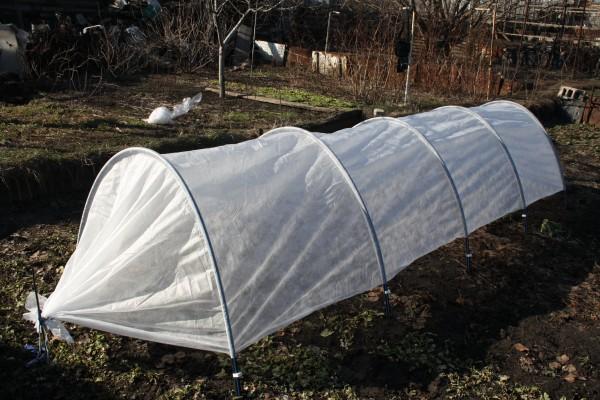
Before the onset of sustained frost, bend the branches to the ground, secure them with bricks, and cover them with mulch. Additionally, the bushes can be covered with agrofibre. Snow also provides good frost protection. While the bushes are small, you can construct a structure, drape the covering material over it, and press it down.
Protection from insects and diseases
This variety has a strong immune system and is susceptible to diseases and pests, primarily due to improper care. Fallen leaves and other plant debris should be removed from the tree's trunk every fall. Diseased branches and those that crowd the crown should be pruned. Allow the soil to dry out between waterings to prevent pathogens from developing.
Take a look Also
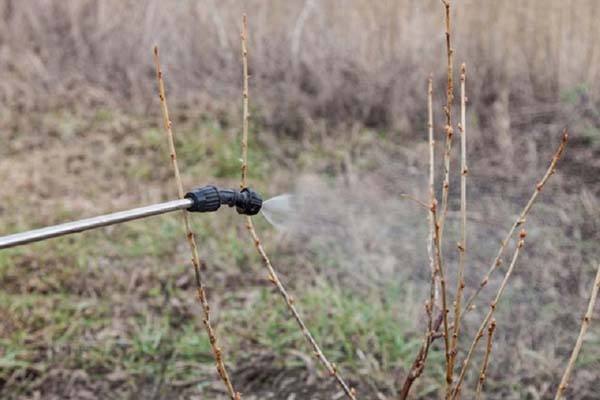
To prevent problems in the spring, bushes are sprayed with copper-containing products. If currants are nevertheless affected by diseases or pests, they are sprayed with insecticides and fungicides. During the fruiting period, it is better to use traditional medicine.
Gardeners' reviews
Gardeners praise the Titania currant as a fast-growing, mid-season fruiting plant. With proper care, a mature bush can yield up to 5 kilograms of berries, which have versatile uses.
Olga Mikhailovna, 60 years old, Miass
I grow several varieties of currants at my dacha, including Titania. The berries grow unevenly, and I harvest them over the course of three weeks. The currants are of varying sizes and are easy to pick. They taste a little sour, but that's okay. I add a little more sugar, and the jam is delicious.
Igor Ivanovich, 48 years old, Tyumen
Over the past five years, the Titania currant has grown shoots to about 1.30 meters (4.30 inches) long. We have severe frosts in winter, so I always cover it in the fall before frost sets in. The berries grow in clusters, don't fall off when ripe, and are easy to pick. Overall, I'm pleased with the variety and recommend it to gardeners.
Nina Grigorievna, 62 years old, Moscow region
Titania was left behind by the previous owners. It's a healthy crop, so we decided to keep it. The currant bushes grow along the fence, where they're protected from the cold wind. The bushes are disease-free, and I spray them with Bordeaux mixture in the spring as a preventative measure. The only drawback is that the berries are slightly sour, but I think that makes them no less healthy. For the winter, I mash the currants with sugar and store the jars in the refrigerator. The currants last until the next harvest.
Related posts:
 Characteristics and descriptions of the 40 best red currant varieties
 The health benefits and contraindications of black currants
 Description and characteristics of the 25 best blackcurrant varieties for Siberia
 Description of the 50 best blackcurrant varieties for different regions
 Red currant health benefits, properties, and contraindications
 The best and new varieties of black currant for growing in the Urals, planting and care
 Description of the red currant variety Sakharnaya, features of planting and care
 The health benefits and contraindications of white currants