
- What are the benefits of black and red currant leaves?
- Scope of application
- In folk medicine
- In cosmetology
- Uses for marinades and liqueurs
- What leaves should be collected for winter preparations?
- Leaf harvesting dates
- Methods for drying leaves
- Traditional open air drying
- In the oven
- In the dryer
- Fermentation
- Storage time and rules at home
- Recipes for a healing drink made from currant leaves
- Are there any restrictions and contraindications?
Dried herbs have a positive effect on human health. During the summer, gardeners try to stock up on as many healthy ingredients as possible for future use. How to collect and dry currant leavesso that they retain all the vitamins and beneficial microelements? After all, everyone already knows that the value of this plant lies not only in its delicious berries.
What are the benefits of black and red currant leaves?
Blackcurrants contain a large amount of amino acids and vitamins essential to the human body. Dried leaves are beneficial due to the following effects:
- strengthening the immune system;
- anti-inflammatory properties;
- beneficial effect on the circulatory system;
- disinfectant action.
Elderly people use currant leaves, or more precisely infusions and teas made from them, for the following purposes:
- strengthening of blood vessels;
- preservation of vision;
- stimulation of the heart muscle;
- prevention and treatment of atherosclerosis.
For young people and children, tea and tincture in winter and early spring simply help replenish vitamin deficiency in the body.
Scope of application
Health benefits of blackcurrant leaves have found wide application not only in folk medicine, but also in other areas of human life. At the same time, experts recommend making sure there is no allergy before using any products containing them.
In folk medicine
Traditional medicine has been accumulating recipes for the treatment and prevention of ailments since ancient times, the composition of which included black currant leavesThis collection continues to grow to this day. Decoctions, teas, and infusions are recommended for the following conditions:
- rheumatism;
- metabolic disorders;
- disorders of the digestive system;
- bile stasis;
- colds;
- decreased immunity;
- disorders of the cardiovascular system.
Take a look Also

People suffering from low blood pressure should take blackcurrant leaves with extreme caution, as they have the ability to affect this indicator.
In cosmetology
Leaves black currant promotes regeneration and renewal Skin, which is why they're widely used in cosmetology. They also impart a healthy complexion and cleanse the body from the inside. Ointments made from the leaves have unique properties for healing minor wounds and helping fight acne.
Uses for marinades and liqueurs
Blackcurrant berries are primarily used for culinary purposes, but the leaves also have a place in this industry. They are used not only to make vitamin-rich teas and tinctures, but also for preserves.
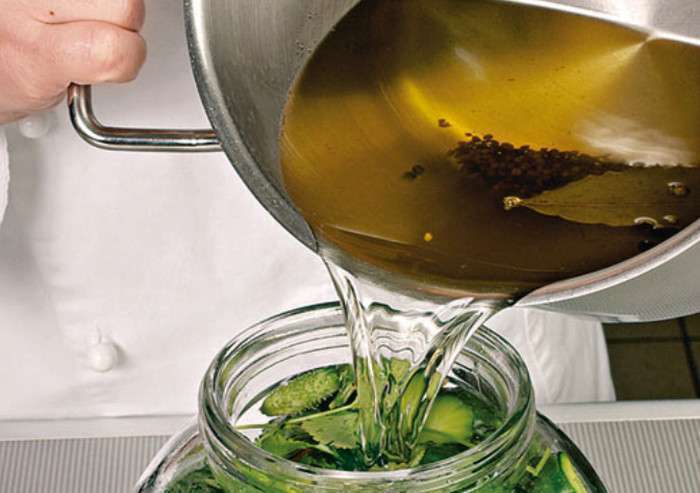
They are included in marinades for tomatoes and cucumbers, and serve as a piquant seasoning for meat dishes and poultry.
Blackcurrant leaves are often an integral part of homemade wines and liqueurs.
What leaves should be collected for winter preparations?
Only properly harvested currant leaves can preserve not only their nutritional value but also their unique flavor and aroma until winter. Experienced gardeners advise against harvesting leaves from the lower part of the bush or picking any specimens affected by fungal diseases.
Leaf harvesting dates
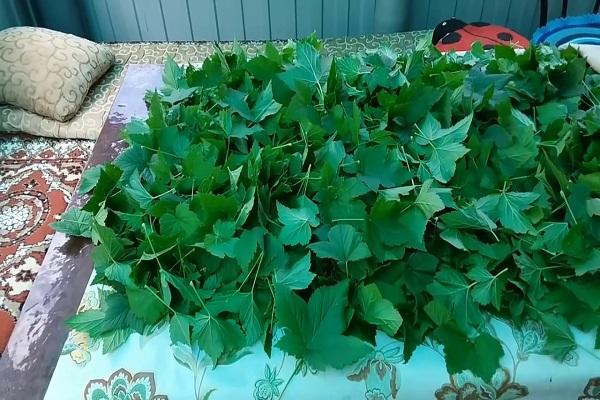
It's recommended to harvest blackcurrant leaves for drying in early July. During this period, young bushes have the largest supply of vitamins essential to the human body. Inexperienced gardeners sometimes avoid disturbing young bushes and begin harvesting the leaves only in August, but by this time, the leaves have already become tough and lost some of their medicinal properties. Toxins also accumulate in the leaves, so harvesting at the end of the season should only be done from the upper part of the bush.

Methods for drying leaves
There are several proven methods for preparing food for the winter that allow you to preserve the maximum amount of useful components.
Traditional open air drying
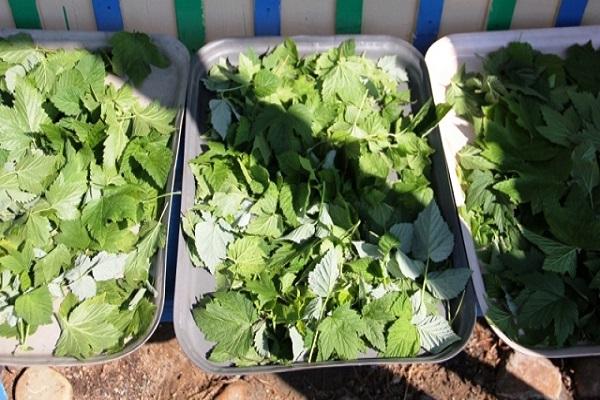
The easiest way to dry currant leaves is outdoors. This requires no additional expense or equipment; simply spread them out in a thin layer on paper or fabric in a dry, warm, and sunny place.
In the oven
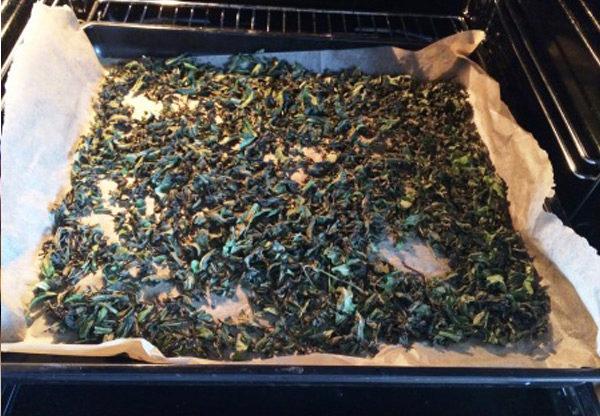
If drying outdoors isn't possible or weather conditions simply don't allow it, you can do it in a regular oven. The temperature shouldn't exceed 100°C. Spread the leaves out in a single layer, and leave the oven door slightly ajar to prevent steam from accumulating. It's important to prevent the leaves from darkening, otherwise they will no longer be suitable for use.
In the dryer
If you have a specially designed electric dryer at home, harvesting currant leaves is easy. Dryers typically have a "herb" setting, which is ideal for this purpose.
When this isn't available, the leaves are dried at the lowest temperature. To prevent them from acquiring a musty odor, the greens should be laid out in a single layer. The advantage of this equipment is that the leaves cannot be overdried or fried.
Fermentation
This process is labor-intensive and time-consuming, which is why true gourmets and connoisseurs resort to it. First, the leaves are dried until the veins stop crunching when bent. Typically, one day is enough. After this, the juice is squeezed out (you can pre-grind the leaves to make the process easier).
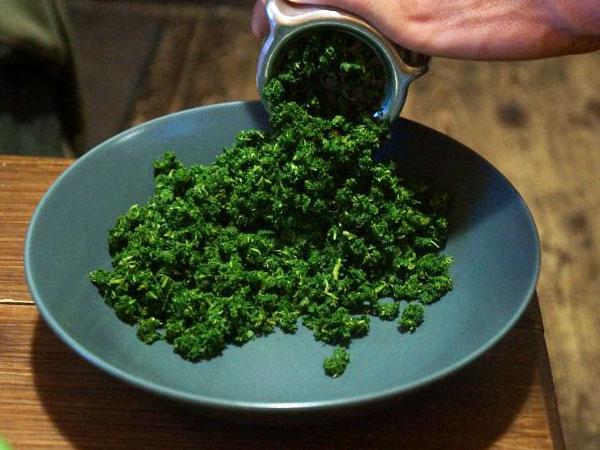
The aroma of the resulting product depends on the amount of juice released. The final step is drying using any convenient method. The key is not to overdry the leaves, otherwise all the previous efforts will be wasted.
Storage time and rules at home
It's important to know not only how to properly prepare blackcurrant leaves but also how to preserve them for a long time. Glass or plastic food containers are suitable for storage, placed in a dry, dark place. Avoid exposing dried leaves to water, dust, or insects. If all necessary conditions are met, the prepared harvest will keep for several years.
Recipes for a healing drink made from currant leaves
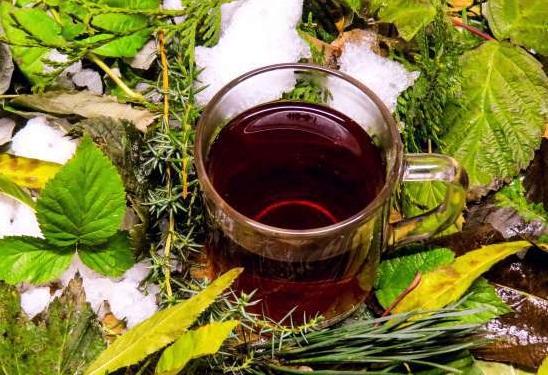
You can make tea from currant leaves alone, or combine them with other fruits and berries. The best options are:
- currant fruits and mint;
- green tea with lemon;
- honey and ginger.
To prevent colds and cardiovascular diseases, it is recommended to add currant leaves to regular tea. This tea consumption promotes normal sleep and relieves fatigue.
Are there any restrictions and contraindications?
There are no specific contraindications to the use of tea or decoction based on currant leaves, however, pregnant women and people suffering from low blood pressure, as well as those with blood cell pathology, should exercise caution.
Related posts:
 20 Best Blackcurrant Winter Preserves Recipes
 Description and rules for growing black currant variety Veloy
 Why and what to do if blackcurrant leaves turn yellow
 TOP 10 recipes for red, black, and white currant sauce and ketchup for the winter, and how to store your preparations
 The health benefits and contraindications of black currants
 The health benefits and contraindications of white currants
 Characteristics and descriptions of the 40 best red currant varieties
 18 simple recipes for making blackcurrant jam for the winter