
- History of Pygmy currant breeding
- Habitat
- Characteristics and description of the variety
- Bush
- Flowering and fruiting
- Useful properties and culinary uses
- Transportability
- Drought and frost resistance
- All the pros and cons of culture
- Specifics of planting in open ground
- Predecessors and neighbors
- Selecting a site and preparing a planting hole
- Timing and technological process of planting
- Features of caring for a Pygmy
- Soil cultivation
- Watering
- Top dressing
- Trimming
- Prevention of diseases and pests
- Protection from winter cold
- Gardeners' reviews of the variety
The bush and fruits of the Pigmey currant variety belie its name. This tall-growing plant produces large, sweet berries. Its widespread cultivation in gardens, backyard plots, and on farms is due to its resistance to frost and drought.
History of Pygmy currant breeding
The Ural Branch of the Russian Academy of Sciences's research center submitted an application for varietal testing of the Pigmey currant in 1993. Five years later, a state commission decided to register the new mid-season variety in the State Register of Breeding Achievements of the Russian Federation.
The blackcurrant variety Pigmey was developed by renowned breeder and professor at Chelyabinsk Agricultural University, V. Ilyin, through cross-pollination of the winter-hardy Finnish variety Bredtorp and the drought-resistant, early-ripening Seyanets Golubka.
Habitat
The Pigmey currant variety is approved for cultivation in Bashkortostan, the Orenburg, Chelyabinsk and Kurgan regions, Western and Eastern Siberia, the Far East, and the Volga-Vyatka region.
Characteristics and description of the variety
The medium-yielding Pigmey currant variety displays the best characteristics of its parents. Gardeners and farmers note its winter hardiness, drought and disease resistance, and the production of large, thin-skinned fruits. The average yield of 3–6 kg per bush is offset by the sweetness and aroma of the berries.
Bush
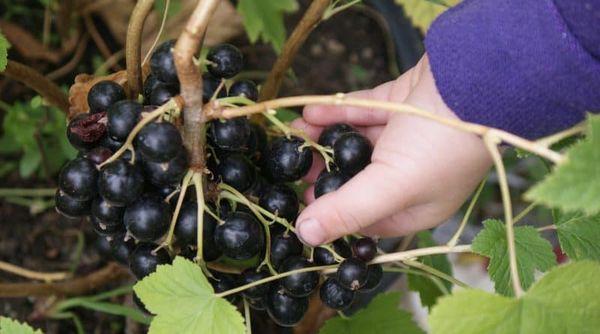
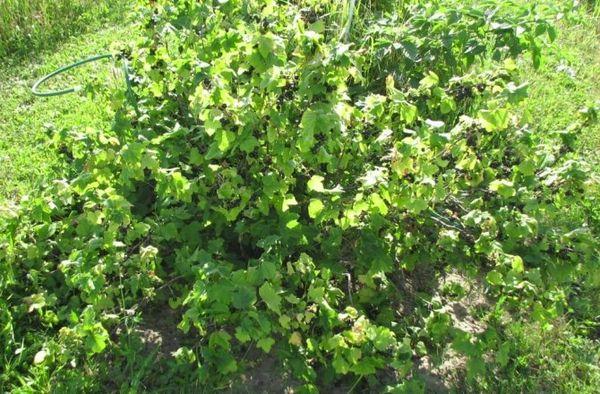
The branches of compact but vigorous (up to 2 m) currant bushes extend upward. Pink hues are visible in the current year's green shoots. Oval-shaped buds, loosely attached to the branches, are colored an unusual bronze color for this plant. The bush has medium foliage. The glossy, concave leaf blades consist of five triangular lobes with finely serrated edges.
Flowering and fruiting
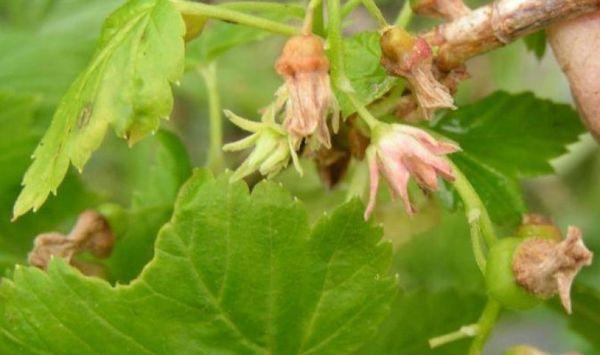
In May, 7–9 dirty-pink, bell-shaped flowers bloom on each drooping inflorescence. The first fruits ripen in 3–4 weeks, depending on the growing location. In the south, the harvest ripens in June, and in northern regions, in early July. Fruiting continues for a month. Pygmy currant is self-fertile, requiring no additional pollinators.
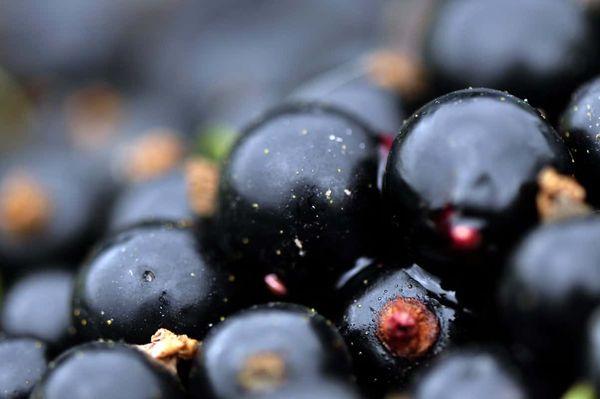
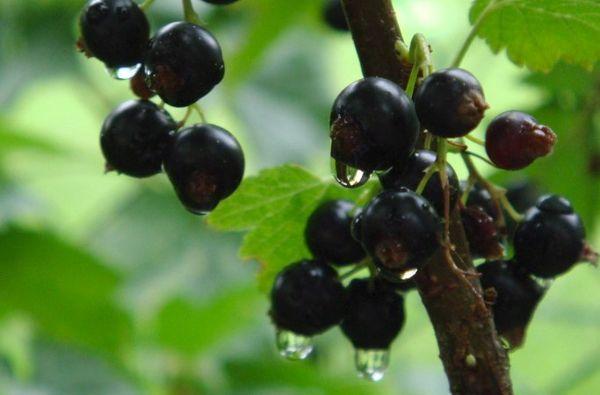
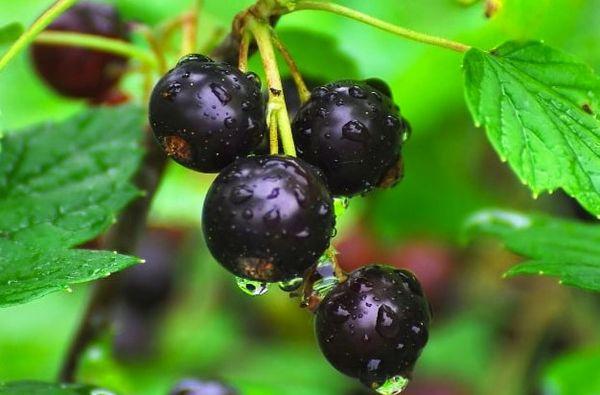
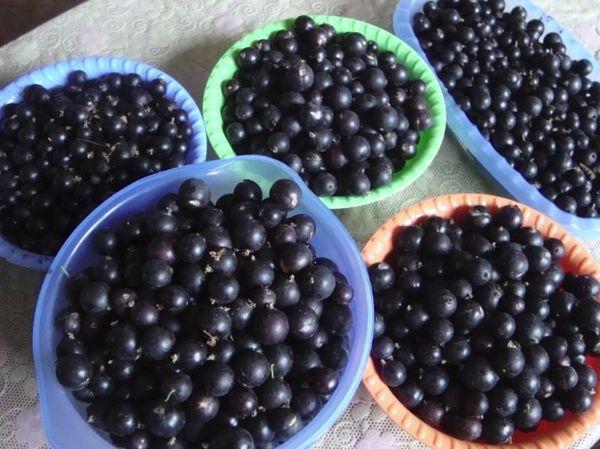
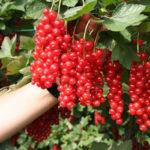
The berries are tightly connected to long, thin stalks. They vary in size, weighing 2–8 g each.
 The tasting committee rated the fruit 5 points for the balance of acids and sugars, the density of the pulp, and the aroma.
Useful properties and culinary uses
The beneficial properties of the Pigmey currant variety are due to its high concentration of ascorbic acid (150 mg per 100 g), natural sugars, pectins, and flavonoids. Currants provide the body with vitamins A, PP, and B vitamins K, as well as a range of essential micro- and macronutrients.
Positive effects of Pygmy currant:
- strengthening of blood vessel walls, normalization of the heart muscle;
- removal of “bad” cholesterol, reducing the risk of vascular accidents;
- normalization of blood pressure;
- stimulation of the liver, kidneys, and urinary tract;
- smoothing of symptoms in rheumatism, gout;
- acceleration of cell regeneration;
- antioxidant properties, prolongation of youth.
Currants help women cope with premenstrual syndrome, and men avoid strokes and heart attacks. Children recover more quickly from acute respiratory viral infections when they consume the berries and their juice.
 Eating fresh currants reduces blood sugar levels in diabetics and body weight when included in the diet of those losing weight.
Pygmy leaves are used for brewing tea and flavoring marinades for vegetables and mushrooms.
The fruits are added to meat sauces and baked goods. They are eaten fresh, used to make alcoholic and non-alcoholic beverages, jam, preserves, and frozen.
Transportability
In special trays and at a temperature no higher than +15°C, thin-skinned currants with dense pulp can withstand long transportation to places of further processing and sale.
Drought and frost resistance
The unpretentious Pygmy adapts to growing in temperatures ranging from -35°C in winter to +30°C in summer. The buds can withstand recurrent spring frosts.
Drought resistance doesn't negate the need for irrigation during hot weather. The plant survives, but loses some of its leaves, and the fruit yield and flavor are reduced.
All the pros and cons of culture
Having adopted and enhanced the advantages of its parent varieties, the Pigmey currant demonstrates the following positive characteristics:
- large fruits, tasting score of fruits 5 points;
- winter hardiness, drought resistance;
- stable yield;
- average resistance to septoria, anthracnose, high resistance to powdery mildew;
- fruiting extended up to a month;
- self-fertility, not requiring pollinators.
Among the disadvantages, gardeners and farmers note the crop's susceptibility to bud mites.
Specifics of planting in open ground
To obtain a full annual harvest, it is recommended to begin with preliminary work on soil preparation, selection of seedlings, and proper planting.
Predecessors and neighbors
Pygmy currant is planted after cereals, annual grasses, root crops, and corn.
Favorable neighborhood:
- onions and garlic, which repel kidney mites;
- golden currant, honeysuckle;
- apple trees, plum trees;
- strawberries, herbs.
Raspberries inhibit the growth of all berry bushes, including the Pigmey variety. Gooseberries and blackcurrants share a common pest, the raspberry moth. They compete with sea buckthorn for resources. Planting junipers nearby is not recommended, as they carry rust.
Pygmy not only reduces fruiting due to unsuitable neighbors, but also negatively affects the development of apricot, pear, cherry, and sweet cherry trees planted nearby.
Selecting a site and preparing a planting hole
Pygmy currant adapts to harsh growing conditions, but produces better fruit in favorable conditions. The plant thrives in a sunny location protected from drafts and slightly acidic, loose, fertile soil. This moisture-loving plant dislikes accumulated meltwater and does not tolerate constant flooding from groundwater rising above 1.5 meters.
The area allocated for the crop is dug over, removing weeds and plant debris. A planting hole is prepared, each 0.5 m deep and wide. The topsoil is combined with the following ingredients:
- 2 buckets of leaf humus, compost;
- 1 tbsp. simple superphosphate;
- 30 g potassium sulfate;
- 1–2 tbsp. wood ash.
According to agricultural practices, a hole for currants is prepared twice as large as the root system.
Timing and technological process of planting
Pygmy currants are planted in the spring, when the soil has dried out, the air temperature has not dropped below 10°C, and the buds on the seedlings are dormant. In the fall, more vigorous bushes are planted in October if the climate is favorable for rooting before a sharp cold snap.
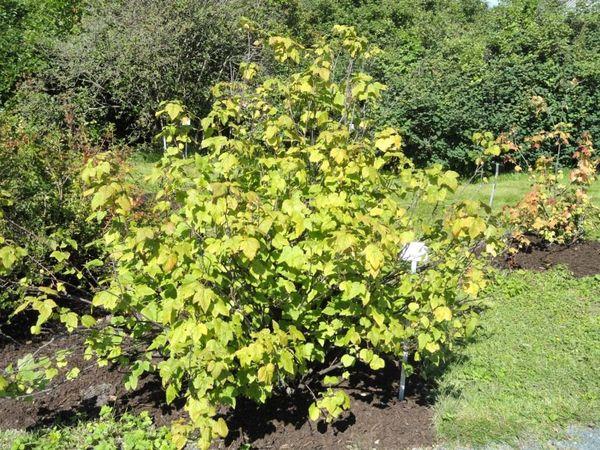
The lateral shoots of the seedling are cut off, leaving 2 buds, the roots are dipped in a clay slurry, Epin, Kornevin for better survival of the crop.
Pygmy currant planting algorithm:
- a small mound is made from the prepared soil mixture at the bottom of the hole;
- they lower the seedling and straighten the roots along the slopes of the hill;
- holding the bush at an angle of 45°C, pour out the remaining substrate;
- compact the soil;
- make a ditch, water it, mulch it.
At the end of planting, the root collar should be in the ground 6–10 cm below the surface. This planting method ensures the fastest possible growth of lateral roots and the formation of shoots.
When planting several currant bushes, maintain a distance between them. 2–2.5 m between them.
Features of caring for a Pygmy
Further care of the crop consists of a list of agricultural procedures. For normal development and fruiting, the crop requires watering, pruning, fertilization, and protection from cold, pests, and diseases.
Soil cultivation
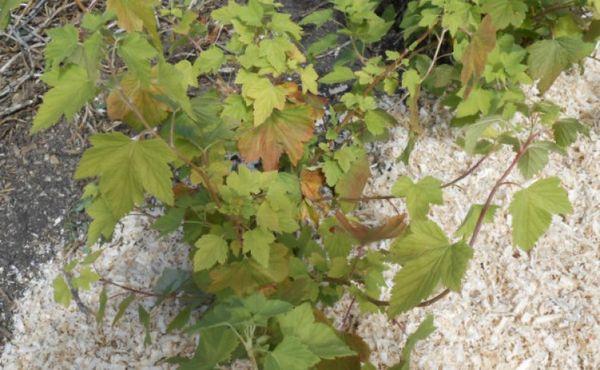
To ensure the successful development of Pygmy currants, keep the area around the bush clean. After each watering, loosen the soil to ensure the roots have access to oxygen, moisture, and nutrients. Since the plant has a shallow root system, loosen the soil to a depth of no more than 5 cm.
Weeds are removed at the seedling stage, preventing soil depletion, the spread and infection of the bush by pathogenic microorganisms, and the spread of insects on the bush.
Watering
The shallow roots of the Pygmy currant require artificial irrigation. During the first month after planting, the bush is watered twice a week with 1–2 buckets. Later, the watering frequency is reduced by half. Mature plants require moisture during ovary formation and fruit ripening. During this period, and in the absence of rain during the summer heat, the bushes are watered weekly with two to three buckets of water. The rest of the year, monthly watering with the same amount is sufficient.
Top dressing
At the beginning of the growing season, the Pigmey currant is fed for the first time with nitroammophoska, adding 1 tbsp of dry matter under the bush.
Organic matter containing high amounts of nitrogen is used later, after the foliage has emerged. Manure is mixed with water in equal parts, left to steep for 4-5 days, and then diluted with 10 parts water. A mature plant is watered with 10 liters of the infusion, while a young plant is watered with 5 liters.
In addition to mullein, chicken manure is also used. To prepare the solution, dilute the manure with water in a ratio of 1:12.
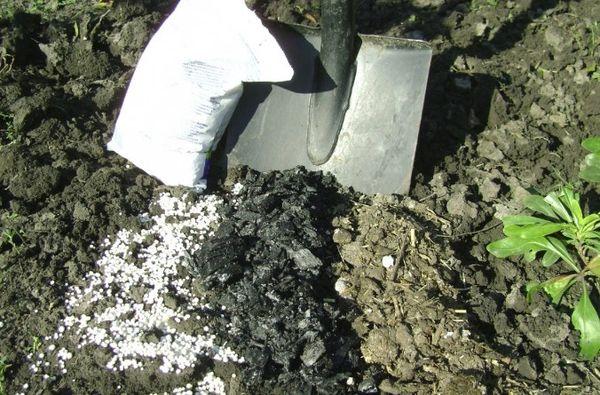
When the crop begins to flower, apply 20 g of superphosphate or potassium sulfate. Repeat the application after harvest. Fertilize the plant with 150 g of ash during ovary formation. Double the ash dose when preparing currants for winter a month before frost.
Trimming
Every spring, overwintered bushes are inspected. To maintain the bush's health, frost-damaged, dead, diseased, and pest-infested branches are removed.

In the second year after planting, the current year's shoots (second-order) are pruned, leaving three intact. In the third year, three one-year-old shoots are left on the second-order branches, and five two-year-old shoots.
The Pigmey currant variety's development is complete in the fourth year, when the bush has three shoots of each age. The total number of shoots of different ages should not exceed 20.
Branches older than 5 years, growing inwards to the crown and lying on the ground are subject to pruning.
Prevention of diseases and pests
Despite the Pigmey variety's resistance to some fungal diseases, preventative treatments are carried out to maintain health and prevent infection by harmful microorganisms.
Before bud break, it's recommended to spray the crop with hot water (50°C) from a watering can to kill overwintering insects. Folk remedies include weekly sprays with infusions of wormwood, celandine, garlic, and onion. Treatments are carried out up to 18 times per season.
 In early spring, 2-3 times at 10-day intervals, treat currants against bud mites with Apollo, Actellik, and Kinmiks.
To combat fungal spores, bushes are sprayed with copper sulfate before the growing season, and with Bordeaux mixture after harvesting.
Prevention of diseases and attacks of parasitic pests on currants includes caring for the soil around the bush (loosening, weeding), and annual pruning.
Protection from winter cold
The frost-resistant Pygmy does not require insulation. Helps it survive the winter:
- loosening the soil;
- moisture-charging irrigation;
- applying fertilizers a month before a sharp cold snap;
- mulching bushes with peat and humus.
The measures are mandatory for young bushes.
Gardeners' reviews of the variety
Gardeners speak positively, sometimes enthusiastically, about the Pigmey variety. The only drawback they note is attacks by bud mites.
Kirill Ivanovich, 67 years old, Voronezh
The Pigmey currant variety is unmistakable. In spring, its branches turn bronze—the color of the buds before they open. I've been growing this variety with its large, fragrant fruits for seven years, and I plan to expand my plantings next season.
Olga Gennadievna, 70 years old, Nakhodka
I've been gardening for 30 years and am an expert in fruit crops. Among currant varieties, I particularly appreciate Pigmeya for its resistance to fungus and frost. Every year, I consistently harvest 5 kg of large, sweet berries from a bush.
Nina Ignatyevna, 52 years old, Sverdlovsk
Perhaps in the southern regions they grow currants with sweeter and larger fruits, but for us Siberians, Pigmey is the best variety, adapted to harsh winters. Three bushes of this variety provide a family with jam with an indescribably special aroma and frozen berries for the entire winter.
Related posts:
 Characteristics and descriptions of the 40 best red currant varieties
 20 Best Blackcurrant Winter Preserves Recipes
 Description and rules for growing black currant variety Veloy
 Description of the 10 best currant varieties for the Moscow region, planting and care
 The health benefits and contraindications of white currants
 Description of green currant varieties, planting and care features
 Description and characteristics of the 25 best blackcurrant varieties for Siberia
 Description of the red currant variety Sakharnaya, features of planting and care