
- Criteria for selecting currants for the Moscow region
- The best zoned varieties
- Early ripening
- Exotica
- Selechenskaya 2
- Summer resident
- Mid-season
- Sudarushka
- Dobrynya
- Raisin
- Late-ripening crops
- Lazy person
- Izmailovskaya
- Altaianka (Effect)
- Sweet-fruited
- Excellent student
- Bagheera
- Triton
- Newly bred varieties
- Large-fruited varieties
- Resistant to diseases and pests
- Specifics of planting in the Moscow region
- Selecting a site and preparing a planting hole
- Timing and rules for planting seedlings
- In the fall
- In the spring
- Features of caring for black currant bushes
- Watering
- What to feed for a good harvest
- Pruning and shaping the plant
- What diseases and pests are dangerous for crops?
- Preparing the plant for winter
Today, there are many excellent currant varieties for the Moscow region, each with its own unique characteristics. These plants are resilient to the region's climate, are disease-resistant, and produce a bountiful harvest. To achieve successful cultivation, proper planting and proper care are essential.
Criteria for selecting currants for the Moscow region
When choosing currants for the Moscow region, it is recommended to consider the main characteristics of the variety.
It is worth focusing on the following criteria:
- Resistance to temperature fluctuations. The bush should tolerate even prolonged thaws without experiencing any growth.
- Frost resistance. In the Moscow region, it's best to grow varieties that can withstand temperatures down to -30 degrees Celsius.
- Resistance to spring frosts. In the central zone, it should be high.
- Disease and pest resistance. Bushes are often susceptible to rust and anthracnose. They can also be attacked by spider mites. Therefore, it's best to choose resistant varieties.
- Self-fertility. Most modern crops are considered self-fertile. However, it is recommended to plant several plants in a plot.
- Productivity. A variety is considered productive if one bush yields 3 kilograms of blackcurrants and 3.5-4 kilograms of red or white currants.
- Large-fruited. A variety meets this requirement if the blackcurrant fruit weighs at least 2 grams, and the red and white currant fruit weigh at least 0.5 grams.
- Vitamin C content. 100 grams of black currants contain 150 milligrams of vitamin C. Red and white currants contain 40 milligrams of this substance.
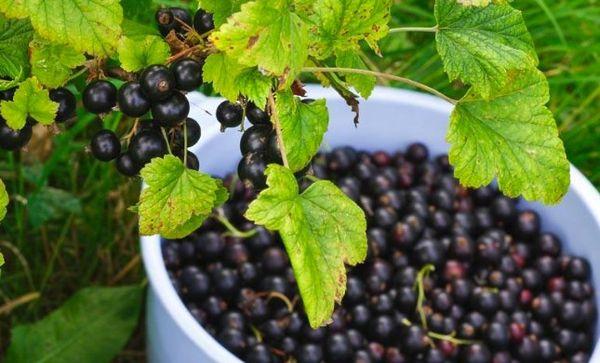
The best zoned varieties
For the Moscow region, it's important to choose the right currant variety. Today, there are many regionalized varieties that are ideal for this purpose.
Early ripening
These varieties are suitable for gardeners who do not want to wait long for the currant harvest.
Exotica
This is one of the largest-fruited varieties. Berries reach 5 grams and have a sweet and sour taste. The crop is resistant to powdery mildew.
Selechenskaya 2
This variety is unlike regular blackcurrant. It combines characteristics of gooseberry and currant. The bushes are able to withstand hot weather.
Summer resident
This variety is considered early-bearing and is characterized by excellent yields. It produces large fruits that are distinguished by their excellent flavor.
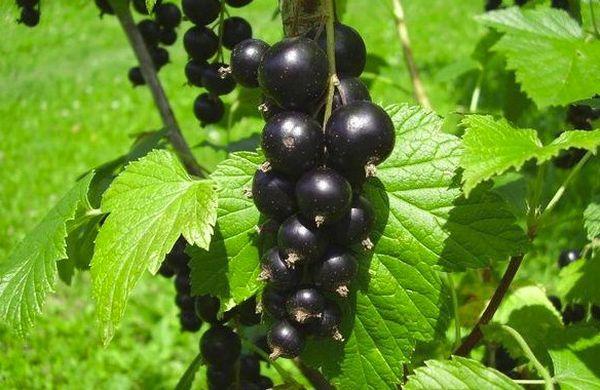
Mid-season
These plants are characterized by a medium ripening period and are considered universal.
Sudarushka
This variety grows on low bushes with a moderately spreading crown. The berries are impressively sized. One bush can yield up to 5 kilograms of fruit.
Dobrynya
The plant is resistant to drought and spring frosts. It is resistant to powdery mildew and produces large fruits.
Raisin
This dessert variety is characterized by large fruits weighing 3.2 grams and possessing a refreshing aroma.
Late-ripening crops
Late varieties ripen at the end of summer and allow harvesting until the cold weather sets in.
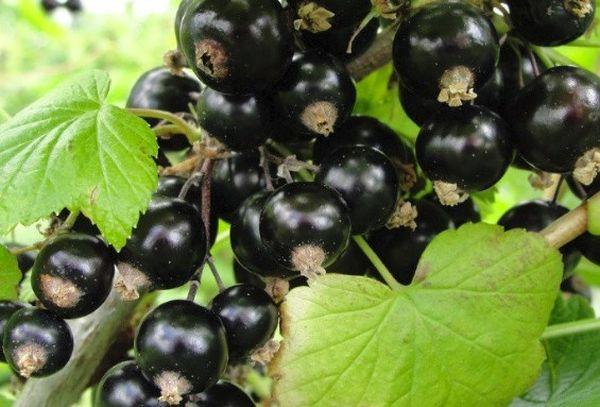
Lazy person
This currant is characterized by large, easily detachable fruits weighing 3 grams. The berries ripen in the second half of July.
Izmailovskaya
This is an early-bearing variety. Harvesting begins within one year of planting. It easily survives winter and yields approximately 3 kilograms of fruit per bush.
Altaianka (Effect)
This variety is characterized by medium-sized bushes. The plant is frost-resistant and tolerates dry weather well. The fruits weigh about 1.5 grams and have a pleasant flavor.
Sweet-fruited
Gardeners often prefer varieties that produce delicious, sweet fruit. Today, there are many varieties suitable for the Moscow region.
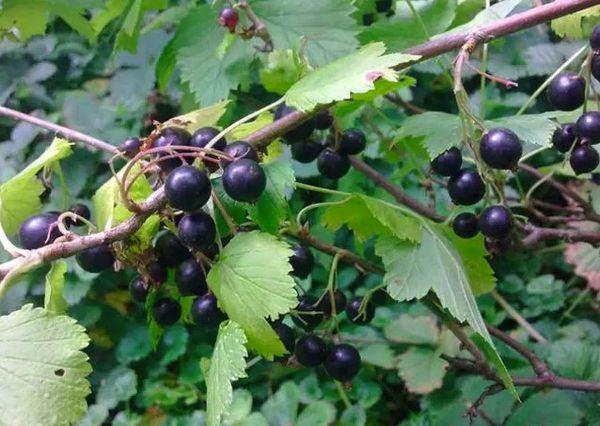
Excellent student
The fruits of this variety are high in sugar. The bushes can grow up to 1.5 meters and produce large berries.
Bagheera
This plant is characterized by round fruits weighing up to 2 grams. They have a sweet taste with a slight tartness. A single bush can yield up to 5 kilograms of fruit.
Triton
The fruits of this variety contain a high sugar content, exceeding 10.5%. The plant is characterized by a stable yield.
Newly bred varieties
Modern breeders have created new, productive varieties that are popular with gardeners. One of the most popular currant varieties is the Rondom variety. This Dutch-bred plant produces dark red fruits with a sweet and sour taste.
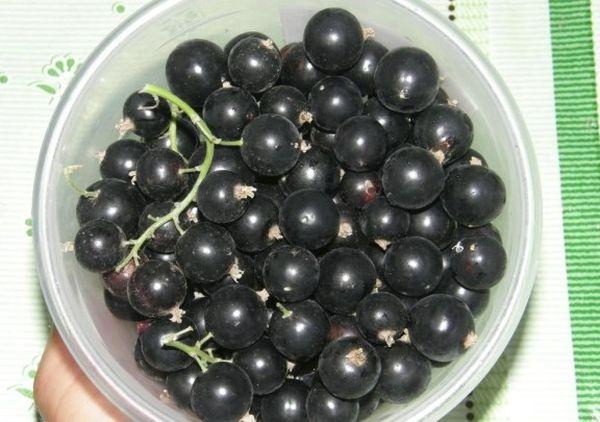
Another popular Dutch variety is Jonker van Tets. It grows tall and densely crowned. The berries weigh up to 1.2 grams and have a thick skin.
Large-fruited varieties
Gardeners often grow crops with large berries. Blackcurrants are considered large-fruited if their berries weigh more than 2 grams. Large-fruited varieties of red and white currants produce berries weighing up to 0.5 grams.
Common varieties include the following:
- Arcadia. This currant is characterized by very large berries—up to 5 grams. They have a pleasant aroma and a sweet and sour taste.
- Pygmy. The plant produces large fruits that ripen in late July. This plant is considered self-fertile. It is frost-resistant and produces a good harvest.
Take a look Also
Resistant to diseases and pests
When choosing a variety, gardeners often prefer currants that are resistant to diseases and pests. Such varieties include the following:
- Nara. This versatile variety is distinguished by its early ripening period. The bush is medium-sized and begins to yield fruit in mid-June.
- Belarusian Sweet. This currant has a mid-season ripening period. Fruit can be harvested as early as the second year after planting. The plant is characterized by dense bushes with a spreading crown.
- Orlovsky Vals. This late-ripening variety produces medium-sized bushes with a slightly spreading crown. The fruit has a characteristic sweet and sour flavor.
Specifics of planting in the Moscow region
To grow strong and vigorous bushes in the Moscow region, it is necessary to carry out planting work correctly.
Selecting a site and preparing a planting hole
Currant bushes require good light. They are recommended to be planted on gentle slopes. The plant can tolerate shade for short periods. However, it requires adequate soil moisture and protection from wind. The soil should be neutral or slightly acidic.
Bushes are often planted along a fence. The fence should be 1 meter away from the currant bushes. When planting young trees, maintain a minimum distance of 2 meters.
It is not recommended to plant currants in low-lying areas where there is a risk of water stagnation. This will lead to root rot and the death of the plant.
It is prohibited to plant this crop in areas previously occupied by other currant varieties or gooseberries. Such soil contains many toxins that will adversely affect young plants.
Timing and rules for planting seedlings
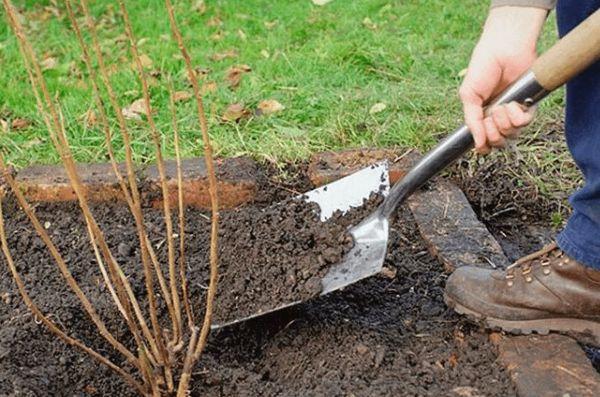
To ensure full currant development, it's crucial to time planting correctly and strictly adhere to proper planting techniques. This includes the following steps:
- dig up and level the area;
- clear the garden bed of excess debris and stones;
- break up large chunks of earth;
- dig a planting hole;
- place fertilizer or ash on the bottom;
- sprinkle some soil on top;
- water the hole;
- Place the plant in the hole and cover with soil.
In the fall
In the Moscow region, currants can be planted in early autumn. Early September is considered the most favorable time. This allows the roots to establish themselves before the cold weather sets in.
In the spring
It's perfectly acceptable to plant currants in the spring. However, in this case, you'll only get a harvest within one year.
Features of caring for black currant bushes
To achieve success in growing currants, it is important to strictly adhere to all agricultural practices.
Watering
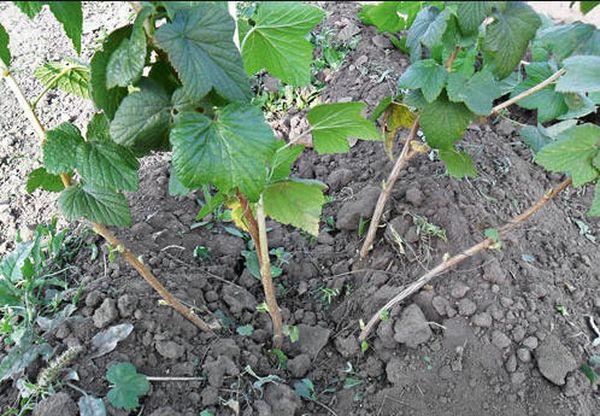
Currants are considered moisture-loving plants that require frequent watering. This is especially important during active growth. If the bush is losing fruit frequently, this indicates a moisture deficiency.
The first heavy watering should be done at the end of May. The next watering is recommended at the end of June. This is the period when the fruits begin to actively ripen.
What to feed for a good harvest
During the first three years, the plant receives sufficient nutrients from the planting supplies. Subsequently, it requires annual fertilization. Nitrogen fertilizers should be applied in the spring. They are essential for the growth of green mass.
In summer, during fruit formation, it is recommended to apply mineral fertilizers. After harvesting, currants are fed with potassium- and phosphorus-based compounds. These substances facilitate branch ripening and strengthen the plants.
Pruning and shaping the plant
Currants are recommended to be pruned twice a year – in spring and fall. The first pruning increases yield, while the second helps shape the bush and remove dead branches.
What diseases and pests are dangerous for crops?
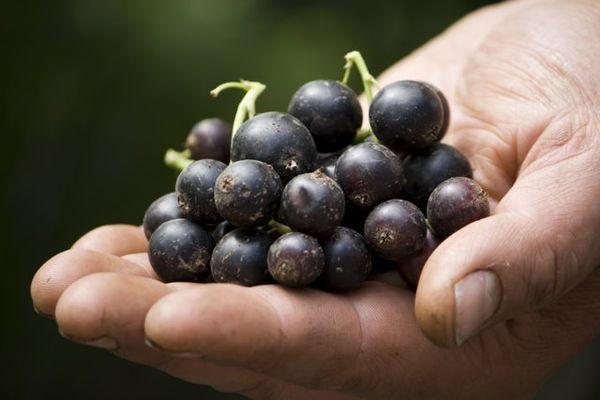
Currants are most often susceptible to anthracnose and powdery mildew. In the former case, the leaves become covered with dark spots. They then dry out and fall off.
To eliminate the disease, the bushes should be treated with Bordeaux mixture. This is done once the problem is identified, and again after harvesting.
Powdery mildew causes a coating on berries and foliage. To combat this problem, fungicides are used.
Of the pests that plague currants, aphids and bud mites pose the greatest threat. They interfere with the plant's normal growth. Chemical and folk remedies can help control these pests.
Preparing the plant for winter
When growing currants in the Moscow region, the bush should be covered with film and holes should be made in it for ventilation.
Currants are a popular plant that can be grown in the Moscow region. Today, there are many regionalized varieties that are resistant to frost and temperature fluctuations.

Related posts:
 The best grape varieties for growing in the Urals, planting and care rules in summer
 Characteristics and descriptions of the 40 best red currant varieties
 Descriptions of the 20 best cherry varieties for the Moscow region, their planting and care
 The best and new varieties of black currant for growing in the Urals, planting and care
 Description and characteristics of the 25 best blackcurrant varieties for Siberia
 Description and rules for growing black currant variety Veloy
 Description and cultivation of the 15 best cherry plum varieties for the Moscow region, planting and care rules
 80 Best Eggplant Varieties for Different Regions with Descriptions and Characteristics