
- History of breeding and description of the Marmeladnitsa currant
- Size and branching of the bush
- Flowering and fruiting
- Taste qualities of berries and scope of application
- Immunity to diseases and insects
- Resistance to subzero temperatures and drought
- Pros and cons
- Growing specifics
- Deadlines
- Selecting and preparing a seedling
- We follow the patterns and distance between the bushes
- Dimensions and depth of the planting hole
- Planting in open ground
- Care instructions
- Watering
- Addition of nutrients
- Pruning and shaping the bush
- Shelter for the winter
- Seasonal treatments
- Reproduction
- Gardeners' reviews of Marmeladnitsa
The Marmeladnitsa red currant variety is a popular crop grown by many gardeners. It has a pleasant flavor and high yields. To achieve successful cultivation, proper planting and care are crucial. Currants require timely watering, pruning, and fertilization.
History of breeding and description of the Marmeladnitsa currant
This variety owes its origins to the All-Russian Research Institute for Fruit Crop Breeding, located in Oryol. The creator of the marmalade currant is L. V. Bayanova. The crop was obtained by crossing the Rote Spätlese and Maarsis varieties.
The variety got its name from a unique property of the berry. Its juice easily solidifies even without heating. This occurs almost immediately after juicing. Testing of the variety began in 1996.
Size and branching of the bush
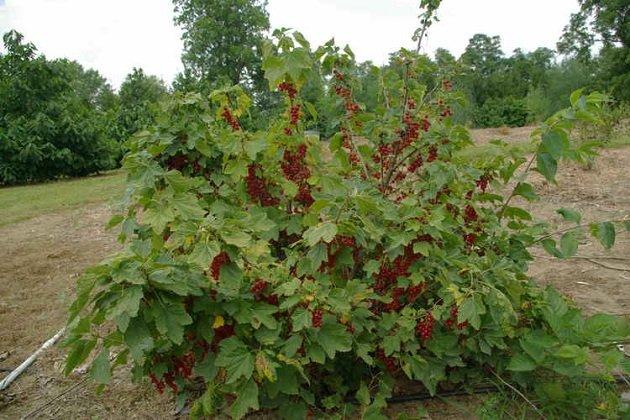
This plant is characterized by a late ripening period. It produces medium-sized bushes reaching 1.5 meters in height. They have a dense, semi-spreading crown and thick shoots.
The leaves are five-lobed and medium to large in size. They have a rich, dark hue and a glossy surface. The underside of the foliage is covered with a dense layer of downy hairs. The edges are finely toothed and sharply serrated.
Flowering and fruiting
The flowers are saucer-shaped. They are borne on medium-sized racemes measuring 8-10 centimeters. Flowering lasts 10-12 days. Initially, buds appear on the bushes, followed by racemes and foliage.
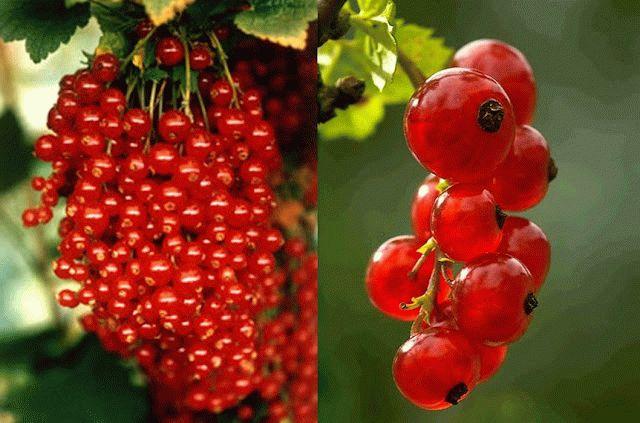
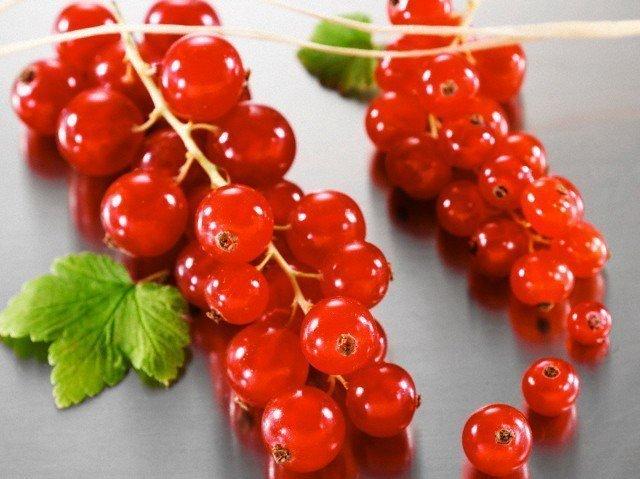
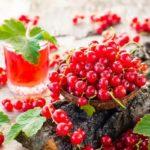
The fruits are large and flattened, weighing 0.4-0.8 grams. Currants are characterized by an orange-red hue and prominent white veins. The berries are easy to pick and remain on the bush for a long time without falling off.
Taste qualities of berries and scope of application
The fruits are described as having a sweet and sour taste. Tasting tests have found them to be sour and characterized by a distinctly refreshing flavor.
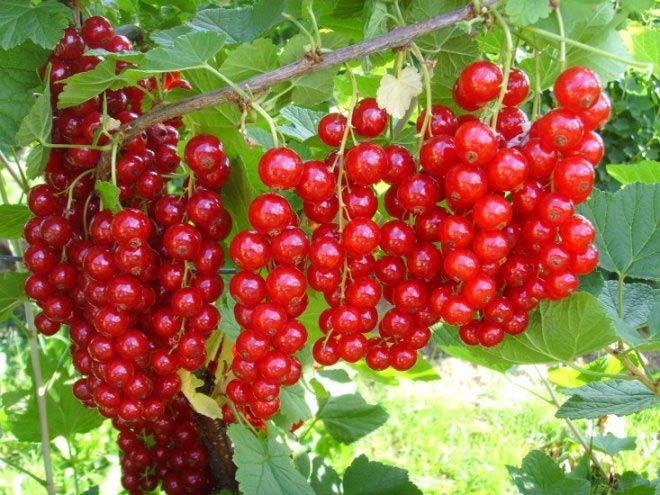
The berries contain a lot of pectin, which is why they have pronounced gelling properties. Therefore, they are often used to make jellies, sauces, and preserves. The fruits of this variety are characterized by a high content of ascorbic acid.
Immunity to diseases and insects
Marmalade is resistant to bud mites and other common pests. The only pest that poses a threat to the bushes is aphids. They can infect currant bushes due to improper care or adverse environmental factors.

The crop is highly resistant to many diseases. It is virtually immune to anthracnose, septoria leaf spot, and powdery mildew.
Resistance to subzero temperatures and drought
Currants easily tolerate low temperatures without risk of losing their appearance or flavor. This variety has moderate drought tolerance. However, the bushes tolerate heat well.
Pros and cons
To decide whether to plant a plant, it's worth weighing its main advantages and disadvantages. The variety's key benefits include the following:
- Beneficial properties. The berries contain a lot of vitamin C and pectin.
- The berries are versatile. They are suitable for freezing, storing, and processing. They can also be eaten fresh.
- High yield. Whether growing currants for personal use or on an industrial scale, it's possible to achieve consistently high yields.
- Low maintenance. The plant requires no special care. The fruits do not fall off when ripe.
- Resistance to external factors. Currants are characterized by strong immunity to diseases, attacks by harmful insects, drought, and temperature fluctuations.
However, currants are not without their drawbacks. If improperly cared for, the berries can become smaller. Other disadvantages include their demanding soil conditions and the large number of shoots on the bushes. This makes cultivation challenging.
Growing specifics
Planting currants in a permanent location requires proper cultivation techniques. To ensure the plant's normal development, it's important to choose the right site, determine the planting time, and prepare the soil.
Deadlines
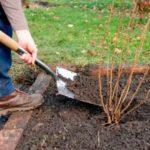
Currants are best planted in the second half of autumn. This should stop the sap flow in the shoots. In the central part of the country, Marmeladnitsa is planted in late October or early November. In the south, planting can begin in mid-November.
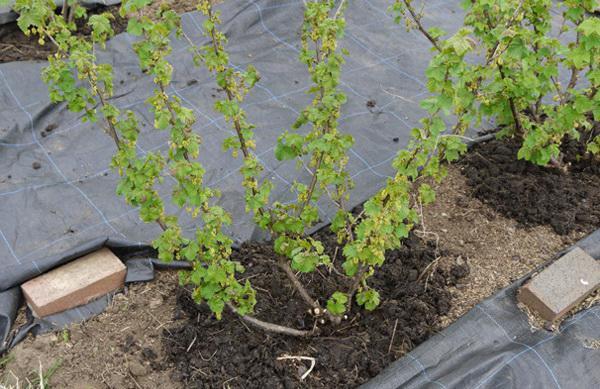
Northern regions are characterized by significantly lower temperatures. Therefore, in these areas, it is recommended to plant currants in the spring. This will ensure their adaptation to the new conditions.
Selecting and preparing a seedling
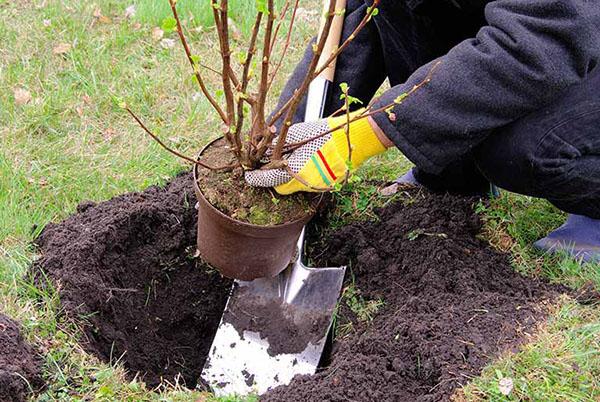
When choosing a bush for planting, it is worth considering the following:
- Presence of roots. It is important that they are well developed. It is not recommended to use seedlings with damaged roots.
- Branch condition. They should be straight. It's important that the trunk is clean, free of defects or pests.
- The bark should be intact. There should be no signs of pests, stains, or displaced elements.
- The length of the shoot. Not including the roots, it should be at least 40 centimeters.
We follow the patterns and distance between the bushes
If you plan to plant several bushes, maintain a minimum spacing of 2 meters. Planting too close together will restrict the bushes' growth and reduce their sunlight exposure. This will result in smaller berries and reduced yield.
If you plan to plant entire rows, it's important to maintain a distance of 1.5 meters between plants. The White Fairy variety can be planted nearby. It's also important to keep at least 1 meter away from paths or fences.
Dimensions and depth of the planting hole
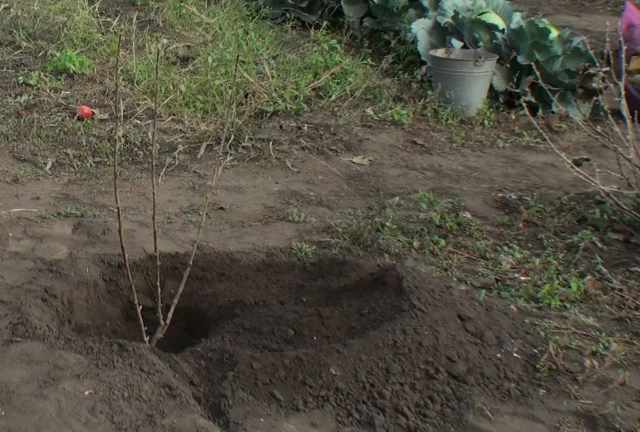
To plant this type of currant, you'll need a hole measuring 50 x 50 centimeters. The hole should be 40 centimeters deep. It's recommended to prepare the hole several weeks before planting.
Planting in open ground
To plant currants, you need to follow these recommendations:
- Mix fertile soil with organic fertilizers.
- Plant the seedling in the center and spread out the root system so that its base does not bend upward. Deepen the root collar by 6 centimeters.
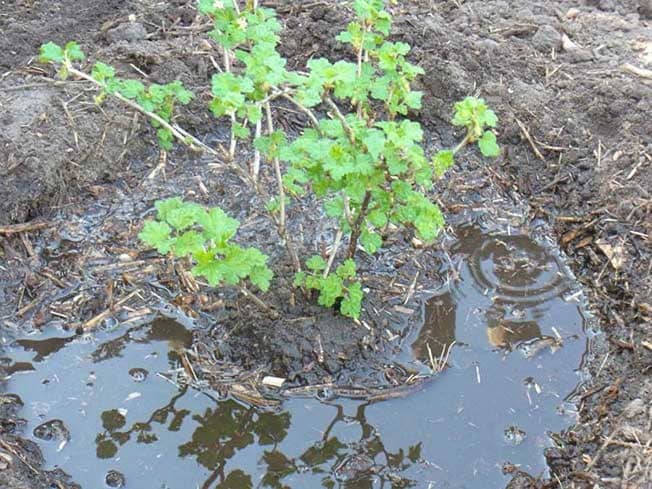
- Cover the seedling with soil and compact the top layer lightly. Water the plant generously.
- Cover the area around the bushes with a layer of mulch. Straw, peat, humus, pine needles, or sawdust are good choices.
- Trim the top of the plant. A maximum of four buds should be left on the seedlings.
Care instructions
To ensure the full development of currants, they need to be properly cared for.
Watering
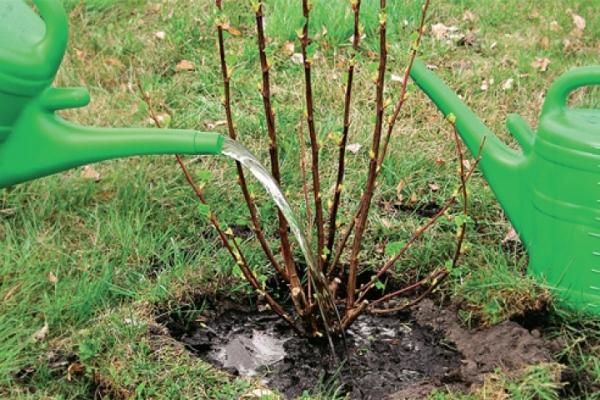
Red currants generally thrive on natural rainfall. They require additional watering during summer droughts. It's also recommended to moisten the soil during fruit ripening.
Garden beds should be watered in the evenings. Apply 20-30 liters of water per bush. Drip irrigation can also be used. To retain moisture, the area around the tree trunks should be mulched.
Addition of nutrients
To ensure a bountiful currant harvest, it's recommended to apply fertilizer regularly. Follow this schedule:
- First half of March. During this period, the plant requires urea. To do this, mix 25 grams of the product with water and water the plant.
- Flowering. At this time, the plant requires a solution of bird droppings. Mix it with water at a ratio of 1:15. Water the plant with the prepared mixture.
- Autumn. For the final feeding, use a mixture of manure and compost. This mixture is used every 2-3 years.
Pruning and shaping the bush
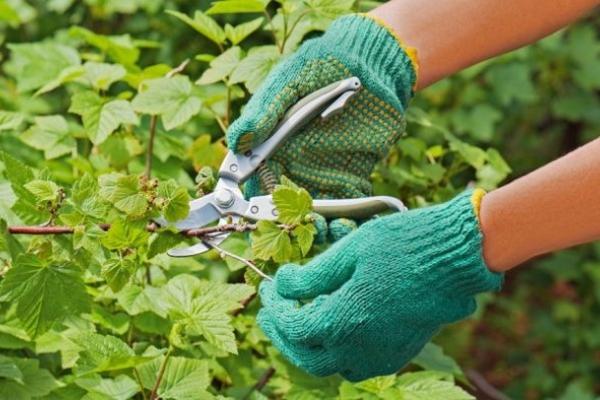
This plant requires proper bush training. Therefore, pruning should be regular. This procedure is performed before buds appear. This can also be done in the fall. However, in this case, the plant may not survive the winter well.
To form a bush, do the following:
- During the first year of life, only 5-7 shoots should be left on the currant tree. The remaining branches should be removed.
- In the second year, 4 branches from the previous year and 5 new shoots should be left on the bush.
- The following year, the bush should have four shoots from the first year, four branches from the second year, and the same number of new shoots. It's also worth removing any dead or broken branches.
In summer, pinching out green shoots is done. This procedure helps form replacement shoots.
Shelter for the winter
Marmeladnitsa is considered a frost-hardy variety. Therefore, the bushes do not require covering. However, in regions with cold winters, the plant still requires insulation. To properly cover the plant, we recommend the following steps:
- clear the ground around the bush from debris and loosen the soil;
- sprinkle the soil around the plant with wood sawdust or cover it with spruce branches - the thickness of this layer should be 10 centimeters;
- bend the branches to the ground and fix them in this position - boards are suitable for this;
- Wait for snow or make a shelter yourself - for this, the branches are covered with soil or mulch.

Seasonal treatments
Despite its resistance to diseases and pests, the Marmeladnitsa currant sometimes faces various problems. Seasonal treatments can help combat these. Common currant problems include the following:
- Aphids. These insects nest on the undersides of leaves and feed on plant sap. Swollen spots, yellowing, and curling of leaves indicate a currant infestation. The product Iskra can help combat this problem.
- The currant moth is a brown butterfly measuring 3 centimeters. This pest feeds on currant fruit. To get rid of it, use Apollo before fruit set, and Karbofos after fruit set.
- Currant glassworm. The insect's body is covered with lilac scales. These parasites damage grape clusters. To control them, apply Malathion before buds appear.
- Anthracnose. As the disease progresses, brown spots appear on currants. If the stalk is affected, the fruits fall off. Kuprozan can help combat this problem.
- Drying. When the problem occurs, the protective layer cracks, and nodules form. As a result, the shoots die. Thinning the bushes can help eliminate the disease.
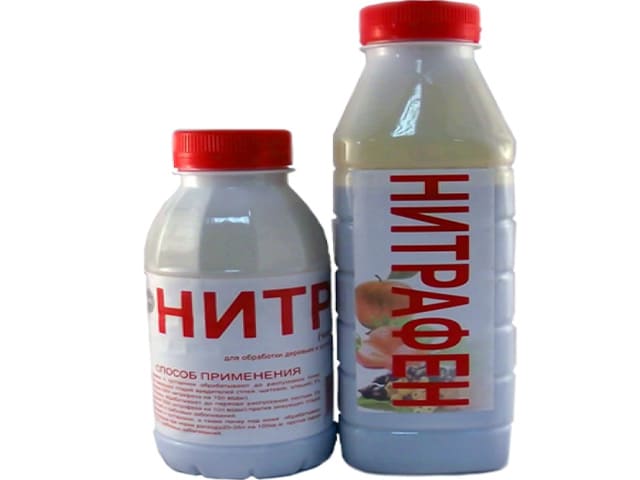
- Rust. This disease causes streaks resembling corrosion. Nitrafen can help combat it.
Reproduction
Currants can be propagated by cuttings.To do this, bend the branch down to the ground and cover it with soil. In the fall, the plant can be dug up and replanted. This will ensure the plant's roots develop fully.
Gardeners' reviews of Marmeladnitsa
Numerous reviews of this currant variety confirm the plant's high popularity:
- Marina: "I really enjoy making jam from Marmeladnitsa. The berries have a pleasant tartness that's present in the finished product. The plant is easy to care for and disease-resistant."
- Elena: "I've been growing this currant variety for several years now. I can say it produces a good harvest every year. However, aphids sometimes appear in the beds, forcing me to use insecticides."
The Marmeladnitsa red currant is a common variety grown by many gardeners. It boasts excellent flavor and is easy to care for, making it so popular.
Related posts:
 20 Best Blackcurrant Winter Preserves Recipes
 Description and rules for growing black currant variety Veloy
 The health benefits and contraindications of black currants
 Characteristics and descriptions of the 40 best red currant varieties
 TOP 10 recipes for red, black, and white currant sauce and ketchup for the winter, and how to store your preparations
 The health benefits and contraindications of white currants
 Red currant health benefits, properties, and contraindications
 When is the best time to plant currants to get a good harvest?