
- Methods of propagation of culture
- Dividing the bush
- Seeds
- Vertical and horizontal layering
- Lignified cuttings
- Green cuttings
- Specifics of growing different varieties of currants
- Red
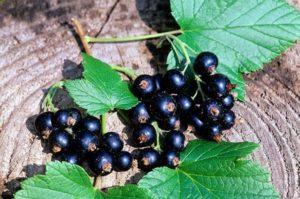
- Black
- White
- Timeframe for completion of works
- Nuances of work in the spring
- Selection and procurement in the autumn period
- Storage rules before planting in spring
- Basic rooting methods
- In the water
- In a specialized substrate
- In open ground
- Transplanting seedlings into the ground
- Selecting a site
- Preparing the soil and planting hole
- Timing and rules for planting sprouts
- Further care
- Result
Propagating currants by cuttings can be done at various times of the year, including summer. Each method has its own specific features that help speed up root formation. Proper care of the plant after propagation is also important.
Methods of propagation of culture
To grow a healthy bush, you don't need to purchase planting material. You can use proven propagation methods.
Dividing the bush
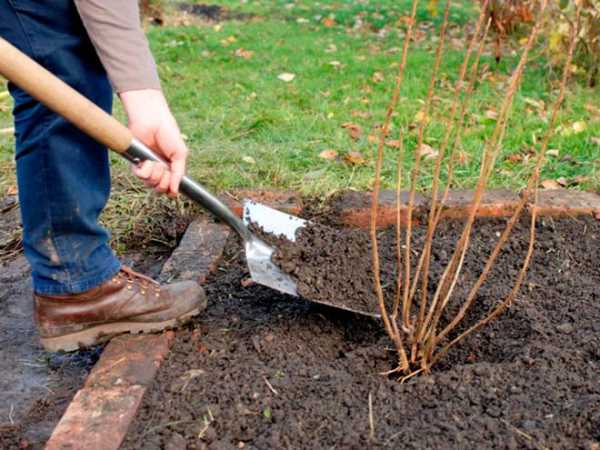
Currants can be propagated by dividing the bush in early spring. To do this, divide the mother bush with a sharp spade and plant it in a new location. The advantages of this propagation method include preserving the plant's flavor and quickly adapting the planting material to its new location. Any damaged roots during division should be treated with a manganese solution or charcoal to reduce the risk of rot.
Important: The bush for division should be at least 5 years old. Young plants have weak roots and often do not tolerate this type of intervention.
Seeds
Currants can be propagated by seed. To do this, follow these steps:
- the berries are collected after they are fully ripe;
- the berries are crushed and washed to obtain the seeds;
- The seeds are dried and stored until February; the material should be stored in cloth bags;
- In February, the seeds are planted in seedling containers and regularly moistened.
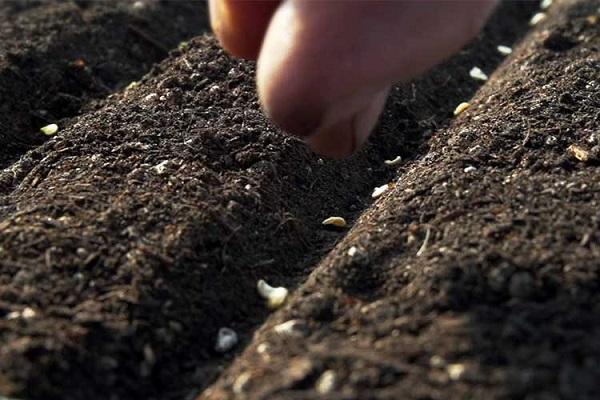
Seedlings should be planted in open ground only when the soil has warmed up and there is no threat of a drop in temperature.
Vertical and horizontal layering
To propagate currants by branches, two methods can be used.
| Reproduction method | Characteristic |
| Vertical layering | On a young bush, cut the shoot 5 cm above the ground. New shoots will begin to grow from the lower buds, which need to be earthed up. This method is suitable for propagating red currants. |
| Horizontal layering | Select a healthy branch and bend it toward the ground. The bend should be filled with soil and reinforced to encourage the plant to take root. |
The last method is used most often.
Lignified cuttings
This method is used when the plant is dormant. To do this, select a healthy shoot and cut it off at the root. Then, remove the top portion of the shoot, and take cuttings from the remaining portion. Place the cuttings in a cool place until spring. After the snow melts, plant the seedlings in the ground and water regularly. All currant varieties can be propagated using this method.
Green cuttings
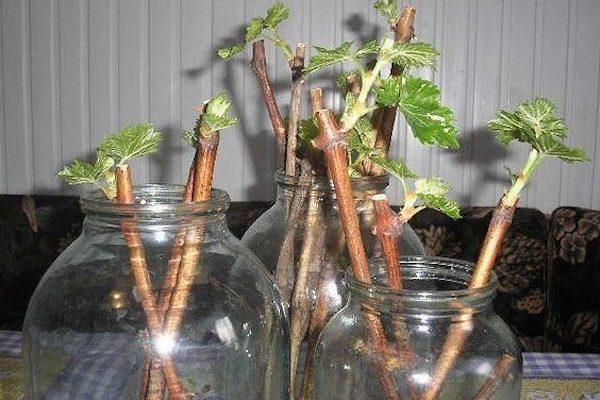
Growing new currant bushes this way allows you to preserve the mother plant unchanged. To propagate, cut a green shoot with leaves at the end of May and place it at an angle in the soil until it fully takes root. Typically, the seedlings can be replanted after a year.
Specifics of growing different varieties of currants
Each currant variety has its own propagation characteristics that must be followed. Properly planted cuttings quickly produce new roots and can be used for further planting within a year.
Red
To properly propagate red currants, select bushes that are at least two years old. Cuttings are most often used, as these tend to break and have poor rooting.
Black
Blackcurrant varieties can be propagated using any method. The shoots are bent toward the soil. Currants are often propagated in the spring using cuttings.
White
White-fruited currant varieties can be propagated by any method. When propagating by cuttings, it's important to leave at least three buds, otherwise the planting material may fail.
Timeframe for completion of works
Currants can be replanted in autumn, spring, and summer. The timing of rooting the cuttings determines the plant's readiness for further replanting.
Nuances of work in the spring
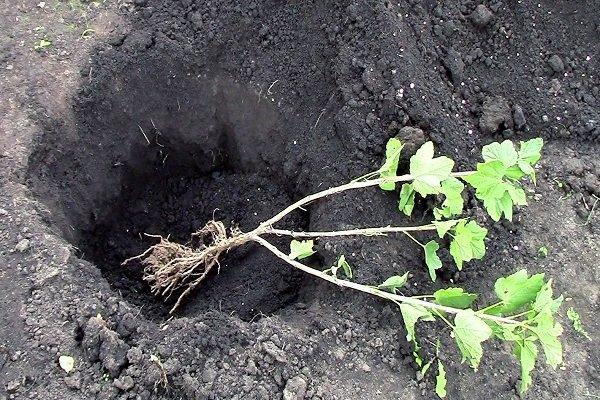
Planting currants in the spring is carried out taking into account several features:
- shoots should be used before the buds open;
- strong shoots without any damage are selected;
- Make cuts on the cuttings with a sharp object, this will speed up the process of root formation;
- The planting material should be planted in a pre-fertilized mixture.
Shoots are taken from healthy bushes. Infected specimens will promote the development of diseased bushes.
Selection and procurement in the autumn period
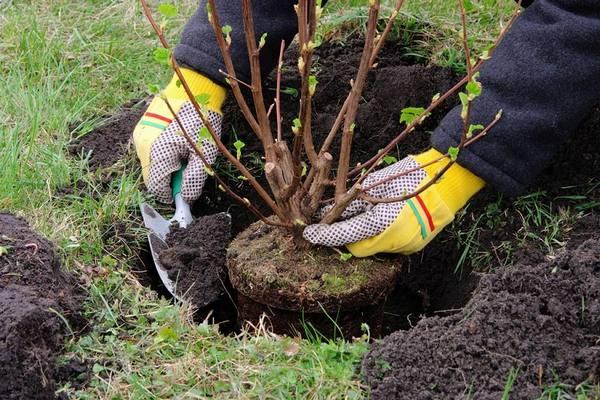
In the fall, cuttings should be taken in September. When choosing planting material, there are a few important considerations:
- Before preparing cuttings, it is necessary to treat the bush from possible pests and larvae;
- carry out sanitary pruning of the bush, removing all weak and damaged shoots;
- Store prepared cuttings in a cool place or use seedling containers to root the cuttings in the soil.
The cuttings should have buds. Shoots are selected without leaves, and the upper part of the branch is removed.
Storage rules before planting in spring
In cases where a large number of cuttings are being prepared, storage precautions should be observed:
- the cuttings must be divided by variety and tied into small bunches;
- the cut areas are lubricated with wax to prevent the planting material from perishing during storage;
- each variety is placed in a separate plastic bag;
- The planting material is placed in a basement or refrigerator.

It's also often used for storing snowdrifts. The bag is buried in the snowdrift and left until spring.
Basic rooting methods
There are various methods for rooting currant cuttings. The gardener chooses the method based on personal preference.
In the water
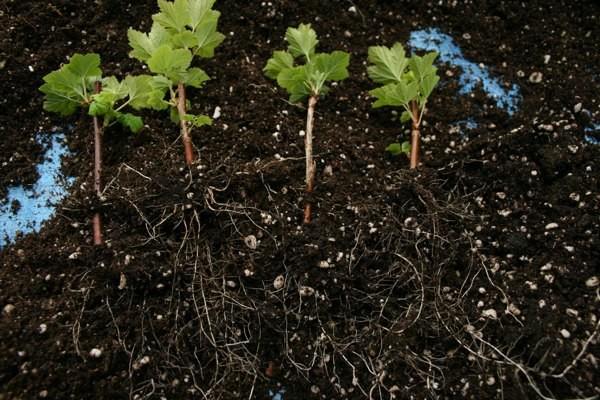
This method is often used to prepare planting material. To root a cutting, follow these steps:
- Place the prepared cuttings in a container with water;
- the liquid should be at room temperature;
- it is necessary to change the water in the cuttings every 2 days;
- There should be no more than 2-3 cuttings in one jar;
- add activated carbon to the water;
- Cuttings prepared in the fall must be cut from the bottom to remove dead parts.
After the roots appear, the planting material is planted in open ground.
In a specialized substrate
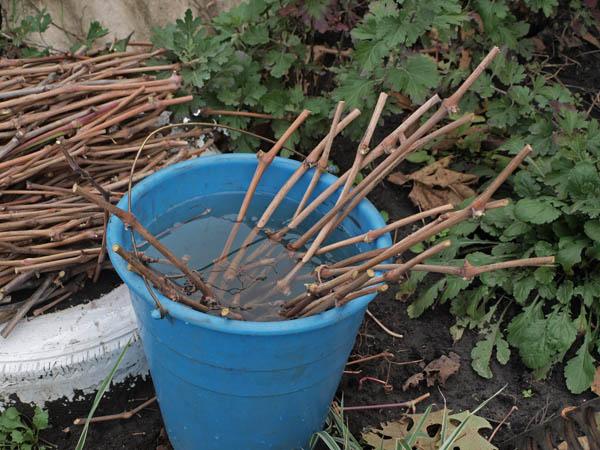
Cuttings can be rooted using a special nutrient mixture. To do this, prepare the nutrient mixture by mixing equal parts of compost, river sand, and soil. Peat moss can also be used instead of compost. The nutrient mixture is placed in boxes, and the cuttings are planted. The container with the planting material is placed in a sunny spot and watered regularly.
Important: Make holes in the seedling containers to prevent water stagnation. Regularly loosen the soil to oxygenate it.
In open ground
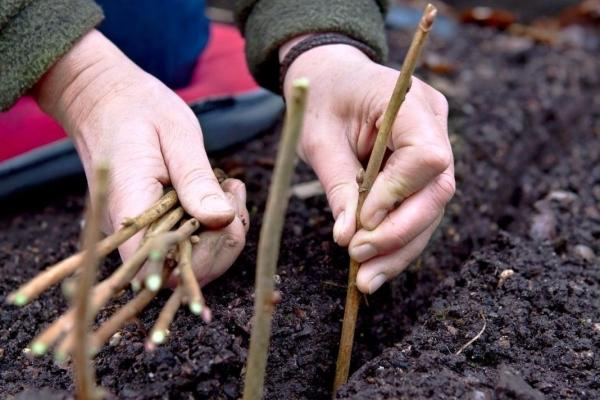
This method is used in the spring, when the soil has warmed up. To plant the cuttings, dig holes 5-10 cm deep and fill them with a nutrient mixture. To prepare the mixture, mix humus with river sand. The seedlings are placed at a 45-degree angle and watered.
Transplanting seedlings into the ground
Once the cuttings have rooted, they need to be transplanted into open ground in their permanent growing location. Transplanting is typically done a year after rooting, which is sufficient time for the plant to develop well and bear fruit.
Selecting a site
Planting material should be placed in pre-prepared areas. The area should be in a sunny location and protected from drafts. Avoid allowing water to accumulate in the area, as this can lead to root rot.
Preparing the soil and planting hole
To ensure the planting material takes root, prepare a nutrient mixture. Mix equal parts humus and river sand, then add two parts soil. The holes should be spaced at least 1.5 meters apart.
Take a look Also

Timing and rules for planting sprouts
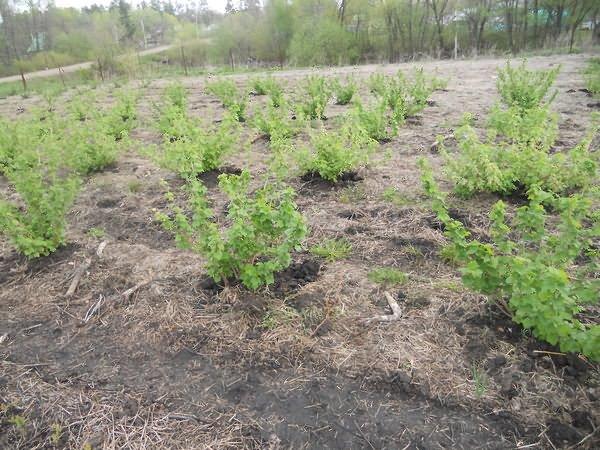
It is necessary to plant the planting material in early spring or summer, while providing the crop with proper care.
When replanting, the following rules must be observed:
- In early spring, seedlings need to be dug into the ground and covered to protect them from low temperatures.
- In July, the seedlings can be planted in their permanent location. Place the seedling in the hole and fill it with a nutrient mixture.
- In order for the bush to begin to develop intensively in the spring, it is necessary to dig in the shoots and plant them in open ground in a permanent growing location in August - early September.
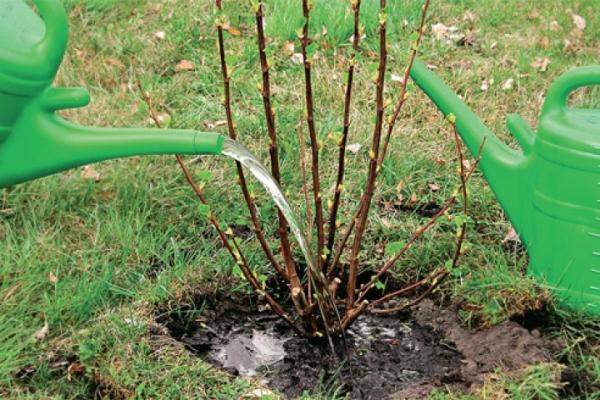
After the seedlings are planted in the ground, care must be taken. In regions with cold weather, the seedlings should be transplanted into a greenhouse, gradually acclimating them to temperature changes.
Further care
Proper care of seedlings is essential. After transplanting into open ground, the following guidelines should be observed:
- the sprouts are watered daily for the first 10 days;
- If the seedlings are in a greenhouse or hotbed, it is necessary to ventilate the beds daily;
- ensure that no weeds appear, which can serve as carriers of diseases;
- 20 days after planting, it is necessary to apply nitrogen fertilizers;
- Once the cuttings have rooted, reduce watering to once every 5 days. If inflorescences form, remove them.
- In autumn, it is necessary to insulate the seedlings and, if necessary, carry out sanitary pruning.
If the seedlings are grown in a greenhouse, they need to be transplanted into the open ground the following season. Once the seedlings are planted in the ground, they should be treated for pests and organic fertilizers should be applied.
Result
Propagating currants is straightforward. Gardeners prefer to propagate the plant themselves, as this preserves the plant's flavor and protects it from pests. Using cuttings will preserve the plant's flavor without affecting it.
Related posts:
 How to plant grapes step by step, with a description of the process and care
 When is the best time to plant currants to get a good harvest?
 How to propagate grapes in summer using green cuttings at home
 20 Best Blackcurrant Winter Preserves Recipes
 Step-by-step instructions and timing for replanting currants
 How to properly plant peas in a greenhouse and open ground
 How to propagate and grow peas, cultivation technology, and care in open ground
 Methods for planting and propagating cherries at home