
- The history of the selection of the Belarusian sweet currant
- Growing regions
- Main advantages and disadvantages
- Botanical information and characteristics of the variety
- Bush and root system
- Leaf blades
- Flowering and pollination
- Fruit ripening time
- Taste and yield
- Scope of application of berries
- Resistance to subzero temperatures and drought
- Immunity to diseases and pests
- How to plant a variety in a plot
- Deadlines
- Selecting and preparing a site
- Seedling preparation and work procedure
- Further care of currants
- Watering mode
- Loosening and mulching the soil
- Fertilization
- Pruning: formative, sanitary, rejuvenating
- Pouring and hardening of bushes
- Preventive seasonal treatments
- How to cover currants for the winter
- Methods of reproduction
- Tips and advice from experienced gardeners
- Reviews of the variety
The Belarusian sweet black currant variety is considered popular This plant produces good, large fruits with a pleasant flavor and distinct currant aroma. To achieve success in growing this crop, it is recommended to organize proper care. This should include timely fertilization, proper watering, pruning, and disease and pest prevention.
The history of the selection of the Belarusian sweet currant
This variety was developed in the late 20th century by breeders at the Belarusian Research Institute of Crops and Plants. The crop was derived from 2.4 D or 2.6 D hybrids. Before being introduced to the market, the crop underwent 10 years of research. In 1979, the plant was added to the State Register.
Growing regions
The plant was originally intended for cultivation in 10 regions of Russia. However, today it is successfully cultivated in 45 regions.
Main advantages and disadvantages
When choosing a crop, it's important to consider its advantages and disadvantages. Key advantages include the following:
- fruiting begins 2 years after planting;
- self-pollination of the plant;
- early harvest period;
- good yield;
- pleasant taste of berries;
- excellent transportability and long-term storage;
- versatility of purpose;
- frost resistance;
- drought resistance;
- the possibility of breeding in different ways;
- resistance to pests and diseases.
However, the plant also has certain disadvantages:
- uneven berry sizes;
- uneven ripening;
- risk of developing fungal diseases.
Botanical information and characteristics of the variety
Before planting, it's worth familiarizing yourself with the crop's basic characteristics. This will help you determine the need for cultivating this variety and select the appropriate care.
Bush and root system
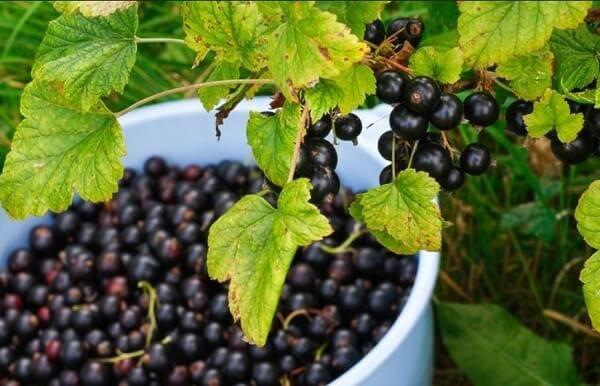
The bush is considered vigorous, reaching 1.2 meters in height. The shoot structure is considered moderately spreading, characterized by a rounded shape and straight shoots. Each year, the currant produces new basal shoots. These shoots begin branching after one year, and fruiting begins after three years.
Branches form the plant's skeleton. After eight years, it loses its productivity. Therefore, woody shoots are eventually pruned, and old shoots older than 15 years are replaced with new ones.
This blackcurrant variety is characterized by a shallow root system, located at a depth of 30 centimeters. However, a mature plant can extend its roots down to 2 meters.
Therefore, when planting, it is worth taking into account the location of groundwater.
Leaf blades
The plant is characterized by light green leaves with a trilobate structure. They are distinguished by a strong central lobe. The foliage has a matte, wrinkled surface and a wavy edge. The petioles are quite long and have a reddish-purple color.
Flowering and pollination
The flowers are a pale yellow-green hue. They are bell-shaped and have five oval petals. Blooming occurs sequentially, from the base to the tip of the raceme.
Self-fertility is 72%. This ensures excellent pollination and fruit set.
Fruit ripening time
The harvest ripens unevenly. The berries hang on the bushes for a long time, but fall off after a while. The plant has a medium ripening period. The first fruits are harvested in mid-July. The plant begins to bear fruit the following year after planting.
Taste and yield
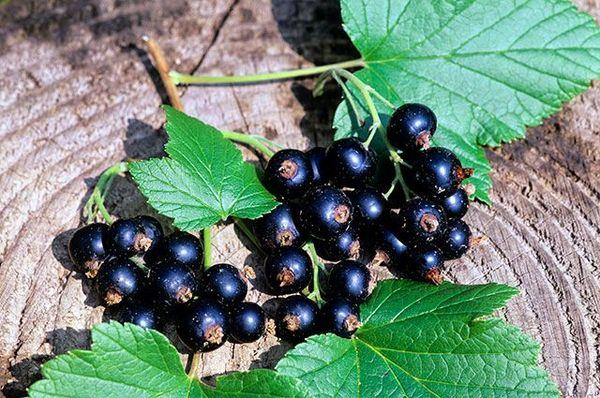
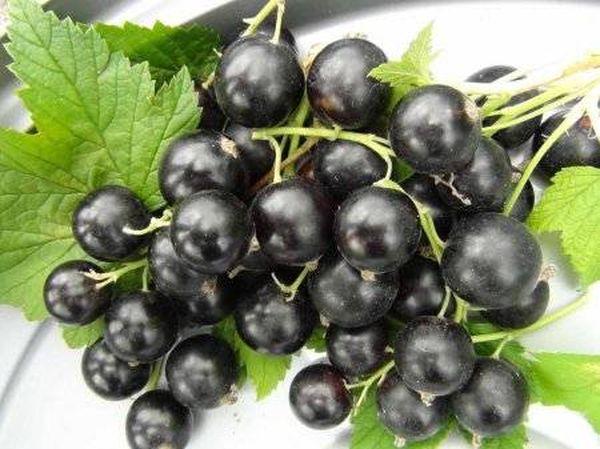
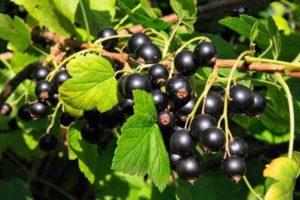
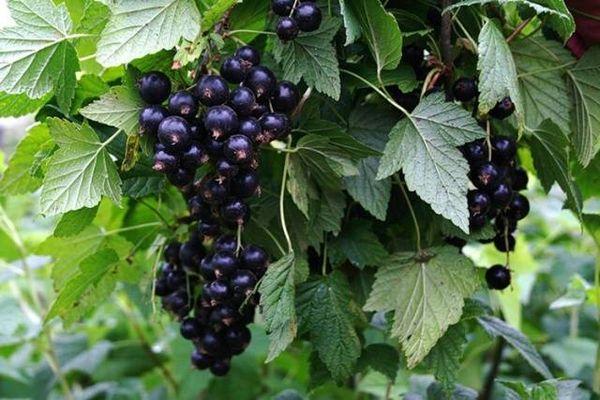
The fruits are round and have a distinct currant aroma. The skin is dense and shiny. Each berry weighs 1.6 grams. Currants are rich in vitamin C, which gives the fruits a distinct sweet and sour flavor.
A single bush can yield up to 5 kilograms of fruit. Yields increase over 4-5 years, then stabilize. Peak productivity is observed at 6-8 years.
Scope of application of berries
Currants are used in different ways:
- for treatment, multivitamin preparations and ointments with anti-inflammatory action are used;
- for decorative purposes – bushes are used, which can be part of the landscape design;
- as a honey plant – productivity rates are 30 kilograms per hectare;
- as a flavoring additive - currant leaves are used for preservation;
- as a dietary component – included in salads and other dishes;
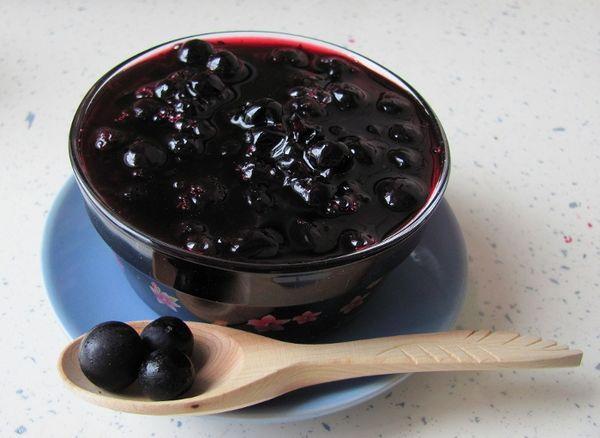
- as a raw material for the preparation of confectionery products - berries are used to make jelly, juices, compotes, syrups, and jams.
Resistance to subzero temperatures and drought
This variety can withstand short-term drought. Provided the root system is insulated, the bush will survive the winter quite well. However, spring frosts can damage the first flowers.
Immunity to diseases and pests
The crop is virtually immune to fungal infections, primarily powdery mildew and anthracnose. It also rarely encounters bud mites. Aphids are the main threat to the plant.
How to plant a variety in a plot
To achieve a bountiful harvest, currants require proper care. Planting techniques are also crucial.
Deadlines
It's recommended to plant the crop in early spring, before the sap begins to flow, or in the fall. Experienced gardeners prefer the latter option. The best time to do this is September or mid-October.
It's important to keep in mind that this currant variety must be planted immediately in its permanent location. Transplanting the crop negatively impacts its development and leads to a decrease in yield.
Selecting and preparing a site
When choosing a location, you should consider the following features:
Take a look Also
- the depth of groundwater must be at least 1 meter;
- a swampy area is not suitable for currants;
- It is better to plant the bush in an open area between trees - this will prevent the berries from baking.
Seedling preparation and work procedure
To ensure healthy currant growth, it's important to select the right planting material. It must meet the following requirements:
- seedlings aged 1-2 years have the best survival rate;
- bushes should not have any damaged areas, symptoms of disease or infestation by pests;
- the roots should have lignified fragments measuring 15-20 centimeters;
- The length of the shoots should be 30-40 centimeters.
To carry out planting work, you should perform the following steps:
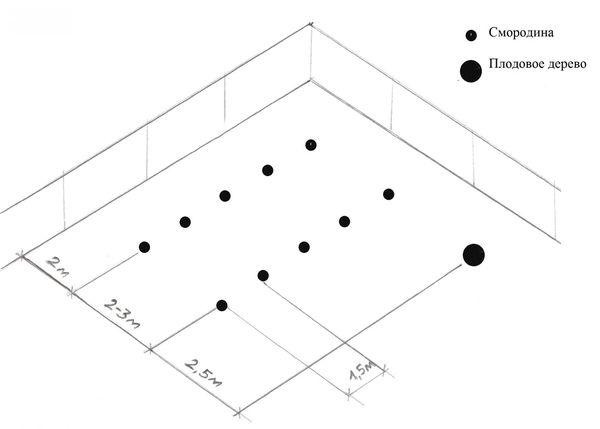
- Prepare pits measuring 50 x 50 x 50 centimeters. The distance between bushes should be at least 1.5 meters, and the distance between rows should be 2-2.5 meters.
- Lay a drainage layer of at least 10 centimeters.
- Fill the hole halfway with a nutrient mixture. It should consist of wood ash and rotted manure. Water the mixture to settle the soil.
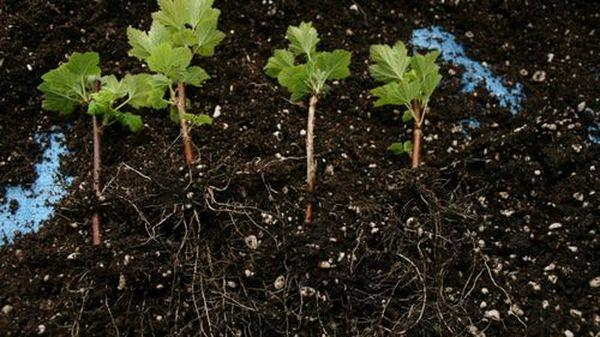
- Place the bush in the center of the hole and tilt it at a 45-degree angle. The root collar is deepened by 5 centimeters.
- Sprinkle with the remaining soil, compact it, and water. Mulch the bed to retain moisture.
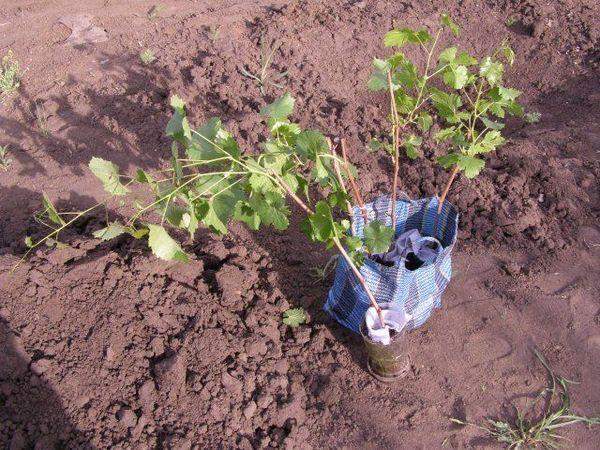
Then the seedlings should be pruned. Four to five buds are left on each. This will result in stronger shoots emerging from these.
Further care of currants
To achieve success in growing a crop, it's essential to provide it with comprehensive and high-quality care. This care must be comprehensive and include key elements.
Watering mode
After the snow melts, water the plants as needed. This is done when the soil becomes dry. However, it's important to avoid overwatering. Watering should be stopped a couple of weeks before harvest. Excess moisture can cause fruit to crack.
Loosening and mulching the soil
The soil beneath the bushes should be clean. If using a mulch layer, it should be renewed periodically.
Loosening the soil is essential. This procedure allows the roots to receive oxygen and nutrients.
To avoid damaging surface roots, loosening the soil should be carried out to a maximum depth of 5-7 centimeters.
Fertilization
During the flowering period, the bushes should be fertilized with nitrogenous substances. As the fruit ripens, use complex fertilizers. After harvesting, potassium- and phosphorus-based fertilizers should be used. Organic matter promotes crop development.
Pruning: formative, sanitary, rejuvenating
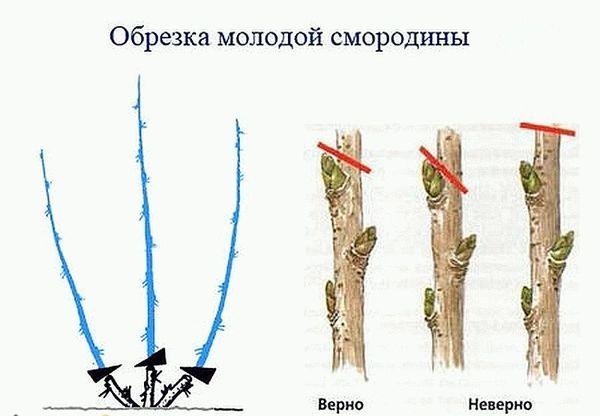
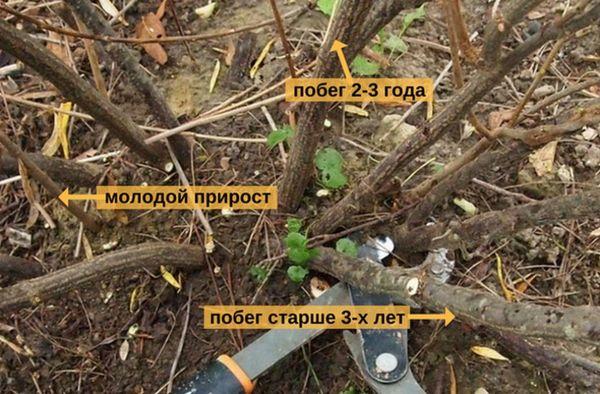
To ensure a good harvest, it's important to renew and thin out the bushes regularly. The first pruning is done when the plant is planted. The second pruning is done a year later. It's recommended to leave the four strongest shoots. By the third or fourth year, three to six of the strongest shoots should remain.
Take a look Also
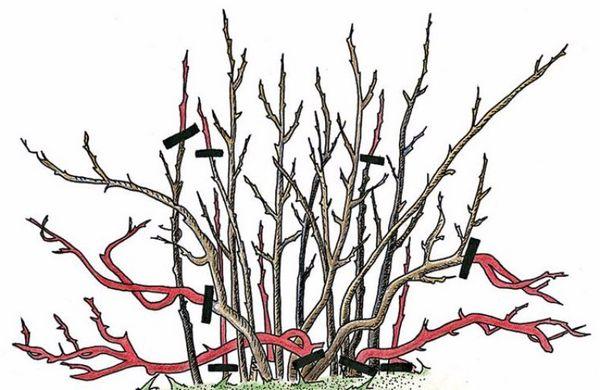
To achieve better branching, it is recommended to shorten the shoots. This procedure is performed after harvesting, with branches cut by a third.
Belarusian Sweet is considered a long-lived crop. The maximum yield is achieved by shoots aged six years. Therefore, pruning of this variety is carried out 2-3 years later. The exact timing depends on the condition of the bush.
Pouring and hardening of bushes
To combat parasites and pests that overwinter in the bark and soil beneath the bush, water the plants with warm water. The temperature should be around 60 degrees Celsius. This procedure is performed in the spring, before the buds open.
Preventive seasonal treatments
This variety is characterized by moderate resistance to fungal infections. Therefore, the plant requires preventative measures against such diseases. Even before flowering, the plant is treated with copper-containing fungicides. Repeat the treatment in wet weather.
To prevent the development of columnar rust, sedge should not be planted near currant bushes. This is where the pathogens that cause the disease overwinter.
How to cover currants for the winter
In the fall, before frost sets in, it's a good idea to protect the plant's root system. To do this, add a layer of humus or compost around the trunk.
Methods of reproduction
Currants can be propagated in the following ways:
- Cuttings. Shoots are harvested in early spring. Once roots appear, they are transplanted to a permanent site.
- Layering. To do this, bend the branch, secure it with a staple, and cover it with soil.
- By seeds. This is the longest method.
Tips and advice from experienced gardeners
To achieve results in growing the crop, it is worth following these rules:
- choose the right seedlings;
- carry out planting operations on time;
- establish a watering regime;
- apply fertilizers in a timely manner.
Reviews of the variety
Reviews of the culture confirm its popularity:
- Svetlana: "My bush of this variety is already 12 years old. It still bears fruit beautifully and produces large berries. However, the overripe berries fall off."
- Anna: "I love blackcurrants for their pleasant aroma. I grow several varieties in my garden. I like the Belarusian Sweet one the most. It's a high-yielding and easy-to-grow variety."
The Belarusian sweet currant is distinguished by its excellent yield and pleasant flavor. The fruits are versatile and can be eaten fresh or preserved.
Related posts:
 The best grape varieties for growing in the Urals, planting and care rules in summer
 Methods for planting and propagating cherries at home
 Growing and caring for hazelnuts in open ground, rules for planting hazelnuts
 The best methods for growing grapes from seeds at home
 Conditions for growing mandarin at home and rules for caring for the tree
 Description and cultivation of the 15 best cherry plum varieties for the Moscow region, planting and care rules
 Rules for planting and caring for pears in open ground, how to grow them correctly
 Description and rules for growing Solaris grapes