
- Types of rust that affect red and black currants
- Columnar
- Goblet-shaped
- Signs and causes of the disease
- What is dangerous for the bush and the harvest?
- How to fight the disease
- Chemicals
- Folk remedies
- Garlic peel tincture
- Horsetail decoction
- How to properly treat bushes
- Terms and duration of treatment
- Schematic instructions for spraying a bush
- Preventive measures against the spread of fungus
Almost all gardeners grow various varieties of currants. With minimal care, they yield a harvest of healthy and delicious berries, providing the body with essential vitamins. But sometimes, trouble occurs: currant rust appears. All gardeners should know how to combat it and whether the disease can be prevented.
Types of rust that affect red and black currants
Rust is a fungal disease that damages currant bushes. It most often appears on them due to the presence of conifers planted nearby.
Columnar
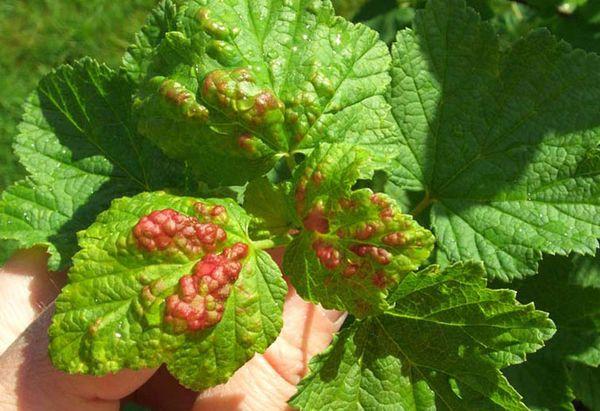
This type of rust is characterized by affecting the upper surface of the leaf blade. Its outer surface is covered with yellow spots, while the inner surface is covered with numerous orange dots. These dots contain fungal spores. Peak incidence occurs in July and August.
Goblet-shaped
Goblet rust on currants differs from the previous type in that it attacks the surface of the bush's bark, forming reddish spots. These spots harbor the spores of the dangerous fungus, which are carried by wind or insects, infecting neighboring plants. The disease peaks in May and early June.
Signs and causes of the disease
Rusty spots appear on currants due to the negative effects of a fungus that is activated in damp and warm weather. During drought conditions, signs of the disease rarely appear on leaves and stems. Plants growing in low-lying areas and densely populated areas are most susceptible to the disease. Rusty spots on currants can also appear for the following reasons:
- leaf aphid infestation;
- spider mite infestation;
- damage by currant gall midge.
Take a look Also
If any of the above pests appear on a shrub, fungal diseases will eventually develop. These insects not only carry fungal spores on their paws but also weaken the plants. Furthermore, the symptoms of pest infestations and rust are very similar, so a novice gardener may not immediately recognize the true cause.
What is dangerous for the bush and the harvest?
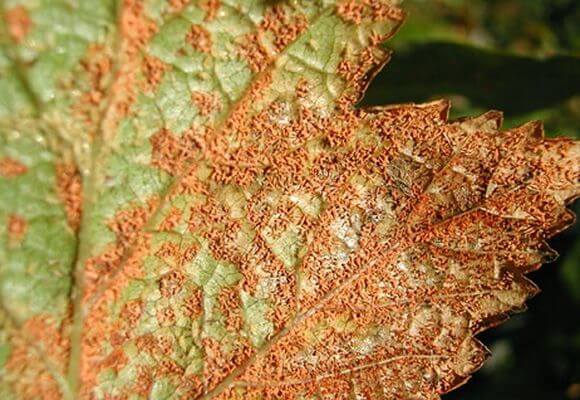
Rust is a dangerous fungal disease. If left untreated, it can completely destroy a currant bush. By the end of summer, the lower part of the foliage will be completely covered in spots, which will increase in size over time.
The diseased bush changes its appearance. Its foliage becomes stiff and slightly terry. The berries also develop an orange bloom.
Such a harvest cannot be eaten. After this, the fruits dry up, fall to the ground, and the plant itself becomes greatly weakened and often does not survive the winter.
How to fight the disease
To treat and prevent rust on currants, not only chemicals but also folk remedies and biological preparations are used. The need for their use depends on the extent of the damage to the bush.
Chemicals
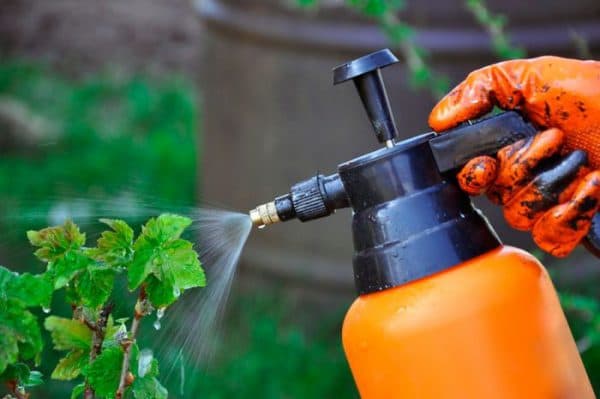
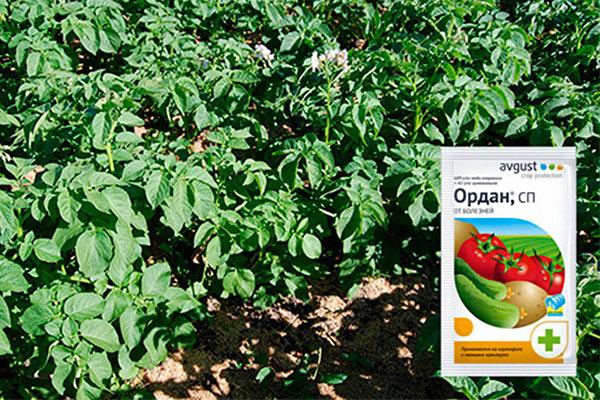
To combat rust on currant bushes, it's advisable to treat them with Fitosporin-M. It's designed to treat 30 types of fungi. It can be used not only during flowering but also at the beginning of fruiting. The following chemicals have also proven effective in combating rust:
- "Strobie";
- copper oxychloride;
- Vectra;
- "Topaz";
- "Oxychom";
- "Ordan";
- Bayleton.
Folk remedies
At the initial stage of damage or for rust prevention purposes, it is advisable to use folk remedies. As a rule, they are absolutely harmless, accessible and easy to use.
Garlic peel tincture
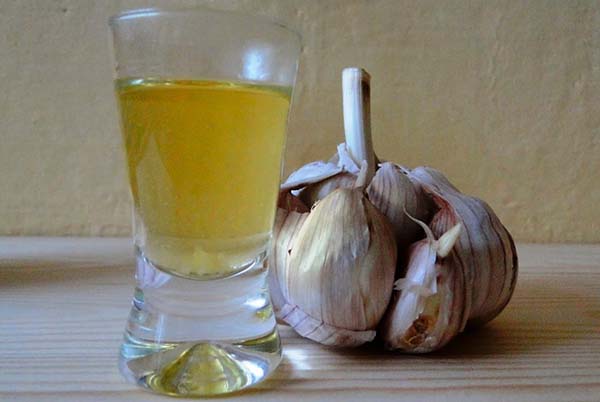
To prepare the infusion, take a bucket of warm water and add 150 grams of garlic peel. Place the container in a warm place for 24 hours, then strain and spray the currants with it. Apply the infusion only in dry weather. In addition to rust, this remedy also helps eliminate insect pests that infest the bushes. Its advantage is that it's environmentally friendly and completely safe for both humans and the environment.
Horsetail decoction
To prepare the decoction, you will need 10 liters of water and 1 kg of fresh or 100 g of dried horsetail. Let the mixture steep for 24 hours, then bring to a boil and simmer for a couple of hours over low heat. Strain the mixture and let it cool, then dilute it with water in a 1:5 ratio. The decoction retains its properties for a week, and currants are treated regularly starting in the spring until summer.
How to properly treat bushes
To save shrubs, it is important not only to choose a good means of combating fungal diseases, but also to know how to carry out the work correctly.
Terms and duration of treatment
The duration of treatment and the timing of the work directly depend on the chosen product and the severity of the currant infestation. If the bush is already infected, it should be treated for the first time before flowering, that is, as soon as the buds begin to open.
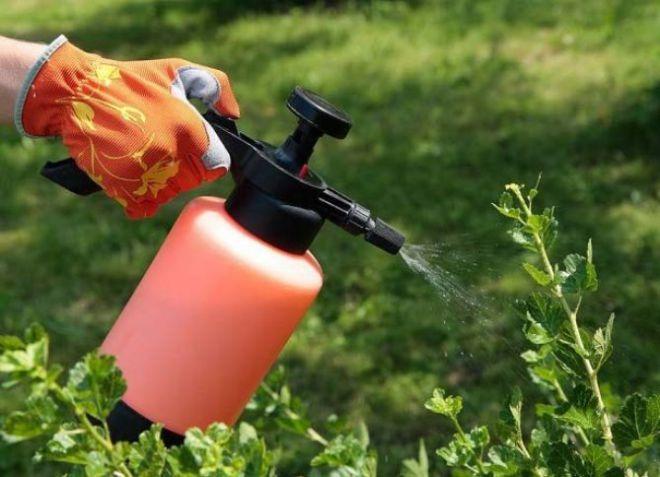
The second treatment is carried out during the formation of buds, and the third - after flowering is complete. In cases of severe damage, it is sometimes necessary to treat the bushes again, 10 days after the third spraying.
Schematic instructions for spraying a bush
The specific treatment regimen for currants depends on the chosen product. If an onion peel infusion and garlic solution are chosen for prevention and treatment, the plants are sprayed first with the garlic solution, followed by the onion infusion.
Bordeaux mixture and copper oxychloride are used three times per season with an interval of 1 month.
Chemical preparations such as Strobi, Topaz, Vectra and others are applied twice per season with an interval of 10 days.
Preventive measures against the spread of fungus
Preventative measures to prevent rust on currants are divided into mechanical and chemical. Mechanical measures involve treating the plant with hot water. This procedure not only helps kill pests but also boosts the bush's immunity. In the fall, all dry shoots should be trimmed. If a thick branch must be removed, the cut should be treated with garden pitch. The soil around the trunk is dug up, and the removed foliage is burned.
Chemical preventative measures include treating currants with Nitrofen or Fundazol. These treatments are performed in March. Spraying with Bordeaux mixture, recommended before flowering, has also proven effective.
Related posts:
 20 Best Blackcurrant Winter Preserves Recipes
 Description and rules for growing black currant variety Veloy
 The health benefits and contraindications of white currants
 Characteristics and descriptions of the 40 best red currant varieties
 When is the best time to plant currants to get a good harvest?
 Why and what to do if blackcurrant leaves turn yellow
 TOP 10 recipes for red, black, and white currant sauce and ketchup for the winter, and how to store your preparations
 The health benefits and contraindications of black currants
Has anyone had any positive experiences with getting rid of aphids on blackcurrants? Are there any effective folk remedies? My yield is declining, and the bushes are dying.