
- History of the variety
- Pros and cons of Green Haze currants
- Characteristics and description
- Bush
- Flowering and fruiting
- Tasting evaluation and scope of application of fruits
- Resistance to sub-zero temperatures
- Immunity to diseases and pests
- Landing specifics
- Preparing the site and seedlings
- Predecessors and best neighbors of berry crops
- Timing and technological process of planting a sprout
- How to care for Green Haze
- Watering and timely fertilizing
- Loosening and mulching the soil
- Formative pruning
- Preventive treatments
- Do I need to cover it for the winter?
- Possible fruiting problems
- Gardeners' reviews
Breeders have developed numerous varieties of black currant. Gardeners love to plant them in their gardens for their tasty and healthy berries. The currant known as Green Haze is particularly popular for its low-maintenance nature and sweet, aromatic berries. Below is information about the history of this plant, its pros and cons, planting and care requirements, and gardener reviews.
History of the variety
Green Haze was created by crossing two varieties: Shmyrev and Karelskaya. The breeding work was carried out by specialists K.D. Sergeev and T.S. Zvyagin.
In 2004, the variety was added to the Russian state register. Since then, gardeners in various regions have been planting this currant.
Pros and cons of Green Haze currants
The advantages of the variety include the following qualities:
- large-fruited;
- early ripening;
- abundant fruiting;
- winter hardiness;
- good immunity;
- drought resistance.
Disadvantages include the crop's susceptibility to attack by kidney mites.
Characteristics and description
Green Haze is a mid-season currant with high yields.
Bush
The shoots of this spreading shrub reach 1 meter. Initially bright green, they turn gray-yellow with age. The leaves are large and five-lobed.
Flowering and fruiting
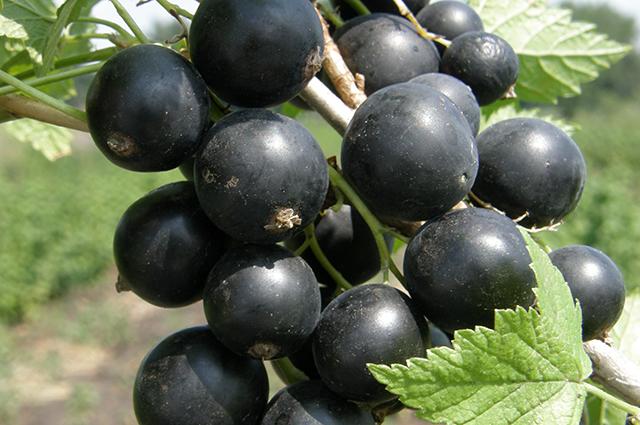
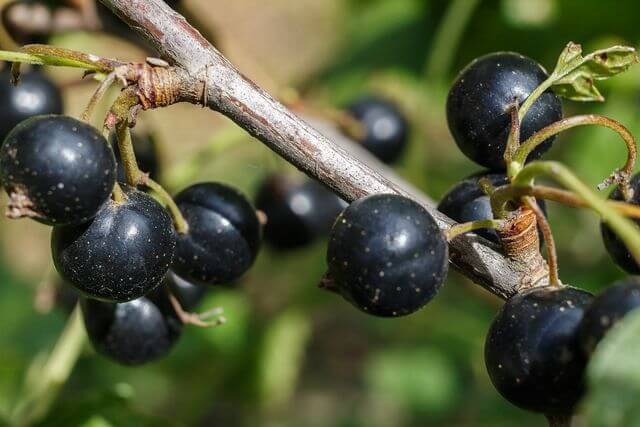
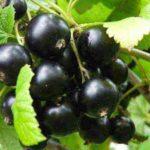
Green Haze begins blooming in May. The round, thin-skinned berries are black. The bush begins bearing fruit in the second year after planting. With proper care, a gardener can harvest about 4 kilograms of fruit from a single bush.
Tasting evaluation and scope of application of fruits
Ripe currants are aromatic, sweet, and slightly tart. These tasty and healthy fruits are eaten fresh, dried, and frozen. They are also used to make compotes, jams, and preserves.
Resistance to sub-zero temperatures
This variety can withstand temperatures down to -20°C. If covered for the winter, the currants will easily survive temperatures down to -45°C. Thanks to its resistance to severe frosts, this variety is adapted for cultivation in the Urals and Siberia.
Immunity to diseases and pests
Green Haze is resistant to most harmful insects and diseases. The only pest to which the variety lacks immunity is the bud mite, which causes losses of about 20% of the currant harvest.
Landing specifics
Currant bushes are planted at intervals of at least 1 meter from each other.
Preparing the site and seedlings
Choose a sunny, wind-protected location for Green Haze. To protect the bushes from drafts, they can be planted along a fence facing southwest. The preferred soil is loam enriched with compost.
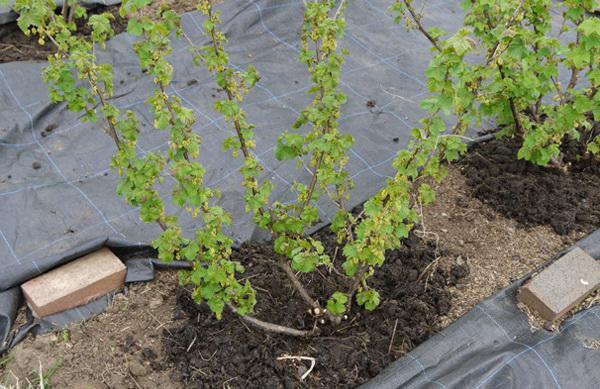
The area is cleared of debris and dug over. Fertilizer can be applied six months before planting the currants. Select a seedling with a healthy root system. If the roots have dried out during transportation, soak them in a container of water for an hour.
Predecessors and best neighbors of berry crops
When planting, it's important to maintain crop rotation and avoid planting currants after other varieties, including gooseberries. Growing related plants in the same spot can cause toxins to accumulate in the soil, weakening the seedlings. The best predecessors are grain crops used as green manure. Honeysuckle, jostaberries, apple trees, and strawberries can be planted next to Green Haze.
Timing and technological process of planting a sprout
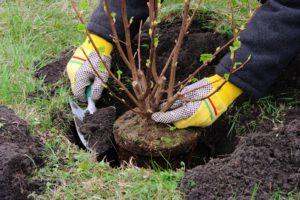
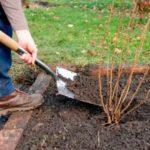
Gardeners plant black currants in both spring and fall. The planting procedure is as follows:
- a hole 50 centimeters deep and wide is dug;
- moistened generously with water;
- the planting is positioned at an angle of 45°, the root system is straightened;
- The seedling is covered with soil, lightly compacted, and watered.
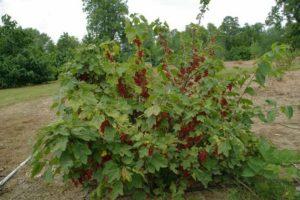
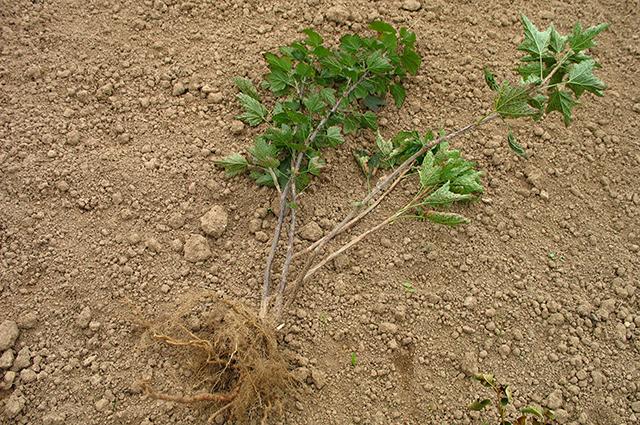 Please note! The root collar should be buried no more than 10-12 centimeters deep.
How to care for Green Haze
Caring for the planting consists of watering, fertilizing, loosening and mulching the soil.
Watering and timely fertilizing
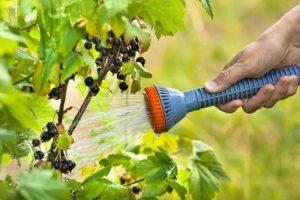
Currants are moisture-loving plants. If rainfall is insufficient, the bushes require additional watering. Since the plants are planted in fertilized soil, fertilizing begins in the third year after planting. Fertilize with nitrogen in the spring, and with a complex fertilizer in the summer and fall.
Loosening and mulching the soil
After watering, loosen the soil to prevent crusting, which will restrict air flow to the root system. To conserve moisture, apply mulch around the roots.
Formative pruning
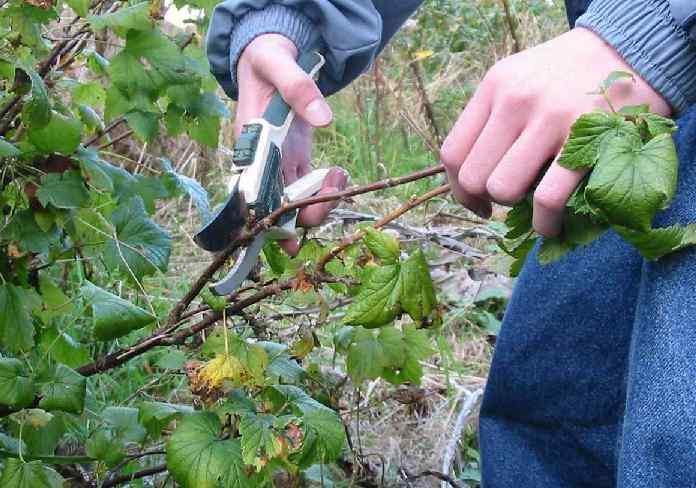
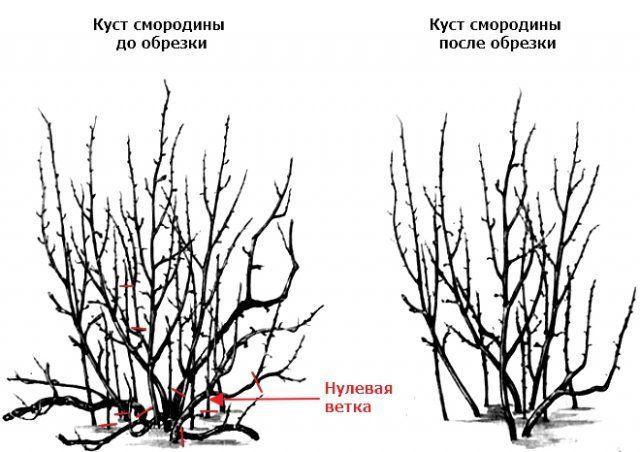
Removing excess branches promotes fruiting by allowing air and sunlight into the bush. The first pruning is done at planting: shoots are trimmed back to 2-3 buds. This will ensure a well-branched bush next year. Branches that are five years old are pruned completely, as they produce few berries.
Preventive treatments
To prevent diseases and pests, the bushes are sprayed with insecticides and fungicides in early spring. When the leaves and buds begin to emerge, the currants are inspected and, if necessary, sprayed again. It's important to remember that this procedure is performed before the plants bloom.
Do I need to cover it for the winter?
Although Green Haze is a winter-hardy variety, in northern regions currants need to be covered. Burlap or special film are used for this. Before the onset of frost, the bushes are earthed up to a height of 15-20 centimeters.
Possible fruiting problems
The following errors in planting and care can negatively affect the yield of currants:
- planting bushes at a distance of less than 1 meter;
- insufficient watering;
- ignoring the pruning procedure;
- insufficient fertilization.
By correcting the mistakes, the gardener will reap a bountiful harvest of currants from the bushes.
Gardeners' reviews
Farmers describe Green Haze as an easy-to-care-for variety that produces a bountiful harvest of tasty and healthy berries.
Take a look Also
Larisa Vasilievna, 37 years old, Moscow region
I grow three Green Haze bushes. The berries are aromatic, with a muscat flavor. I make currant compote, freeze it, and puree it with sugar. Whenever I start to get sick, I drink vitamin teas, and the cold is gone.
Petr Ivanovich, 60 years old, Astrakhan region
I'm retired, so I have time to tend to my plants. I water the currants, feed them, and trim back old branches. I pick a lot of berries and sell the surplus at the market. I'm happy with the variety and recommend it to everyone.
Ekaterina, 40 years old, Belgorod
I planted a two-year-old currant in the spring, and the currants yielded a crop in the very first year. They don't cause me any particular problems, but I always spray them with mite repellent in the spring. The treatments are effective; Green Haze hasn't been attacked by any pests yet.
Related posts:
 20 Best Blackcurrant Winter Preserves Recipes
 Description and rules for growing black currant variety Veloy
 Characteristics and descriptions of the 40 best red currant varieties
 When is the best time to plant currants to get a good harvest?
 Description of green currant varieties, planting and care features
 Description and characteristics of the Pigmey currant variety, planting and care nuances
 TOP 10 recipes for red, black, and white currant sauce and ketchup for the winter, and how to store your preparations
 Description of the Natalie red currant variety, planting and care nuances