
- The history of selection and growing areas of the Natalie variety
- Characteristics of the red-fruited variety
- Bush
- Flowering and fruiting
- Taste and use of fruits
- Resistance to low temperatures and diseases
- Necessary conditions for growth and fruiting
- Climate indicators
- Illumination of the area
- Suitable soil composition
- Predecessors and neighbors
- Methods of planting and propagation
- Seeds
- By dividing the bush
- Cuttings and layering
- Specifics of growing currants
- Selecting healthy planting material
- Preparing the site and planting hole
- Timing and rules for planting a bush
- Watering
- Top dressing
- Trimming
- Protection from diseases and pests
- Gardeners' reviews
Along with blackcurrants, redcurrants have become a popular crop in many gardens. Thanks to their abundant harvest, low maintenance, and ease of care, Natalie redcurrants are very popular. The berries are rich in vitamins, minerals (copper, iron, zinc), pectin, tannins, and organic acids. Regular consumption of currants improves gastrointestinal function, prevents cardiovascular disease, and reduces swelling.
The history of selection and growing areas of the Natalie variety
The variety was developed through interspecific crossing at the All-Russian Selection and Technological Institute of Horticulture and Nursery. The originators are believed to be breeders N. Smolyaninova and V. Litvinova. In 1991, this mid-season variety was registered in the State Register of Breeding Achievements.
Natalie currant is recommended for cultivation in home gardens and farms throughout virtually all of the Russian Federation. It is not recommended for cultivation in the Lower Volga, Northern, and Far Eastern districts.
Characteristics of the red-fruited variety
Natalie currants are loved for their high yield, delicious berries, and increased resistance to pests and diseases. They have a medium ripening period, bearing fruit in mid-July.
Bush
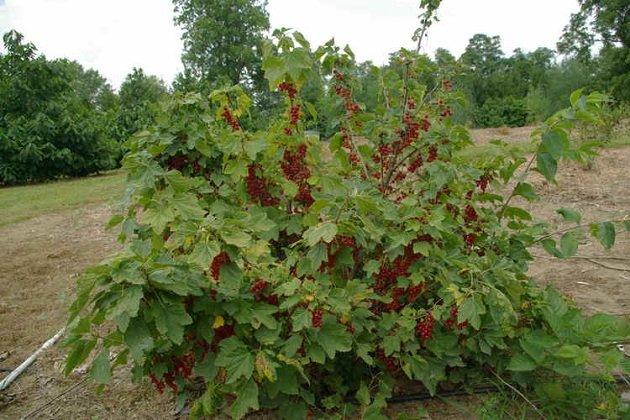
The shrub reaches 1.5 m in height, with 15 to 20 shoots. The trunks and branches are gray-brown, with young shoots having crimson tips. The leaves are matte, medium-sized, and bright green.

Natalie's bush is characterized by its dense and compact growth—the branches grow strictly vertically during the first few years, but after four years, the foliage becomes more spreading. The plant has a strong, developed root system, with roots that reach deep into the soil. This allows the plant to survive for long periods without water.
Flowering and fruiting
The petioles are medium-sized, with small, five-lobed leaves. The dark green, matte leaves are framed by large, sharp, wavy teeth. The flowers are cup-shaped, the sepals are brownish-red, and the raceme is dense and long.
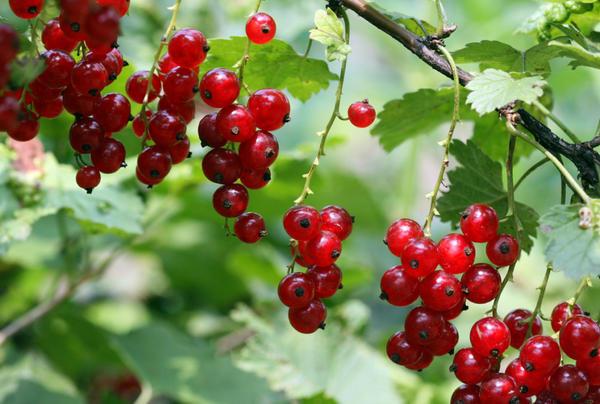
Ripening of red currant fruits Natalie ripens in the second half of July. A mature bush yields 4-4.5 kg of Natalie currants with a tart, sweet-and-sour flavor. The stems are easily separated, making harvesting easy. The plant is easy to transport.
Taste and use of fruits
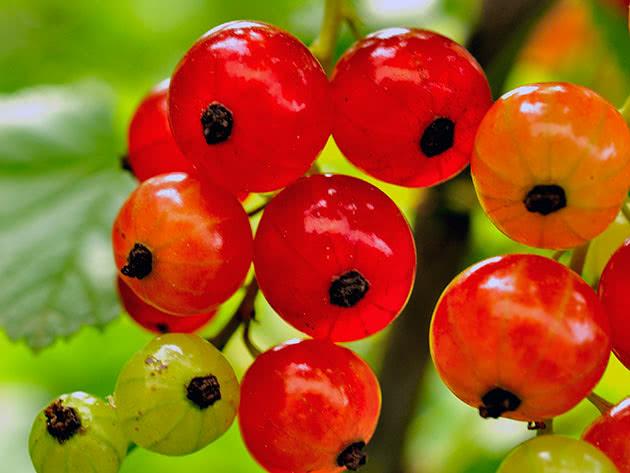
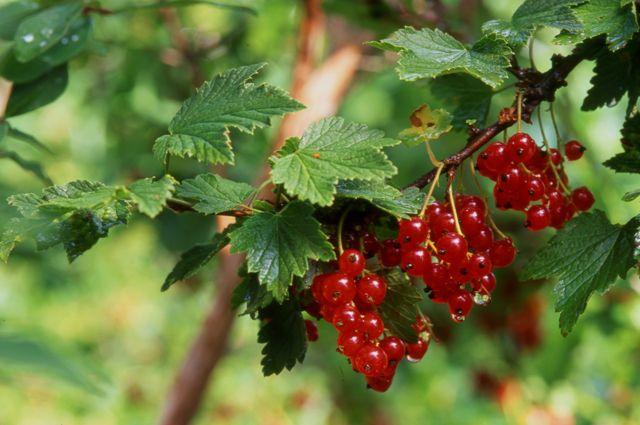
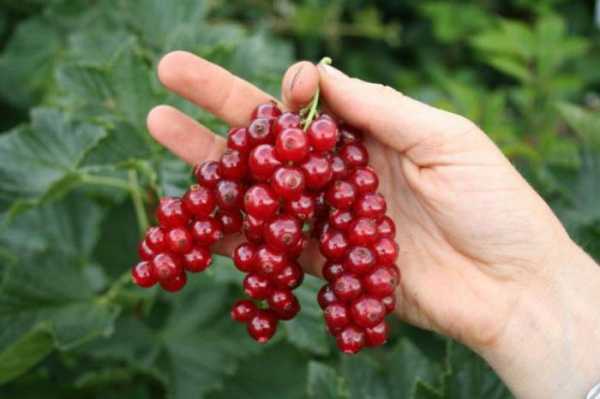
Natalie's fruits are bright red, round in shape, with small seeds and firm skin. Each berry weighs 0.6-1.0 g. The fruits have a good taste, a pleasant aroma, and are rich in sugar and ascorbic acid. In a tasting evaluation, Natalie currants earned a 4 out of 5 stars.
Take a look Also
The Natalie variety is self-fertile and produces a stable annual harvest. The berries are versatile and can be cooked, dried, and frozen. Currants can be used to make jam, preserves, juice, fruit drink, and compote.
Resistance to low temperatures and diseases
The developed root system of the red Natalie allows the shrub to tolerate heat well and go without water for 4 weeks. If left unwatered for a long time, the fruit's flavor will deteriorate. Watering every two weeks is recommended. This currant variety is highly resistant to frost and temperature fluctuations.
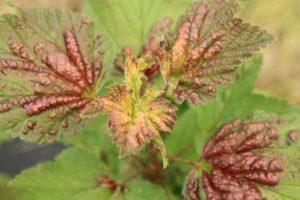
Natalie currants are resistant to various diseases and pests. If the planting site is poorly selected and cultivation practices are not followed, the plant's immune system is weakened. This increases the risk of fungal infections such as:
- Powdery mildew infects currants and the soil around the trunk. The infection quickly spreads to neighboring plants. Powdery mildew is controlled with fungicides. As a preventative measure, make an ash solution and spray it on the branches.
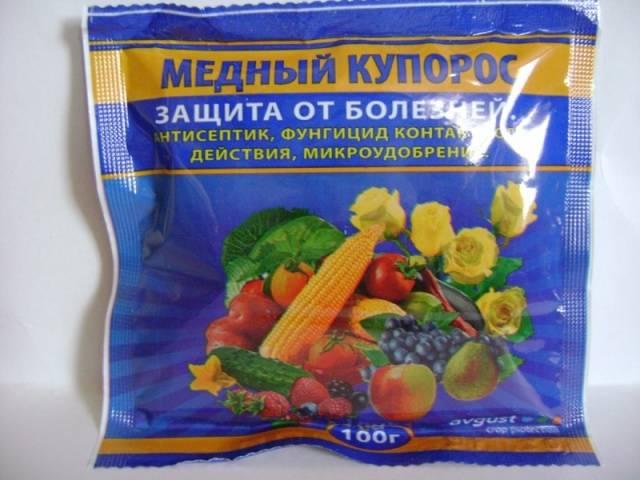
- Anthracnose occurs due to excess moisture. Bordeaux mixture and copper sulfate are used to combat the disease. Preventive measures include moderate watering, pruning of shoots, burning of fallen leaves, and weeding.
- Septoria leaf spot is a devastating disease that can destroy up to 97% of the harvest. Shrubs are treated with systemic fungicides. It's important to promptly remove young shoots, weed, and cover the area around the trunk with organic mulch.
Natalie's red currant is often attacked by pests such as leaf aphids, gooseberry sawflies, and currant glassworms. These insects can be controlled with insecticides. Gardeners recommend spraying infested areas with Fitoverm, Agravertin, and Iskra DE.
Necessary conditions for growth and fruiting
Natalie red currant is characterized by its undemanding growing conditions. Currant bushes prefer a well-lit and sunny location; the right location is the key to a bountiful harvest. Before planting, it's important to prepare the site and seedlings.
Climate indicators
The berry thrives in a temperate climate, with the main requirement being timely watering and avoiding waterlogging. Growing Natalie currants in the northern and eastern regions of the country is ineffective – the berry doesn't thrive, is susceptible to infection, and yields are meager.
Illumination of the area
The planting site should be well-lit and sun-warmed, but not exposed to strong winds. In dark areas, the shrub grows poorly, produces a poor harvest, and is more susceptible to infection.
Suitable soil composition
Natalie red currant thrives in any fertile soil. The plant thrives in well-fertilized, fertile, moisture-retentive, clayey, and sandy loam soils. Such soils are rich in beneficial microorganisms (bacteria and fungi), which allow the currant to absorb many minerals from the soil. Planting the berry in highly acidic, dry, or alkaline soils is strictly avoided.
Predecessors and neighbors
Cereal crops are considered good predecessors for Natalie, but it is not advisable to plant the berry in a place where another currant variety or gooseberry was grown.
Gardeners consider raspberries, cherries, gooseberries, and other berries to be poor neighbors for red currants. The plant will thrive with neighboring crops such as hops, onions, geraniums, strawberries, garlic, calendula, jostaberries, apple trees, honeysuckle, basil, mint, and lemon balm.
Take a look Also
Methods of planting and propagation
Planting red currants Natalie is propagated in three main ways: by seeds, cuttings, and division of the bush.
Seeds
Grow berries Natalie currants from seeds It's not difficult. Select high-quality fruits, dry them, and sow them in boxes in the spring. Water them, cover them with plastic, and place them in a heated area. When cold weather sets in, remove the plastic and place the plant in full sun. Once the seedlings have grown, transplant them into pots, and when the weather warms up, plant them in open ground.
By dividing the bush
The plant is divided into bushes when moving the plantation to another site. The bush is dug up, the roots are separated, young shoots with a healthy root system are selected, and they are replanted. This procedure is performed in late October or late March.
Cuttings and layering
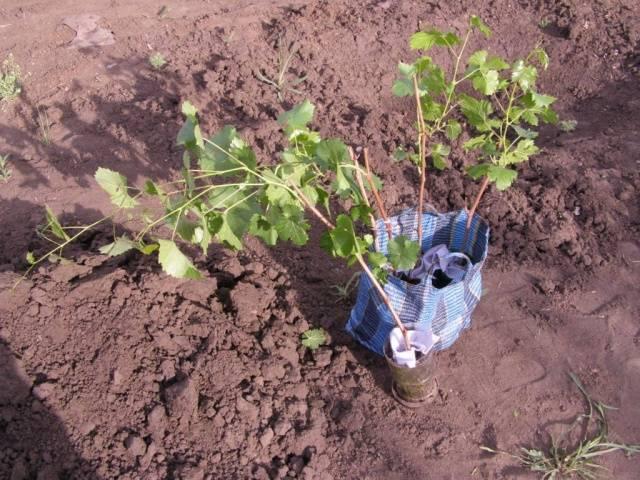
Cuttings are taken in early April using one-year-old shoots. For cuttings, use the middle, most productive part of the shoots, which should be 15-20 cm long. The planting material is cut with sharp pruning shears at a precise angle. For soil rooting, the seedlings are stored in a refrigerator, wrapped in a damp cloth and a bag.
Layering is used to produce small numbers of seedlings. Most often, one-year-old root shoots, bent toward the ground, are used as layering.
They should be placed in a shallow trench, covered with soil, and periodically hilled. In the fall, the cuttings are separated from the parent plant and transplanted to a new location.
Specifics of growing currants
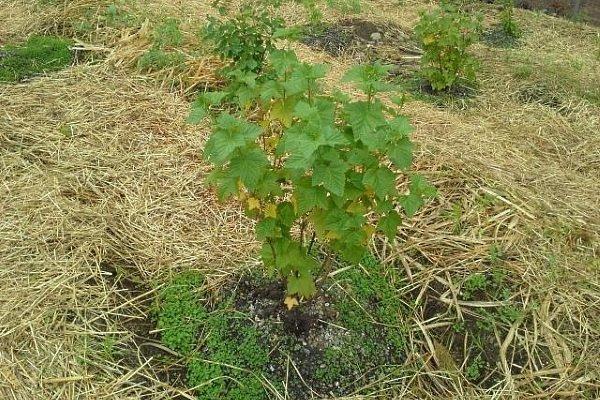
The soil for Natalie's planting is pre-fertilized and, if highly acidic, limed. The soil should not be excessively dry. For successful establishment, the site should be sunny and at a moderate elevation.
Selecting healthy planting material
When purchasing seedlings, it's important to inspect the planting material. Healthy seedlings have the following characteristics:
- they are strong, grown, straight, 37-40 cm long;
- the buds are already formed;
- the leaves should not have any spots or damage;
- The roots are coarse and yellowish in color. The lateral root system is distinguished by the presence of developed fibrous systems, without a main root, but with an adventitious root.
The best places to purchase seedlings are considered to be specialized stores, reputable nurseries, or experienced landowners.
Preparing the site and planting hole
The planting site is cleared of weeds, the soil is dug over, and loosened. The planting hole should be 38-40 cm deep and 55-60 cm wide. It is important to maintain a distance of 1.5 m between shrubs.
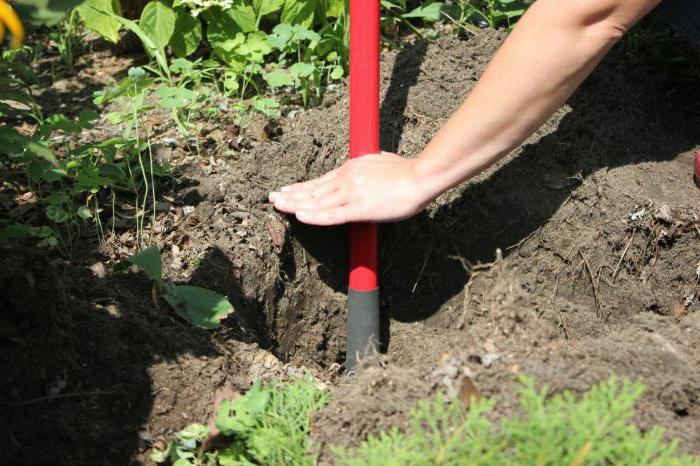
Mineral and organic fertilizers are added to the holes: humus, superphosphate, potassium sulfate, and wood ash. After thoroughly mixing the fertilizer, the hole is watered, and the plant is planted.
Timing and rules for planting a bush
There are no strict rules for planting currant bushes; they can be planted throughout the growing season. Natalie red currants are planted according to the following scheme:
- the seedling is lowered into the hole, distributing the roots evenly;
- The seedling should be planted at a slight angle - this will speed up the development of roots and buds;
- the hole is half filled with soil and 5 liters of water are added;
- fill the hole with soil and compact it lightly.
You can prevent moisture evaporation from the soil by mulching with manure, sawdust, straw, or dry grass.
Watering
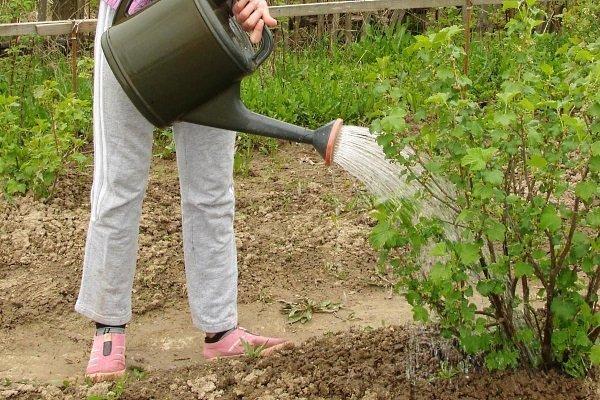
The first irrigation is carried out after planting the Natalie currant. Watering is necessary throughout the summer. Water twice a day, using one bucket of water several times a week. During the formation and growth of the berries, watering should be daily. Water shortages can lead to yield losses.
Top dressing
Bushes are fed with nitrogen fertilizers in the 2nd-3rd year. When digging the soil in the fall, it is necessary to fertilize it with mineral mixtures containing potassium and phosphorus. This will support weakened currant bushes and prepare them for winter.
Trimming
Trimming the foliage and shoots of the Natalie red currant is done a few years after planting. The plant undergoes routine pruning in early spring. Sanitary pruning can be performed throughout the spring and summer. All infected and diseased shoots are removed and burned.
Protection from diseases and pests
To protect the plant from anthracnose, stripe mosaic, and powdery mildew, you can use colloidal sulfur, Bordeaux mixture, Nitrofen, and copper sulfate. The Natalie red currant is most susceptible to these diseases during rainy summer periods. During drought, the risk of fungal infection is minimal.
Gardeners' reviews
Lyudmila, 39 years old, Penza
My husband and I decided to plant the Natalie red currant, which he loves. We purchased the Natalie variety from a nursery and planted it following all the specialist's instructions. The currants took root with flying colors, and we harvested our first crop in the second year. The berries are juicy and sweet, perfect for compotes, jams, and fruit drinks.
Ella, 50 years old, Tula
I've been growing Natalie currants for several years now, and I'm pleased with the quality of the harvest. The berries are large and transport well. I'm also pleased with their high resistance to various diseases.
Leonid, 64 years old, Bryansk
I've always loved currants, so I planted two Natalie red currant bushes at my dacha. I mulch the bushes, keep them insulated for the winter, and try to remove weeds regularly and feed the plants. The berries respond with a delicious and abundant harvest.
Related posts:
 Characteristics and descriptions of the 40 best red currant varieties
 Red currant health benefits, properties, and contraindications
 TOP 10 recipes for red, black, and white currant sauce and ketchup for the winter, and how to store your preparations
 12 Best Recipes for Making Red Currant Jam in Five Minutes for the Winter
 20 Best Blackcurrant Winter Preserves Recipes
 Description of the red currant variety Sakharnaya, features of planting and care
 Characteristics and description of the red currant variety Jonker Van Tets
 15 Best Redcurrant Jam and Jelly Recipes for the Winter