
Many gardeners wonder why blackcurrant leaves are drying out and what to do about it. Experts recommend first identifying the root cause of the problem. Dry leaves or shoots may be due to improper care, disease, or pest infestations. To combat the problem, it's important to water the plant regularly, apply fertilizer correctly, and treat for pests.
The main reasons for the drying out of black and red currants
There are many reasons why currant bushes die. If a bush is dying, it's important to take action promptly.
Unfavorable climatic conditions
If your currant bushes have dried out, you might suspect climate factors are to blame. The plant often suffers in hot and dry weather, with young bushes especially susceptible. If the plant is taking a long time to establish itself, increase the amount of water.
Water the plant in the evening, when the scorching sun sets. Avoid using water from a well or borehole. The liquid is too cold and will harm the plant's roots. It's best to let the water sit in the sun to warm it up.
It's recommended to water the plant generously. At least 1.5 buckets of water should be poured under the bush. This is especially important during the ripening period.
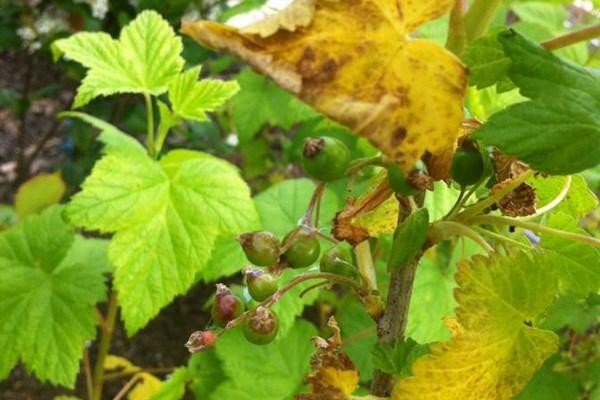
Currants can also dry out due to excessive rainfall. In this case, it's a good idea to add soil under the bush. It's recommended to create drainage ditches at least 60 centimeters around the plant. This will help prevent water stagnation near the currants.
Moisture deficiency
July and August can be extremely hot. It's no surprise that currants dry out in this situation. Therefore, the plant requires ample watering. It's recommended to water it in the evening, using settled water.
Diseases
A common cause of problems is the development of various diseases, which cause the plant's leaves to dry out.
Tuberculosis
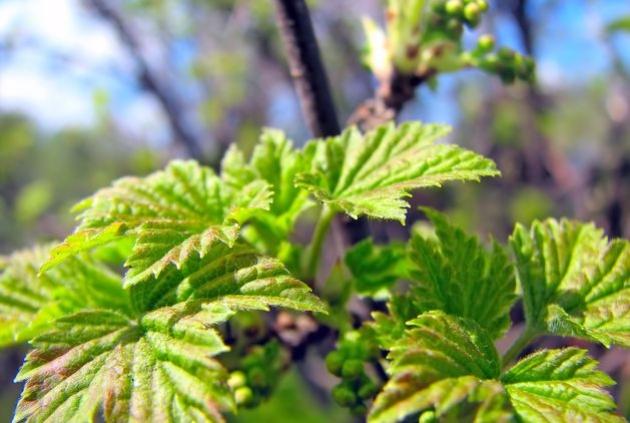
If a currant bush has dried out, you may suspect an infectious disease. Black currants are most often affected by tuberculosis. The disease typically develops during the flowering period. The underside of the leaves becomes covered with red bumps. By August, all the currants dry up.

The abnormal process begins in the upper parts of the branches, where they become covered with dark bumps. Gradually, the entire tree is affected. In this case, dry and infected branches should be removed. After harvesting, the bush should be treated with products such as Homecin or Topsin M. Captanol can also be used.
Anthracnose
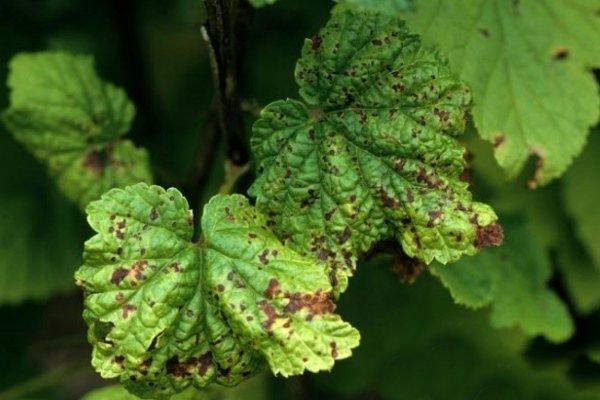
This disease typically appears in mid-summer. It can be identified by 1-millimeter-sized spots. They are distinguished by a reddish-brown hue. If left untreated, the spots enlarge and affect the entire leaf. As a result, the leaf wilts, dries out, and dies.
Fungi cause the disease. They live in fallen leaves and can survive the winter. The infection then spreads to the wood. Therefore, in the spring, it's best to remove the leaves and treat the bush with fungicides. Otherwise, the berry yield will be significantly reduced.
Columnar rust
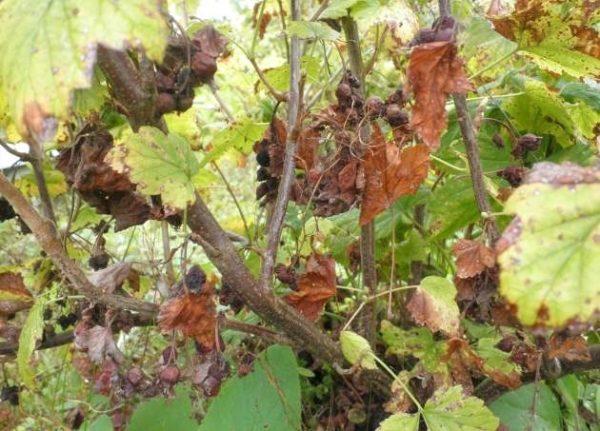
This disease causes small orange spots to appear on the leaves. Currants can be infected by conifers. In this situation, immediate action is necessary. To do this, treat the bushes with Fitosporin.
If the substance is ineffective, you can use Bordeaux mixture at a concentration of 1%. The crop should be treated for 4 days. Then, it is recommended to take a 10-day break and repeat the treatment.
Insect pests
Pests often damage plant leaves and branches. In this situation, the bush can completely dry out. It's important to identify the pests early, before the plant dies.
Firefly
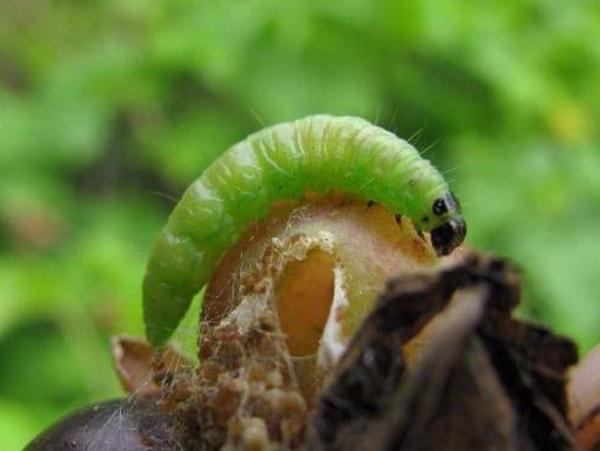
These insects are the easiest to spot. They cause leaf damage and cover the berries in a dense web. If you examine the bush closely, you'll see light green caterpillars. They infect bushes that are blooming profusely.
Special products such as Iskra M and Actellic can help save plants. Fufanon can also be used.
Spray the bush before flowering. In the fall, it is recommended to thoroughly hill the plants. This prevents larvae from reaching the currants.
Glass-box
This is a dangerous pest that attacks currant bushes. It can be identified by wilting leaves. Berries fall from the bush, and the leaves become smaller. The glassworm begins to infect currant bushes from the underside of the branches. The older the plant, the higher the risk of infection.

If damaged branches are found, they should be cut off and burned. The soil around the bush should be loosened regularly, adding tobacco dust or black pepper. Dry mustard is also considered an effective remedy.
Spider mite
This pest negatively affects the plant's leaves, which become covered with white spots.
After some time, the affected areas enlarge, and the leaves dry out. After this, the plant's branches also suffer.
Spider mites cause the spread of various diseases, which can lead to the complete death of the plant. Special pest control products, such as Karbofos and Fosfamide, can help control these pests.
Kidney mite
This insect can also cause plant death. The pest's main danger lies in the destruction of plant buds. Consequently, yields are significantly reduced.
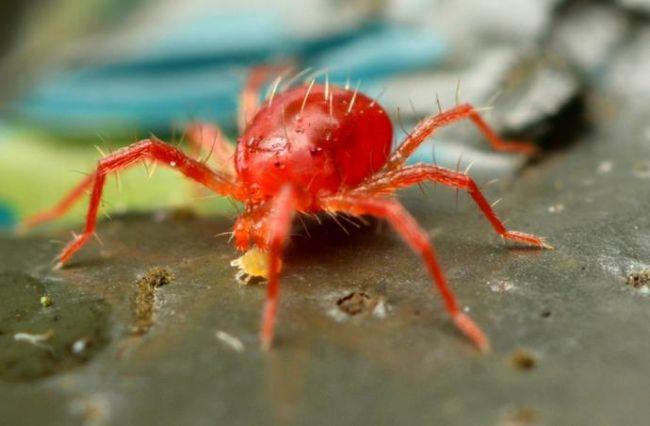
The fruits ripen poorly and have a sour taste. The leaves are smaller than healthy ones, and the petioles become longer.
Aphids and ants
These insects often cause damage to currant bushes. To identify the parasites, carefully inspect the soil around the bush. If there's an anthill nearby, use a shovel to move it to another location.
In this case, it is recommended to fill the soil with water to drive away the pests.
The plant should be treated with an ash solution. To prepare it, use one cup of the solution per bucket of water. A soapy solution, to which mustard powder should be added, is also helpful.
Other reasons
The drying out of a bush can be caused by various factors:
- Incorrect use of mineral fertilizers. Deficiencies or excesses of certain elements lead to yellowing and dry leaves.
- Infrequent watering. When water is insufficient, young roots die. Consequently, the plant doesn't receive sufficient nutrients, causing the foliage to yellow and wither. After a while, it begins to fall off.
- Excessive moisture. Overwatering the soil causes small roots to rot. The plant doesn't receive enough nutrients, which causes the leaves to turn yellow and fall off.
- Septoria leaf spot development. This disease causes brown spots to appear on the plant. As the disease progresses, the spots become lighter and have a brown border. When severely affected, currant leaves fall prematurely. The disease is caused by fungal spores that overwinter in fallen leaves. The disease affects not only the leaves but also the fruit.
- Vein mosaic. This viral infection begins to manifest after the leaves emerge. It causes damage to the leaf veins. The disease is accompanied by the appearance of a yellow pattern on currant leaves. After some time, the leaves dry up and fall off.
Prevention rules
To prevent damage to your currant bush, it needs proper care. First, choose a suitable location for the bush. It's best to plant it away from conifers.
In addition, it's recommended to avoid stagnant soil. In hot and dry weather, bushes require ample watering. It's important to keep in mind that harmful insects and fungal spores can overwinter in fallen leaves. Therefore, it's recommended to remove them from the area immediately and burn them.
Timely treatment of bushes with specialized insecticides is essential to protect the crop from harmful insects. Fungicides are used to prevent plant damage from various diseases.
It's also important to fertilize plants properly. Nitrogen is applied in early spring. Urea is best, applied in liquid form. In summer, currants need organic fertilizers.For this purpose, you can mix mullein with water in a ratio of 1:10. In the fall, the plant requires a mixture based on compost, potassium sulfate, and superphosphate.
Currants can dry out due to various factors. Problems arise from improper care of the plant. The development of dangerous diseases and the proliferation of harmful insects on the crop can also cause problems.
To cope with the problem, it is necessary to provide the currant with proper care and carry out preventive treatments of the plant.
Related posts:
 The health benefits and contraindications of black currants
 The best and new varieties of black currant for growing in the Urals, planting and care
 Characteristics and descriptions of the 40 best red currant varieties
 Description of the 50 best blackcurrant varieties for different regions
 Red currant health benefits, properties, and contraindications
 Growing and caring for hazelnuts in open ground, rules for planting hazelnuts
 Description of the red currant variety Nenaglyadnaya, planting and care
 Description and characteristics of the 25 best blackcurrant varieties for Siberia