
- The history of the selection of the Versailles white currant
- Description and characteristics of the culture
- Bushes and leaves
- Berries and their subsequent sale
- Immunity to diseases
- Resistance to sub-zero temperatures
- Advantages and disadvantages of the variety
- Landing
- Timing of planting operations
- Selecting a site and preparing a planting hole
- Schemes and rules for planting seedlings
- Necessary care
- Watering
- Fertilizer
- Pruning and crown shaping
- Shelter for the winter
- Diseases and pests: protection and treatment
- Methods of reproduction
- Cuttings
- Layers
- Dividing the bush
- Gardeners' opinions about the variety
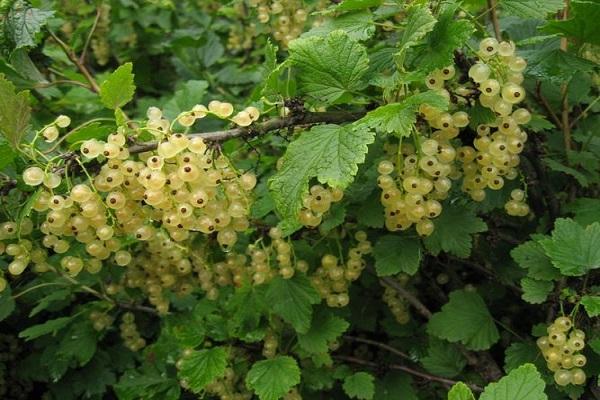
Berries of Versailles white currant according to description The varietal characteristics are similar to those of other related plants. However, the variety, which originates in France, is distinguished by its higher yield and flavor. Gardeners have known this crop for over 100 years. During this time, hobbyists have seen firsthand the benefits of this variety, which can be grown throughout Russia, including the Urals and Siberia.
The history of the selection of the Versailles white currant
The history of this variety's development dates back to the late 19th century. Technically, it is a white-fruited variety of red currant. Developed by French agronomists, it gradually gained popularity worldwide. Its main advantages are its large fruits, high yield, and low maintenance. Since 1959, this currant variety has been included in the Register of Breeding Achievements of Russia. It is recommended for use in the central and northwestern regions, the Volga region, and the Urals.
Description and characteristics of the culture
The bush has leaves characteristic of currants: bright green, five-lobed, with a clearly defined petiole and central clove. A single bush yields up to 3 kilograms of ripe, milky-yellow berries. This currant variety has limited frost resistance and is susceptible to anthracnose and garden pests. The inflorescences are medium-sized, the clusters have elongated petioles, and are pubescent.
Bushes and leaves
Versailles currants grow upright, slightly spreading bushes with flexible stems. They typically rarely exceed 1.5 meters in height. The leaves are classic currant leaves, pubescent beneath. The base is rounded, and the serrated teeth are short and blunt.
Berries and their subsequent sale
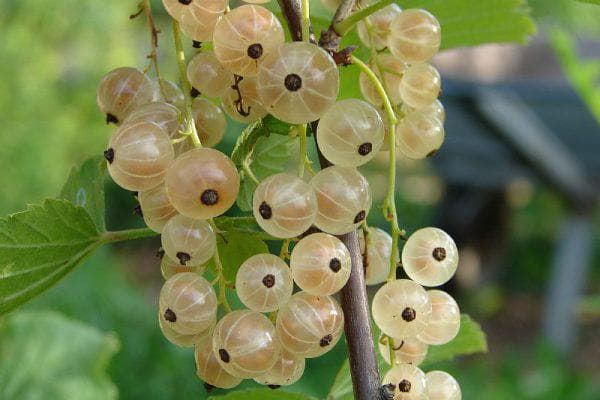
The fruits are perfectly rounded. Currants are up to 10 millimeters in diameter and weigh, on average, about 1 gram. The skin is tender and firm, but practically imperceptible to the taste. The fruit is creamy in color, sometimes with a slight yellowish tint. Inside, the berry is filled with juicy, sweet-tart pulp. Each currant contains:
- sugar – up to 8%;
- acids – no more than 2.3%;
- dry matter – up to 18%.
Take a look Also
Currants are an excellent source of vitamins and minerals, including ascorbic acid. They are loved by both adults and children. The berries are used to make fruit drinks, which are indispensable in the summer heat, and for preserves.
Immunity to diseases
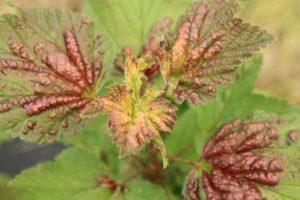
Unfortunately, this variety isn't 100% resistant to diseases (anthracnose, powdery mildew, and cup rust), but with preventative measures, it can withstand them well. High humidity also promotes the development of fungi and rot.
Resistance to sub-zero temperatures
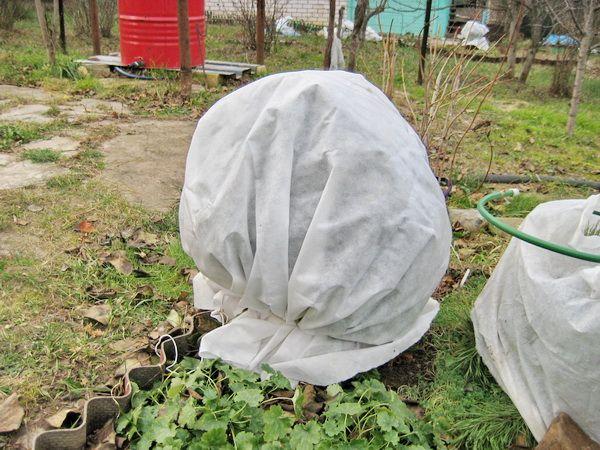
Currant bushes of this variety are moderately susceptible to cold, making them suitable for wide-ranging cultivation. If carefully prepared and covered for the winter, the bushes will easily withstand the harsh Ural frosts.
Advantages and disadvantages of the variety
Currants are rightfully considered a treasure trove of nutrients, a true vitamin cocktail for children and adults. This variety harmoniously combines its benefits with a moderate number of drawbacks.
The Versailles variety exhibits resistance to powdery mildew and produces a decent yield. The currant bushes are self-fertile and self-pollinate. The berries remain attached to the vines for a long time, helping to preserve the harvest.
There are some drawbacks, too. The variety tends to spread and is susceptible to anthracnose.
Landing
Planting this currant variety requires following certain rules to ensure the bushes take root and begin bearing fruit. Care should be taken immediately, including watering, fertilizing, and then pruning and covering before winter.
Timing of planting operations
Versailles currants are planted twice a year – in spring or fall. In the first case, this is the period before the buds begin to actively open, and in the second, in September-October. This choice will ensure the currant bushes quickly adapt to the site.

Selecting a site and preparing a planting hole
Currants require full sun; shade is harmful. Failure to do so will result in sour berries in the future harvest. The site should be free of drafts. The Versailles variety dislikes marshy areas and areas near groundwater. Light, permeable soils (loams, sandy loams) with a slightly acidic chemical reaction are preferable.

The hole for the currant bushes is prepared 14 days before planting. Weeds and debris are removed, and fertilizer (humus, superphosphate, wood ash) is added.
Schemes and rules for planting seedlings
The seedling should have up to five woody roots 15-20 centimeters long. Roots are inspected especially carefully, as they determine the bush's growth. Neighboring plants are separated by at least 1 meter, and the row spacing is up to 1.5 meters.
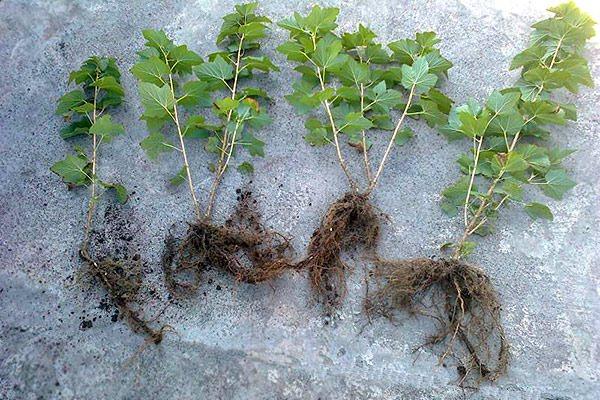
The root collar must be above the ground, approximately 10 centimeters. When placing the seedling in the hole, carefully straighten the roots, then cover with soil and compact lightly.
Necessary care
Minimal care includes pruning, watering, fertilizing, and pest control. This will ensure normal fruit production, increased pest resistance, and stronger growth.
Watering
When planting, a seedling needs 1-2 buckets of water. Then, remember one simple rule: the bush requires regular watering, but avoid allowing the soil to become waterlogged. It's best to water the currant bush morning and evening, pouring a bucket of water into the root zone. Repeat this procedure three times a week.

Fertilizer
In the third year of growth, the bush requires "vitamins"—urea, chicken manure, ready-made or homemade mixtures. For example, potassium permanganate with boric acid and copper sulfate. Fertilizing is done when the sun's rays are not as strong, in calm weather.
Pruning and crown shaping
Once 6-7 branches form the bush's skeleton (after one year), pruning is performed. Exactly half, the strongest ones, are left, and the rest are removed with pruning shears. This is done annually. Diseased, damaged, and dried branches must be removed. Shoots that cause the bush to become overgrown are also removed. The crown is shaped to emphasize the dominance of straight, fruit-bearing branches.

Shelter for the winter
As soon as the bush sheds its leaves, prune diseased and old branches to the ground, and one-year-old shoots by a third of their length. During severe frosts, it is recommended to bend the branches to the ground and cover them with shields or pieces of slate.

Diseases and pests: protection and treatment
Anthracnose can be treated with Bordeaux mixture and colloidal sulfur solution. Powdery mildew can be treated with Fitosporin. Goblet rust is resistant to Ziram, Captan, and Bordeaux mixture.
Currants are susceptible to pests such as aphids, moths, and sawflies. Damaged parts are removed and burned, and the plant is sprayed with Malathion or an onion peel infusion.
Methods of reproduction
It is easy to propagate currants in a plot - using cuttings, layering, or dividing the bush.
Cuttings
Currant cuttings are selected from seed or prepared from currant bushes. Each stem should have up to 7 buds (at least 5). They are planted at a 45-degree angle.
Layers
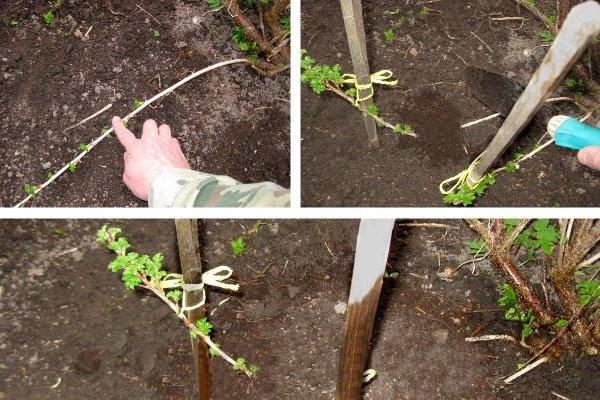
In the spring, grooves are formed around the bush, into which the selected shoots are placed. They are then covered with soil and pressed down. Over time, the branch will root and can be separated from the mother bush.
Dividing the bush
This method requires precision. Carefully remove the currants and divide them into the required number of pieces, leaving 2-3 branches with roots.
Gardeners' opinions about the variety
Gardeners prize the Versailles white currant for its delicious, abundantly fruiting berries. They are used to make fruit drinks, compotes, and preserves for the winter. The fruits do not fall off for a long time. The plant is moderately resistant to disease and cold, making it an ideal choice for a garden plot.
Related posts:
 Description and rules for growing black currant variety Veloy
 Characteristics and descriptions of the 40 best red currant varieties
 20 Best Blackcurrant Winter Preserves Recipes
 When is the best time to plant currants to get a good harvest?
 The health benefits and contraindications of white currants
 Description of the 10 best currant varieties for the Moscow region, planting and care
 Description of green currant varieties, planting and care features
 TOP 10 recipes for red, black, and white currant sauce and ketchup for the winter, and how to store your preparations