
- Biological description of the pest
- Life cycle and reproduction
- Symptoms of currant damage
- What danger does it pose to the bush and the harvest?
- Methods of control
- Chemicals and insecticides
- Folk remedies for getting rid of parasites
- Use of biological drugs
- Agrotechnical methods
- Natural enemies
- Timing and technology of currant processing
- Frequency and duration of treatment
- Prevention
- Selection of resistant varieties of red and black currants
- Compliance with agricultural practices
The glassworm on garden currants can cause significant damage to the bush and even leave gardeners without a harvest. With the arrival of spring, the branches on healthy plants wither and dry up. If they are cut, the black core becomes clearly visible. These signs indicate the presence of the glassworm. Getting rid of it is possible with some effort.
Biological description of the pest
In appearance, the currant glasswing closely resembles a wasp. It has narrow wings and prominent yellow stripes on its sides. Its body reaches 1 cm in length. Interestingly, females have three light stripes, while males have four.
The glasswing moth begins laying eggs in the second ten days of May. A single insect can lay up to 50 eggs, each reaching 70 mm in length. It is during this period that the pest burrows under the bark of currant branches, always near a young bud, causing disease in the bush.
Life cycle and reproduction
The insect's eggs eventually hatch into beige or white caterpillars, measuring 2.5 cm in length. These caterpillars cause the most damage to currant shoots. With the arrival of warmer weather, the caterpillar emerges and pupates, thus giving birth to a new generation. As early as June, when the average daily temperature reaches 16°C, a new glassworm emerges. Its activity continues for 40 days, and its life cycle lasts two years.
Take a look Also
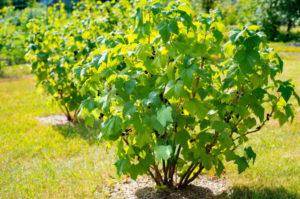
Symptoms of currant damage
In the first year, affected currant branches are difficult to distinguish from healthy ones. Their fruits and leaves become smaller. In the second year, at the end of flowering or formation of ovaries, damaged shoots wither and dry out.If you begin to remove them, small holes with black walls become visible at the cut sites. By cutting the stem lengthwise, you can see the caterpillar itself or the excrement left behind during its stay.

What danger does it pose to the bush and the harvest?
The glassworm can destroy up to half of blackcurrant branches and up to 30% (sometimes up to 47%) of red and white currant branches. The extent of damage depends directly on the weather.
Methods of control
Control measures for the currant glassworm must be comprehensive, as the pest's life cycle occurs within the currant plant. These measures include:
- treatment with biological preparations and pesticides;
- using folk remedies against garden pests;
- application of organic farming methods;
- regular prevention of diseases and pests.

Chemicals and insecticides
Getting rid of glassworms using biological and folk remedies alone is impossible, so the use of chemicals is unavoidable. Gardeners' top recommendations for this purpose include:
- "Karbofos";
- Fufanon;
- "Spark";
- "Trichlorometaphos";
- Kemifos.
Folk remedies for getting rid of parasites
Glasswort can also be eradicated using folk remedies. It is recommended to plant the following between currant bushes:
- marigold;
- onion;
- garlic;
- calendula;
- nasturtium;
- elderberry.
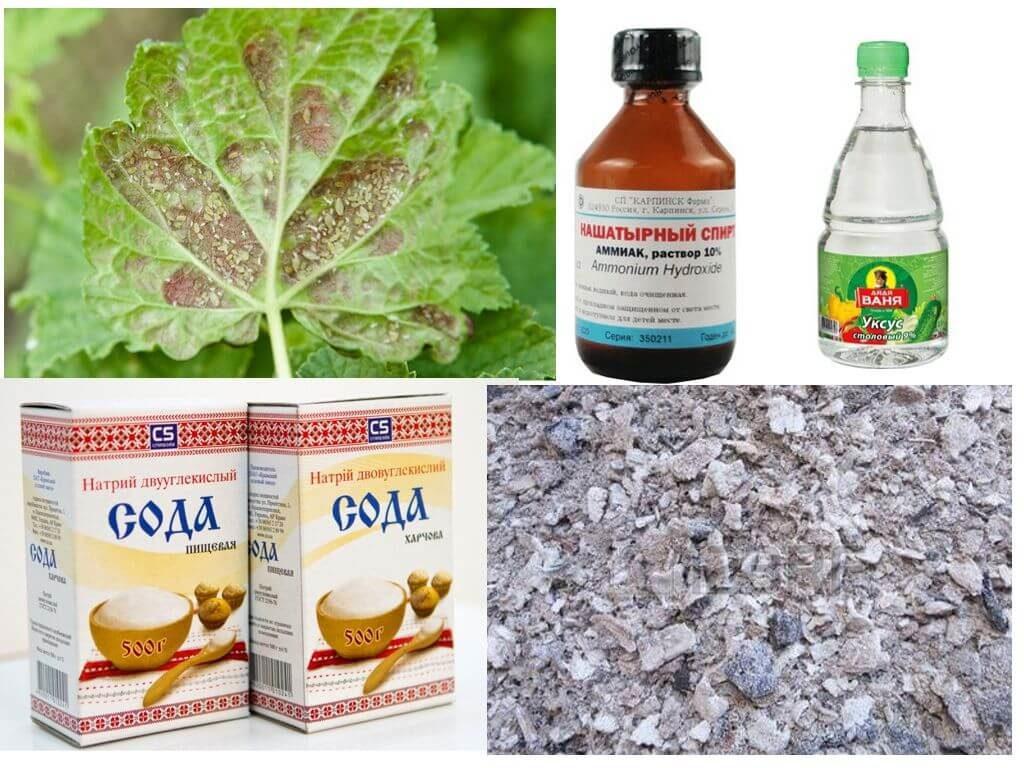
But bird cherry, on the contrary, attracts pests to the garden.
During butterfly migration, containers filled with sand soaked in kerosene are placed between the plants. Currants should be sprayed with any infusions with a strong odor (for example, wormwood, tansy, or pine needles).
Use of biological drugs
Currant glassworm can also be controlled using biological treatments in the form of aqueous suspensions. These include "Nemabakt" and "Entonem-F." They are used to treat cuttings immediately before planting. "Entonem-F" is also used to irrigate plants during bud break.
Agrotechnical methods
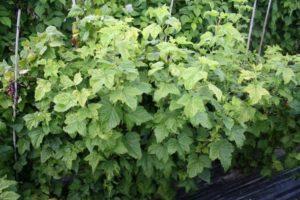
Agronomic control methods are most effective during the pupation period of the caterpillars. In May and June, the soil should be constantly loosened, adding wood ash or tobacco. Proper pruning can significantly reduce the number of glasswing moths and larvae. If the bush is completely infested with insects, the branches should be cut back to the base. New shoots will grow from the roots. If only isolated symptoms appear, the shoots should be cut back to healthy tissue.

Natural enemies
The glasswing's main natural enemy is the parasitic wasp. It lays eggs on other caterpillars and lives a parasitic life. Dill pollen can be used to attract the wasp to your property.
Timing and technology of currant processing
Currant bushes should be treated for glassworms as soon as the first leaves appear. The treatment method depends on the specific product chosen.
Use 1 to 1.5 liters of the prepared solution per bush. If necessary, the treatment can be repeated in the fall, but this will not yield significant results.
According to gardeners' reviews, spring spraying is the most effective.
Frequency and duration of treatment
With the arrival of spring, frozen and blackened shoots must be removed at the root, leaving not even a stump. The same procedure applies to branches lying on the ground. Before the onset of cold weather, prune the shrubs for sanitary purposes, removing all dried and underdeveloped shoots. Seal the cut areas with garden pitch.
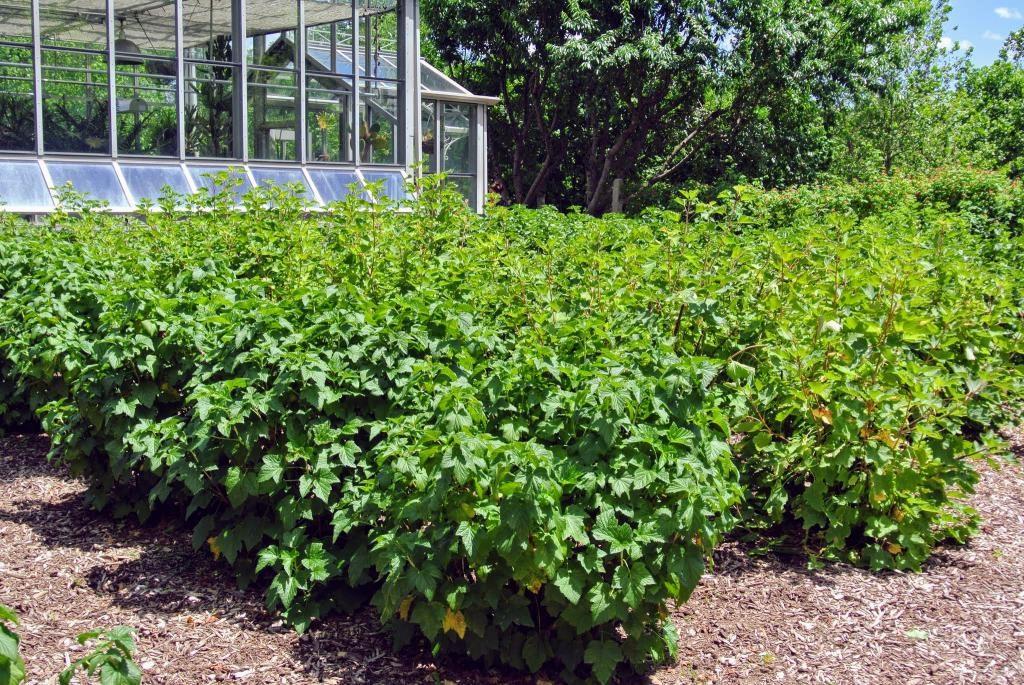
Preventative insecticide treatments are carried out with the onset of warm weather, before fruit set. If necessary, the currants can be treated again after two weeks. After the snow melts, the soil is loosened and sprinkled with mustard, wormwood, or ash. Before the onset of cold weather, the bushes are sprayed with chemicals again. Fertilizing the plants to boost their immunity is also a good idea.
Prevention
Experienced gardeners pay close attention to pest prevention in their gardens. They've already developed specific plans and methods that yield positive results.

Selection of resistant varieties of red and black currants
It's not yet possible to develop currant varieties that are completely immune to the glassworm. However, some varieties have increased resistance to this pest. Among blackcurrants, these include:
- Summer resident;
- Perun;
- Nuclear;
- Sechenskaya – 2.

Among the red varieties, the following are the most resistant to pests:
- Jonker Tets;
- Early sweet;
- Natalie.
Compliance with agricultural practices
An important preventative measure is strict adherence to agricultural practices when growing currants. It is recommended to plant elderberries, onions, garlic, marigolds, and other aromatic plants nearby to repel pests. It is important to plant flowers and garlic directly between the currant bushes so that their smell does not allow the glasswing to detect the plantings and hatch their offspring in them.
Related posts:
 20 Best Blackcurrant Winter Preserves Recipes
 Description and rules for growing black currant variety Veloy
 Characteristics and descriptions of the 40 best red currant varieties
 When is the best time to plant currants to get a good harvest?
 TOP 10 recipes for red, black, and white currant sauce and ketchup for the winter, and how to store your preparations
 Why and what to do if blackcurrant leaves turn yellow
 The health benefits and contraindications of white currants
 Description of green currant varieties, planting and care features