
- Factors in the development of the disease
- The pathogen and its life cycle
- Symptoms of the disease
- Red
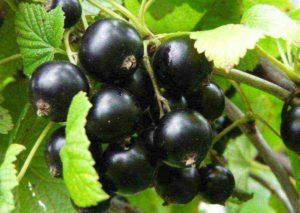
- Black currant
- White currant
- What danger does it pose to plants?
- What to do if powdery mildew appears?
- Use of fungicides
- Chemicals in the fight against disease
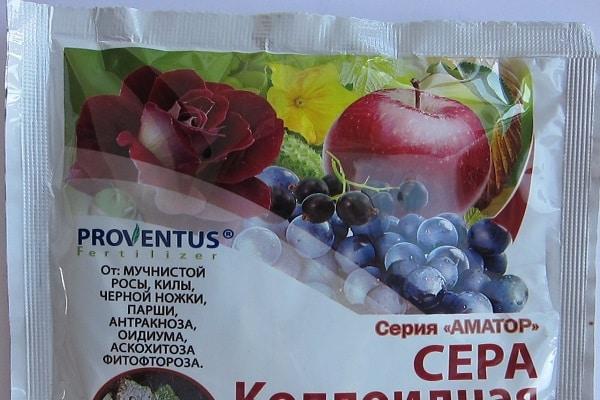
- Colloidal sulfur
- Trichopolum
- "Topaz"
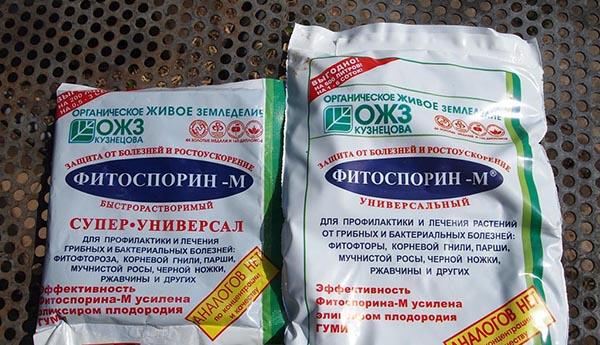
- Fitosporin
- Copper sulfate
- Folk recipes
- Treatment with boiling water
- Mullein infusion
- Dry mustard
- Soda
- Iodine
- Potassium permanganate
- Bush processing technology
- In the spring
- In summer during the flowering and fruiting period
- In the fall
- Preventive measures
- Proper care of berry crops
- Seasonal treatments
- Selecting resistant varieties
Powdery mildew on currants requires control measures. This fungal disease spreads quickly through foliage and shoots. In advanced stages, the plant may die. Symptoms begin as small gray or white spots that gradually expand.
Factors in the development of the disease
The infection penetrates plants under certain factors:
- High humidity, more than 90%.
- Constant warm temperature not lower than 18 °C.
- Infection from neighboring trees.
- Increased nitrogen content in the soil.
- Dense plantings.
The pathogen and its life cycle
American powdery mildew primarily attacks currant and gooseberry bushes. Blackcurrants are most often attacked, while other varieties are less commonly affected. The fungi belong to the Powdery Mildew family.
The parasite enters through the root system, foliage, or shoots of the bush. It begins to spread across the plant fairly quickly. The mycelium grows and increases in size, infecting the entire bush. The fungi feed on nutrients from the foliage and surfaces of the currant plant.
Important! If left untreated, the plant may die.
Symptoms of the disease
Red, black, and white currants have virtually identical symptoms and signs. The berry's color may dictate some distinguishing features.
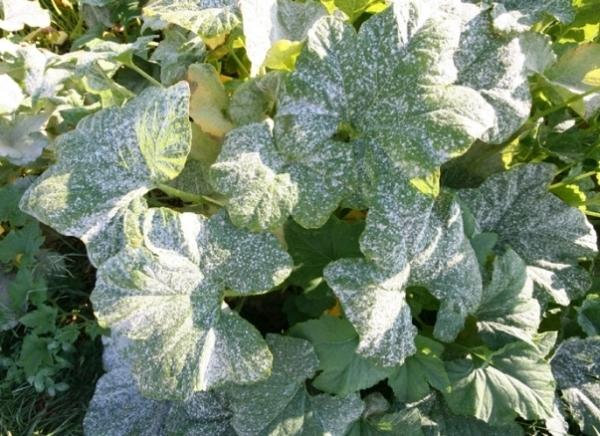
Red
The shrub's infestation begins with small gray spots on the foliage. The fungal mycelium grows, completely covering the leaves, which dry out, turn yellow, and then fall off. The bloom spreads to the leaves, branches, and fruit.
Black currant
The black variety of the berry is most often susceptible to powdery mildew. Grayish growths appear on the leaves or shoots and quickly spread. The fungal mycelium spreads throughout the entire plant, causing a gray film to develop on the berries.
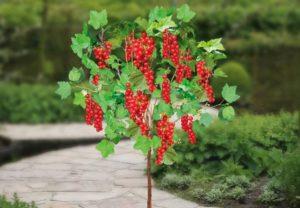
White currant
White currants are the least susceptible to the disease. They have the strongest immunity to powdery mildew. Symptoms begin with gray or white spots on the bush's foliage, which spread to all shoots.
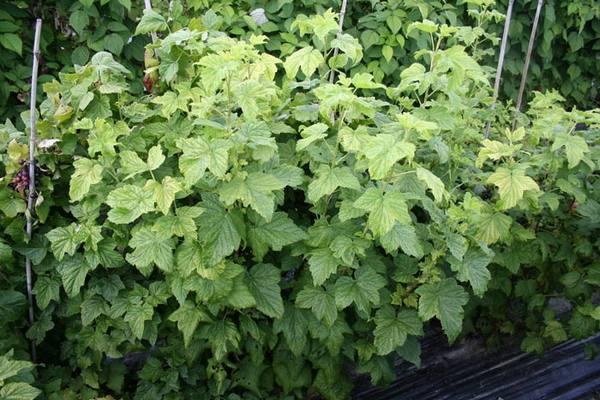 Important! You may notice droplets of liquid on the plant, which are formed by fungi. This is one of the main distinguishing features.
What danger does it pose to plants?
In its early stages, the fungus causes virtually no harm to the bush. The more advanced the stage, the greater the damage. Gradually, all the bush's leaves turn yellow, dry out, and fall off. Sap flow along the stem and mineral metabolism are disrupted. The currant dies. The only effective treatment is cutting the stems back to the root and treating the roots with a disinfectant or boiling water.
What to do if powdery mildew appears?
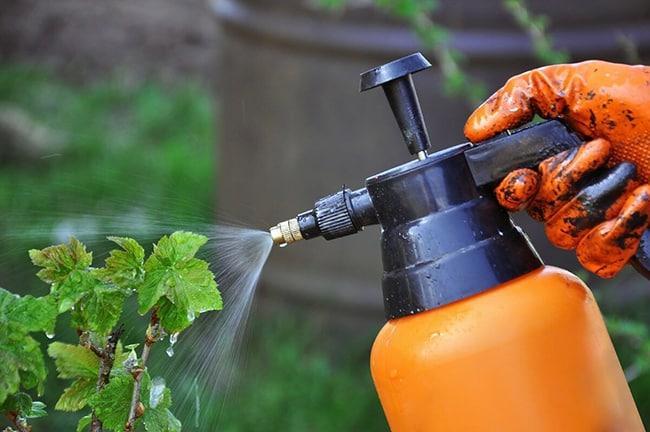
To save currants from powdery mildew, you need to treat them with fungicides, chemicals, and folk remedies.
Use of fungicides
Products that kill fungi on shrub foliage and shoots. Each product has its own instructions, which must be strictly followed for effective use.
Chemicals in the fight against disease
Powdery mildew can be treated with chemicals. Many gardeners prefer this method. Fighting the fungus this way is quite simple; a few sprays are enough to overcome the problem.
Colloidal sulfur
Powdery mildew can be treated with colloidal sulfur. Initially, it was used only on cucumbers. Over time, the product has shown good results against other types of fungi. The product is non-toxic.
Trichopolum
Treatment with this product causes microbial resistance. It should not be used for several years in a row. It is recommended to replace the chemical annually to ensure rapid fungal death. It has a mild toxic effect.
"Topaz"
It is used to prevent and treat powdery mildew. It can be used year-round. Dilution is done according to the instructions. The solution requires little consumption and has a long-lasting effect. It is one of the most effective treatments.

Fitosporin
Available in three forms: paste, powder, and liquid. It is used against fungal diseases and can be applied to all crops and plants. Its effectiveness lasts for 20 days. It has low toxicity.
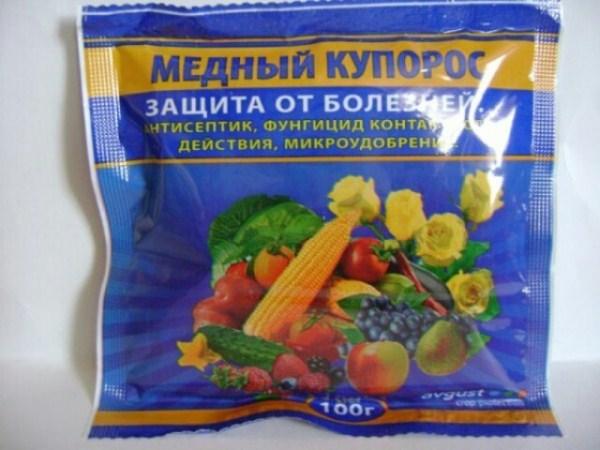
Copper sulfate
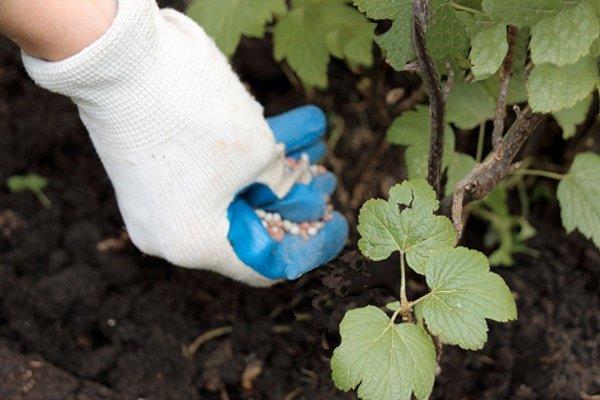
Available in powder form, it is used to prevent and treat powdery mildew. In spring, it is recommended to sprinkle the powder around the trunk. When signs of powdery mildew appear, copper sulfate is dissolved in water and sprayed on the foliage.
Folk recipes
Folk remedies for getting rid of powdery mildew are just as effective as chemical ones. They are non-toxic to fruits, humans, and pets, and can be used in unlimited quantities.
Treatment with boiling water
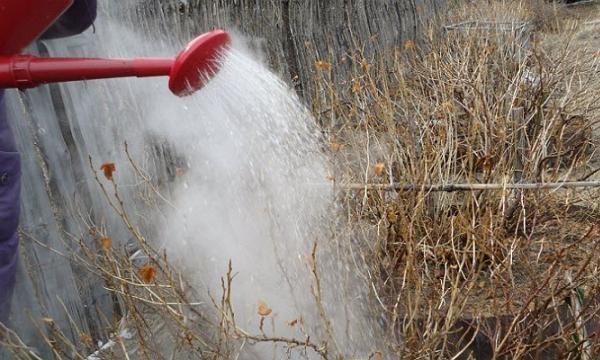
When signs of disease appear, remove damaged areas and shoots from the shrub. Pour a bucket of boiling water over the root area. This kills bacteria and fungi, preventing infection from entering through the roots.
Mullein infusion
Prepare a mullein infusion. Mix one part manure with three parts water. Let it sit for three days. Strain, then dilute it three times with water again. Spray the shrubs with this solution every three days until the disease subsides.
Dry mustard
Dry mustard is sprinkled on the leaves and shoots. The mixture's strong aroma not only kills bacteria but also repels insects that feed on currant foliage.
Soda
Dissolve 200 g of baking soda and 200 g of laundry soap in 20 liters of water. Heat the mixture until the ingredients are completely dissolved, then spray the currants. The effectiveness of the solution remains until it rains.
Iodine
Prepare a solution of 10 drops per 10 liters of water. Spray the shrubs, and pour the remainder under the roots. Iodine not only has antiseptic properties but also provides the plant with beneficial micronutrients.
Potassium permanganate
Potassium permanganate has an antiseptic effect. It's available in powder form. Prepare it at a rate of 25 g per bucket of water. Remove the damaged areas, then spray the bush with potassium permanganate, and pour the remainder under the roots.
Bush processing technology
Treatments are carried out differently at different stages of the growing season. Spring, summer, and fall treatments differ slightly. They serve not only as a treatment but also as a preventative measure.
Take a look Also
In the spring
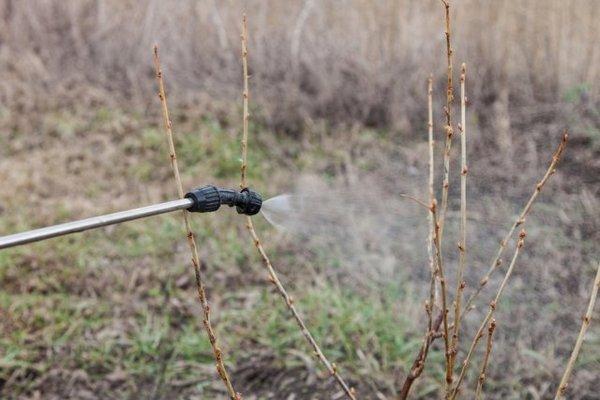
In the spring, treat the bushes with a copper sulfate solution. It kills fungi that overwinter in the soil and roots. It also enriches the plant with beneficial microelements.
In summer during the flowering and fruiting period
When a bush bears berries or flowers and they are attacked by powdery mildew, it is recommended to use organic products. A mullein solution is considered the most effective. Spray several times per season.
In the fall
After harvesting in the fall, pre-winter preventative treatment against powdery mildew should be carried out. You can sprinkle copper sulfate on the roots and shoots.
Preventive measures
Preventive measures include proper care of currants, treatments, and the selection of predominantly resistant varieties.
Proper care of berry crops
Caring for the berry includes several mandatory steps:
- Proper watering, without over-moistening the soil.
- Mulching the tree trunk circle.
- Sanitary pruning at the end and beginning of the season.
- Carrying out additional feeding.
- Treatment with copper sulfate or fungicide before flowering.
Seasonal treatments
Preventative treatment against powdery mildew is recommended in the spring. Fungicides, mullein solutions, or copper sulfate can be used for this purpose. Spraying should be done several times throughout the season.
Important! It is recommended to perform treatments at least once every 20 days.
Selecting resistant varieties
To prevent currants from becoming infected with powdery mildew, choose varieties resistant to this disease. These include:
- Temptation;
- Kipiama;
- Binary;
- Katyusha;
- Kupalinka.
Related posts:
 20 Best Blackcurrant Winter Preserves Recipes
 Characteristics and descriptions of the 40 best red currant varieties
 Description and rules for growing black currant variety Veloy
 Sulfur control of powdery mildew on gooseberries using folk and chemical remedies
 The health benefits and contraindications of white currants
 When is the best time to plant currants to get a good harvest?
 The health benefits and contraindications of black currants
 Why and what to do if blackcurrant leaves turn yellow