
- Chemical composition of red currant
- Nutritional value
- Vitamins
- Minerals
- What can be used
- Berries
- Leaves
- Bones
- Twigs
- How to choose a fresh and high-quality product
- Beneficial properties of the plant
- For women and men
- For children
- For elderly people
- Therapeutic effect on the body
- For colds
- For cystitis
- Improves immunity
- It has a positive effect on vision.
- Helps the gastrointestinal tract
- Calms the nerves
- Helps you lose weight
- We use it as a diuretic
- Affects the cardiovascular system
- Rejuvenating effect
- Prevention of constipation
- Choleretic effect
- Cleansing action
- Rules of use
- In what form should it be consumed?
- Daily intake
- Red currant during breastfeeding and pregnancy
- Nuances of use
- For diabetes mellitus
- For pancreatitis
- With diathesis
- Folk recipes with berries and other parts of the plant
- Infusions and tea from currant leaves
- Morse
- Jam
- Compote
- Dried currants
- Bones
- Use in cosmetology
- Possible harm and contraindications
Tart and sour red currants contain iodine, which is beneficial for the thyroid gland, as well as folic acid, essential for pregnant women. Tea made from currant leaves and twigs is a diaphoretic and antipyretic. The rejuvenating effect of the seed extract is used in cosmetology. This common berry, a regular fixture in gardens, has more to offer. It's worth learning more about the health benefits and risks of red currants.
Chemical composition of red currant
The sour berry is rich in:
- antioxidants;
- fiber;
- iodine;
- coumarins.
The pectin content is up to 12%. The acidity is 2-4%. The fruits contain malic, citric, succinic, and salicylic acids. Like the leaves, they contain essential vitamins and microelements necessary for health.
Nutritional value
Per 100 grams of berries there are:
- proteins - 0.6 grams;
- fats - 0.2 grams;
- carbohydrates - 7.7 grams.
The nutritional value of fresh product is 43 kilocalories, dried berries - 283.
Vitamins
The leaves and fruits contain vitamins C, A, H, E, and also group B:
- folic acid;
- thiamine;
- pentothenic acid B5;
- B6 pyridoxine;
- riboflavin;
- beta-carotene.
Along with niacin, PP substances support normal metabolism. A handful of berries contains enough vitamins to replenish vitamin deficiencies.
Minerals
100 grams of berries contain the following minerals:
| Mineral | Content |
| Potassium | 11% |
| Iron | 5% |
| Calcium | 4% |
| Phosphorus | 4% |
| Magnesium | 4% |
The table shows the percentage of daily value.
What can be used
All above-ground parts of the plant are used in folk medicine and cooking.
Berries
The fruits are used to make juice, preserves, marmalade, and jelly. They are more beneficial when frozen, dried, or fresh, as high temperatures destroy some of the beneficial substances.
Leaves
Fresh leaves are used to brew tea with berries, while dried leaves are used to make decoctions. The leaves are added to marinades for flavor.
Bones
Extract from the seeds or currant oil is used in cosmetology.
Twigs
The twigs are also used to make a drink. The tea can be brewed a second time, retaining its rich flavor and aroma.
How to choose a fresh and high-quality product
Signs of fresh berries:
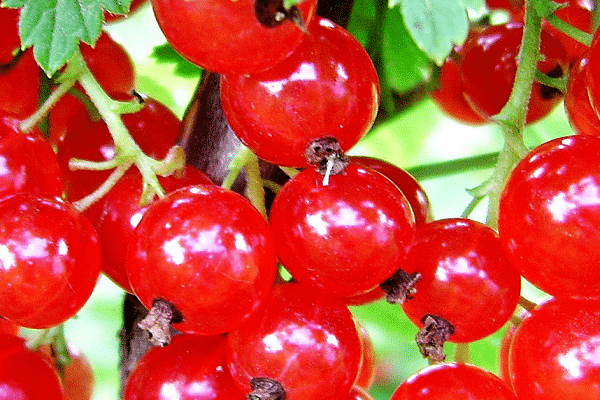
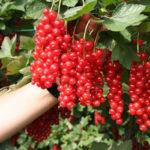
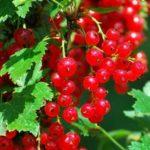
- uniform bright red color;
- shiny skin;
- elasticity;
- dry surface.
Overripe berries are soft, burst easily, and emit a sour smell. White streaks on the skin indicate chemical treatment. Unripe fruits are hard and pale.
Beneficial properties of the plant
The beneficial substances in red currants boost immunity, reduce inflammation, regulate metabolism, and maintain human reproductive function.
For women and men
Red currant is beneficial for women:
- for irregular and painful menstruation;
- to stabilize hormonal levels during menopause;
- in case of heavy bleeding, to replenish iron deficiency.
Benefits of berries and tea during pregnancy:
- have an anti-edematous effect;
- relieve toxicosis;
- serve as a natural source of folic acid, which is necessary for the normal development of the nervous system of the unborn child.
How are currants beneficial for men?
- maintains sexual function in old age;
- prevents prostatitis.
Regardless of gender, red currant helps replenish the body's energy reserves.
For children
Benefits of red currant for a growing body:
- strengthens the immune system;
- promotes hematopoiesis;
- helps with constipation and colic.
Folic acid and other B vitamins are essential for growth and muscle development, help schoolchildren develop memory and attention, and lay the foundation for healthy skin in adolescents.
For elderly people
The beneficial properties of red currant for the elderly:
- helps fight rheumatism and arthritis;
- improves brain function and vision by stimulating blood flow;
- prevents atherosclerosis, thrombosis, and increased cholesterol;
- improves bowel function and reduces the frequency of constipation.
Currant juice helps maintain alertness and clarity of mind.
Therapeutic effect on the body
In folk medicine, red currants are used for their ability to stimulate metabolic processes and the elimination of fluids.
For colds
Application of red currant leaf infusion:
- as a rinse it treats sore throat;
- expectorant for cough;
- enhances the effect of antibiotics and relieves inflammation.
The diaphoretic and diuretic effects of blackcurrant tea help reduce fever.
For cystitis
An infusion of the leaves will have a calming effect and help relieve inflammation.
Improves immunity
Vitamin C in red currants stimulates antibody production. The juice's healing properties are useful not only for colds but also in the complex treatment of cancer.
It has a positive effect on vision.
Red currants contain carotenoids, which are involved in visual function. These substances are not produced by the body, so red berries are one of the dietary sources.
Helps the gastrointestinal tract
Red currants relieve bloating associated with colitis. They are also a remedy for nausea and stomach bloating. The fruits stimulate the secretion of digestive enzymes. However, they should not be consumed by those with stomach ulcers. Increased stomach acidity is harmful during acute gastritis.
Calms the nerves
Magnesium in red fruits strengthens nerve fibers and increases stress resistance. Soothing blackcurrant tea improves sleep.
Helps you lose weight
The pectin found in red berries detoxifies. Tea can help stimulate metabolism and eliminate excess water. Dried currants keep you feeling full for a long time, providing the body with essential vitamins.
We use it as a diuretic
An infusion of the leaves is used to combat swelling associated with urolithiasis and pregnancy.
Affects the cardiovascular system
The substances in red currants improve heart function, strengthen blood vessels, and participate in red blood cell synthesis. Currant drinks and berries are beneficial for preventing atherosclerosis, stroke, and anemia.
Rejuvenating effect
Red currant, as a source of vitamins B and C, will help:
- improve skin condition and strengthen hair;
- stimulate collagen synthesis, without which the skin loses elasticity.
- prevent early wrinkles.
- accelerate regeneration and increase skin resistance to ultraviolet radiation.
Red currant is useful in the treatment of eczema, acne, and alopecia caused by vitamin B deficiency.
Prevention of constipation
Red currant juice is beneficial for chronic constipation caused by psychological factors and sedatives. The fiber stimulates bowel function and normalizes the intestinal flora.
Choleretic effect
Redcurrant drinks will help gently remove excess fluid through the bile ducts and prevent the formation of stones.
Cleansing action
Red currants remove toxins, salts, and urea. Iodine has a beneficial effect on the thyroid gland. Its normal functioning allows it to produce sufficient antibodies, and the immune system fights viruses and allergens. Therefore, red currant juice, berries, fruit drink, and tea help cleanse the body.
Rules of use
To ensure that red currants benefit the body, you should be aware of the restrictions on their use.

In what form should it be consumed?
It's best to eat fresh fruit or juice. Frozen and dried berries retain more vitamins. High-temperature processing can cause some of the nutrients to be lost. Therefore, the most beneficial canned options are those with minimal cooking time.
The berries are also mashed with sugar. The nutritional content of tea made from the leaves and twigs is equal to that of the fresh fruit.
Daily intake
It is enough to eat 200-300 grams of the product per day to replenish the body's need for vitamins and minerals.
Red currant during breastfeeding and pregnancy
During pregnancy, overuse of the product may cause jaundice in the baby.
Overeating berries while breastfeeding can cause skin allergies in the baby. However, blackcurrant tea is beneficial for vitamin deficiency after pregnancy.
Nuances of use
Red currants should be used with caution in cooking in case of certain endocrine and gastrointestinal diseases.
For diabetes mellitus
A small amount of red berries is acceptable for those with type 1 and type 2 diabetes. They contain natural fructose, which is easily absorbed. The sugar content per 100 grams of the product is only 4-10%.
Pectin, anthocyanins, magnesium, and beta-carotene have a general strengthening effect, slow the development of diabetic retinopathy, the destruction of skin and hair, and strengthen the immune system and nervous system.
For pancreatitis
During an exacerbation of the disease, acidic fruits irritate the pancreas, increasing enzyme production, diarrhea, and gas. A small amount of red currants is acceptable during periods of remission.
With diathesis
Children under 2 years of age should not be given large portions of red currants. While 200 grams of berries are safe for an adult, the same amount can cause a skin rash in a child.
Folk recipes with berries and other parts of the plant
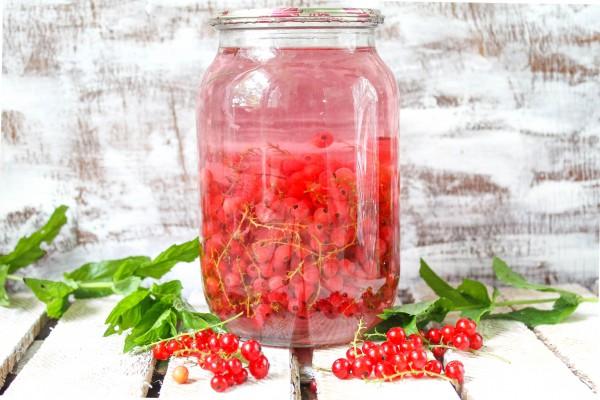
It is easy to make fruit drinks, jam, compote and dried fruits from red currants.
Infusions and tea from currant leaves
To make a simple tea, pour a cup of boiling water over 5 fresh currant leaves, then simmer for 1 minute and let steep for 5 minutes. This creates a concentrated infusion that's good for colds.
To prepare the decoction, you need:
- 4 tablespoons finely chopped leaves;
- 1 liter of water.
Boil the water, add the leaves, and simmer for half an hour. Strain the resulting infusion. Drink one glass three times a day.
For the infusion you should take:
- 5 tablespoons of dry chopped leaves;
- a liter of water.
Place the leaves in a thermos, boil the water, and pour it over the leaves. Let it steep for 3 hours, then strain. Drink half a glass 3 times a day.
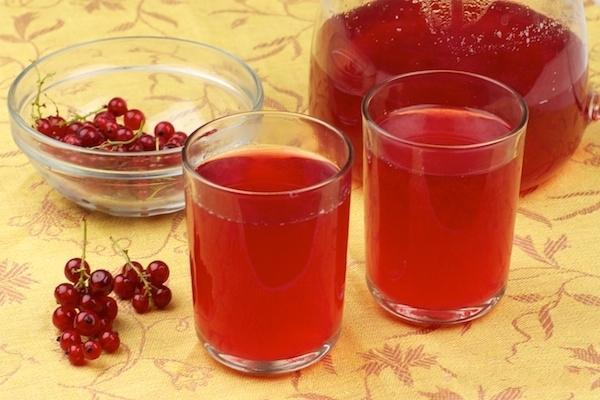
Morse
To prepare 3 liters of the drink, you will need:
- 1 kilogram of berries;
- 2.5 liters of water;
- 250 grams of sugar;
- a piece of gauze.
Description of the process:
- remove stems from currants, rinse in a colander, and dry;
- place in a deep bowl, crush with a wooden pestle or mash in a blender into a gruel;
- fold the gauze into 3 layers and strain the resulting mass through it;
- place the container with juice in the refrigerator;
- Place the squeezed berry puree into a 3-liter saucepan;
- pour water there, bring to a boil and cook for 3 minutes;
- strain the mass;
- add sugar to the resulting broth and bring to a boil again;
- as soon as the fruit drink boils, remove from the stove and let cool;
- pour in the juice and put in the refrigerator.
The drink can be drunk with ice.
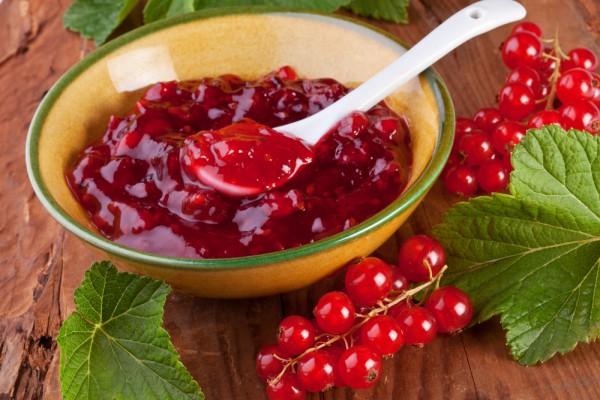
Jam
To prepare you will need:
- 1 kilogram of berries;
- 800 grams of sugar.
Recipe:
- Place washed and stem-free currants in a saucepan;
- keep it on the fire to release the juice;
- If the juice flow is slow, lightly crush the berries with a wooden pestle;
- Bring the fruits in juice to a boil, then cook for 20 minutes over low heat;
- remove from heat, add sugar and stir until dissolved.
The jam is ready. The sugar adds thickness, which will increase as the jam cools.
Compote
Ingredients:
- 0.5 kilograms of berries;
- 350 grams of sugar;
- 1 teaspoon of citric acid;
- 3 liters of water.
You will also need a sterilized glass jar with a capacity of 3 liters or several smaller jars.
Method of preparation:
- rinse the fruits in a colander;
- pour into a large jar or distribute into small jars;
- pour sugar and citric acid into a saucepan;
- pour in cold water, bring to a boil and cook for 7 minutes over low heat;
- the prepared syrup is poured hot into jars up to the level of the shoulders;
- Roll up the containers, turn them over, and cover with a towel.
Store canned compote in a cool, dark place.
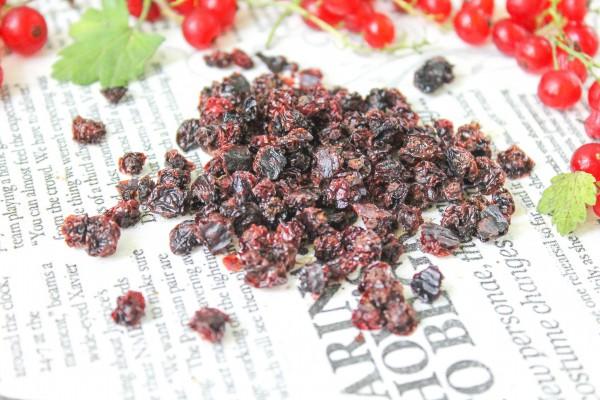
Dried currants
For drying, choose whole, ripe berries. After washing, lay them out on a towel to dry. Preparation methods:
- In the microwave: Place a cotton napkin on a heat-resistant plate and arrange a layer of currants on top. Cover with a second napkin. Drying time is 5 minutes at 200 watts.
- In the oven: Line a baking sheet with two layers of foil or parchment paper and spread the currants in a thin layer. Preheat the oven to 45 degrees Celsius (115 degrees Fahrenheit) and bake for an hour. Then remove the baking sheet, let it cool, and then place it back in the oven to dry at 70 degrees Celsius (158 degrees Fahrenheit).
- In an electric dryer, spread the currants on a tray, preheat the dryer to 50 degrees Celsius for 10 minutes, and then place the tray in the dryer. Currants dry for 8 to 16 hours;
- In the air: Lay natural fabric or parchment paper on a wooden surface, table, or tray, and spread the berries evenly. Place the trays in the shade. Drying will take 2 weeks.
Readiness is determined by the burgundy-red color.
Bones
Currant seeds are rich in essential oils. To extract the oil, use a press attachment on a juicer or construct a homemade device. The seeds are peeled, processed into a pulp, and the oil is pressed out. This oil can be used internally and externally.
Use in cosmetology
Currant leaf extract, oil, and juice are added to cosmetics. Red currant is included in creams and lotions for problematic, oily, and combination skin. Kernel oil is used for rejuvenation, restoring the skin's protective functions, elasticity, and firmness.
The moisturizing, toning, and healing properties of red currant are used in toners for young and mature skin, as well as hand creams. Facial masks offer a softening and whitening effect. Currant seeds are added to scrubs.
Possible harm and contraindications
You should avoid red currants if you have the following illnesses:
- acute gastritis, pancreatitis;
- hepatitis;
- gastric ulcer, intestinal ulcer;
- hemophilia;
- poor blood clotting.
If you're hypersensitive to the chemical composition of berries, you may experience an exacerbation of gastrointestinal problems and diarrhea. Red currants increase the production of digestive enzymes and stomach acidity, stimulating excessive appetite. This effect can lead to overeating.
Healthy people are not recommended to start breakfast with sour berries, as they irritate the gastric mucosa.
Related posts:
 Characteristics and descriptions of the 40 best red currant varieties
 The health benefits and contraindications of black currants
 Description of the red currant variety Sakharnaya, features of planting and care
 Description and characteristics of the 25 best blackcurrant varieties for Siberia
 The health benefits and contraindications of white currants
 Description of the red currant variety Nenaglyadnaya, planting and care
 TOP 10 recipes for red, black, and white currant sauce and ketchup for the winter, and how to store your preparations
 The best and new varieties of black currant for growing in the Urals, planting and care