
- Do you grow currants from seeds?
- Advantages and disadvantages of seed propagation
- Will it bloom and bear fruit?
- Landing specifics
- Choosing the right currant varieties
- How are seeds collected and prepared?
- Preparatory work
- Selecting a container and preparing the soil
- Sowing rules
- We create favorable conditions
- In open ground
- In the greenhouse
- At home
- When to expect the sprout to appear
- Transplantation into open ground
- Further care
It's common knowledge that berry bushes are propagated from seedlings. But you can also do your own selection. You just need to know how to grow currants from seed, which will become the basis of a berry plantation in your garden. This propagation method takes longer, but offers rewarding results.
Do you grow currants from seeds?
To grow a new currant variety, you need to grow the bush from seed. You need to be prepared for the plant and fruit to differ in quality from the original. Propagation by seed produces a different variety. It may have superior qualities, but it may also have developmental deficiencies and characteristics.
Growing from seed takes a long time. But any breeding project requires time, effort, and patience from the gardener.
Advantages and disadvantages of seed propagation
It is worth choosing the method of propagating currants by seeds because it gives the opportunity to:
- diversify the varieties of berry bushes;
- get fresh material for planting in the garden;
- improve the characteristics of the currant species;
- grow a bush at home.
Among the disadvantages of the method is its labor intensity. Currants grown this way will only begin to produce their first harvest after five years. It's difficult to provide such conditions for a berry crop indoors that it will bear fruit annually and increase its yield.
Will it bloom and bear fruit?
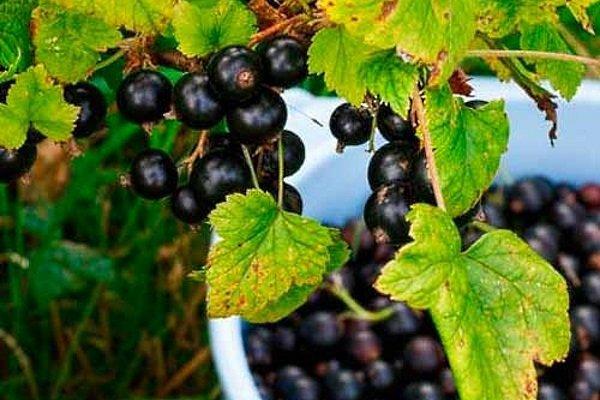
Don't worry if a currant bush grown from seed won't bloom. It will begin to produce buds 4-5 years after planting the seedling. Berries will appear in small numbers at first, but over time, the currant yield will improve.
The plant can then be propagated if the resulting variety has a number of advantages. In this case, the varietal characteristics can be preserved by replanting using a branch or cutting.
Landing specifics
Preparations for planting currant seeds begin in advance. First, you need to select the bush from which the seeds will be harvested. These seeds must be well-ripened to produce viable seedlings.
Choosing the right currant varieties
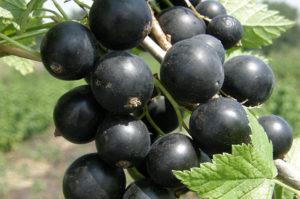
To obtain a high-quality plant with a high yield, select a variety that is renowned for its delicious berries, is easy to care for, and tolerates adverse conditions well:
- The Litvinovskaya variety's berries ripen as early as July. They are sweet and aromatic. The bushes easily tolerate cold and are resistant to fungal infections.
- Black currant Dar Smolyaninova is characterized by self-fertility and high yield.
- The early-ripening Dachnitsa variety has low-growing bushes. The fruits are delicately sweet and thin-skinned.
- Dobrynya currant is slightly damaged by frost and diseases.
- Red currants are chosen early ripening, such as Early Sweet, Natalie.
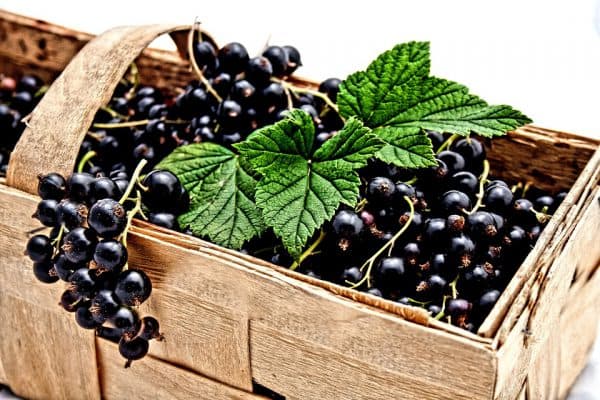
It's best to choose varieties that ripen early. Make sure the fruits have time to ripen. Only these will produce offspring, which will result in a viable seedling.
How are seeds collected and prepared?
There are two ways to obtain planting material.
Ripe berries are crushed or cut in half. Then they are washed to remove the seeds. To do this, press the pulp through a sieve, rinse the seeds in water, and dry them by spreading them out on paper or cloth.
But some gardeners dry the berries first. Now you can extract the currant seeds from the dried pulp.
Harvesting is permitted after winter, in the spring. Fruit that falls to the ground will be hardened by the snow. They will be ideal for planting and more resilient.
Preparatory work
Before planting, prepare currant seeds by soaking them in a potassium permanganate solution. Keep them in a bag for 20 minutes, then rinse and dry. You can also harden the seeds in the refrigerator. Keeping them in the cold for a day or two is sufficient.
Selecting a container and preparing the soil
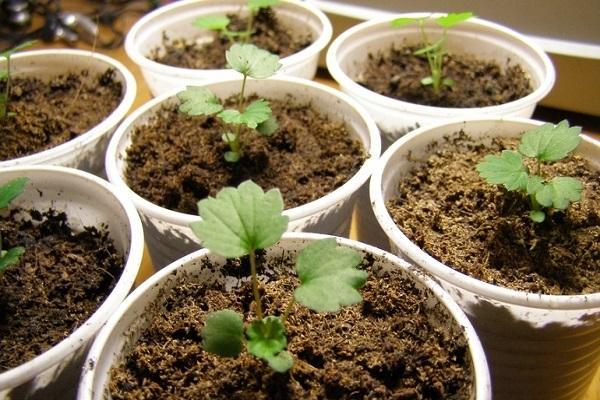
First, sow the currant seeds in plastic or wooden boxes. Pots should also be used. They should be large enough to allow enough room for the roots. The height of the seedling growing container is 25 centimeters.
Be sure to make holes in the box to allow excess moisture to escape from the container.
The soil should be loose and nutritious. It should contain humus, a little charcoal, or coarse sand. The soil is baked in the oven or poured with boiling water. This procedure is carried out a week before planting.

Sowing rules
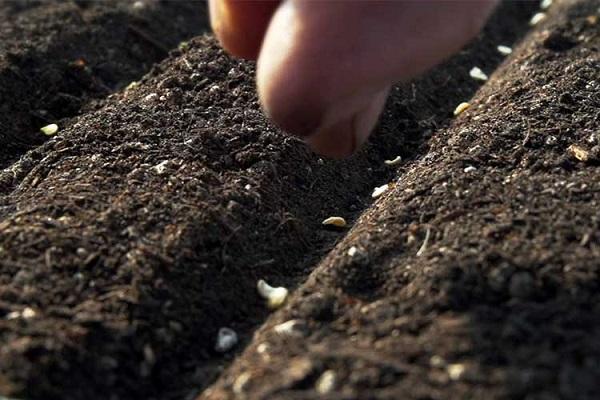
Currants can be sown in spring or fall. Place a layer of drainage material in the container, then prepare nutrient-rich soil. Plant the seeds 1 centimeter deep and cover with sand or dry soil. Water the soil thoroughly and create greenhouse conditions by covering the seedlings with plastic film. Temperatures between 25 and 28 degrees Celsius (77-82 degrees Fahrenheit) are required for currant sprouts to emerge.
If you sow in the fall, you can put the containers with the berry crop in the basement for the winter, taking them out only in the spring.
We create favorable conditions
There are different ways to grow currants from seeds. Some plant the seeds directly in the ground. Others keep the seedlings indoors to allow them to develop.
In open ground
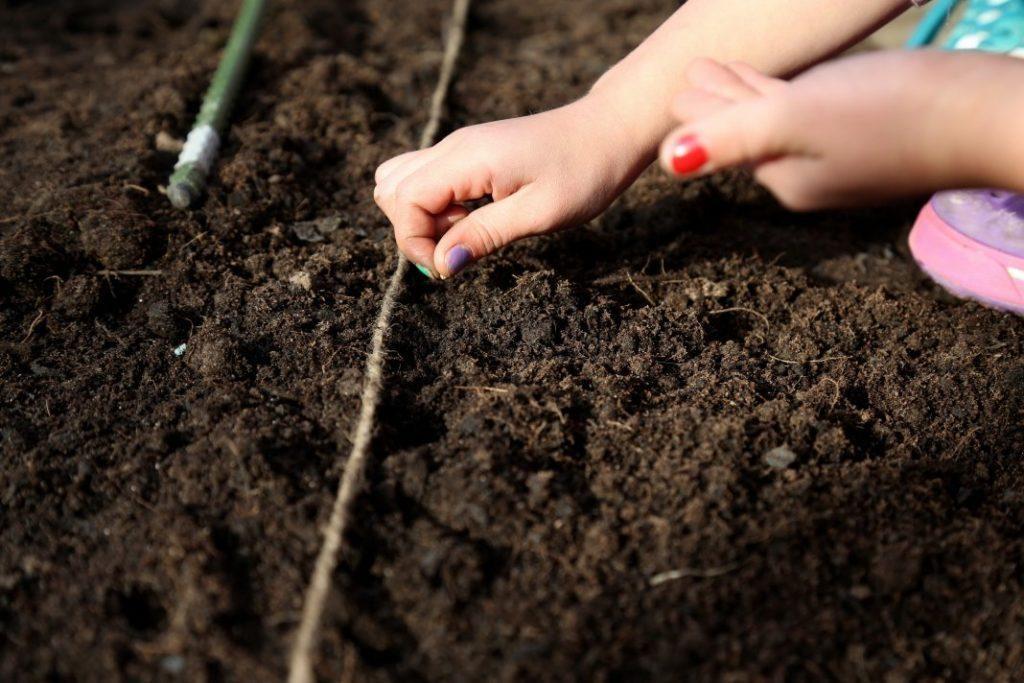
If you've chosen a well-lit spot in the garden for growing currants, dig the soil two weeks before planting. Fertilize the soil and plant in September. The seeds need time to establish and root before frost sets in. Cover the area with spruce branches, sawdust, or non-woven fabric for the winter. Remove the mulch and water in the spring.
In the greenhouse
In regions where winter comes early, boxes of sown currant seeds can be placed in a greenhouse. Cover them with plastic until the seedlings emerge. If the greenhouse is unheated, it's best to store the boxes in the basement. Then, in the spring, when the sun warms them, bring them out into the greenhouse.
At home
Dwarf varieties of berries can be grown indoors. Red varieties won't be suitable, but black ones can. Of course, you won't get a large harvest, and the currant shoots will be weak at first.
As soon as the seedlings sprout, place the pots on sunny windowsills. However, direct sunlight can cause the bushes to wilt, so cover them with paper. Care for the sprouts the same way you would in the garden. Once the seedlings have established themselves, it's best to move them outside. You won't get many berries in an apartment.
When to expect the sprout to appear
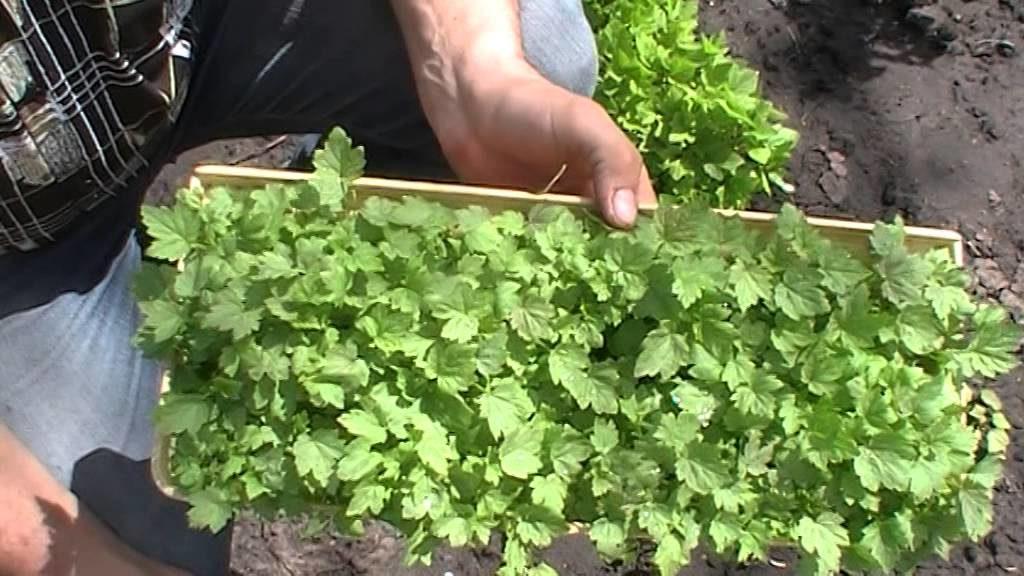
Sprouts emerge from seeds in 25-30 days. They develop poorly during the first year. Growth will be more intense in the second year. Bushes take longer to fully develop indoors than outdoors. Therefore, it's best to transplant two-year-old seedlings into the garden.
Take a look Also
Transplantation into open ground
Prepare a well-lit area for currant seedlings with loose soil. The bushes need as much moisture as possible.
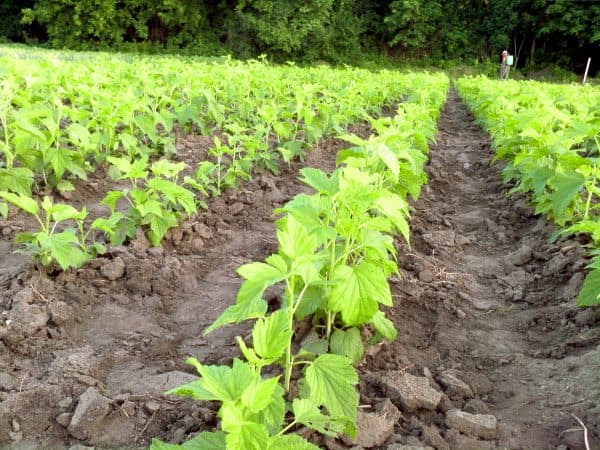
Dig holes 1.5-2 meters apart. Add compost, superphosphate, and potassium salt to each hole. Add fertilizer, mixing it thoroughly with the soil. Carefully transfer the seedling from the pot to the hole. Cover the roots with soil, burying the root collar 6-8 centimeters deep. Firm the soil around the hole and water it with a bucket of water per plant. It's best to mulch the seedlings with manure or compost to a depth of 8 centimeters. In the spring, incorporate the fertilizer into the soil.
Further care
Currant bushes are cared for by watering them regularly. During the summer, they should be thoroughly watered 3-4 times. Two to three buckets of water are poured per bush.
In the 2nd year of life and further, the bush is formed:
- leaving 3-4 strong shoots;
- shortening their tops by a third of their height;
- removing obsolete branches older than 5-6 years;
- pruning frozen and dry branches in the spring.
Currants should be fertilized with a mixture of humus (3-4 kilograms), superphosphate (30-50 grams), and potassium salt (20-25 grams). This amount of fertilizer is applied per square meter. Ammonium nitrate should be added in the spring.
For better fruiting, use a 1:5 solution of mullein and 1:15 of bird droppings. Organic fertilizers are applied during the fruit-setting period. The row spacing in the garden should be regularly loosened to a depth of 8-10 centimeters. Currant plantings should be weeded as soon as weeds appear.
For the winter, in mid-October, berry bushes are covered with tops, straw, and manure.
Related posts:
 20 Best Blackcurrant Winter Preserves Recipes
 Description and rules for growing black currant variety Veloy
 When is the best time to plant currants to get a good harvest?
 Characteristics and descriptions of the 40 best red currant varieties
 TOP 10 recipes for red, black, and white currant sauce and ketchup for the winter, and how to store your preparations
 The health benefits and contraindications of white currants
 Why and what to do if blackcurrant leaves turn yellow
 Description of currant diseases and pests, control methods and treatment