
- Factors and causes of disease development
- Non-infectious
- Infectious
- Common currant diseases and treatment methods
- Marginal necrosis of leaves
- Nectrium desiccation
- Blackcurrant striped mosaic
- Columnar rust
- Goblet rust
- Reversion
- Scab
- Anthracnose
- Septoria
- American powdery mildew
- Pests that parasitize currants and methods of control
- Red tick
- Rose leaf roller
- Blackcurrant berry sawfly
- Leaf gall aphid
- Grooved vine weed
- Downy-backed caterpillars
- Geometrid caterpillars
- Scale insect
- Glass-box
- Kidney mite
- Currant aphid
- Firefly
- Kidney moth
- Prevention
- Timing and rules for seasonal treatments
- In the spring
- In summer
- In the fall
- Selecting disease- and pest-resistant varieties
- Recommendations and tips for crop care for beginners
- Conclusion
Currant growers often encounter various problems. The most common is the emergence of dangerous diseases that can lead to the death of the bush. Therefore, it is recommended to familiarize yourself with the characteristics of common currant diseases and recommendations for their treatment.
Factors and causes of disease development
There are various factors that lead to the emergence and further development of dangerous diseases.
Non-infectious
Sometimes diseases develop due to non-infectious factors that contribute to their development. The main causes of pathologies include excessive lime in the soil or a lack of mineral components. Diseases can also develop due to a lack of the following substances in the soil, which are essential for mineral absorption:
- magnesium;
- sulfur;
- zinc;
- iron.
Infectious
Most often, shrubs develop infectious diseases that appear early in the growing season. Most of these diseases are caused by dangerous fungi found in the upper layers of the soil. They are transmitted to the shrubs by tools used to cultivate the soil. Greenish streaks on the leaf blades indicate the development of infectious diseases.
Common currant diseases and treatment methods
There are ten common diseases that most often affect currants.
Marginal necrosis of leaves
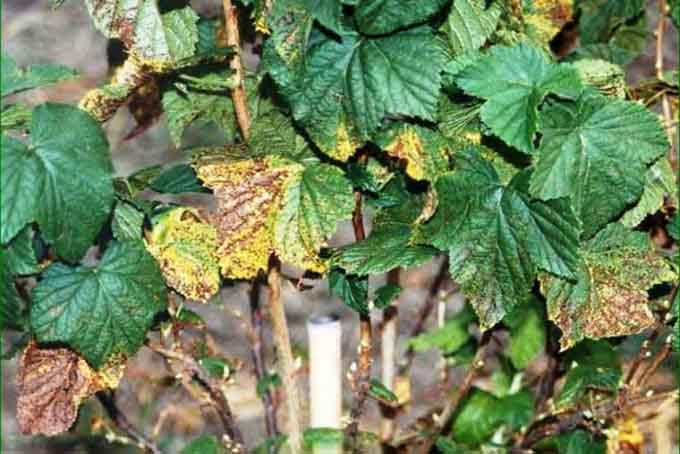
This is a non-parasitic disease, the symptoms of which appear a month after infection. The first signs of necrosis appear on the tips of the leaf blades. They become covered with dark spots, which eventually spread to the entire leaf surface.
If necrosis isn't treated promptly, the currant bush will die. The following methods are available for control:
- digging the soil;
- pruning the upper part of the shoots;
- application of organic and mineral fertilizers;
- treatment with copper sulfate.
Nectrium desiccation
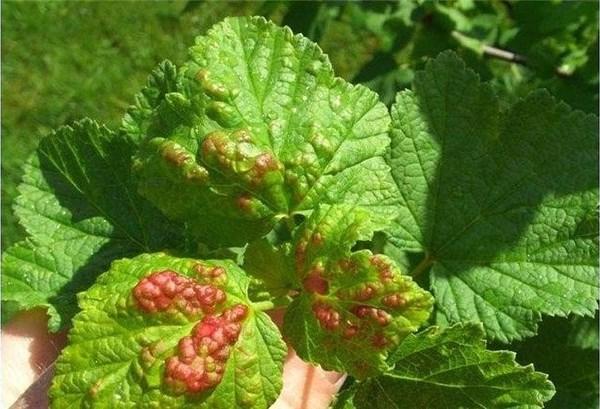
This is one of the most serious diseases affecting white and red currants. As the disease progresses, all infected bushes dry out and stop producing fruit. The main symptom of the development of nectrium wilt is the appearance of reddish bumps on the surface of the foliage.
There's no cure for the disease, so it's recommended to follow preventative measures. To prevent seedlings from becoming infected, regularly feed them and remove weeds from the area.
Blackcurrant striped mosaic
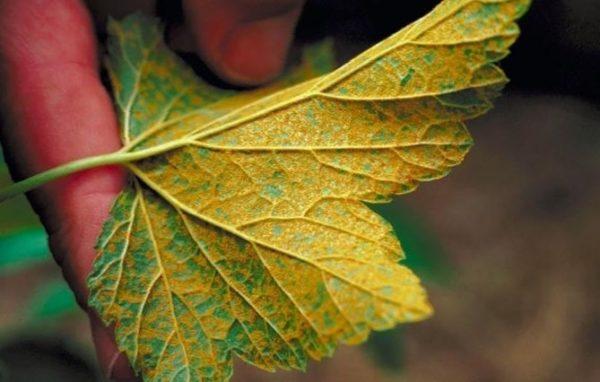
In the first half of June, many currant bushes become infected with stripe mosaic. The main symptom of the disease is pale spots on the foliage. These gradually become lighter in color and cover the entire leaf blade. Once stripe mosaic develops, all infected seedlings are dug up and burned, as there is no cure.
Columnar rust
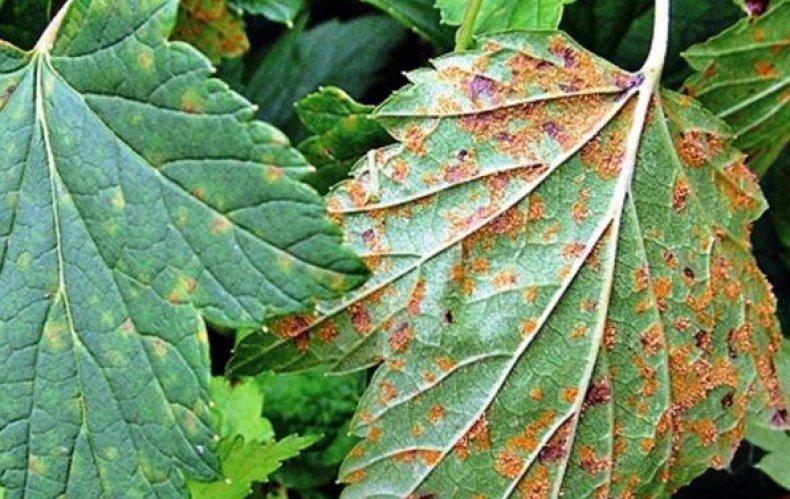
This is a common disease that appears in early to mid-summer. Humid and warm weather favors the appearance and further development of columnar rust. The disease's onset is indicated by rusty spots appearing on the trunk and branches. To protect currant bushes from rust, periodically collect fallen leaves and treat the bushes with Bordeaux mixture.

Goblet rust
Some currant seedlings are susceptible to cup rust. This disease is very dangerous, as it attacks not only the foliage and stem but also young fruit buds.
Most often, bushes that are grown near sedge are affected by cup rust.
Brown spots, which may have a slight yellowish tint, appear on the foliage surface. Therefore, if the plant has yellow or brown leaves, it has cup rust. To prevent the leaves from turning yellow, periodically treat them with Fitosporin or Bordeaux mixture.
Reversion
Reversion is a dangerous disease that affects all varieties of currants. The leaves on affected bushes become covered with purple spots. There is no cure for reversion, so infected plants must be destroyed.
Scab
Mature currant bushes often suffer from scab, which is often confused with powdery mildew. Characteristic symptoms include a white coating on the foliage. To prevent the disease, spray the bushes with urea in early March. For prevention, collect all fallen leaves from the area in the fall. If the bushes are infected with scab, treatment with Bordeaux mixture will help cure them. Horus or Aktara are also considered effective anti-scab treatments.
Anthracnose
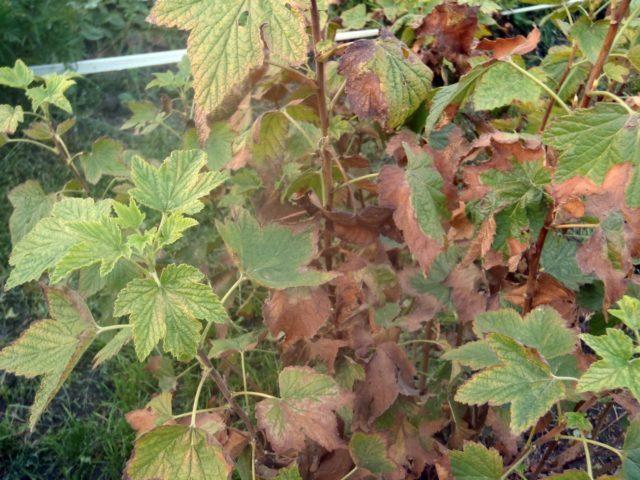
Anthracnose is a fungal disease that affects not only currants but also other garden plants. Characteristic symptoms can help identify the disease and make an accurate diagnosis. The surface of the leaves of infected bushes gradually becomes covered with mold. Without prompt treatment, the foliage will turn yellow and fall off. Treatment with Bordeaux mixture is recommended. If this doesn't help, the bushes are destroyed.
Septoria
This disease develops after infection by a fungus found in fallen leaves. Plants affected by septoria leaf spot develop brownish spots and white dots on their leaves. The spots gradually spread and cover all the leaves. All infected seedlings must be sprayed with Niyafen or copper sulfate.
American powdery mildew
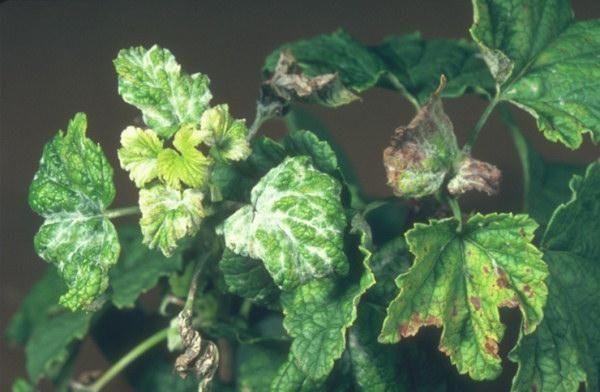
A fungal disease that appears in the second half of July on young currant seedlings. As powdery mildew develops, a white coating appears on the foliage and berries, gradually developing into a web-like texture. If left untreated, the coating will spread to older foliage. Infected bushes stop producing fruit, so treatment is necessary at the first sign of symptoms. A solution of ferrous sulfate can help eliminate powdery mildew.
Pests that parasitize currants and methods of control
There are several pests that can attack currant bushes.
Red tick
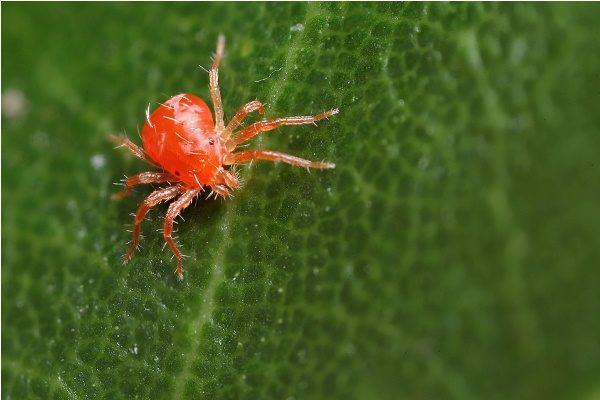
Spider mites are considered a dangerous pest that can infest both garden and houseplants. These insects are only half a millimeter long, making them difficult to spot. People most often notice spider mites because they appear as brown spots on leaves.
Special fungicidal preparations and garlic mixtures will help get rid of the parasite.
Rose leaf roller
The berries and buds of currant bushes are often attacked by the rose leaf roller. This insect resembles a common caterpillar, about 2-3 centimeters long.
The main cause of the insect's appearance is believed to be uncollected foliage, where the leaf roller spends the winter. The pest feeds on the foliage of seedlings and flower buds.
To get rid of rose leaf rollers and cure currants, use "Gardona" or "Zolon".
Take a look Also
Blackcurrant berry sawfly
This greenish pest overwinters inside cocoons made of webbing. In the spring, the insect emerges from the soil and attacks garden plants. To quickly get rid of the blackcurrant sawfly, treatment is carried out in two stages. First, the bushes are sprayed in the spring after buds appear, and again at the end of May, after flowering has finished.
Leaf gall aphid
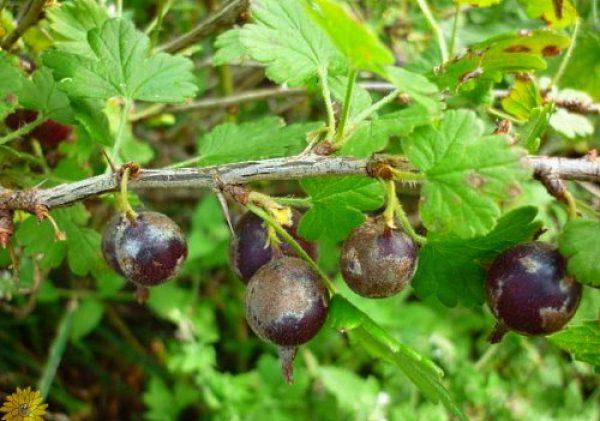
If there are small holes in the foliage, the plant has been attacked by gall aphids. These pests live in the bark during the winter, near the buds. In the spring, gall aphids become active and gradually migrate to the green foliage. To prevent the insects from completely devouring the leaf blades, it's important to get rid of the aphids promptly. To do this, spray the affected seedlings with insecticides or soapy water.
Grooved vine weed
This is a large beetle, growing up to one and a half centimeters long. Its black coloration makes it easy to spot on the surface of green leaves. Experts recommend quickly eliminating the black vine weevil before it begins feeding on the leaves. Effective insecticides can be used for this purpose.
Downy-backed caterpillars
Currant borers are hairy pests that attack red and black currants in the spring. Initially, the worms are unnoticeable, but over time they eat the foliage, causing it to develop yellow spots. Both specialized treatments and folk remedies can help get rid of currant borers. Seedlings can be sprayed with Bordeaux mixture and copper sulfate.
Geometrid caterpillars
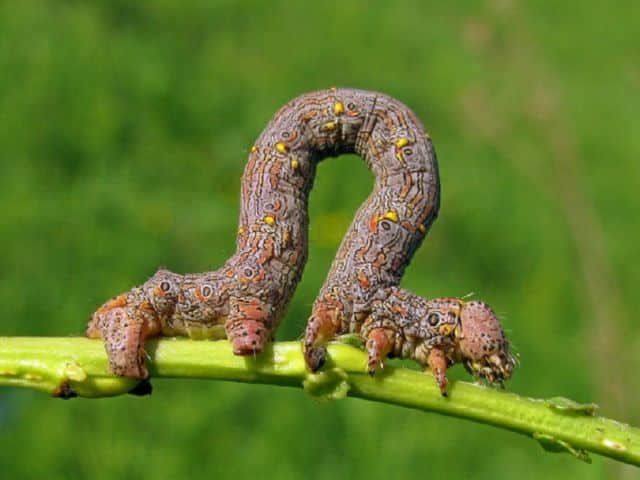
This dangerous pest feeds on the foliage of currant seedlings. The caterpillar larvae leave small holes on the surface of the leaves, around which a yellowing develops. All moths must be destroyed before the beginning of summer, before the females have time to lay eggs. Insecticides can help eliminate the caterpillars.
Scale insect
Scale insects often attack young seedlings. Male and female scale insects have distinctive features that should be recognized. Females are pear-shaped, while males are elongated. The insect attacks garden plants during flowering. Getting rid of the pest is difficult, but possible. To eliminate it, infested plants are sprayed with Bordeaux mixture.
Glass-box
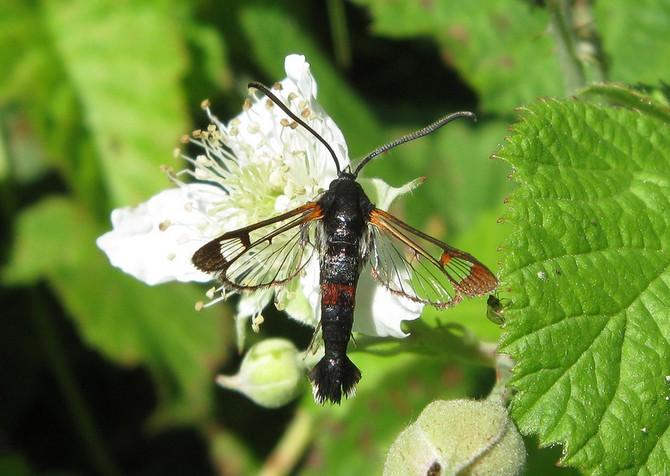
The fluffy glasswing moth lays eggs in the bark of bushes, after which the hatched caterpillars begin feeding on the foliage. Gradually, the caterpillars emerge as moths with scaly coverings. Getting rid of these pests requires a comprehensive approach. First, prune the bushes and remove all damaged branches. Then, treat the seedlings with insecticides.
Kidney mite
These bugs are considered the most dangerous pests for currant bushes, as they attack young buds. If bud mites are not eliminated promptly, they will quickly multiply and infest neighboring plants. To protect seedlings from these pests, plant garlic or onions near the currant bushes. A solution made from these plants will also help eliminate the insects.
Currant aphid
Aphids are dark-colored pests that live under the bark and feed on the leaves and shoots of seedlings. If there are too many aphids, the foliage gradually dries out and begins to fall off. Affected seedlings can be treated with soapy water or anthracnose treatments.
Take a look Also
Firefly
This dangerous moth appears on currant bushes in late spring or late spring. It is a large insect, growing up to four centimeters long. Its wings are green and covered with several brown stripes. To control this pest, remove all webbing from the seedlings and spray with insecticides.
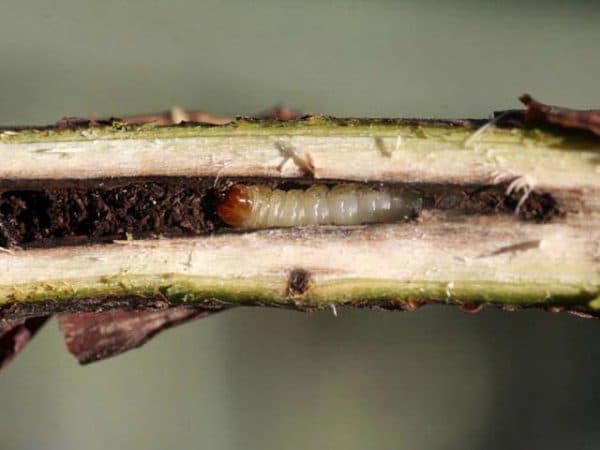
Kidney moth
Currant bud moths can overwinter in loose bark, appearing on the leaves of the bushes after warmer weather. The pest feeds on shoots and young berries. Control of bud moths should begin in the spring, before the females have time to lay eggs. Seedlings should be treated with "Karbofos" at least three times.
Prevention
Many gardeners don't know what to do to protect their currant seedlings. There are preventative measures that can help prevent pests and diseases.
Timing and rules for seasonal treatments
Preventative methods are identified that will help protect currants in spring, autumn and summer.
In the spring
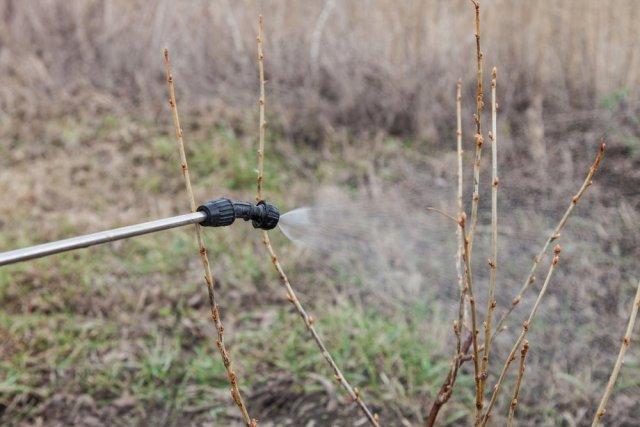
In spring, experts recommend treating seedlings with boiled water to kill pests and pathogens. The water temperature during spraying should not exceed 80 degrees Celsius to avoid harming the plant.
In summer
Preventative treatment is carried out in the summer before the currants ripen. To protect seedlings from diseases and insects, they are treated with fungicides and insecticides. Spraying is carried out 2-3 times during the summer.
In the fall
Disease prevention is also important in early autumn. In October and early November, all fallen leaves, which can harbor pests, should be removed. It is also necessary to dig up the area and treat the soil with boiling water.
Selecting disease- and pest-resistant varieties
Some people don't want to have to deal with treating diseased bushes in the future. In this case, it's better to plant varieties that are resistant to most diseases and pests. These include:
- Summer resident;
- Exotic;
- Loyalty;
- Perun;
- Mermaid;
- Katyusha.
Recommendations and tips for crop care for beginners
There are several tips for proper care of planted currants:
- regular fertilization starting from the end of April;
- periodic watering of bushes with warm water;
- weed removal;
- preventive treatment of seedlings with fungicides;
- pruning non-fruit-bearing shoots.
Conclusion
People who grow currants in their gardens must regularly treat them. Before starting treatment, it's important to familiarize yourself with the main berry diseases and how to eliminate them.
Related posts:
 20 Best Blackcurrant Winter Preserves Recipes
 When is the best time to plant currants to get a good harvest?
 Description of green currant varieties, planting and care features
 Description and rules for growing black currant variety Veloy
 Characteristics and descriptions of the 40 best red currant varieties
 Description of the red currant variety Sakharnaya, features of planting and care
 How to treat grapes for mildew, the best control measures and treatment rules
 TOP 10 recipes for red, black, and white currant sauce and ketchup for the winter, and how to store your preparations