
- Which varieties of currants are susceptible to mites?
- Causes and factors contributing to the appearance of parasites
- Signs of parasitism
- Kidney mite
- Cobweb
- What threat do they pose to plants and crops?
- Means and methods for destroying ticks
- We use folk recipes
- Biological enemies
- Plants for pest control
- Insecticides
- Chemical acaricides
- Biopreparations
- Agrotechnical techniques
- Description of actions for cleansing from parasites by fire
- How to pour hot water on bushes
- Timing and technology of bush treatment
- We fight the uninvited pest before the currants start blooming.
- We destroy parasites during fruiting
- Preventing ticks in the garden
- Growing resistant currant varieties
- Sanitary pruning
- Seasonal treatments
Many people are interested in how to combat spider mites on currants. To combat the problem, gardeners use biological products and more powerful chemicals – acaricides. In simple cases, cultivating techniques and folk remedies may be sufficient. To prevent recurrence, special attention should be paid to preventative measures.
Which varieties of currants are susceptible to mites?
Currants are susceptible to spider mite attacks due to poor weather conditions or improper plant care. Some varieties have low resistance to these pests.
These include the following:
- Black pearl;
- Gulliver;
- Nika;
- Rhapsody;
- Lama.
Causes and factors contributing to the appearance of parasites
The key reasons for spider mite attacks include the following:
- Dry air combined with high temperatures. This type of weather is considered the most favorable for the active reproduction of harmful insects. However, ticks can also survive in low temperatures for a while.
- Nutrient deficiencies in the soil. Weakened plants become more vulnerable to mites.
- Infestation from other crops in the garden. Therefore, experienced gardeners advise immediately localizing affected areas and immediately beginning pest control to stop their proliferation.
- Plants are dusty. Mites thrive in this environment. To prevent their active reproduction, currants should be watered periodically.
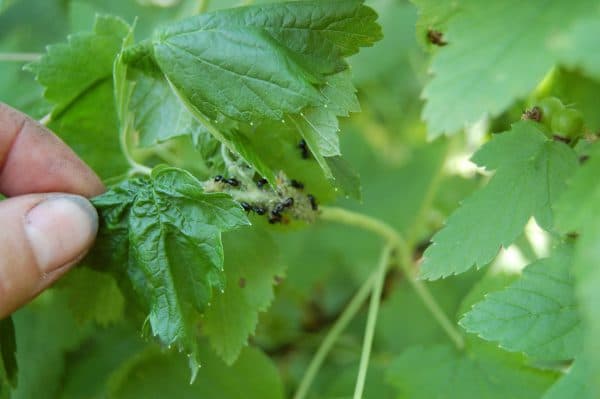
If the root cause of the problem isn't addressed, pest control will only provide temporary relief. A female currant can lay up to 200 eggs per day. Therefore, currant treatment must be comprehensive.
Signs of parasitism
Symptoms of infestation of red and black currants depend on the species of parasite. Plants are attacked by spider mites and bud mites.
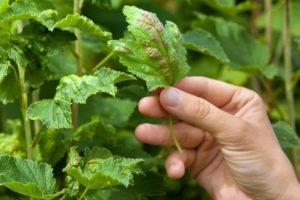
Kidney mite
You can identify the pest by the appearance of the buds. They become enlarged and deformed. Round buds then transform into irregularly shaped leaves. The bud mite causes the leaves to lose color and become rough.
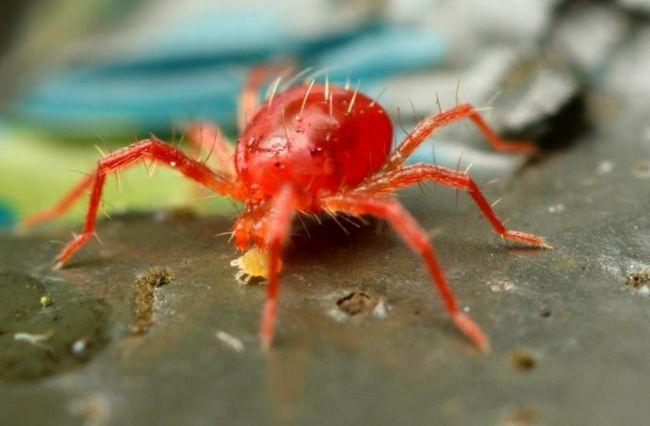
After some time, the affected currant shoots stop developing. The insects spread rapidly throughout the plant. If action is not taken promptly, the crop risks dying.
Cobweb
Spider mites are easy to spot. The key sign is the formation of a fine web, which is found on leaves, between shoots, and on berries. The pests feed on the sap of currant leaves. As a result, the affected parts lose their shape and become spotted. Rotting begins.
What threat do they pose to plants and crops?
Failure to take timely action to control pests can result in complete crop loss. Mites cause yield losses, damage fruit buds, and damage foliage.
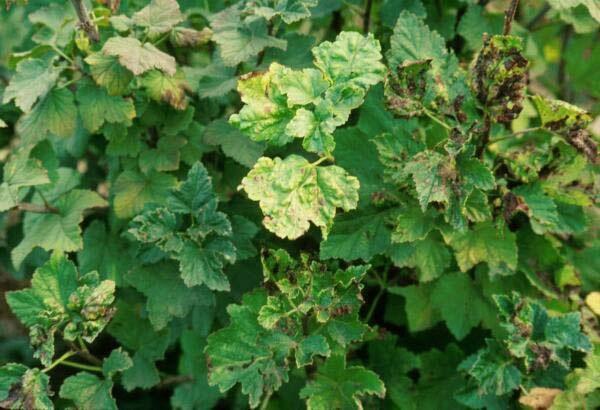
Failure to treat plants immediately significantly increases the risk of infectious diseases. Even disease-resistant currant varieties are susceptible to viruses. The presence of pests also increases the risk of powdery mildew.
Means and methods for destroying ticks
To get rid of ticks, it's important to choose the right repellent. Folk remedies and more powerful chemical compounds are used for this purpose.
We use folk recipes
To get rid of ticks, you can use the following recipes:
- Garlic infusion. Take 150 grams of garlic peel and mix it with a bucket of water. Let it sit for 24 hours. You can also make a mixture using fresh garlic. To do this, use 200 grams of fresh garlic per 10 liters of water. Let it sit for 2 hours.
- Dandelion infusion. Take 0.50 kilograms of leaves and 200 grams of roots. Pour a bucket of warm water over them and let sit for several hours. Strain before using.
- Mustard infusion. To prepare it, use 200 grams of powder per bucket of water. It is recommended to strain the mixture after 12 hours.
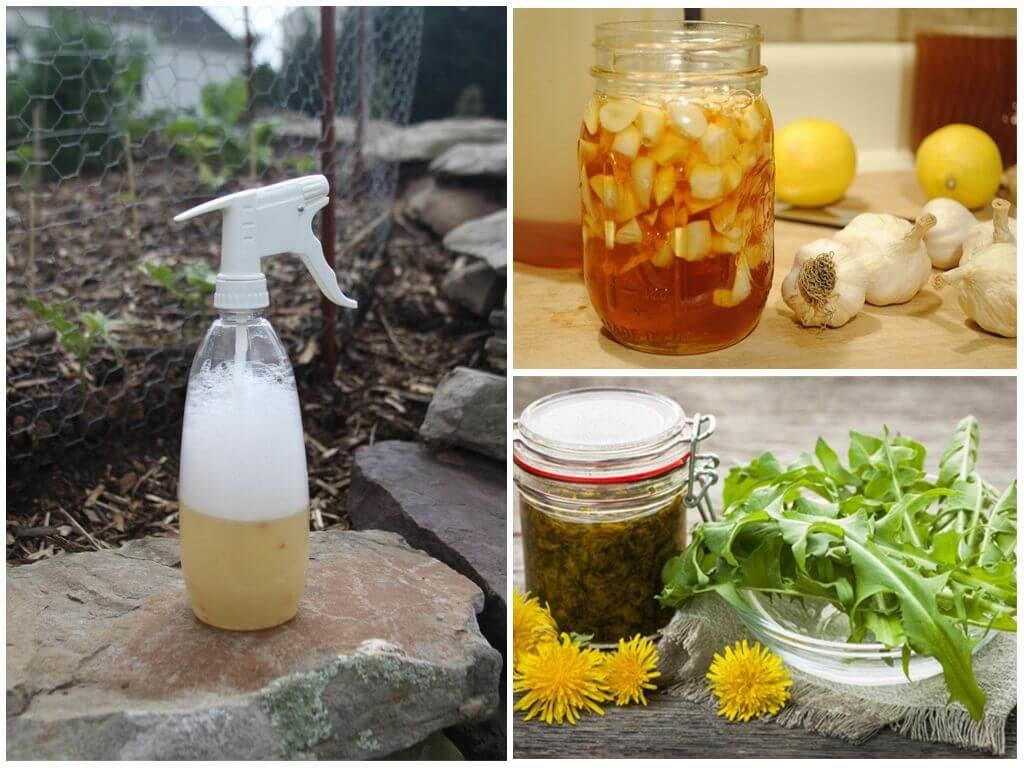
Folk remedies are recommended for simple cases with a small number of pests. Bushes should be treated twice: during bud formation and after flowering.
Biological enemies
In the wild, parasites have enemies, including predatory mites. This pest control method is acceptable when growing currants in a greenhouse. However, the simultaneous use of acaricides is prohibited, as they have an adverse effect on all mites.
Take a look Also
Plants for pest control
There are plants that promote shrub growth and can be used to control spider mites. These include the following:
- celandine;
- calendula;
- garden dandelion;
- datura herb;
- sagebrush;
- yarrow.
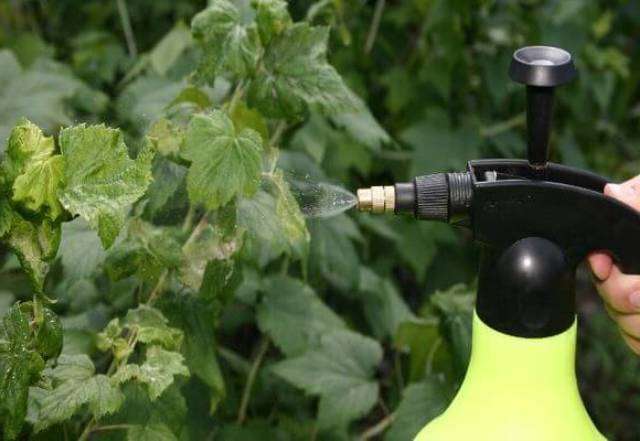
Dried herbs can be used. It's recommended to place them in bags near plants. This will repel pests.
Insecticides
These pests are not affected by conventional insecticides, as they are not insects. When such pests appear, acaricides should be used. Insectoacaricides are also often used for pest control.
Chemical acaricides
It is recommended to use an acaricide solution before bud break. The most popular and effective options include Akarin, Bitoxibacillin, and Agravertin. Pests die within 24 hours after application. For 20-26 days, the foliage is covered with a special layer that repels pests.
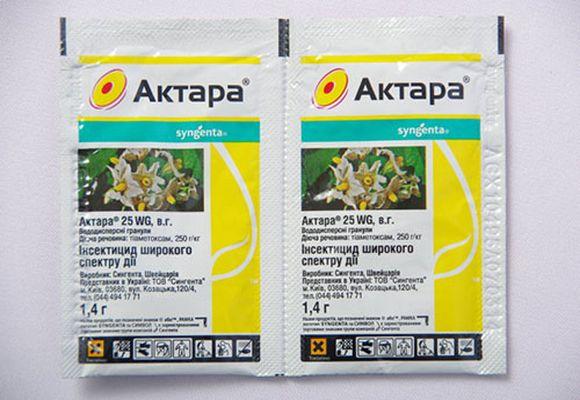
It's recommended to treat plants in dry, windless weather. Spray the leaves on each side, 2-3 times every 5 days. It's best to alternate the products, as pests develop resistance to chemicals.
Biopreparations
To combat ticks, you can use biological products. They are an excellent alternative to chemicals. These products contain bacterial microorganisms and antagonist fungi. Popular products include Lepidocide, Bisolbifit, and Fitoverm.
Agrotechnical techniques
To control ticks, it is necessary to use specialized agricultural products. These measures are highly effective.
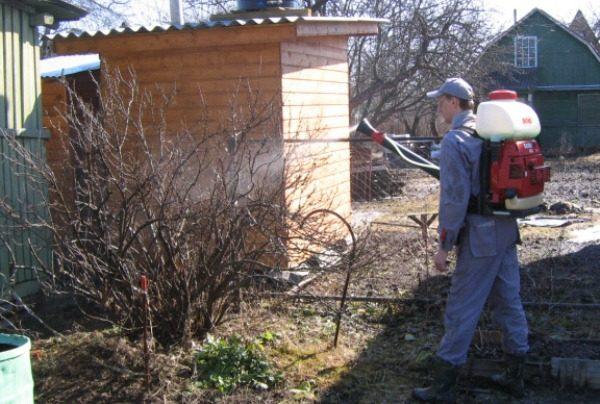
Description of actions for cleansing from parasites by fire
First, you need to perform a sanitary pruning of the plant. To do this, use a blowtorch to burn the branches at a distance of 10 centimeters. Move the lamp quickly from top to bottom.
This is done several times. It's important not to hold the device in one place for too long.
Most mites and aphids can be controlled by using fire. Healthy buds and the plant itself are not harmed. This method does not completely eliminate the pests, but it will significantly reduce their activity.
How to pour hot water on bushes
Pouring boiling water over currant bushes helps kill mite larvae before they reproduce. This procedure also increases the plant's resistance to powdery mildew. When performing this procedure, follow these recommendations:
- To avoid harming your kidneys, use slightly cooled water – its temperature should be 90 degrees;
- To make the procedure easier, the branches should be tied at the top;
- It is recommended to use a watering can for watering;
- The bushes need to be watered before the buds appear - the next treatment is carried out only after the leaves have fallen.
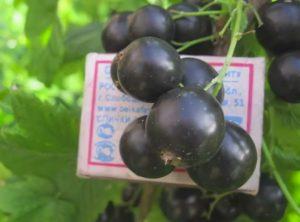
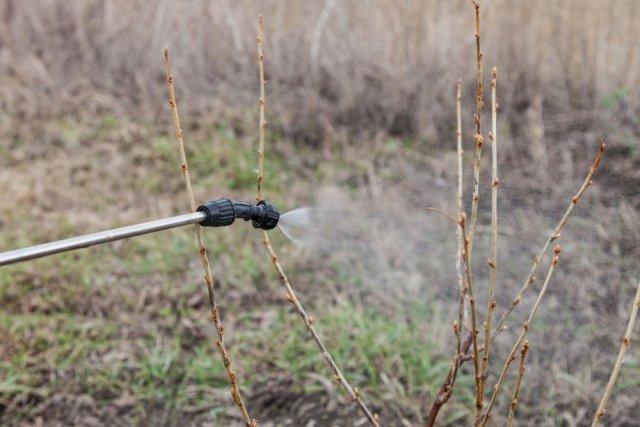
Timing and technology of bush treatment
Many gardeners are wondering what to do if they're attacked by ticks. To achieve excellent results, follow expert advice.
We fight the uninvited pest before the currants start blooming.
Before flowering, natural remedies are used. These methods are used to combat spider mites that survived the winter and their larvae.
We destroy parasites during fruiting
During the fruiting period, the use of chemicals is prohibited. It's better to use natural remedies. After harvesting, stronger treatments are acceptable. Autumn treatment will help prevent larval development on the plant.
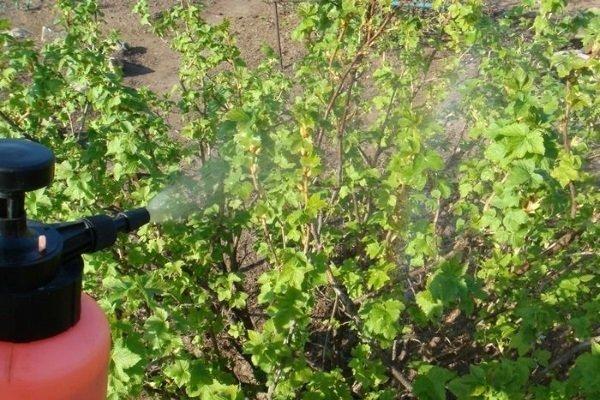
Preventing ticks in the garden
To avoid active development of ticks, it is necessary to carry out preventive measures.
Growing resistant currant varieties
The following are considered resistant varieties:
- In memory of Michurin;
- Mystery;
- Minx;
- Nightingale night;
- Sevchanka.
Sanitary pruning
This type of pruning is usually not performed in the spring. It begins immediately after the leaves fall. During this time, it's important to remove broken, dried, and weakened branches.
Seasonal treatments
In the fall, immediately after the berry harvest, it is recommended to treat the bushes and row spacing with a solution of Bordeaux mixture. After the leaves fall, disinfect the soil with a solution of potassium permanganate. Copper sulfate can also be used.
Currants are often attacked by spider mites. Folk remedies can be used to eliminate the pests. In severe cases, more powerful acaricides are necessary.
Related posts:
 20 Best Blackcurrant Winter Preserves Recipes
 Description and rules for growing black currant variety Veloy
 The health benefits and contraindications of black currants
 Characteristics and descriptions of the 40 best red currant varieties
 The health benefits and contraindications of white currants
 When is the best time to plant currants to get a good harvest?
 Why and what to do if blackcurrant leaves turn yellow
 TOP 10 recipes for red, black, and white currant sauce and ketchup for the winter, and how to store your preparations