
- Types of aphids that attack currants
- Gall or leaf
- Gooseberry or shoot
- Signs of parasitism
- What are the dangers for the bush and the harvest?
- Methods of insect control
- Sanitary pruning and tearing off affected leaves
- Biological enemies
- Planting repellent plants
- Birds
- Folk recipes
- Ammonia
- Soda
- Herbal infusions and decoctions
- Using boiling water
- Laundry soap, tobacco, essential oils
- Trichopolum and tar
- Celandine
- Potassium permanganate
- Ash
- With mustard and garlic
- Biological drugs
- Chemicals
- Control measures if there are already fruits
- Prevention
- Selecting resistant varieties
- Compliance with agricultural practices
- Seasonal treatments
- Result
Currant aphids are a common problem, and knowing how to combat them is essential to preserving your harvest. Proper care not only prevents insect attacks but also protects the crop from potential diseases carried by aphids.
Types of aphids that attack currants
Aphid infestations on currants are a common problem for gardeners. These pests can come in a variety of forms, so it's important to take a close look at the insect before attempting to control them.
Gall or leaf
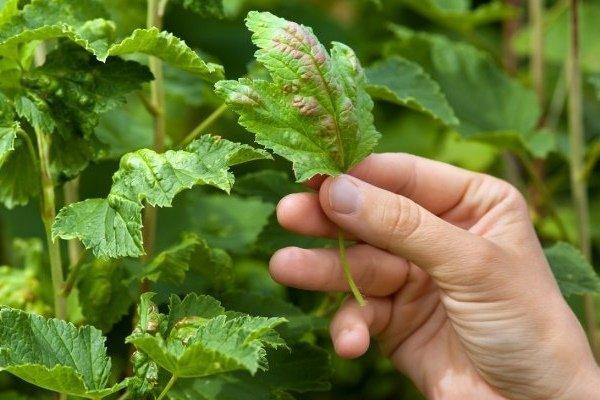
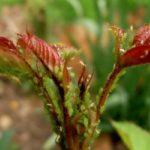
This insect species most often appears on red and white currants, but in some cases it also appears on black chokeberries. The red gall aphid causes significant damage to the crop, manifesting as red and brown lesions on the foliage. An infested bush quickly loses its vitality, leading to crop failure. Aphids appear on red and white currants because the leaves of these crops are more tender and juicy.
Gooseberry or shoot
It appears on leaves and shoots. Greenflies most often congregate on young shoots, reproduce rapidly, and can infest an entire garden plot in a short time.
Signs of parasitism
To identify the first symptoms of aphids on currant bushes, you need to carefully observe the bush and take into account the following signs:
- the bush was attacked by small green midges, which accumulate under the leaves in large numbers and are green in color;
- leaves curl and wither;
- the appearance of ants on the bushes, which feed on the sticky liquid secreted by aphids;
- leaves lose their shape, buds dry up without opening;
- The presence of black aphids can be seen on young shoots and on the underside of leaves.
Bushes infested with aphids develop poorly and wither.
What are the dangers for the bush and the harvest?
Bushes infested with aphids barely develop, and young shoots quickly wither and fall off. Aphids can completely destroy a bush in a short time. Plants attacked by aphids do not produce the desired yield and may harbor the pest's larvae for the following season.
Take a look Also
Methods of insect control
Pest control measures may vary in intensity depending on the extent of damage and the age of the currant.
Sanitary pruning and tearing off affected leaves
To prevent pests from causing death, the bush must undergo sanitary pruning. This involves removing all damaged shoots and leaves containing insect eggs. The plant should be inspected every 3-5 days.
Biological enemies
If the pest infestation is small, you can use biological enemies that feed on the insect. These include ladybugs and ground beetles.
Planting repellent plants
Some plants help repel aphids by releasing a strong odor. These plants include:
- garlic;
- lavender;
- marigold;
- onion;
- calendula;
- thyme.
Plants should be planted close to bushes to reduce the risk of pests.
Birds
Some birds eat aphids, such birds include:
- sparrows;
- tits;
- kinglets.
However, it is necessary to take into account that birds can damage the bush in the process of eating insects.
Folk recipes
To get rid of aphids, you can use folk methods that have proven their effectiveness.
Ammonia
You can save the bushes using ammonia. To do this, dissolve 2 tablespoons of ammonia in a bucket of water and add 2 tablespoons of liquid soap. Spray the bushes with the resulting solution.
Soda
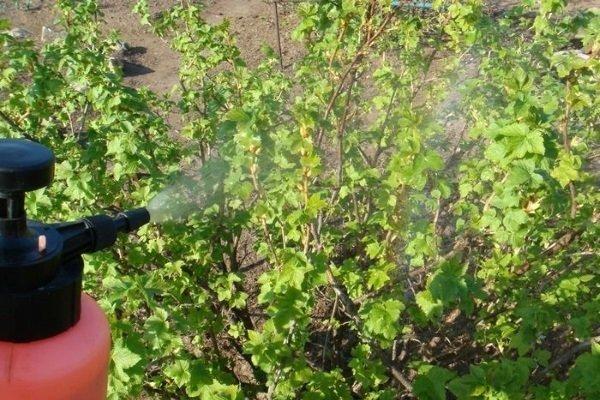
This method is effective when insects have just appeared. Add 6-7 tablespoons of baking soda and one tablespoon of liquid soap. Spray the bush with the resulting solution in the evening.
Important: Baking soda is not recommended for plants less than 2 years old.
Herbal infusions and decoctions
The following infusions can be used to remove aphids:
- Tomato leaf infusion. Chop 1 kilogram of tomato tops and add a bucket of water. Let sit for 24 hours, then strain and apply to the bush.
- Marigold infusion. Chop the plant and add equal parts water. Let it sit for 24 hours, strain, and dilute with water in a 1:2 ratio. Spray the currants with it.
- Onion and garlic: Chop 1 head of each onion and garlic. Mix and pour in a liter of boiling water. Let the mixture sit overnight, then strain and mix with 5 liters of water.
The infusions have a specific smell and repel pests.
Using boiling water
Boiling water should only be used in early spring, before the buds begin to open. Pour a bucket of boiling water into a watering can and water the bush. Cover the root area.
Laundry soap, tobacco, essential oils
Currant bushes can be treated in the following ways:
- Laundry soap solution. Dissolve a bar of soap in water and spray the bushes.
- Tobacco dust - a glass of powder is dissolved in 5 liters of water and sprayed.
- You can treat currants using essential oils (60 drops per bucket); tea tree and lavender oils are suitable.
These techniques can be repeated every 10 days.
Trichopolum and tar
Trichopol contains the active ingredient metronidazole, which destroys the soft tissue of insects. To remove the pest, mix 10 tablets in a bucket of water. Add 50 grams of liquid tar soap and apply to the crop. This method eliminates aphids without harming the plant.
Celandine
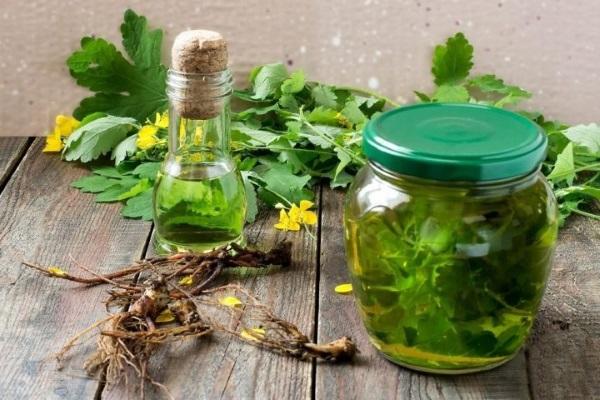
Chop 3 kilograms of herbs and add 10 liters of water. Let the mixture steep for 24 hours, then strain. Spray the bushes in the evening.
Potassium permanganate
Prepare a dilute solution. Spray the plant several times, at least 5 days apart. To remove aphids, spray the bush thoroughly using a spray bottle.
Important: When using potassium permanganate, prepare a pink solution. Too much consistency can cause burns.
Ash
You can eliminate the pest using wood ash. To do this, dissolve 200 grams in a bucket of water and apply it to the crop.
With mustard and garlic
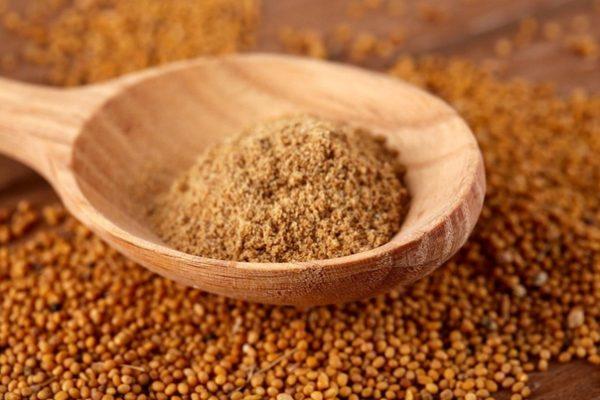
To quickly eliminate the pest, you can prepare a mustard solution by mixing 200 grams of dry powder and 5 liters of water. For increased effectiveness, you can add a garlic solution to the solution. Apply the resulting mixture every 10 days.
Biological drugs
To eliminate pests without harming crops, you can use biological products. These include:
- "Aktofit";
- "Bitoxibacillin";
- "Biotlin";
- Fitoverm.
After treatment with biological preparations, the berries can be consumed as food within 3-4 days after treatment.
Chemicals
Large infestations require the use of potent medications. These include:
- "Actellic";
- "Aktara";
- "Spark";
- Karbofos.
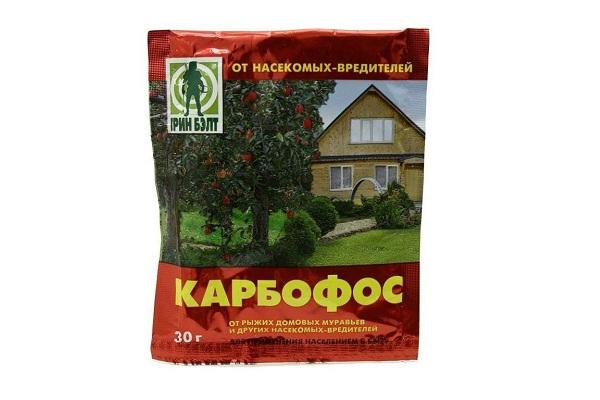
Using chemicals, you can eliminate pests the first time. However, regular inspection of the bushes is essential.
Control measures if there are already fruits
On bushes where fruit is already ripening, it's important to handle the plant with caution. The following methods are available to save the bushes:
- manual insect collection method;
- treatment with soap solution during the fruiting period;
- During the ripening period, treatment can be carried out using smoke fumigation.
After using any method, the berries can be consumed within 2 days. Plants can also be treated after harvest. This will reduce the risk of larval formation and re-infestation.
Prevention
To prevent pest infestations, it's important to treat your bushes with specific preventative treatments in a timely manner. These include:
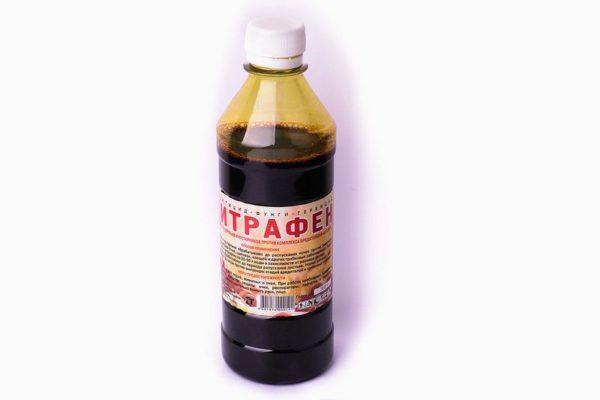
- Nitrafen;
- Bordeaux mixture.
Proper care of the plant and timely application of fertilizers are also of great importance.
Selecting resistant varieties
To reduce the risk of crop loss due to aphid infestation, specialized varieties with resistance are used. These include:
- Kipiana;
- Katyusha;
- Selencheskaya;
- Natalie;
- Ural.
These varieties are much less susceptible to aphid attacks and are distinguished by their productivity.
Compliance with agricultural practices
To reduce the plant's exposure to diseases and pests, it is important to follow all care instructions. In the summer, carry out sanitary pruning the bush and spraying the currants after harvesting For prevention, use special preparations. It's also important to apply fertilizers and water regularly.
Seasonal treatments
Seasonal treatments are essential for a successful harvest. In the fall, the bush is pruned and treated with pesticides to remove any larvae that hide in the bark. The crop can be protected from pests by treating the bush in early spring and in June before the berries ripen. Regular monitoring of the plant can also protect the harvest, as the pest is easily eliminated in the early stages of development.
Result
Currant aphids can appear at any stage of the plant's development, but they most often attack in May and June, as the bush has many young shoots. Affected currants have low yields and, if left untreated, may die.
Related posts:
 How to control aphids on carrots using medications and folk remedies
 How to treat peppers for aphids, how to fight them with folk and chemical remedies
 Causes of phylloxera in grapes, control measures with drugs and folk remedies
 How to control aphids on raspberries during flowering and fruiting, what to treat them with
 How to control onion flies using natural and chemical methods
 How to control aphids on grapes using chemicals and folk remedies
 How to plant grapes step by step, with a description of the process and care
 How to control aphids on beets using folk remedies in open ground, what to treat with