
- Description and characteristics of the pest
- Varieties
- Root
- Winged
- Sexual
- Reasons for occurrence
- Planting material
- Infected instrument
- Wind
- Water
- Migration
- By air
- Underground
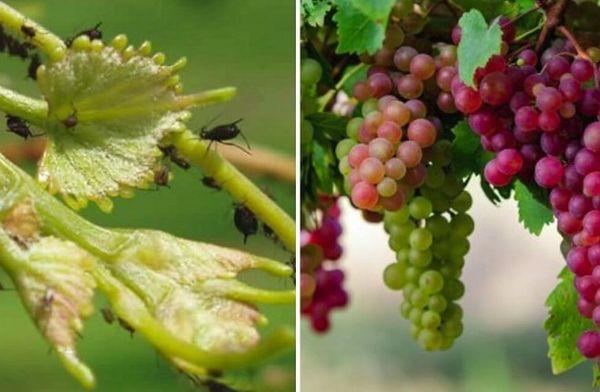
- What harm can it cause?
- How to get rid of
- Carbon disulfide
- Chemicals
- Fastak
- Fozalon
- Actellic
- Kinmix
- "Spark"
- Aktara
- Tanrek
- Folk remedies
- Soap solution
- Tomato leaves
- Ash
- Garlic solution
- Celandine
- Tar and laundry soap
- Vinegar
- Ammonia
- Baking soda
- Agrotechnical measures
- Natural protection
- Preventive measures
- In the spring
- In summer
- In the fall
- Tips from experienced gardeners
White aphids are an insidious pest that cause irreparable damage to vineyards. They attack not only the above-ground parts of the plant but also the underground parts, leading to death. White aphids on grapes and how to combat them if they appear on the plant are a common question among gardeners. Treatment can be achieved using chemicals and traditional methods.
Description and characteristics of the pest
The white aphid, or phylloxera as it's known scientifically, is a microscopic pest that can cause the death of vineyards. It was first discovered in Russia in 1879, but it was discovered that it was imported from the United States. It is now most common in the Stavropol and Krasnodar Krais, as well as the Rostov Region.
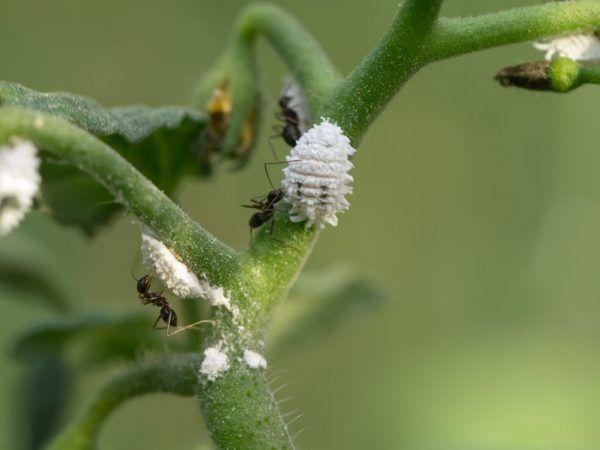
There are over four thousand species of aphids, more than a quarter of which are found in Russian regions. Each aphid primarily inhabits a single crop, but if its population increases significantly, it can spread to other crops. Ants facilitate this spread by feeding on the aphid's honeydew.
White aphids parasitize grape crops. They initially infest the root system, and when severe symptoms of the disease develop, they migrate upward to the leaves. Reproduction occurs 10 days after the female lays eggs.
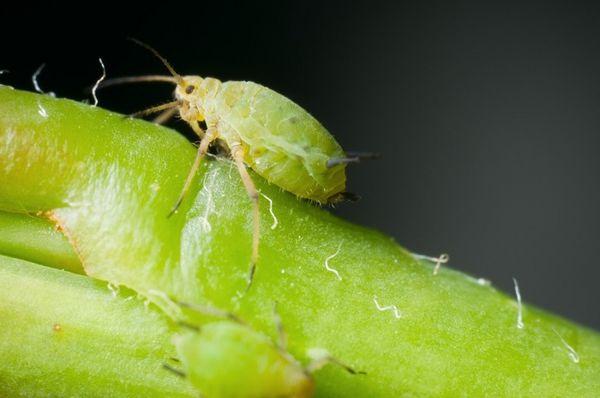
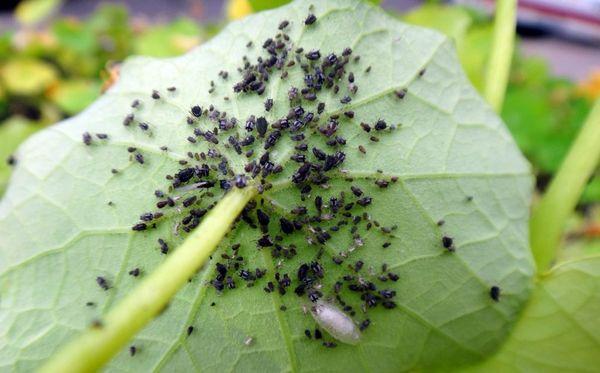
An individual white aphid is no larger than 1 millimeter, but its population is noticeable due to its large swarms. Gardeners notice it by the appearance of growths—galls containing eggs. Its body is distinctly ovoid, slightly elongated, and has three appendages.
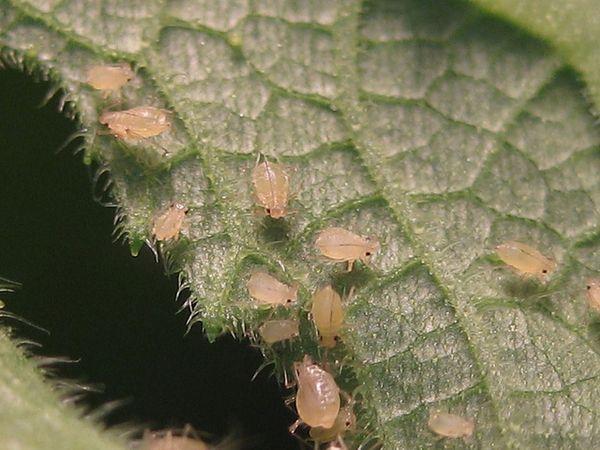 It is necessary to fight white aphids immediately after their appearance is noticed. Otherwise, it quickly migrates to the leaves and fruit. As a result, the leaves fall off and the fruit stops growing. If no action is taken, the grapevine will simply die.
Varieties
Grapevines are attacked by three types of aphids: subterranean, winged, and sexual. The species are differentiated by their external characteristics, including size, habitat, and the lifespan of a mature individual.
Root
Root aphids attack the plant's columella and roots. They are the most insidious because they are invisible. All aphids are female and have a greenish, yellowish, or brownish hue on a white surface. Their backs have a symmetrical pattern of dots, three pairs of legs, and a small proboscis on their heads.
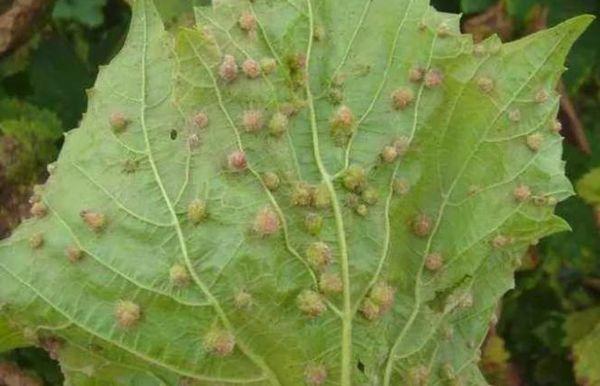
A single female aphid can lay up to 800 eggs, each of which will develop into a new aphid. It's important to remove the aphids completely, but in a way that preserves the plant's root system, which is responsible for feeding.
Take a look Also
Winged
Winged aphids can be identified by their orange hue. A distinctive feature is their vestigial wings. Initially, this species lives underground, but upon reaching maturity, they emerge and begin to molt. The maximum body length for this species is 1 millimeter. Using their wings, aphids can migrate, but only over minimal distances. They lay eggs at the base of leaves.
Sexual
Aphids are classified by gender: there are both females and males. Eggs are laid in crevices in shrubs during the winter.
Reasons for occurrence
There are several reasons why white aphids appear on grapes, and the invasion can be caused by one of them or by all of them in combination.
Planting material
Infected planting material is the most common cause of white aphids on grapes. To avoid this, purchase only from reputable suppliers.
Infected instrument
Human factors also play a role. Aphid infestations on plants begin as a result of repeated use of trellises, stakes, and gardening tools.
Wind
The winged form of the aphid can fly independently for up to 7 kilometers in winds of at least 30 kilometers per hour. However, other forms are also transported.
Water
Aphids move through underground drains, cracks, and crevices. But more often, human error plays a role—watering with contaminated liquid.
Migration
All forms of aphids are prone to migration. Root aphids search for nutrients, moving through cracks and crevices in the soil. Leaf aphids, although they have a minimal speed—up to 3 centimeters per minute—can travel up to 3 kilometers. Winged aphids are unique in that they can migrate 30 kilometers without food.
By air
Air currents carry aphids not only within vineyards. Wind also causes the parasite to disperse over vast distances.
Underground
Root-borne organisms are prone to this type of spread. The speed of movement is minimal, but it is a factor.
What harm can it cause?
Aphid infestation begins in May and ends in November, when adults lay eggs for winter storage. Damage caused over the entire period:
- leaf fall;
- shedding of inflorescences;
- dying off of shoots;
- bush diseases due to weakened immunity;
- lack of fruit formation.
White aphid is a serious plant disease. If it is not treated, the vineyard will die.
How to get rid of
A number of chemicals are used, which are sold in specialized stores. Be sure to read the instructions, as failure to follow them can result in the death of the plant and the resulting poisonous harvest.
Carbon disulfide
Carbon disulfide is a popular product that kills egg sites and adult aphids, especially root aphids. Its downside is that it damages grapevine roots.
Chemicals
Among the effective drugs, you can choose at your own discretion.
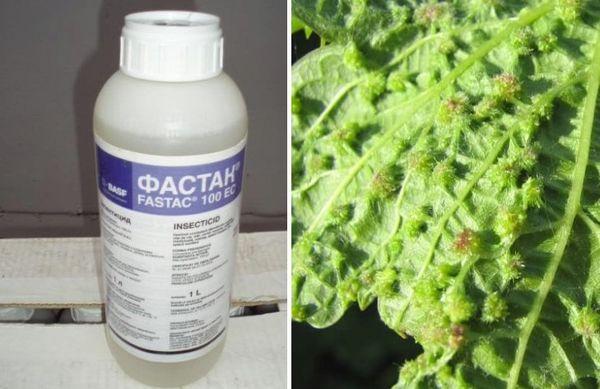
Fastak
Fastak targets the parasite's gastrointestinal tract. It belongs to the pyrethroid group. It exhibits high compatibility with other chemical and folk remedies, is harmless to pollinators, and is not washed off by rain or watering. Apply Fastak to the roots of the plant.
Fozalon
Fozolon has a distinctive garlicky odor and comes in a powder form. It's a strong chemical, so it's only used for pest control when other treatments fail. It's used at temperatures up to 15 degrees Celsius.
It is not washed off by watering or rain and has a long service life.
Actellic
An organophosphorus with proven effectiveness. The powder is diluted with water. Its downside is that it is toxic to aphids and can also cause adverse effects on birds and animals. It is harmless to humans.
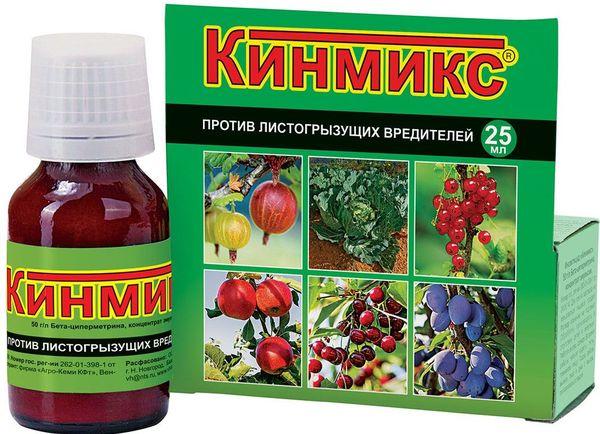
Kinmix
Kinmix is used during the growing season. It works on both larvae and aphids, but does not kill eggs.
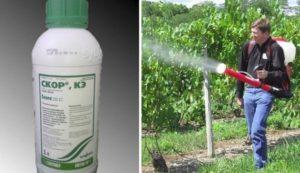
"Spark"
"Iskra" is a domestic product that has proven highly effective. It should be sprayed during the growing season. It controls both larvae and adults.
Aktara
Spraying with Aktara means reliable crop protection. Apply strictly according to the instructions, as the product is quite strong.
Tanrek
To combat white aphids, spray Tanrek on the plant roots. If the infestation begins on the leaves, then move on to the upper parts of the plant.
Folk remedies
Folk remedies are only effective in the initial stages of a white aphid infestation. They are unlikely to be effective if the plant has already suffered negative consequences and the harvest has begun to deteriorate.
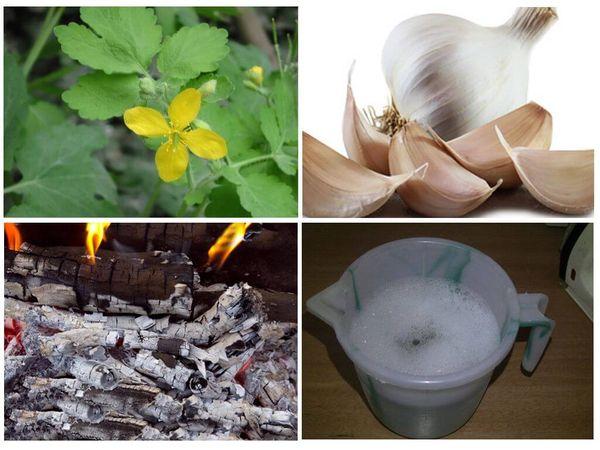
Soap solution
The soap decoction is made using the following technology:
- 500 ml of water;
- 2 teaspoons of soap solution.
Mix the ingredients and add a little sunflower oil. Pour the mixture under the roots and spray it on the trunk and leaves using a spray bottle.
Tomato leaves
Tomato tops are collected. Half a kilogram is poured into 10 liters of hot water and left to steep for exactly 24 hours. The entire surface of the plants is treated with the solution. This homemade method is completely safe for humans, animals, and birds.
Ash
Ash is diluted in warm water until it reaches a thick consistency. It is poured under the roots and also sprayed on the leaves and trunk.
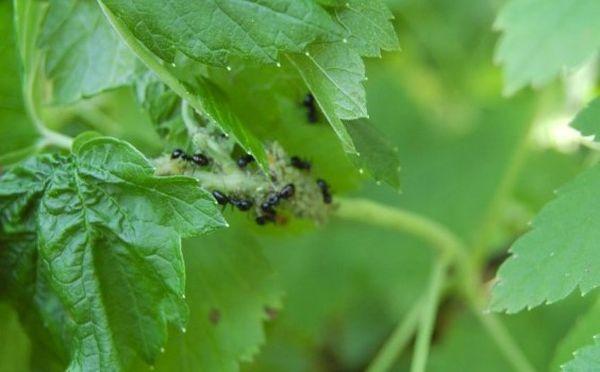
Garlic solution
Crush 5 cloves of garlic and mix with 2 liters of water. Pour the resulting solution over the roots, but do not pour it on the leaves.
Celandine
Mix 500 grams of celandine (or ground celandine) with 5 liters of water. Let it steep for 12 hours, then apply the leaves and stem.
Tar and laundry soap
Grate 2 tablespoons of soap (good-quality laundry soap or tar soap can be used) and dilute in 1 liter of warm water until completely dissolved. Pour the mixture under the roots.
Vinegar
Mix 3 tablespoons of vinegar with 50 ml of water. Apply the mixture to the plant's trunk and leaves using a spray bottle.
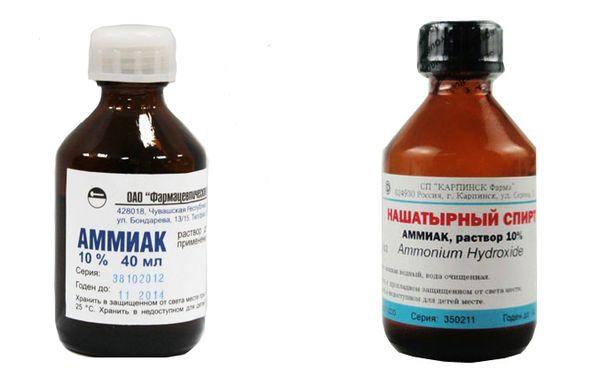
Ammonia
50 ml of ammonia per 2 liters of water. Half is poured under the roots, and the other half is applied to the above-ground portion of the plants.
Baking soda
Dilute 5 tablespoons of baking soda with 2 liters of water and spray the trunk and leaves.
Take a look Also
Agrotechnical measures
Aphid control and prevention on plants should be carried out according to a growing calendar. Only then can you protect the plant and prevent the pest from spreading and destroying the crop. According to the calendar:
- From April 1 to 15, during the period of dormant buds, the above-ground part is treated from the wintering stage of the parasite;
- From April 25 to 30, when the buds have opened, methods are used against the winged and leafy types;
- from the first half of May, when the shoots stretch out, the above-ground organs are treated;
- in the second half of May, when active growth began, events are prohibited;
- until the beginning of June, during the budding phase, treatment with the most effective agent is required;
- at the end of June, during the flowering phase, strong agents are also used;
- In June, no treatment is carried out - the appearance of ovaries;
- from the beginning of August, when the ovaries are growing, an effective chemical preparation is selected;
- From the end of August, during harvesting, no treatment is carried out.
It is important that no interventions are carried out during the harvest period, as the grapes may become poisonous.
Natural protection
To achieve natural protection, crops such as cinnamon, pepper, garlic, wormwood, tomatoes, tobacco, and mustard are planted near the grapes.
Preventive measures
Preventive measures are carried out during each growing season.
In the spring
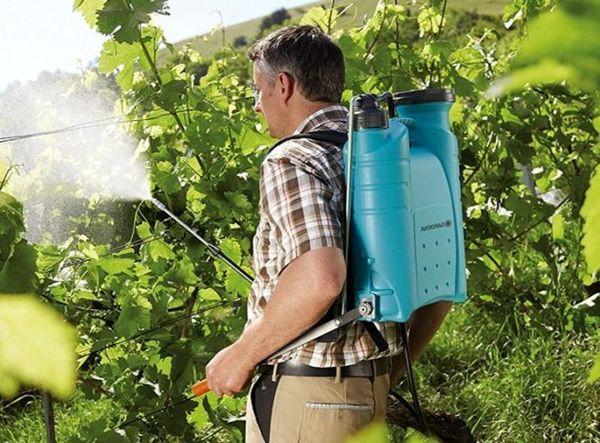
If egg laying has occurred, the parasites can be killed with insecticides at the initial growth stage. Infected plant parts are removed and burned away from the vineyard. Spray 2-3 times.
In summer
If infestation occurs in July, plants should be treated with chemicals, especially active ones. Spraying should be done every other day.
In the fall
Infected and damaged parts of the plant are removed and burned. The soil around the plant is loosened. Roots that are above ground are essential, as they can harbor white aphids for the winter.
Tips from experienced gardeners
To ensure successful control of aphids, you do not need to:
- work only with the above-ground part of the plant, and leave the underground part unattended;
- use toxic chemicals during the formation of ovaries;
- use only folk remedies.
Wanting to be on the safe side, gardeners often rely solely on homemade methods. These aren't always effective. Therefore, it's better to choose a high-quality, safe chemical pesticide than to risk losing your harvest.
Related posts:
 How to control aphids on carrots using medications and folk remedies
 How to treat peppers for aphids, how to fight them with folk and chemical remedies
 Treatment rules and 20 best remedies for dealing with aphids on apple trees
 How to control aphids on currants using chemicals and folk remedies
 How to treat peach trees for aphids and the best methods for pest control
 How to control aphids on cucumbers using folk remedies, what to treat and spray with
 How to control aphids on beets using folk remedies in open ground, what to treat with
 How to control aphids on raspberries during flowering and fruiting, what to treat them with