
- Methods of aphid control
- Fighting aphids with folk remedies
- Water
- Soap solution for aphids
- Soap and soda mixture for aphids
- Ash infusion for aphid control
- Tobacco solution against aphids on plants
- Infusion of zest
- Pungent herbal infusions against aphids
- Infusion of tomato or potato tops
- Onion infusion against aphids
- Pine infusion
- Sorrel against aphids
- Flower infusions against aphids
- Essential oils against aphids
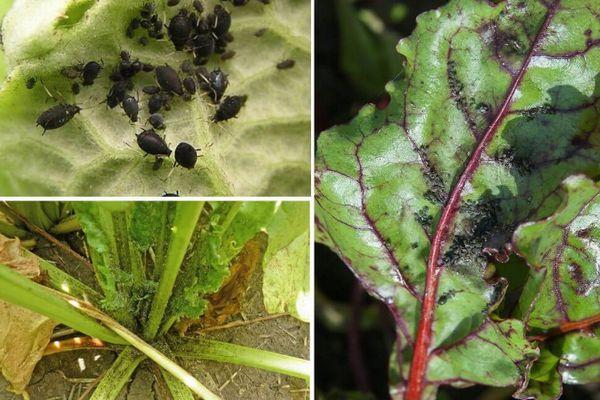
Gardeners, horticulturists, farmers, and agronomists often notice aphids appearing on beets. How can they combat this dreaded pest? Aphids reproduce quickly, and if the pest is only noticed on the vegetable crop, it can soon infest trees and shrubs in the area. In this case, it's helpful to know everything about beet treatment. How can you get rid of the pests without losing most of the harvest?
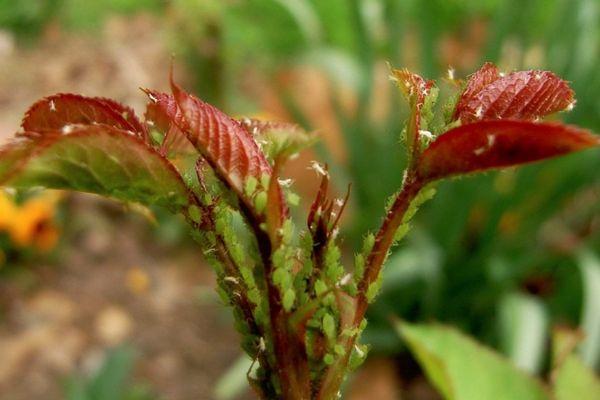
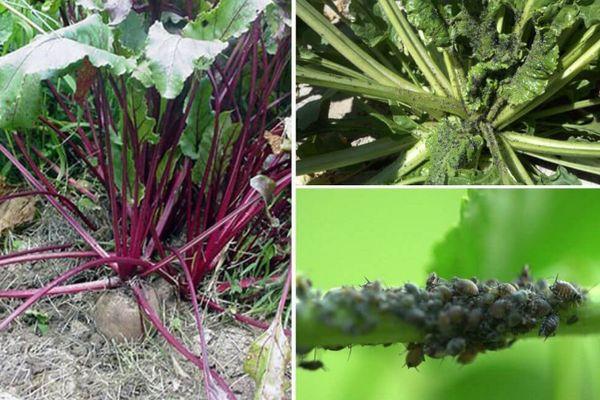
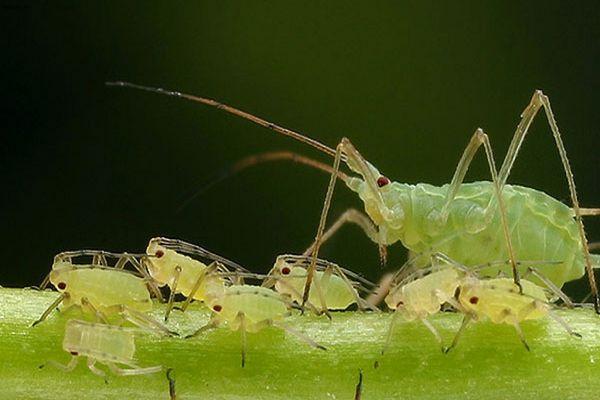
Aphids are small insects that reproduce rapidly. Under favorable weather conditions, a few dozen aphids can develop into a colony. They parasitize leaves and present an unpleasant sight. They can completely cover a plant, leaving not a single millimeter of free space.
Methods of aphid control
Pests attack agricultural crops unnoticed. If you notice midges appearing on the leaves, you should immediately begin treating the plant to save the harvest. Aphids must be removed quickly but thoroughly.
The gardener can use one of the existing methods:
- chemical insecticides;
- folk remedies;
- mechanical methods.
Beets attract not only aphids but also other pests. Therefore, it's recommended to choose the most appropriate method. Each specific case will require a specific method, taking into account the size of the plot and the number of plants.
Fighting aphids with folk remedies
In recent years, people have been avoiding insecticides. Chemicals help quickly get rid of pests, but they can have negative effects on the body. Manufacturers claim that the chemicals are removed from the beetroot. However, some remain and end up in the human body after eating beetroot. Therefore, many prefer folk remedies to combat aphids.
Controlling beet aphids requires only folk remedies. The solution may contain ingredients readily available in any kitchen. They're also easily found in the garden. People may not even know what valuable herbs grow in their garden and how they can help combat aphids.

Water
Excessive pest infestation of vegetation (vegetables and weeds) usually indicates a serious problem. Gardeners often underestimate the tiny midges, which easily overwinter in weed debris. Therefore, to prevent infestation, weed between rows as needed.
After prolonged rainfall, you may notice fewer aphids. So why not take advantage of nature's cues? To combat these pesky gnats, use plain water. Spray the leaves with a gentle spray, keeping in mind that the pressure should be just right.
Take a look Also
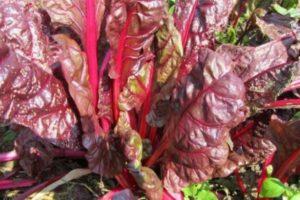
Since the insects are lightweight, they will be washed away by water. They are unable to re-enter the green part of the plant. The ants drag the aphids away, reducing their numbers. This method requires regular use, as the parasites periodically reappear.
Soap solution for aphids
Folk remedies for aphid control also include spraying with a soapy solution. You can use either liquid or laundry soap. For the former, use 100 milliliters of solution per 1 liter of water; for the latter, use 100 grams. Mix the ingredients until smooth.
To effectively rid beets of gnats, use unscented soap. Add 20 grams or 20 milliliters of tar soap. Its pungent scent will provide a double whammy against the gnats. Pour the mixture into a spray bottle and begin spraying.
It is recommended to do this after rain so that the liquid remains on the green part of the plant as long as possible.

Soap and soda mixture for aphids
The previous recipe can be improved by adding baking soda to the solution. It's recommended to prepare a large amount for spraying healthy plants as a preventative measure. Crush 300 grams of laundry soap and add 10 liters of water. Add 5 tablespoons of washing soda to the solution. The resulting mixture is completely safe, so it can be used on fruits and vegetables.
If you use this control method promptly, you'll quickly get rid of the gnats and prevent new ones from appearing. Soap plays a key role in this recipe. By coating the surface of the leaves, the liquid forms a thin film. This film prevents the aphids from feeding on the beet juice.
Ash infusion for aphid control
Another effective and easy-to-make remedy is an ash infusion. It's suitable not only for spraying beets growing in the ground but also for watering open ground. Fill a bucket halfway with water and add 200 grams of ash. Stir and let it steep. It's best to prepare the solution in the evening.

The next morning, the solution is ready for use. Pour it into a sprayer and spray it on all vegetation. The results are noticeable after just one application. Ash is one of the most effective methods for controlling gnats. It can be used dry or prepared as a solution, which is also used in garden plots.
Tobacco solution against aphids on plants
You can get rid of aphids using tobacco. A household with a smoker will likely have a jar of cigarette butts. Collect 200 grams, add 4 liters of water, and let sit for 24 hours. Once the solution is ready, strain it to create a liquid solution.
The end result is a highly concentrated liquid. To prevent this from interfering with vegetable growing, dilute the solution with water before use. It is not recommended to spray beets before digging. You can make homemade makhorka (shag) preparations for treating the plants the following season.

Infusion of zest
What else can you use to treat beetroot beds against aphids? You'll need citrus peels. After eating an orange, it's not recommended to throw away the peels, as they can be used later. To make the tincture, take 400 grams of dried orange peel.
Leave the peel uncut and add 1 liter of boiling water. After 24 hours, you'll have a concentrated infusion, which you can simmer over low heat for 20 minutes. Strain the resulting liquid and add a bucket of water.
Laundry or liquid soap will help increase the effectiveness of the solution.
Pungent herbal infusions against aphids
Aphids cannot stand strong odors, so you can use infusions of pungent herbs and spices.
The following is suitable for this purpose:
- horseradish;
- garlic;
- pepper;
- onion.
Regardless of the plant you choose, chop it finely and soak it in water. This will help the vegetables release their pungent flavor, which is essential for aphid control. The solution is easy to prepare at home, so there's no need to search for a tutorial online. As it cools, the liquid infuses with a scent that will entice the gnats to leave the plant.
Gardeners with garden plots near bodies of water can use celandine. For large beet plantations, 5 kilograms of fresh celandine are needed. Chop the celandine with a knife and pour boiling water over it. After two days, the celandine infusion is ready for use. Before spraying, be sure to filter it to remove any small plant parts.
Be sure to add soap to the solution. This little trick will increase the effectiveness of your homemade spray.
Infusion of tomato or potato tops
As it turns out, the tops of crops like potatoes and tomatoes can be useful. To ensure the infusion is prepared as quickly as possible and of good quality, chop them before soaking. Pour boiling water over the tops and let them cool completely. Potato and tomato sprouts are also suitable. To prevent the chopped branches from getting in the way during spraying, remove them from the solution.
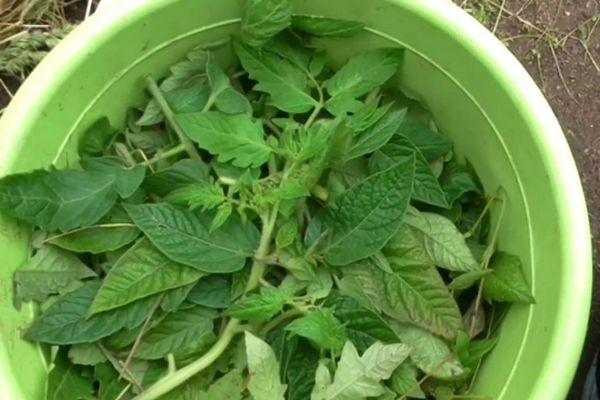
The prepared solution is sufficient for multiple treatments. Since the solution is concentrated, it is diluted with water. The ideal ratio is 1:1. Repeat the procedure as needed.
Onion infusion against aphids
The treatment is not made from green onion leaves or the soft underground parts. Instead, use the peelings that cover the bulbs. Collect as many yellow scales as possible and cover with water. Place over heat, stirring occasionally.
The solution is ready when the water turns a rich brown color. Without removing the husks, transfer the solution to a cool room. After 24 hours, begin spraying the beet leaves. Add a small amount of liquid soap to the sprayer.
Pine infusion
This recipe is much more challenging, as not everyone has access to pine branches. To obtain the ingredients for the infusion, you'll need to head to the forest or find a nearby pine grove. Pine branches with green needles are soaked in water. This is just the beginning of the preparation.
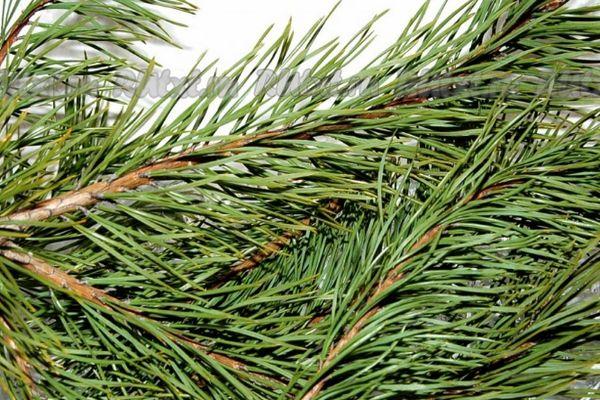
Place the bucket of water and pine needles in a dark place and leave for a week. Stir it occasionally during this time to ensure the water is saturated with the pine needles' components. Dilute the resulting concentrate with water before use. Black aphids are particularly sensitive to pine needles.
Sorrel against aphids
For the infusion, use horse sorrel, specifically its roots. As with the previous methods, it is chopped and steeped in water. This recipe is quick to prepare, so you don't have to wait 2-3 days to begin spraying. The beetroot treatment begins within 2 hours. The herb's components are quickly absorbed by the aphids, so the infusion can be washed off without worrying about its effects.
Flower infusions against aphids
Chamomile is a versatile plant. The small flowers are used to make a similar tea, albeit in a higher concentration, which is then used to spray seedlings. Dandelion can also be used to produce a poisonous substance for treating beets. When mixed with water, the resulting solution is bitter and deadly to aphids.

Essential oils against aphids
Since small midges can't stand the lingering odor, regular essential oil comes to the rescue. It's suitable for treating white, red, and black aphids. Use it pure or add ash. The number of midges decreases each day after treatment.
Folk remedies for aphid control are effective because they can be used at any time during the growing season. Even if treatment was carried out 3-4 weeks ago, it is still recommended to rinse the root vegetables in water before eating. The tops are also generally eaten, but only those that have not been infested with aphids.
Related posts:
 How to treat peppers for aphids, how to fight them with folk and chemical remedies
 How to control aphids on carrots using medications and folk remedies
 How to control aphids on cucumbers using folk remedies, what to treat and spray with
 How to control aphids on raspberries during flowering and fruiting, what to treat them with
 How to treat peach trees for aphids and the best methods for pest control
 How to control aphids on currants using chemicals and folk remedies
 Treatment rules and 20 best remedies for dealing with aphids on apple trees
 What is the best way to treat cabbage from caterpillars and butterflies, folk remedies