
- What caterpillars and butterflies parasitize cabbage?
- Whitefly
- owl
- Green caterpillar
- Signs of cabbage damage
- What harm do they cause to vegetable crops?
- Benefits of using chemical-free products
- Folk methods of dealing with caterpillars
- Sugar solution
- Chicken eggs
- Tomato tops
- Soda solution
- Ash infusion
- Black pepper decoction
- Mustard and vinegar
- Valerian infusion
- Hot pepper decoction
- Burdock infusion
- Burdock and garlic infusion
- Tobacco dust
- Soap-ash infusion
- Tansy flower powder
- Fighting cutworms and cabbage whites
- Pepper
- Sagebrush
- Litter
- Pheromone traps
- Biological methods
- Wasps, ants and hornets
- Birds and insects
- Spicy herbs
- Preventive measures
When growing any agricultural crop, you'll inevitably encounter pests. To preserve the harvest, various measures must be taken. How can you treat cabbage for butterflies and caterpillars without harming the future harvest? There are many safe folk remedies. But sometimes, drastic measures are required—the use of chemicals.
What caterpillars and butterflies parasitize cabbage?
Caterpillars and butterflies are most often found in cabbage beds. These pests feed on the leaves of the plants, causing the cabbage to wilt.
Whitefly
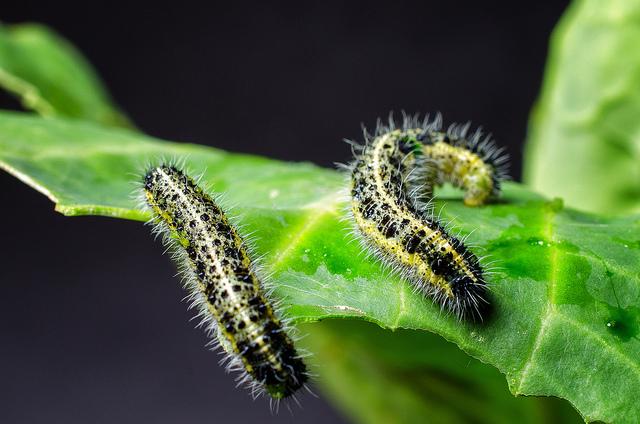
The whitefly is a butterfly with white wings edged with a black stripe. The underwing is usually yellowish. A black dot can also be seen on the wings. The butterfly is not very large.
Whiteflies lay eggs on the undersides of cabbage leaves in May. The whiteflies themselves cause no harm to the cabbage; damage is caused only by the hatched whitefly larvae. After hatching, the caterpillars crawl to the outer surface of the leaves and feed on them. The presence of caterpillars in the garden beds delays the development of cabbage seedlings. Whiteflies reproduce very quickly, and three generations of insects can occur in a single summer.
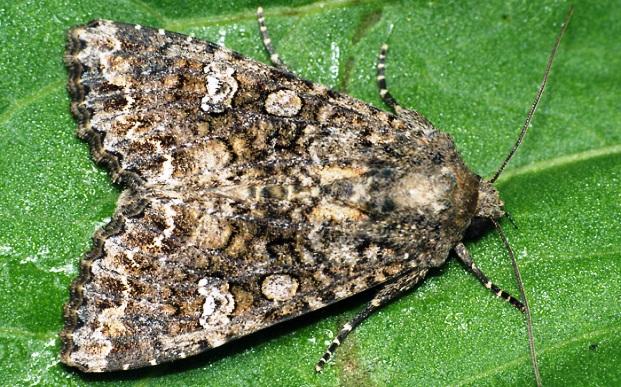
owl
The cabbage moth is a small, primarily nocturnal moth. The pest is gray, while the larvae are greenish-brown. The moth lays eggs on plants. After hatching, the larvae feed on cabbage leaves, causing damage to the entire crop. The cabbage plants fail to develop normally and begin to wilt.
Green caterpillar
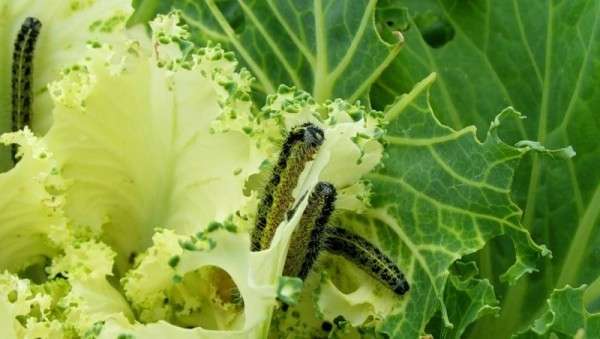
Another pest often found in cabbage beds is the cabbage moth. The eggs, which later hatch into green caterpillars, are laid by the cabbage moth. The pest appears in cabbage beds in late April and lives on cabbage until July. During this time, the green caterpillar can cause serious damage to the crop if left untreated.
Signs of cabbage damage
A telltale sign of pest infestation is the presence of holes and chewed leaves. You may also notice that the seedlings are growing poorly and are stunted. If large heads of cabbage have formed, you may be able to see holes in them, and if you open one, you may find larvae.
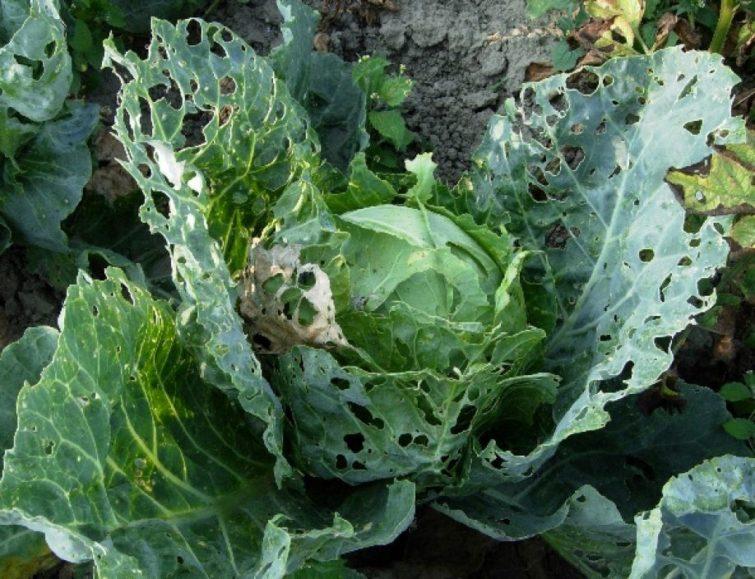
If you inspect the cabbage plants, you may notice eggs appearing on the cabbage leaves. They are usually located on the underside of the leaf. Also, if butterflies or moths are frequently seen near the beds, it's likely that larvae will appear on the seedlings after a while.
What harm do they cause to vegetable crops?
The butterflies themselves pose no threat to cabbage. Damage to the crop is caused by the larvae that the pests lay on the foliage. After hatching, the larvae begin feeding on the succulent young leaves. This causes the seedlings to stunt their development and may even die.
If the larvae appear on formed heads of cabbage, they chew through them. The cabbage subsequently wilts and dies.
If there are a lot of larvae, they can chew out entire heads of cabbage. Naturally, the head can then be discarded. Over the summer, if the pests are not controlled, they can multiply so much that they will destroy not only the cabbage harvest but also other crops.
Benefits of using chemical-free products
Unlike aggressive chemicals that are often used to kill pests on the property, folk remedies are non-toxic and are not absorbed into plant tissue.
Traditional methods are safe and can be used even when the harvest is almost ripe.
We can save our cabbage crop using traditional methods during any growing season. The same can't be said for using chemicals. They can only be used in the early stages of growth, before the heads have formed. However, chemicals are more effective, especially if the pest population is very large. Folk remedies can help when there aren't many caterpillars and butterflies on your cabbage.

Folk methods of dealing with caterpillars
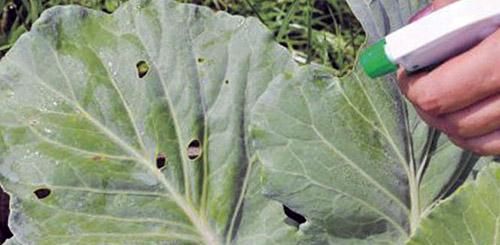
What should you do if insects appear on your cabbage and are destroying the harvest? How can you get rid of the pests without harming the crop? There are many effective and safe methods for controlling insects in cabbage beds.
Sugar solution
Treating the crop with a sugar solution is used to attract wasps to the area. Caterpillars are afraid of wasps because they feed on larvae and eggs. To prepare the sugar solution, take 2 liters of warm water and add 500 g of sugar. You can also use old jam. Stir thoroughly to create a sugar syrup and spray it on the cabbage heads. The sweet smell will attract wasps, which in turn will destroy the larvae and eggs of cabbage pests.
Chicken eggs
A rather original way to get rid of cabbage white butterflies is to use chicken eggs, or more precisely, eggshells. Wooden stakes are driven into the soil among the cabbage beds, and half-eggshells are hung from them. Only white eggshells can be used; brown eggs are not suitable for this method.
Butterflies mistake the white shells for their relatives and do not lay eggs, believing that the place is already occupied.
Tomato tops
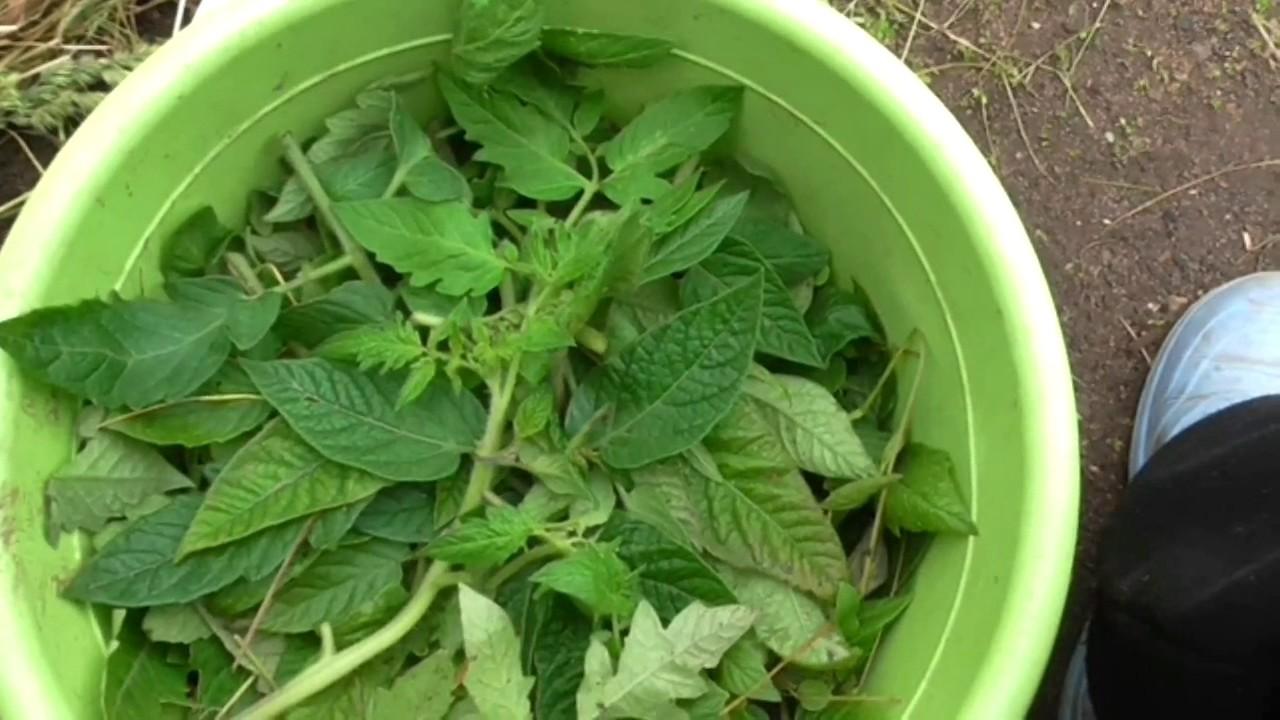
Cabbage butterflies find their favorite vegetables by smell, so masking the cabbage smell can prevent caterpillars from appearing in your garden. A decoction of tomato tops works well. Cabbage butterflies dislike the smell of tomatoes and won't lay eggs if they smell it.
Pour 3 liters of water over the tomato tops and place them on the stove. Bring the mixture to a boil and remove from the heat. Allow the mixture to cool. To help the mixture adhere to the leaves after treatment, add grated laundry soap. Spraying is best done after sunset. It's also worth checking the weather forecast to ensure there's no rain in the coming days.
Soda solution
Another effective remedy for butterflies and caterpillars on cabbage is spraying with a baking soda solution. Dissolve half a packet of baking soda in 5 liters of water and pour it into a spray bottle. Spray the cabbage heads with the solution after sunset and watering. Instead of a solution, you can sprinkle baking soda on the leaves and leave it for a few days. The main thing is to avoid rain in the next few days and wash away the baking soda.
Ash infusion
An ash infusion is very effective against caterpillars. Wood ash is diluted in water and left to steep for 24 hours. The more ash you add, the more effective the remedy will be. Add 5 tablespoons of tar soap to the prepared infusion. The resulting infusion is then sprayed on cabbage beds.

Black pepper decoction
A black pepper decoction will help get rid of caterpillars on cabbage. Add 2 liters of water to a package of black peppercorns and bring to a boil. Boil the decoction for 15 minutes. Then let it steep, covered, for 2-3 days. Before watering, dilute the decoction with water and add shavings of laundry soap. Water the beds with the resulting decoction every 2 days.
Mustard and vinegar
You can treat cabbage using mustard powder and vinegar. Dissolve 50 grams of mustard in water and let it steep for 3 days in a dark place. Before spraying, strain the infusion through cheesecloth. Water the beds with the resulting mustard infusion, including the foliage. This remedy helps control not only caterpillars but also slugs. Spraying the bushes with vinegar diluted in water is also effective. Dilute 4 tablespoons of vinegar in 4 liters of water and spray the plants.
Valerian infusion
White butterflies cannot stand the smell of valerian, so they do not lay eggs where this plant grows.
How to prepare a valerian decoction to repel white butterflies:
- Cut off the leaves and stems of the plant, chop the roots finely.
- Pour water and put on fire.
- Boil for 10 minutes.
- When the decoction is ready, cover it with a lid and let it brew for 24 hours.
- Water the beds with the infusion from a regular watering can.
Cabbage should be watered with valerian several times a week after sunset. Valerian can also be planted near certain crops. This plant has a very strong scent that repels insects from the area.

Hot pepper decoction
A hot pepper decoction can be quite effective against cabbage caterpillars. Chop several hot peppers, add water, and bring to a boil. Cool the decoction and strain it through cheesecloth before spraying the beds.
Burdock infusion
A decoction of burdock leaves can help get rid of caterpillars on cabbage. The leaves contain substances that act as a poison against the caterpillars. To prepare the infusion, cut fresh burdock leaves and crush them. Then add water. Let the burdock infusion steep for two days. Before spraying the cabbage, strain it and add water.
Burdock and garlic infusion
An infusion of burdock and garlic will help kill caterpillars on cabbage. Chop the burdock and garlic leaves and add 3 liters of water. Let it steep for 2 days. Dilute with warm water before watering.
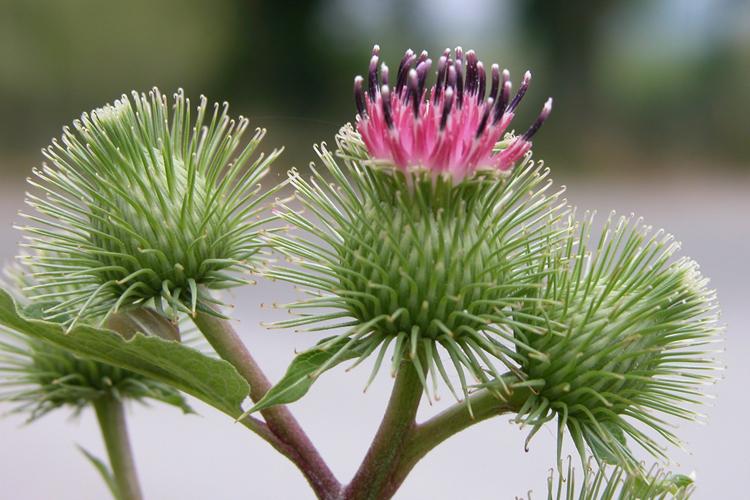
Another way to prepare an infusion is to add tar soap. Chop the green parts of the plants and add water. Let it ferment for two days. Before spraying the plants, add 70 ml of tar soap. Mix thoroughly. Treat the cabbage every three days until the caterpillars disappear from the area.
Tobacco dust
Pour 40 grams of tobacco dust into 3 liters of water. Let it steep for three days. Before using on cabbage, dilute with water and add laundry or tar soap. Another option is to grow tobacco in your garden, cut the leaves as they grow, and dry them. Chop them, and then sprinkle the tobacco on the seedlings in the spring after transplanting them outdoors. The unpleasant smell of tobacco will repel butterflies, preventing them from laying eggs on the seedlings.
Soap-ash infusion
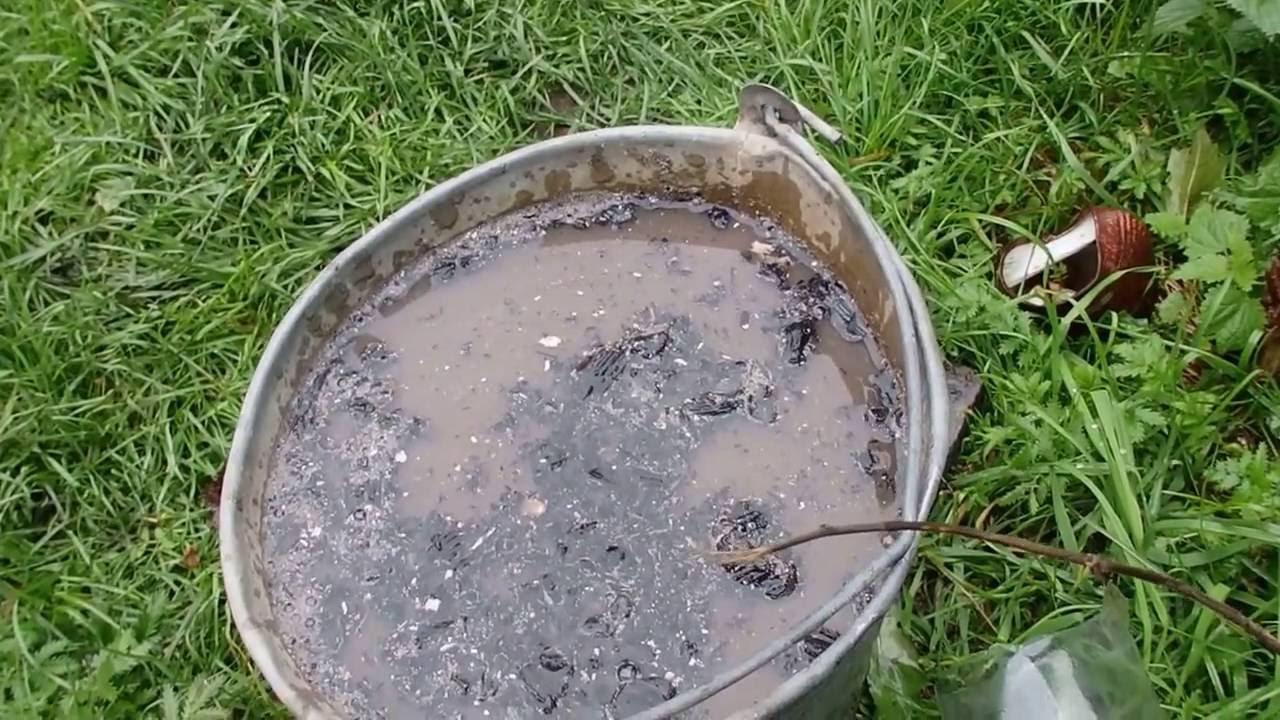
To prepare a soap-ash solution, you will need 500 g of ash, 100 g of grated laundry soap, and 4 liters of water. Dissolve all ingredients in water and let it steep for 24 hours. Spray the cabbage every 3 days in the evening.
Tansy flower powder
Tansy inflorescences are cut and laid out in a dark room to dry. Once dry, the flowers are ground into flour. The resulting tansy powder is used to dust garden beds. Tansy has a distinctive scent that repels insects. The foliage can also be used along with the inflorescences.
Fighting cutworms and cabbage whites
Other pests that often need to be controlled are cutworms and cabbage moths. These pests can also be controlled using folk remedies.
Pepper
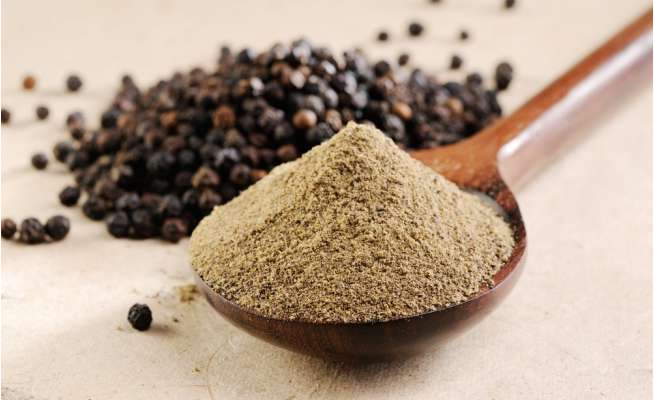
Pour ground black pepper into water and boil for 10 minutes. Strain and let cool to room temperature. Spray the cabbage with the infusion after sunset. Peppercorns can also be used. Onion peels can be added to the black pepper infusion and boiled together.
Sagebrush
Soak wormwood leaves in water for 24 hours. Spray the plants three times a week. Another option is to scatter cut wormwood bushes over the cabbage patch. Replace the branches with fresh ones as soon as they begin to dry out. Wormwood can be scattered throughout the area until harvest. Wormwood has an unpleasant odor to butterflies, so they tend to avoid it.
Take a look Also

Litter
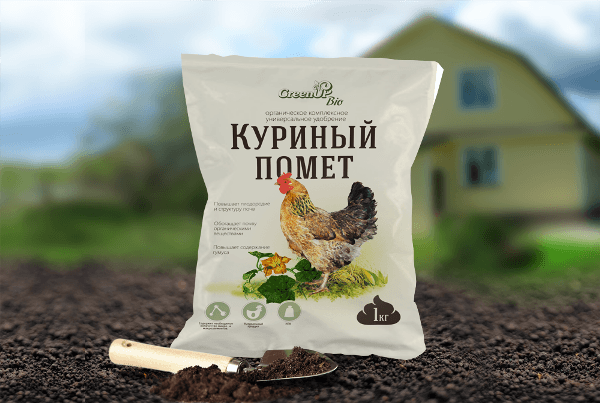
Watering with chicken manure also deters cutworms. Dilute rotted chicken manure in warm water. Mix thoroughly and water the cabbage with the resulting solution. Use only rotted chicken manure; fresh manure is too concentrated and can burn all the cabbage roots.
Pheromone traps
Pheromone traps are triangular containers filled with sticky tape and pheromones that attract insects. The pests crawl inside and stick to the tape. This method is quite effective and safe for crops. Pheromone traps can be purchased at gardening stores or made at home.
To do this, knock together a triangular shape from planks, then attach fly tape to the bottom. Set the trap in the cabbage beds.
Biological methods
Biological methods involve attracting birds and insects to the site to feed on pests. The only drawback of this method is that it is not the most effective and does not always eliminate pests.
Wasps, ants and hornets
You can eliminate butterflies and caterpillars on cabbage by attracting wasps, hornets, and ants to the area. These insects feed on the caterpillars. To do this, you can spray the cabbage bushes with sugar, honey, or jam dissolved in water. The sweet smell attracts the insects to the cabbage, which in turn feed on the larvae, which then eat the leaves.
Birds and insects
Birds also enjoy eating caterpillars. To attract birds, you can plant rowan trees in your garden. Alternatively, scatter bread crumbs or seeds in the garden bed. You can also hang a bird feeder nearby. Many insects can be attracted to your garden by spraying the beds with a sugar solution. This method can be combined with spraying cabbage with decoctions and infusions to kill pests in the garden.

Spicy herbs
Planting herbs among your cabbage beds will help save space and prevent insects. Most pests dislike the smell of herbs and florets.
Herbs that repel pests:
- marigold;
- dill;
- garlic;
- tomatoes;
- borage;
- mint;
- sagebrush;
- tansy.
The only downside to planting herbs is that it is the least effective method of pest control.
Preventive measures
How to protect cabbage from pest attacks:
- First of all, you need to regularly remove weeds from the area and prevent them from appearing in the beds.
- Another way to protect cabbage beds from insect infestations is to dig the soil to a depth of 15-20 cm after harvesting. Most insects overwinter in the topsoil, and digging the soil will bring the larvae to the surface.
- Before planting seedlings in the ground, the soil is treated. It can be watered with a weak solution of potassium permanganate or iodine.
- If possible, plant seedlings outdoors as early as possible. This will give them time to grow stronger before pests appear.
- All residues from plants growing on the site are collected and burned.
- After planting, the seedlings should be regularly inspected for eggs on the leaves. If the insects have already laid them, the leaf containing the eggs should be cut off and destroyed.
- Fertilizers should be added to the soil regularly, such as potassium chloride or superphosphate.
Following these simple recommendations will help prevent the appearance of harmful insects on cabbage.
Related posts:
 What is the best way to treat cabbage from pests? Folk, chemical and biological remedies.
 What folk remedies are best for treating cabbage from pests to protect it?
 Can cabbage be sprayed with valerian to control pests and what are the treatment guidelines?
 The best way to treat cabbage for flea beetles at home: medications and folk remedies
 What is the best folk remedy for treating cabbage against midges?
 TOP 50 recipes for favorite and unusual salads for the New Year of the Pig 2019
 How to control aphids on cabbage using traditional methods and non-chemical treatments
 Methods of dealing with caterpillars on apple trees, how to treat them correctly and what is the best way to do it