
- The effectiveness of herbal infusion
- Advantages and disadvantages of using a natural remedy
- Which pests don't tolerate valerian?
- Barid
- Whitefly
- Leaf beetle
- Cabbage fly
- Uses of valerian
- Pure juice-based formulations
- Tincture with soap
- A decoction of rhizomes with tobacco
- Valerian decoction with tobacco
- Rules for treating cabbage with valerian
- Reviews from experienced gardeners about the use of the product
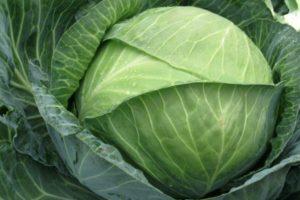
Not all novice gardeners know that there are many dangers that negatively impact the taste and yield of cabbage. Among the main aggressors are insect pests. A massive infestation of parasites leads to tragic consequences, including plant death. To avoid this, experienced gardeners recommend using traditional methods. Valerian root is considered one of the most effective pest control agents for cabbage.
The effectiveness of herbal infusion
Cabbage is a popular vegetable for many insects. The danger of these pests lies in their consumption of the plant's surface and root system. This anatomical disruption weakens the plant over time, negatively impacting yield. Furthermore, many insects carry fungal and infectious diseases, which can kill cabbage.
To prevent such consequences, but at the same time preserve the quality of the vegetable, plant breeders began to develop folk remedies.Trials and studies have proven that valerian infusions are the most effective insect repellents. Their active ingredients have a detrimental effect on parasite larvae. And valerian's strong, distinctive scent repels adult insects.
Advantages and disadvantages of using a natural remedy
Compared to chemical pest control and prevention methods, valerian-based folk remedies offer several advantages. The primary advantage is safety. Valerian does not contain highly active substances, which, in most cases, disrupt the natural biological processes of plants. When chemicals are overused, vegetable crops stop absorbing the required amount of nutrients from the soil, which hinders their growth and development.
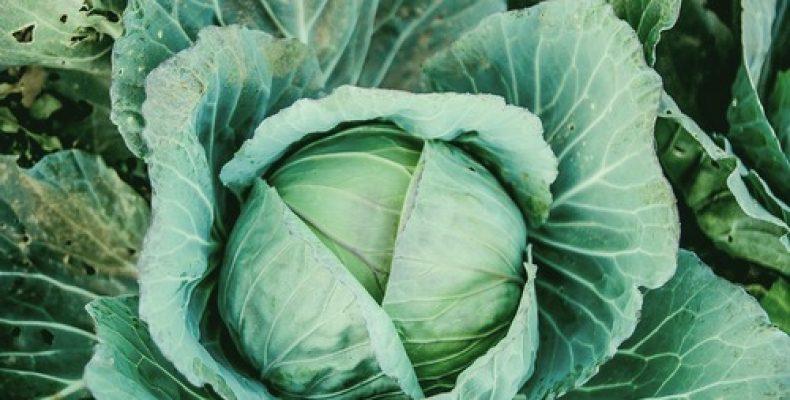
Moreover, chemicals are also harmful to humans. Pesticides that penetrate cabbage heads cause serious organ dysfunction.
In addition, many chemicals are quite toxic and can therefore be fatal.
Valerian has no disadvantages for cabbage. However, it is not as effective as chemical treatments. Therefore, in severe cases, valerian should be used in combination with other treatments.
Which pests don't tolerate valerian?
The main problem with eliminating cabbage pests is that they crawl inside the head and hide under the leaves. Therefore, a gardener may not even suspect their presence until the vegetable is severely damaged. Valerian can help identify the presence of the insects. Its strong scent draws the pests out of their hiding places, making them easier to eradicate.
Take a look Also

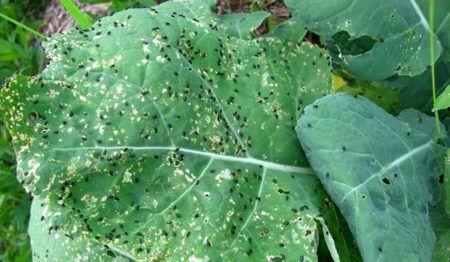
The most common cabbage pests that do not tolerate valerian are the following insects.
Barid
In appearance, the barid is a dark blue weevil with a greenish-metallic sheen. The average pest size is 4 millimeters. These insects often overwinter in the soil of garden plots, burrowing to a depth of 10 centimeters. In some cases, overwintering beetles can even be found in cabbage heads. With the arrival of spring, when the soil temperature reaches 7-9 degrees Celsius, the weevils emerge. Initially, they feed on weeds and then begin to consume cabbage crops.
The presence of parasites can be determined by the numerous pits and passages on the longitudinal sections of the cabbage stalk and leaves.
Whitefly
Whiteflies are small white butterflies with yellow bodies and a waxy coating on their wings. The pests are no more than 3 millimeters long. A distinctive feature of these insects is that not only the adults but also their larvae pose a threat to cabbage. Each female can lay over 200 eggs. After hatching, the larvae attach to the underside of the leaf and begin feeding on its sap.
In a single location, the insect goes through four life cycle phases before pupation. During this time, the larvae feed continuously, which severely depletes the cabbage plant. The insects' damage not only involves severe plant damage but also the development of various diseases. Whiteflies are carriers of several dozen viral diseases.
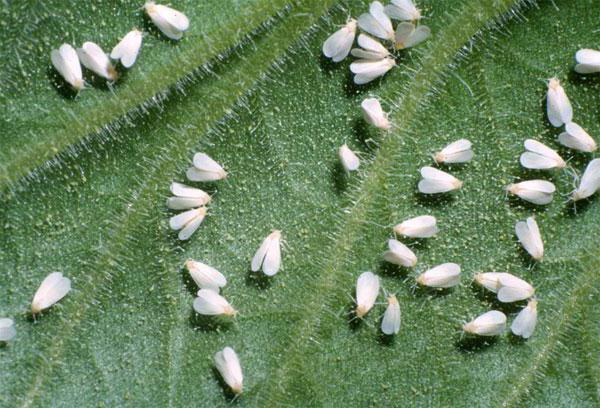
Symptoms of cabbage infestation by these parasites include the presence of eggs on the underside of the leaf and a white coating on its surface.
Leaf beetle
Leaf beetles are quite voracious insects. They are small, dark emerald-colored bugs with a slight purple tint. Their bodies are elongated, measuring only 3-4 millimeters in length.
Cabbage leaf beetles are a tasty morsel. Initially, the beetles consume only the top layer of the leaf, then move on to the area underneath. Females lay 10 to 20 eggs in the gnawed fragments of leaf matter. They lay eggs daily for 20 days. After 12 days, the eggs hatch. Leaf beetle larvae, like their parents, are very voracious. Within a few days, they can completely destroy a leaf, leaving only longitudinal cuts.
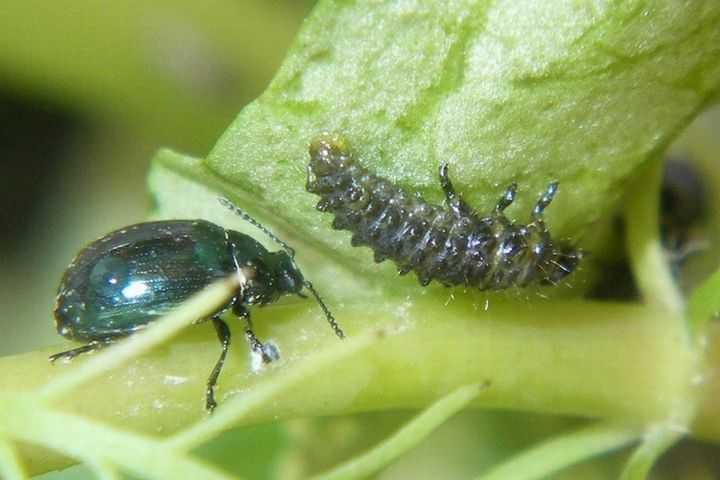
Gnawed cabbage greens will be a symptom of the appearance of these insects.
Cabbage fly
The cabbage fly is considered the most dangerous pest of cabbage. During large infestations, these insects can completely destroy the crop. Adult cabbage flies are very similar to house flies. However, there are certain characteristics that distinguish them. Distinguishing features of the cabbage fly include longitudinal stripes. These stripes are located on the insect's abdomen and back. Cabbage flies are also larger. On average, females are 6.5 millimeters long, while males are 7.5 millimeters long.
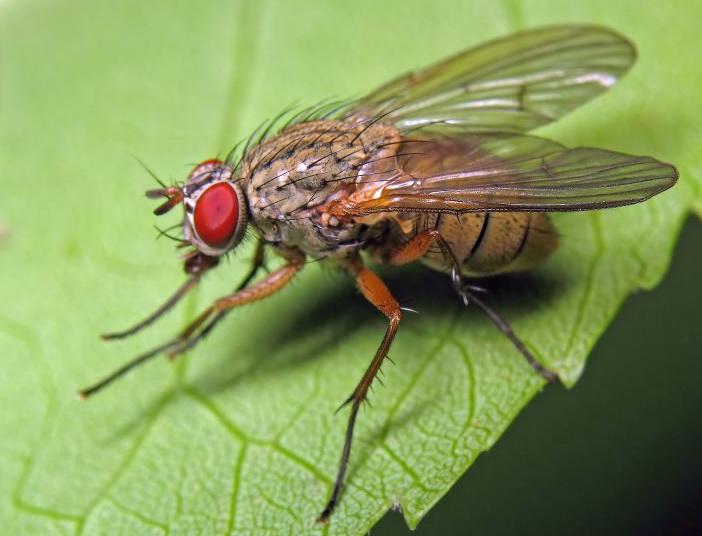
Insect attacks on cabbage crops occur during the lilac bloom period. During this period, the pests lay their eggs, which spoil the vegetables by eating their roots and the soft cores of the stems.
Symptoms of cabbage flies and their larvae include gnawed passages on the upper and lower parts of the cabbage.
Uses of valerian
Valerian can be used both for pest control and preventative purposes. To prevent insect infestations, it's recommended to plant the medicinal herb along cabbage beds. If insects have already settled on the vegetables, the plants themselves will need to be treated. Here are some examples of the most effective pest control products.
Pure juice-based formulations
This method requires fresh stems and leaves of the medicinal plant.
Prepare the pure composition as follows:
- Valerian greens are thoroughly washed and passed through a meat grinder.
- The herbal mass is squeezed through cheesecloth.
- 10 drops of the resulting juice are dissolved in 10 liters of pesticides.
The resulting composition is used to treat cabbage leaves.
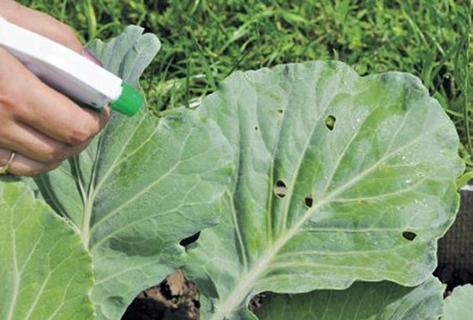
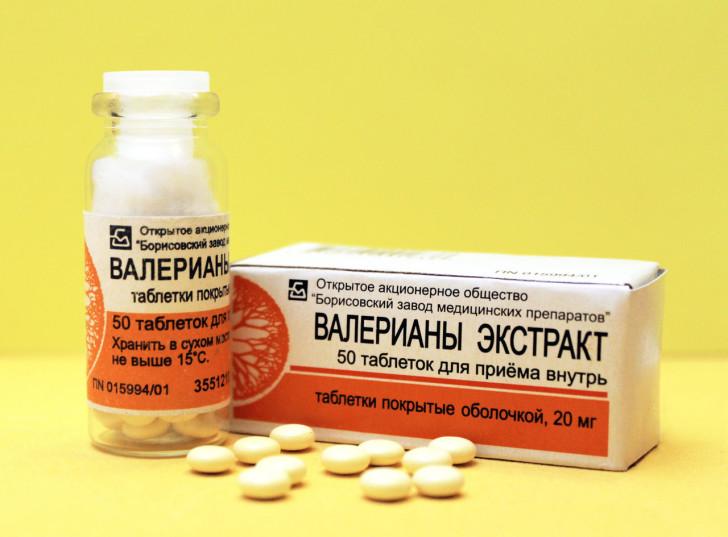
Tip! If you can't find fresh valerian leaves, you can purchase a bottle of pure valerian infusion at a pharmacy.
Tincture with soap
Preparing this fragrant infusion doesn't take much time. To treat plants with the liquid solution, simply dissolve one bottle of natural valerian juice and one tablespoon of laundry soap shavings in a 3-liter jar of water.
A decoction of rhizomes with tobacco
A decoction of valerian root and tobacco leaves will help quickly rid cabbage of pests. The liquid concentrate is prepared as follows:
- Add 200 grams of valerian rhizomes and 500 grams of crushed tobacco leaves to a container with 5 liters of water.
- The container with the liquid mixture is placed on the fire.
- After boiling, remove the container from the heat and place it in a dark place.
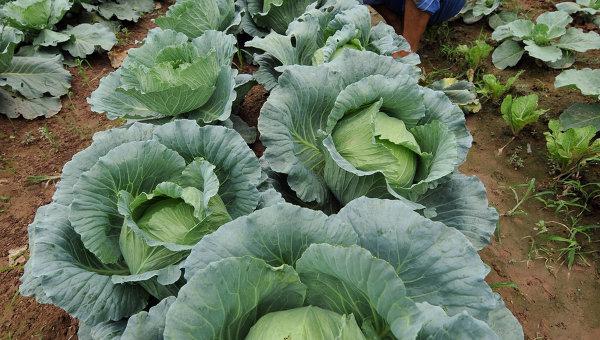
After 24 hours, the decoction is ready for treating plants.
Valerian decoction with tobacco
In cases where cabbage is severely damaged by adult pests and their larvae, it is recommended to use a decoction of valerian with tobacco and soap to combat them.
Prepare the solution in the following sequence:
- In a container, mix 10 liters of boiling water and 200 grams of crushed tobacco leaves.
- The resulting mixture is infused for 2-3 hours.
- After the specified time, the concentrate is filtered through cheesecloth.
- Add 1 tablespoon of valerian juice and liquid soap to the solution.
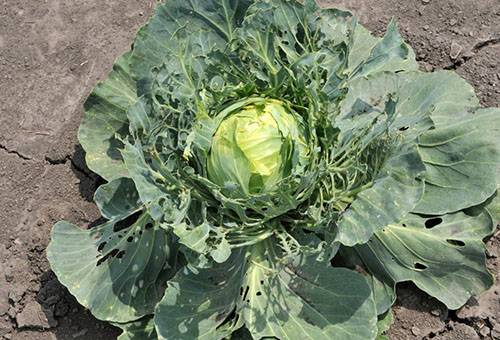
After thoroughly mixing the decoction, use as directed.
Rules for treating cabbage with valerian
The effectiveness of each pest control method depends on the rules of the work.
Requirements for processing cabbage with valerian:
- Plants should be sprayed at the first sign of insects.
- Cabbage processing should be carried out in the morning and evening hours.
- Pest control operations are recommended to be carried out at least twice a week.
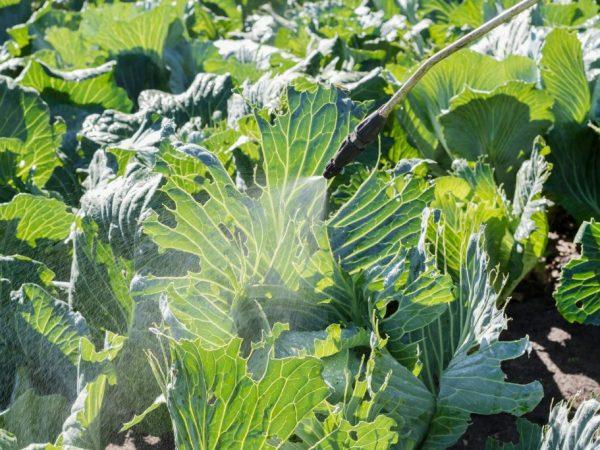
- Spray the cabbage leaves from the top and bottom of the leaf blades.
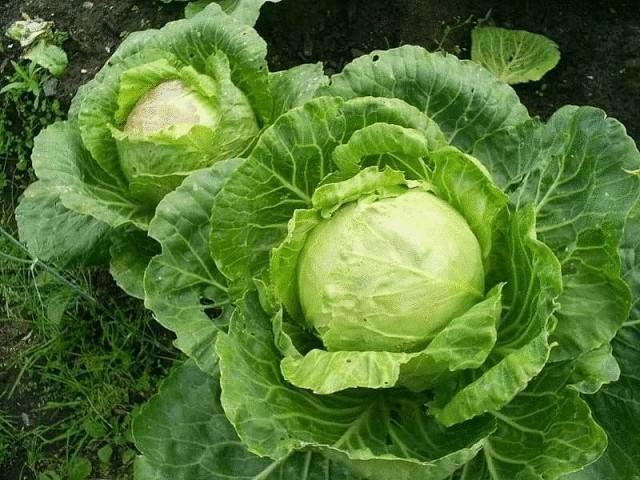 As you can see, the treatment guidelines aren't all that complicated. However, by following them, any gardener can quickly eliminate parasites from cabbage.
Reviews from experienced gardeners about the use of the product
Smirnova Elena, Perm
"To prevent insects, I plant valerian every year around the perimeter of my garden. I can say that the medicinal plant's effect is quite noticeable. Compared to my neighbors, I have fewer pests in my garden. And yet, my harvest is always higher."
Kretov Stepan, Biysk
"Many years ago, I read in a local newspaper about the effectiveness of valerian against pests. That same year, I decided to try the methods described. The results were astounding. After spraying my cabbage with a valerian infusion and soap, I was practically rid of all the pests."
Stepankova Kristina, Voronezh region
"For several years, I used only chemical parasite treatments for my cabbage. The problem was, I couldn't always get to my dacha on time. However, after learning about the properties of valerian, I decided to try it. I wouldn't say the infusions are particularly effective. But at least they're not that harmful."
Related posts:
 Why does cabbage grow tall in the garden and what can be done about it?
 Planting, growing, and caring for cauliflower in open ground and greenhouses
 What is the best way to treat cabbage from pests? Folk, chemical and biological remedies.
 What folk remedies are best for treating cabbage from pests to protect it?
 Growing and caring for Chinese cabbage in open ground and greenhouses
 Description of the best cabbage varieties for 2025 for different regions
 Why cabbage leaves wilt in the garden and what to do
 Description of cauliflower diseases and pests, methods of treatment and control